From unsung heroes to noteworthy names, North Carolina is full of extraordinary women. Learn about them at these 10 sites across the Tar Heel state.
In addition to blooms and warmer weather, March brings a focus on women through Women’s History Month. In North Carolina and beyond, the month highlights the countless significant, yet often hidden, contributions of women throughout history.
Looking to learn more about (and from) some of these trailblazing women? Visit these 10 North Carolina spots that showcase women and their work.
1. Charlotte Hawkins Brown Museum (Sedalia/Gibsonville)
Hands down, one of the most impactful sites is the Charlotte Hawkins Brown Museum, NC’s first official State Historic Site to honor an African American and a woman.
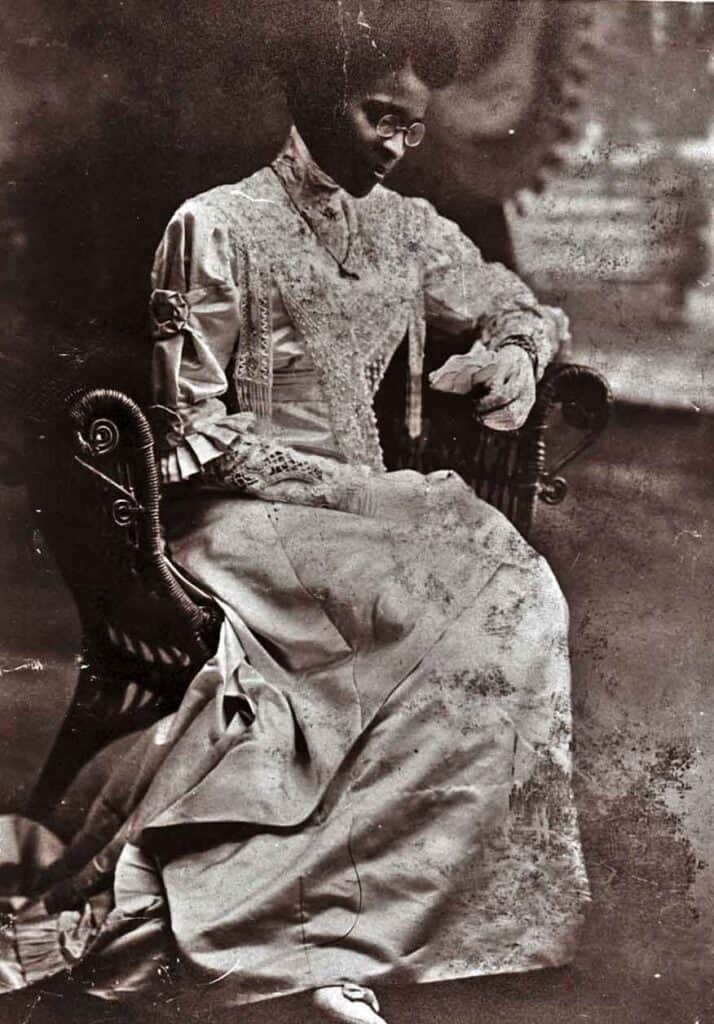
The first Black woman in NC to establish and lead a school, she founded the Palmer Memorial Institute, an elite African American preparatory school, at just 19 years old in 1902. It began as an agricultural and industrial school that Brown ultimately transformed into an elite liberal arts program. It was so noteworthy that poet Langston Hughes guest-lectured there. Brown also lobbied Guilford County to open its first public rural school for Black students.
A true multi-hyphenate, Brown was also an educator, suffragist, activist, and author. In 1940, she penned an etiquette book designed to help African Americans learn the sorts of social graces and manners necessary to navigate racism and attain success more easily, which earned her the moniker the “First Lady of Social Graces.”
2. North Carolina Museum of History (Raleigh)
While it’s currently closed for renovations on a whopping 40,000-square-foot expansion and expected to reopen in fall 2028, the North Carolina Museum of History offers virtual programs, blogs, and digital resources about the history of the state, many of which focus on significant North Carolina women.
Its host of archived digital programs includes fascinating information on women from days of yore, like Madelon Glory Hancock, the first Black woman commissioned into the historic Women’s Army Corps, to contemporary entrepreneur Camillya Masunda, the founder and owner of Ebony Wine and Spirits, Charlotte’s first Black-owned winery. For Women’s History Month 2026, its offerings include off-site events like “Mae Among the Stars” about the first African American woman in space.
3. Tryon Palace (New Bern)
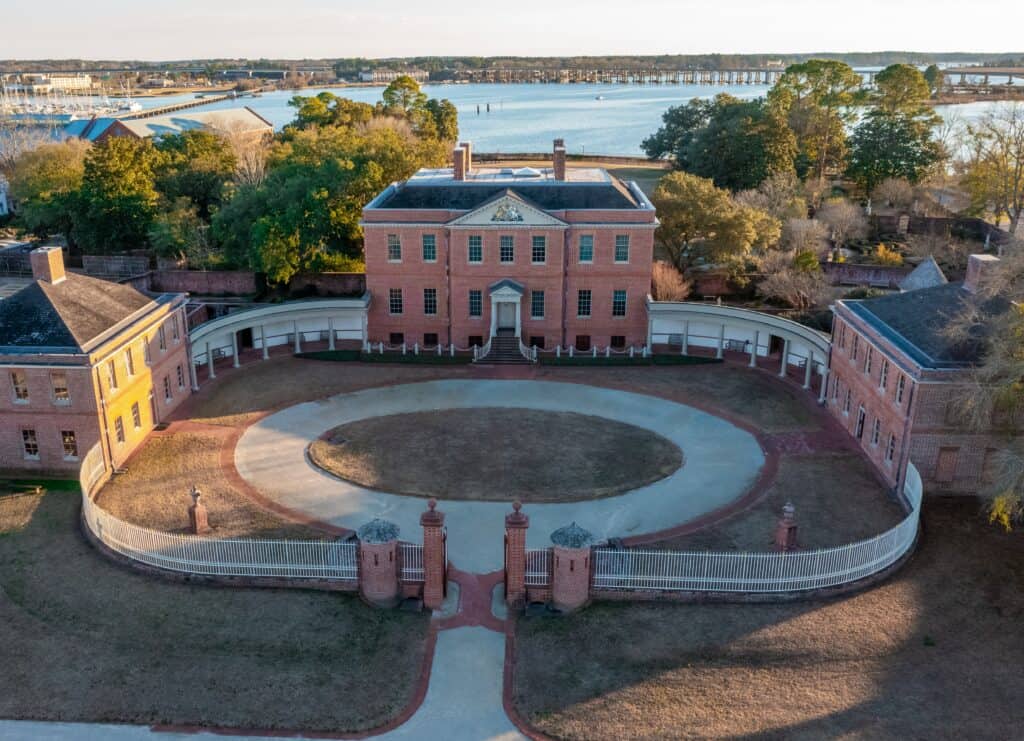
This lavish, painstakingly restored 18th-century mansion was the home of the Royal Governor William Tryon and the state’s first permanent capitol. Today, it’s home to the modern NC History Center and features multiple galleries and 16+ acres of gardens.
Tryon Palace showcases colonial life in the area, and its permanent exhibits that highlight women include Treasures from the Attic, which contains the Palace’s original collection of decorative arts. These artifacts bolster the eponymous Maude Moore Latham Collection, which features historical objects such as furniture and paintings collected by one of the Palace’s key benefactors. Another exhibit, Quilted Creations of Americana, showcases how women from the Twin Rivers Quilters Guild used the art of quilting in creative and patriotic ways. It’s on display in the Duffy Gallery at the North Carolina History Center through March 22.
4. Historic Edenton
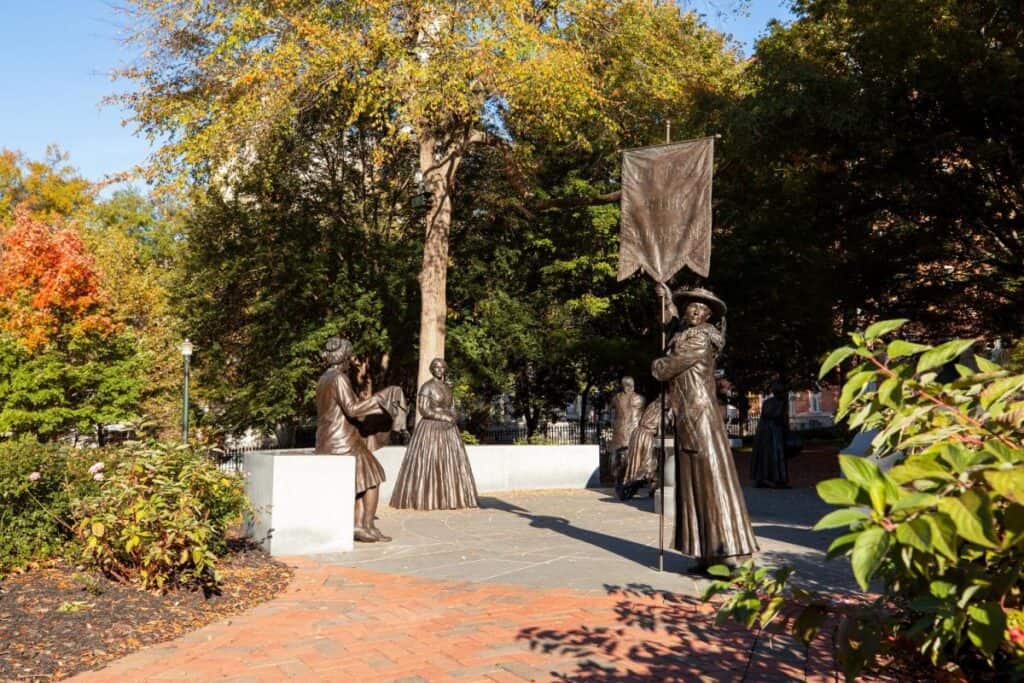
North Carolina’s second-oldest town is the site of the historic 1774 Edenton Tea Party, which is recognized as the first recorded political demonstration by women in American history. Organized by Colonial American activist and Edenton native Penelope Barker, the gathering featured 51 women who signed a resolution to boycott taxed British goods, including tea and cloth. While London press ridiculed the women at the time, contemporary historians acknowledge the pivotal role Barker plays in the history of women’s activism and protest.
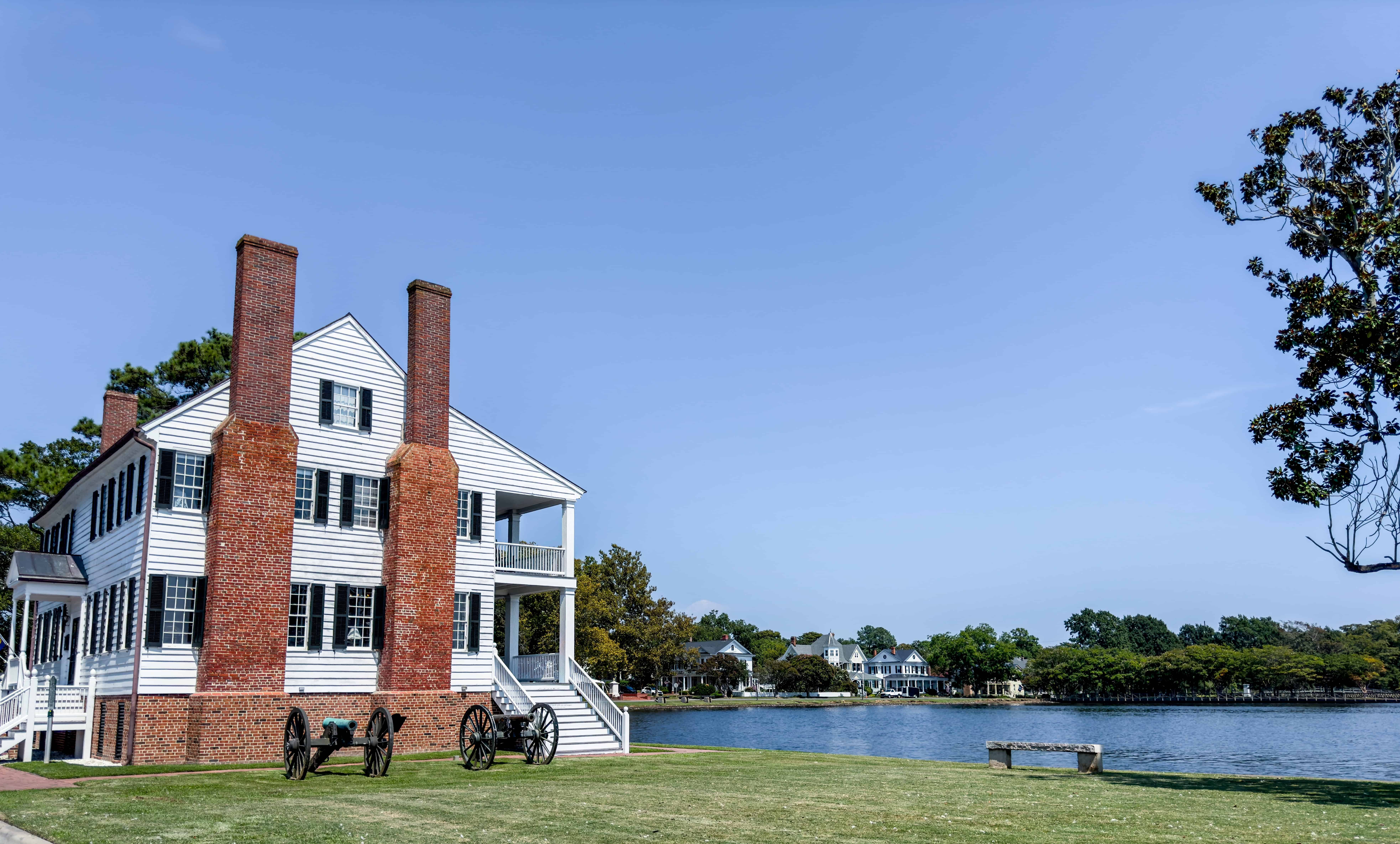
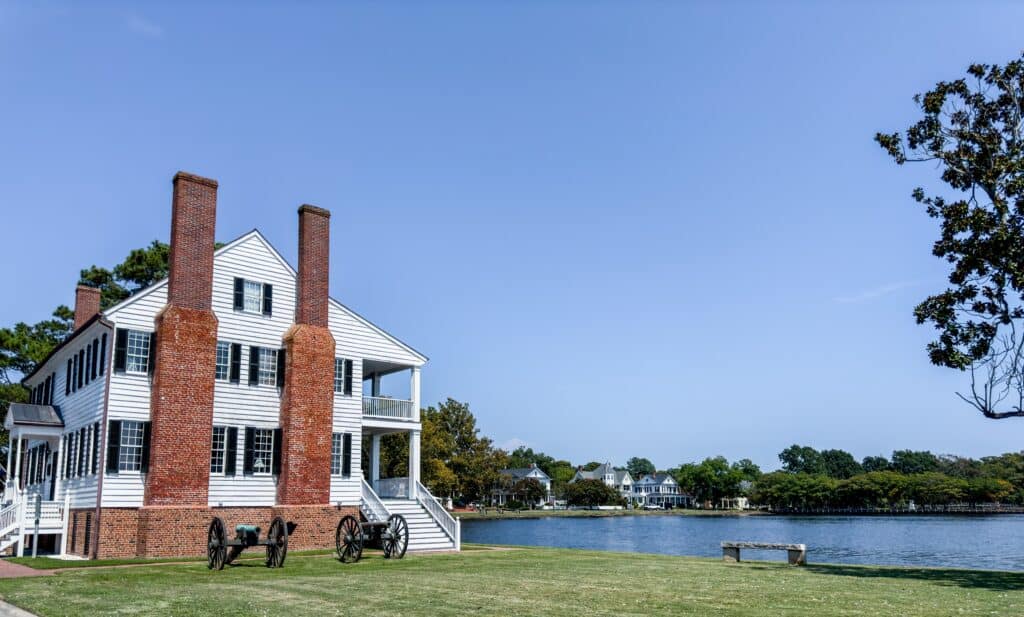
The beautifully restored waterfront Penelope Barker House, built around 1782, serves as the welcome center and home to the Edenton Historical Commission. With maps, books, and knowledgeable staff, this is a great place to set out on a walking tour, including the Harriet Jacobs Tour.
An abolitionist and author of the 1861 autobiography Incidents in the Life of a Slave Girl, Jacobs was born enslaved in Edenton in 1813. She famously escaped slavery by hiding in her grandmother’s attic for almost seven years before leaving via the Maritime Underground Railroad in 1842.
5. Greensboro History Museum
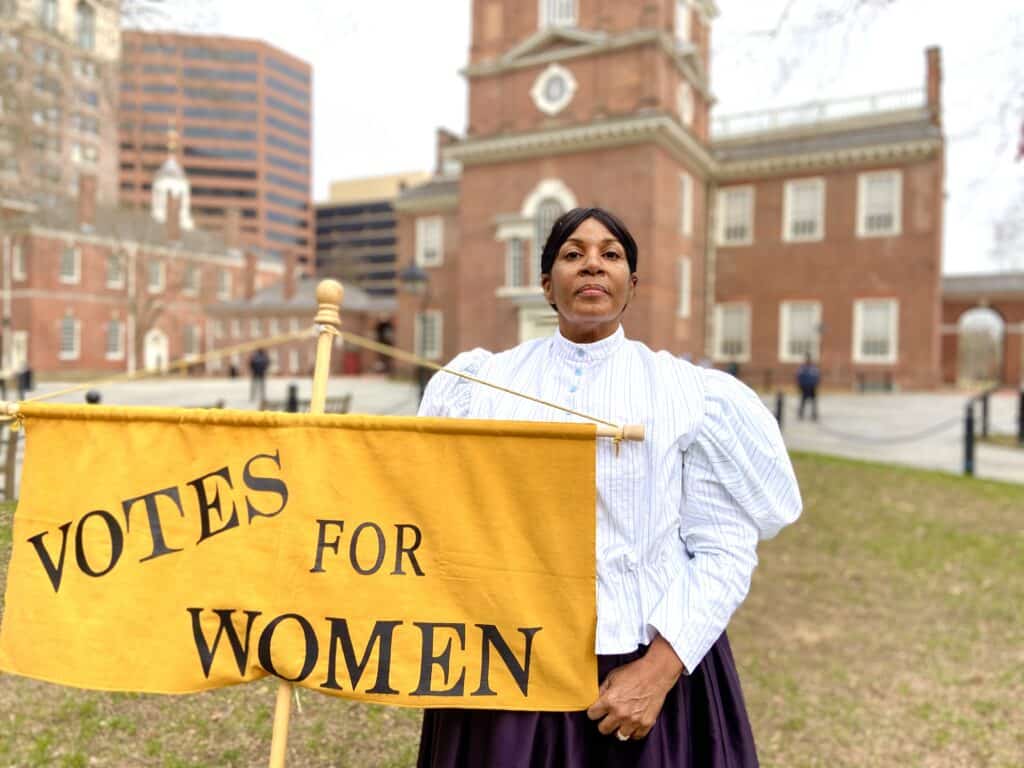
The Greensboro History Museum has a robust calendar of events for all ages. For Women’s History Month, the museum offers a series of living history events that showcase women’s stories from Greensboro’s past using costumed interpreters. It is also home to beloved permanent exhibits, including the Dolley Madison Collection, which celebrates the Guilford County native and former First Lady to President James Madison. A gifted hostess, her famous “Wednesday Night Drawing Rooms” soirees brought together politicians of both parties, helping foster and support bipartisanship.
Throughout March, the museum will also offer events ranging from Lunch and Learn opportunities to Little Lions Saturday: Revolutionary Ladies, designed for pre-K to third graders.
6. Somerset Place State Historic Site (Creswell)
This former plantation site offers guests a glimpse into 19th-century life on a large North Carolina plantation. In addition to the artifact-filled, nearly 7,000-square-foot main house. The grounds are also home to 23 dwellings for enslaved people, a reconstructed hospital, an overseer’s home, and more, all of which bring this plantation’s sobering antebellum history to life.
For Women’s History Month, the site offers “Women of Somerset Place” tours that explore the fundamental contributions that enslaved and free women made to the development and maintenance of the plantation. These tours are offered on Wednesdays and Saturdays in March at 10 a.m.
7. Swannanoa Valley Museum & History Center (Black Mountain)
This must-see, two-story museum, housed in the 1921 Black Mountain firehouse, showcases the history of the Swannanoa Valley (including Asheville) and its inhabitants. The first-floor gallery hosts at least one temporary exhibition each year. Past exhibitions have included examinations of regional music, textiles, and moonshine.
The second floor offers a permanent exhibit chronicling the history of the area through local artifacts, photographs, memorabilia, and more. One local that’s showcased? Black Mountain’s own five-time Grammy Award-winning vocalist, Roberta Flack. It also offers the popular exhibit “A Timeline of Women’s History in the Swannanoa Valley,” featuring local luminaries both in person and digitally.
8. Historic Stagville (Durham)
This historic site preserves the remnants of one of the largest plantations in North Carolina. By exploring the lives of its 900+ enslaved people, rather than just the enslavers, it is working to engender new understanding about the history of slavery. Somber and powerful, visitors can enjoy guided or self-guided walking tours of the site, which include the preserved 1799 Bennehan House, home of the former plantation owners, as well as slave quarters, barns, and more.
For Women’s History Month, Historic Stagville is offering “‘Her Heart is Slowly Breaking:’ a Women’s History Tour of Stagville – 2026.” Offered each Saturday in March, at 11 a.m., the tours will explore labor, love, resilience, and resistance of the area’s enslaved women. Please note: the tours are for adults only and include content about physical and sexual violence and family separation.
9. Mountain Gateway Museum (Old Fort)
The state’s western-most branch of the North Carolina Museum of History, Mountain Gateway Museum highlights mountain life and culture from the time the earliest European settlers arrived in the area. Small but lovingly curated, the museum features traveling, temporary, and permanent exhibits that explore pioneer life and the development of the region, including art, agriculture, folk medicine, and mining.
While the museum’s original location is closed due to Hurricane Helene-related damage, it has relocated to 78-C Catawba Ave. (across the street from its original location). Some of the exhibits have had to be modified to fit into a smaller space, but still offer a fascinating look at 19th-century life in the area. At the time of this writing, the Museum was still finalizing details for Women’s History Month events—be sure to keep up with the org online for updates.
10. Appalachian Women’s Museum (Dillsboro)
Located in the three-story, 1908-era farmhouse where famous local sisters, Edith and Edna Monteith, lived, the Appalachian Women’s Museum collects, preserves, and shares the stories of famous and ordinary area women through demonstrations and conversations on the porch, permanent and traveling exhibits, community collaboration, demonstrations, and events. These include explorations of quilting, sewing, canning, music, education, and more.
The museum also hosts events throughout the year. While it’s closed currently, it will reopen April 4 through October 30 on Saturdays from 10:00 a.m. to 2 p.m.