This Women’s History Month, explore the stories of famous and everyday women who shaped Pennsylvania.
As the vast majority of human history has been written by men, that’s who we tend to see represented in stories of the past, while women’s lives and labor are sidelined—or systemically erased. We grow up surrounded by stories of founding fathers and industrial tycoons, while the women who led social movements, created art, advanced science, and held communities together are often minimized or forgotten.
But in Pennsylvania and across the country, museums and historic sites are working to reclaim these stories. This March—Women’s History Month—bring your kids to these 10 Pennsylvania sites and tours to learn about the female leaders and everyday women who helped shape our state and the wider world.
Badass Women’s History Tour – Philadelphia
Local walking tour company Beyond the Bell Tours presents its Badass Women’s History Tour, which focuses on the women who were part of Philadelphia’s founding and development as a major American metropolis, even if they’re usually left out of the story. The two-hour tour covers 1.5 miles as it explores the lives of women in science, art, social movements, and more.
Women’s History Self-Guided Walking Tour at Independence National Historical Park – Philadelphia
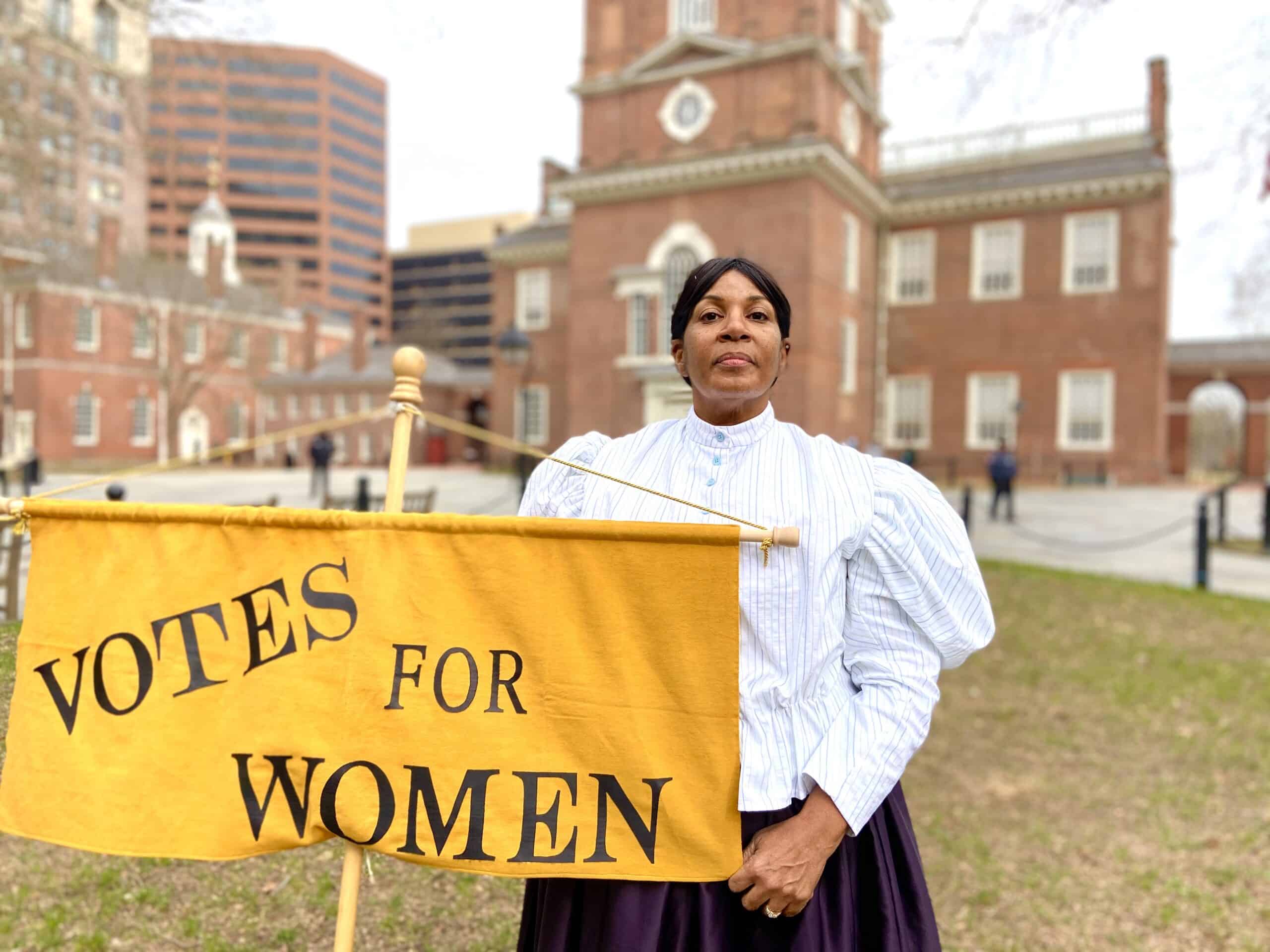
Offering a great way to dive into women’s history at the most visited site in Philadelphia, the National Park Service has published a Women’s History Self-Guided Walking Tour within Independence National Historical Park. The self-guided tour includes stops at Independence Visitor Center, the President’s House Site, Franklin Court Courtyard, the Franklin Court Printing Office, and Independence Square.
The visitor center, courtyard, and printing office include stories of women who helped raise funds for the Revolutionary War, rallied for women’s suffrage, and provided for their families through entrepreneurship. Independence Square was the site of women’s suffrage demonstrations, and the President’s House Site details the escape of a Black woman who was enslaved by President George Washington.
Betsy Ross House – Philadelphia
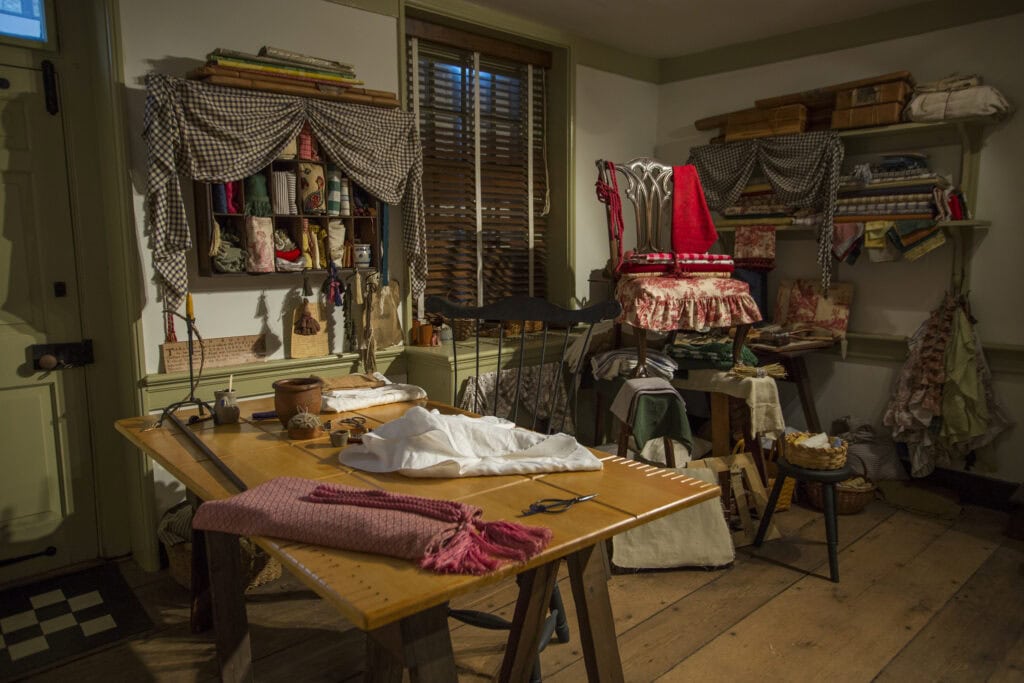
Betsy Ross exists in American memory as the maker of the first American flag, though there is no definitive proof that the Philadelphia seamstress stitched it herself. Still, the legend lives on, and the Betsy Ross House offers a window into the life of a middle-class businesswoman in the late 1700s, showing how Ross ran an upholstery shop out of her home.
The museum also highlights the lives of other women from the past. During Women’s History Month this year, living history interpreters will portray abolitionists, suffragists, and other women who influenced the country in ways history books often overlook.
The Colored Girls Museum – Philadelphia
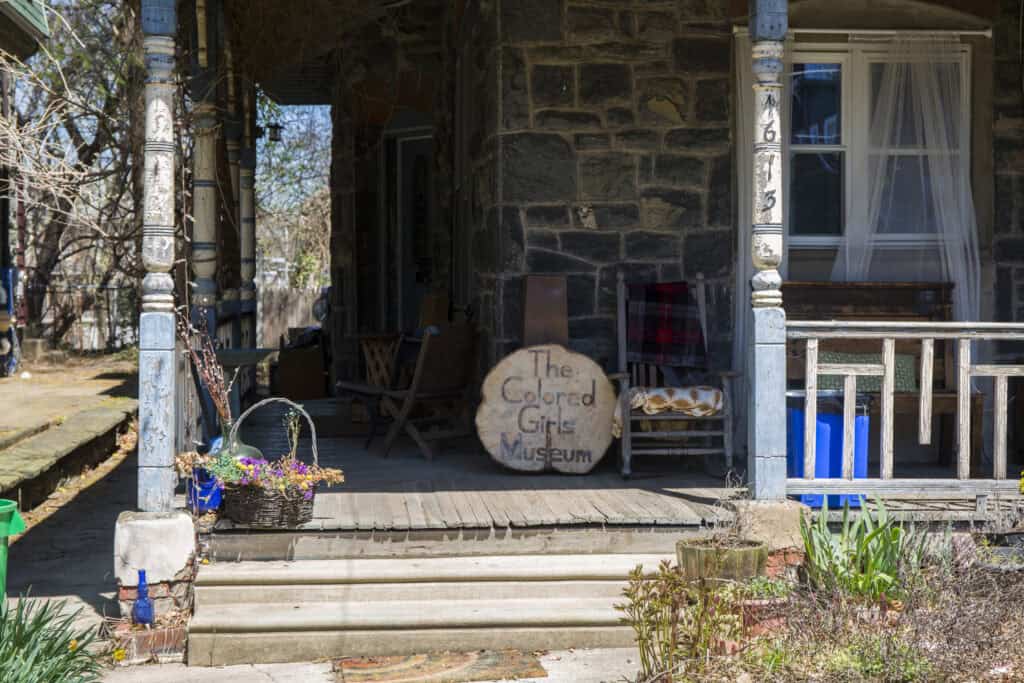
Even when women’s history is centered, it is often at the expense of women of color. The Colored Girls Museum in Philadelphia pushes against this to celebrate “the ordinary colored girl.” As a “memoir museum,” it is dedicated to showcasing the lives of everyday women of color, rather than only famous figures, by way of a collection tied to personal narratives. The current exhibit, “Say It Loud, I’m Black and I’m Proud,” features a selection of new artists as the museum celebrates its 10th anniversary.
Historic Fair Hill – Philadelphia
Historic Fair Hill is a Quaker burial ground that is more than 300 years old, but it is much more than a cemetery. The green space is home to the graves of abolitionists and women’s rights activists, and it offers family-friendly programs that foster education and build community in a beautiful outdoor setting.
Activists buried at Historic Fair Hill include Harriet Purvis, a Black leader of the Underground Railroad and founder of the Female Anti-Slavery Society, as well as Lucretia Mott, a famed abolitionist and women’s rights advocate.
When the gates are open, visitors can explore, relax, and play on the grounds. On March 14, Historic Fair Hill is hosting a one-hour guided tour on women’s history—an opportunity for families to learn about the women who helped lay the foundation for social change in Philadelphia and nationwide.
Single Sisters’ House within the Moravian Church Settlements – Bethlehem
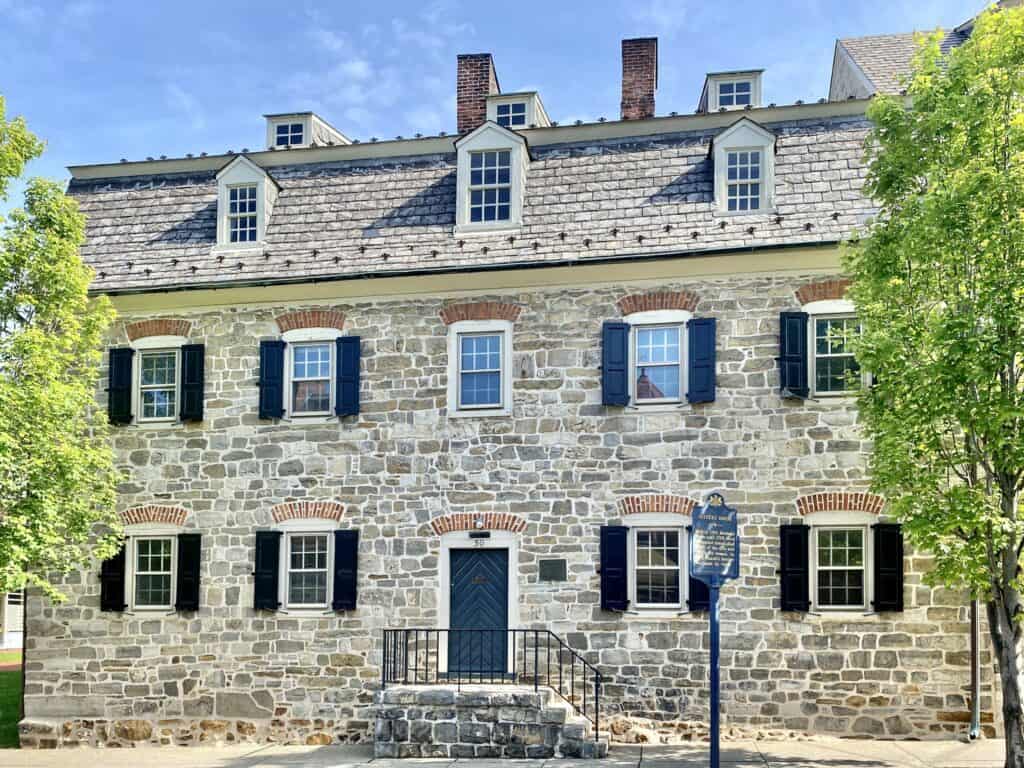
Built in 1744, the Single Sisters’ House was a home for unmarried women in Bethlehem’s Moravian community, providing them space to work—and an opportunity to live more independent lives. The house is part of Historic Bethlehem and the Moravian Church Settlements World Heritage site and offers guided tours.
The Justice Bell at Valley Forge National Historical Park – King of Prussia
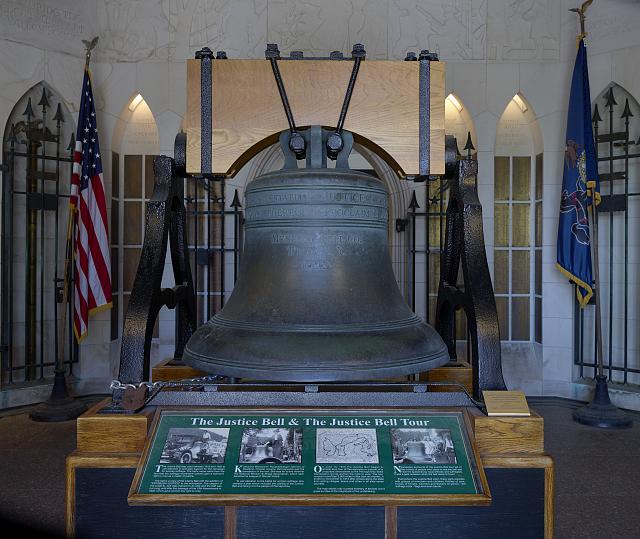
A replica of the famous Liberty Bell, the Justice Bell was cast in 1915 in support of women’s suffrage, and it toured all 67 counties in Pennsylvania to promote the cause. In an apt metaphor, the bell was silent until the 19th Amendment granted women the right to vote. After the amendment passed in 1920, the bell was rung 48 times (once for each state in the union at the time) in Philadelphia’s Independence Square.
Today, the Justice Bell is on permanent display at Valley Forge National Historical Park within the Washington Memorial Chapel.
Heinz History Center – Pittsburgh
Pittsburgh’s Heinz History Center tells the story of Pittsburgh and Western Pennsylvania, including the women whose labor and leadership helped build the city and region. Families can explore hands-on exhibits and attend special programs that chronicle the rise of industry as well as local culture. The museum spans multiple floors, and the numerous exhibits include “From Slavery to Freedom,” documenting the Black experience from Africa in the 1700s to contemporary Western Pennsylvania, and the U.S. Semiquincentennial special exhibit, “My America: An Illustrated Experience,” featuring 63 illustrations that include famous Pittsburghers like environmentalist Rachel Carson and civil rights activist Daisy Lampkin.
“Through Different Eyes” at Penn State’s College of Earth and Mineral Sciences Museum & Art Gallery – University Park
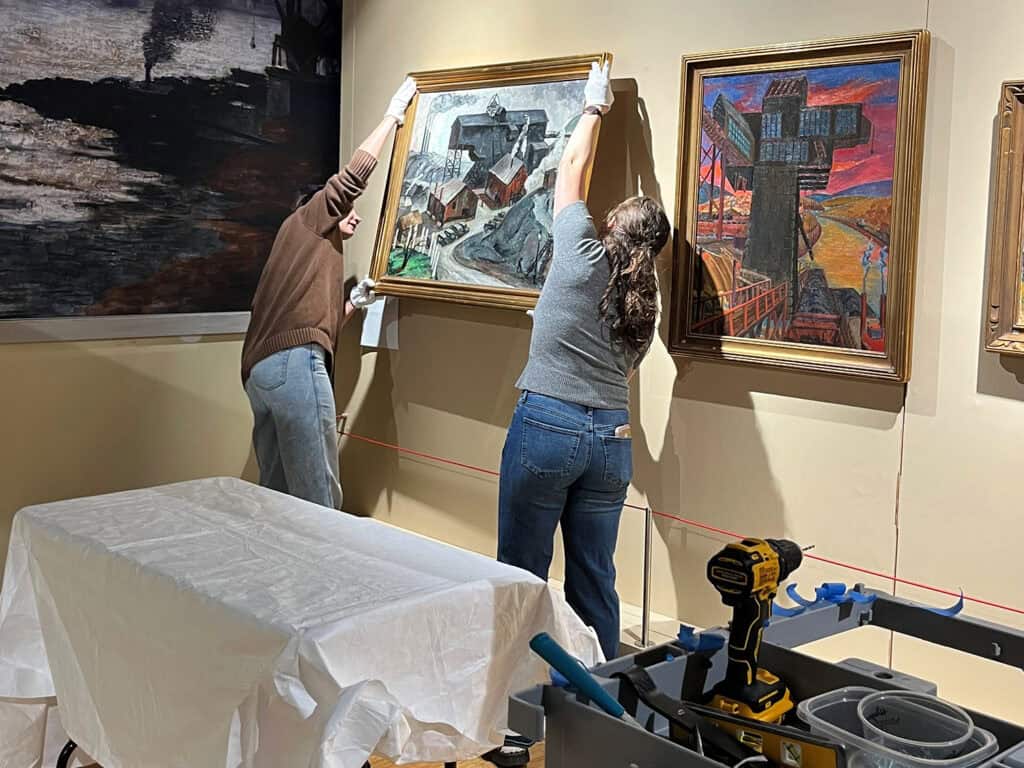
In January, a new student-curated exhibit, “Through Different Eyes: Industrial Worlds by Women Artists,” debuted at Penn State’s College of Earth and Mineral Sciences Museum & Art Gallery. The exhibit examines the lives of female artists working in industrial Pennsylvania during the 20th century, women whose lives were shaped by Pittsburgh industries like steel and coal, even if they weren’t laboring inside mills or mines themselves. The works, from the Steidle Collection of American Industrial Art, invite visitors to experience labor history in a different way, using art to explore women’s perspectives on work and industry.
“Who Wears the Pants?!” at the Palmer Museum of Art – University Park
From January through April, Penn State’s Palmer Museum of Art presents “Who Wears the Pants?! Fashion History One Leg at a Time,” a fun and engaging exhibit that uses fashion—and specifically, pants—to explore gender, class, and identity, as well as how clothing can both uphold and challenge social norms. After all, pants were once seen as exclusively menswear, and women’s adoption of the garment was considered both rebellious and liberating.