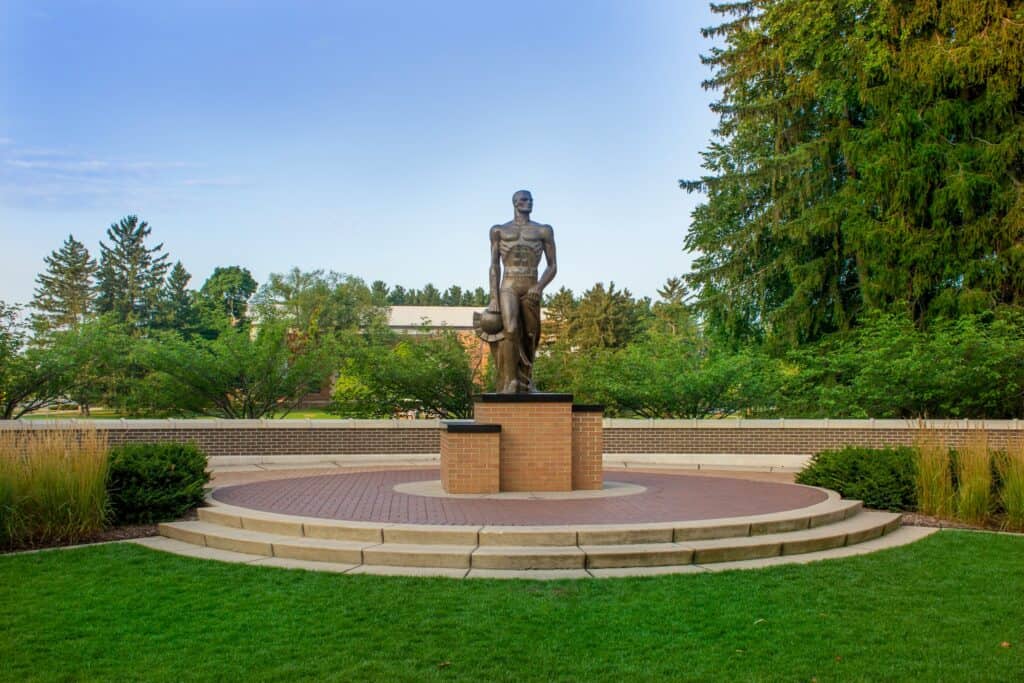
College is notoriously expensive, but tuition comes with many perks. Here are 11 resources every Arizona college student should know about.
From getting into college to exploring the local area to nailing the post-grad interview, the transition through college isn’t just challenging—it’s expensive, too. Fortunately, there are many perks and freebies available to college students—you just have to know where to look.
The average college student spends thousands of dollars each year beyond tuition. Textbooks, software subscriptions, transportation, technology, professional clothing, and even basic necessities can add up quickly. While financial aid helps cover some of those expenses, many colleges have quietly built support systems to ease a bit of the burden. The challenge isn’t that these resources don’t exist—it’s that many students don’t discover them until they’re already struggling.
Whether you’re a first-year student or returning to school after years away, taking advantage of these resources can save hundreds, if not thousands, of dollars over the course of your education. And all students need less debt.
Getting into & affording college
College Depot
The Burton Barr Central Library in Phoenix hosts College Depot. Though it’s offering altered services in 2026 while undergoing construction, this resource is an asset to both aspiring and enrolled college students alike. With resources and experts available for drop-ins—or one-on-one by appointment during construction—this free college access center offers help with college applications, financial aid forms, scholarships, career planning, and more. To schedule one-on-one appointments, call 602-261-8847. The construction will ultimately help realize an expansion of this resource beginning in 2027.
College Depot is especially valuable for first-generation college students, adult learners returning to school, and anyone transferring between colleges (looking at you community college attendees—you’re so close!). Staff members can help students navigate scholarship applications, review essays, explain financial aid options and forms, and answer questions that can often feel overwhelming when you’re trying to figure everything out on your own. Fortunately, you don’t have to! Even students who are already enrolled can benefit from career planning assistance and scholarship searches throughout their college careers—this resource isn’t just for pre-college planning.
211 Arizona
Are you experiencing a crisis? A need for food assistance? Help with family? Utility assistance? 211 Arizona isn’t strictly for Arizona students; it’s a valuable resource for all Arizonans. A straightforward search bar allows you to look for the resources you need near you, including everything from housing assistance to food pantries, childcare, transportation, legal aid, healthcare, and mental health services.
Even if you don’t consider yourself “in crisis,” it is worth browsing the site. Many students discover local nonprofit organizations offering assistance they didn’t know existed, allowing them to stretch a tight budget a little further while focusing on school and learning how to function independently.
Free textbooks
There are a couple of options to cut down on the cost of textbooks, which tends to be one of the bigger ticket items for students—I remember one of my general education courses requiring a textbook that cost nearly $500! Needless to say, I dropped that course and found a different way to fulfill the GE, but there are more resources now so you don’t have to follow suit. After all, I might have benefitted from learning electrical engineering.
One free option is heading over to your campus library. Nowadays, there are usually e-books available for rent or copies of textbooks available to use on reserve (meaning you cannot check it out, but may use it while in the library). Campus libraries can also request books through interlibrary loan, bringing in extra copies of a textbook from other libraries. Spending a few minutes researching your options before clicking “buy now” can make a noticeable difference in your semester budget.
If your campus library doesn’t have what you need, check out OpenStax & Open Educational Resources (OER). This nonprofit initiative saves students billions of dollars on textbooks each year by offering free electronic versions of thousands of college textbooks and course materials. It’s also worth asking professors before purchasing books outright. Many instructors intentionally select Open Educational Resources to reduce costs, while others know older editions that work just as well as the newest version.
ASU for You
Whether or not you’re a Sun Devil, ASU for You is a free platform that offers learning resources, tutorials, educational content, and more to the public. Want help budgeting? This platform’s got your back. Need another perspective on the general education lesson you just took? There are clips for that. Want to pad the resume with free certificates? Yep, that’s also available. ASU for You is great for college students—whether you are a Sun Devil, in a four-year university, at a technical school, community college, or simply attending the college of life.
The platform also includes resources on career readiness, entrepreneurship, financial literacy, health, and personal development. Even if you’re attending another Arizona college, these free tools can help reinforce classroom learning or introduce you to topics outside your major without adding another expense. Talk about general education done right.
Microsoft Office 365 / Adobe Creative Cloud
So maybe you just use Google Drive like most people do, but it can feel high end—luxurious even—using Microsoft Office these days. With a student email, Microsoft Office offers the platform for free. Just be prepared to either pay full price or end your luxurious run with it when you graduate and lose that .edu email domain.
Beyond Microsoft Office, many students also qualify for Adobe products, which include Photoshop, Illustrator, and Acrobat. Even if you are not in a creative major, accessing these software programs and learning them at no risk can give you a leg up on creative design, which translates well into the business world, marketing, education, nonprofit work, or even content creation. Since these subscriptions normally cost hundreds of dollars each year, college is a great time to learn programs you may not otherwise be willing to pay for.
Pro tip: I learned this the hard way so you don’t have to. Even when using Microsoft Office/Word for essays, save a copy to Google Drive every 30 minutes or so. I once spent hours researching, writing, and editing a seven-page PoliSci essay, only to experience a computer glitch the morning it was due. All of that work went POOF! Gone. My computer nerd friends told me to save a backup to Google Docs to avoid this issue, and I’ve done it ever since. You should, too. And if you’re wondering, yes, the professor gave me a day extension to redo the whole thing, despite it sounding like the “dog ate my homework” excuse. Thanks, Prof. Mathiowitz!
Technology lending
Many students get accepted into college only for reality to hit them—they don’t have a laptop or other technology that most students will need. (And it isn’t cheap to buy tech, either). The majority of campuses see you and often provide dedicated resources for technology lending. Beyond maintaining computer labs for students to use and print from, many campus libraries loan equipment free of charge so you can study in your dorm room in between naps—I mean sleep.
Depending on the campus, students may also be able to borrow Wi-Fi hotspots, cameras, microphones, graphing calculators, tablets, chargers, and other equipment to help you succeed in the 21st century. Whether your laptop unexpectedly dies the week before finals or you simply can’t afford one at the start of the semester, these programs help ensure technology doesn’t become a barrier to earning your education.
Career closets
Are you ready for an internship or a shot at earning some big-kid money? Campuses across the state offer many career resources through the student services office. The resources range from resume pointers and mock interviews to career closets.
Career closets allow students to borrow professional clothing for interviews, networking events, career fairs, presentations, and internships. Professional clothing can be expensive, especially when you’re balancing tuition and living expenses, but making a strong first impression still matters. That student you always see walking into the career fair looking like they stepped out of a business magazine? There’s a good chance they borrowed the outfit—and you can too.
Research & news access
When you’re not reading your daily news from the Copper Courier, many campuses offer students free access to informative reading material and research resources, including:
- The New York Times
- Academic journals
- Library research databases
- Local newspapers
- Grammarly
Many of these subscriptions would cost hundreds of dollars annually if purchased individually. Instead, colleges absorb those costs through their libraries, giving students access to peer-reviewed research, historical archives, market reports, and premium writing tools that can strengthen both coursework and future opportunities. Or, at the very least, make you sound informed at the next family gathering where the holiday meal turns into a discussion of politics. (Is that just my family?)
Student discounts
Amazon Prime Student
Jeff Bezos and Amazon Prime are not without controversy, but the company originally started as an online bookstore for students like you. Today, Amazon Prime Student—which offers Prime services for free with qualifying emails—can be a lifeline for students who don’t have access to a car or the time to figure out public transportation to get to Bookmans. Waived fees, lower prices, and delivery to your campus mailbox make this a freebie worth signing up for.
Hulu Student
If you lost your cousin Greg’s login info to Hulu, you can access a basic package for free as a college student. Hulu understands that even the smartest among us need some time to zone off and rest the brain.
Between classes, work, internships, and studying, college can feel nonstop. Having an affordable way to relax during downtime is a small perk, but those little savings can make a big difference over the course of a school year. It’s also ideal when those sick days hit and you need something to distract you from all the classes you’re missing.
Free museum admissions
Many museums across the state offer steep student discounts. Sometimes “discounted” can still be a barrier on a student budget. Act One’s Culture Passes offer free admission to many museums. While anyone can take advantage of the Culture Pass, certain college campus libraries—such as ASU—have these passes available for checkout from the convenience of campus.
Even if going to a museum doesn’t sound exciting, museums offer students an opportunity to learn about the local lore outside of a classroom, enjoy a low-cost afternoon with friends, or simply take a break from studying and campus scenery. Arizona is home to incredible museums covering art, history, science, and culture, making this one of the state’s most overlooked student benefits.
P.S.
This list is not exhaustive, and many other amazing freebies and discounts are available with a campus email or student ID. From software and transportation to career services, research tools, food assistance, and entertainment, being a college student comes with more perks than many people realize.
The best part is that many of these resources have already been paid for through student fees and tuition. Taking advantage of them isn’t getting something for free—it’s making sure you’re using benefits you’ve already earned, and taking advantage of the support the community can give you. Before spending money out of pocket, take a few minutes to explore what your college already offers. Your wallet and future graduated self will thank you.