Welcome spring by visiting the parks and reserves where you can admire wildflowers in Pennsylvania.
Pennsylvania is home to more than 100 species of native wildflowers, which decorate the landscape from early spring through fall. The first blooms pushing through the forest floor signal that warmer weather is on the way—and quickly blanket the woods with delicate carpets of flowers.
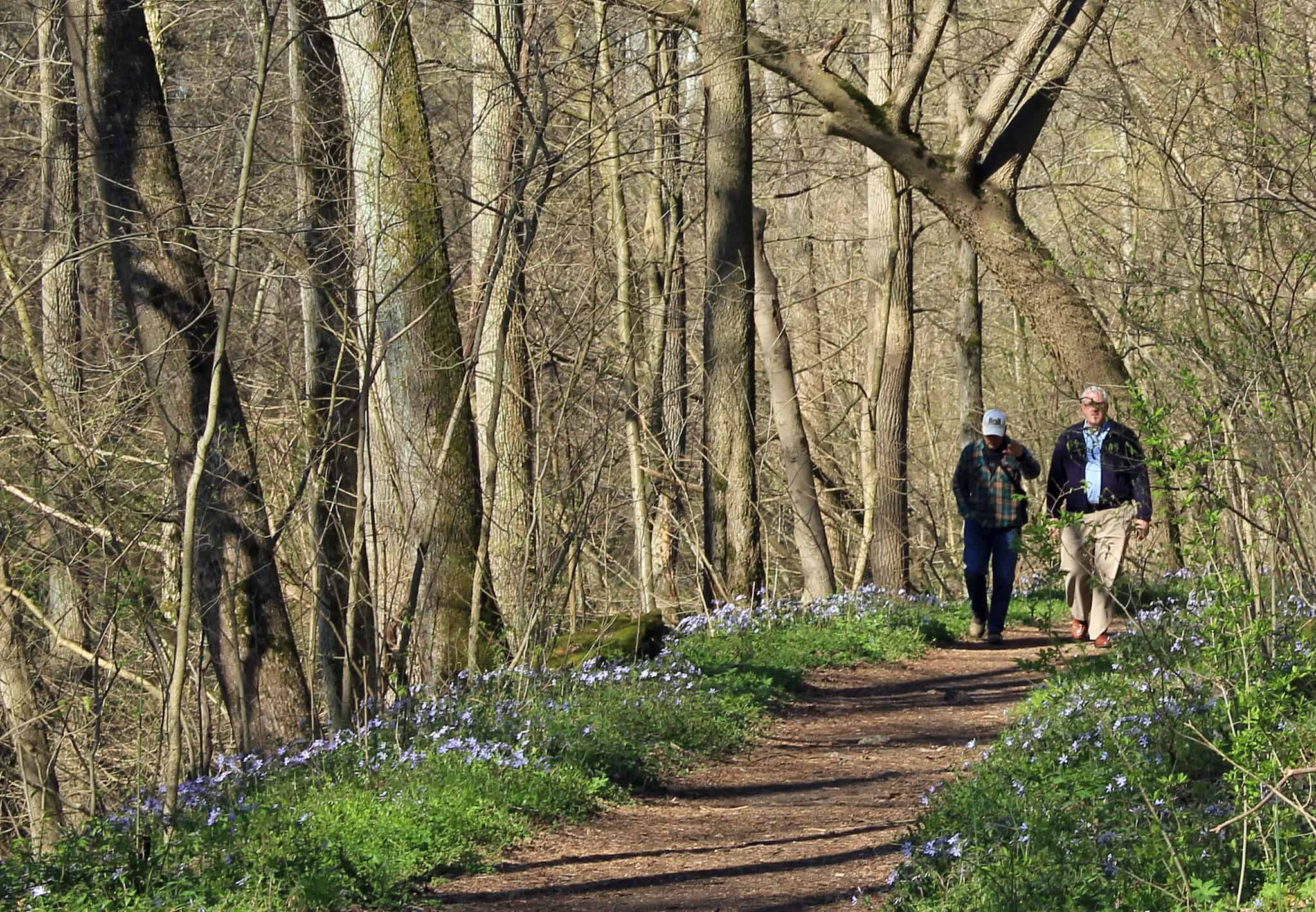
Spring wildflower season in Pennsylvania usually peaks in April and May, when ephemerals bloom in dense, eye-catching displays before the summer tree canopy blocks sunlight. During this short window, wildflower enthusiasts across the state take to trails and head to nature preserves to witness the forest in full bloom.
We’ve put together a guide to help you explore wildflowers in Pennsylvania. Read on to learn what to see, when to go, and the best places to catch the blooms.
When to see wildflowers in Pennsylvania
While peak bloom is typically in April and May, timing can vary from year to year. Flowering depends on temperature, rainfall, and location. Southeastern Pennsylvania is usually the first to see wildflowers emerge (March-April), followed by central and western regions (April-May), while northern areas and higher elevations may bloom later (late April-May).
Summer and fall blooms extend the season throughout the year. For the most accurate timing, we recommend checking park and reserve websites or social media for updates on wildflower displays.
Pennsylvania’s spring ephemerals—and more
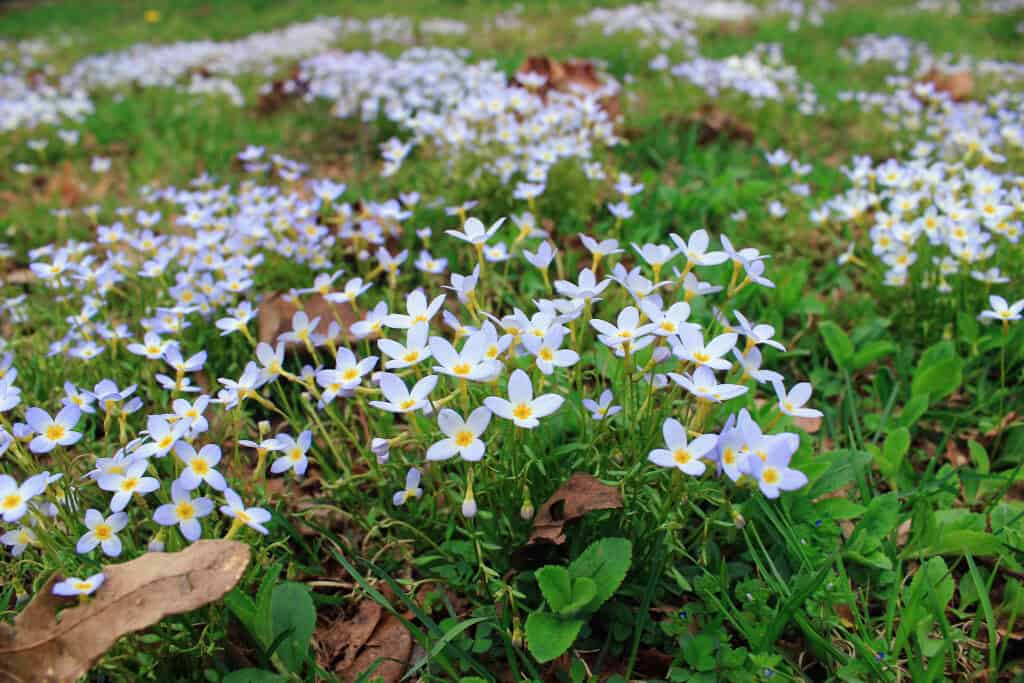
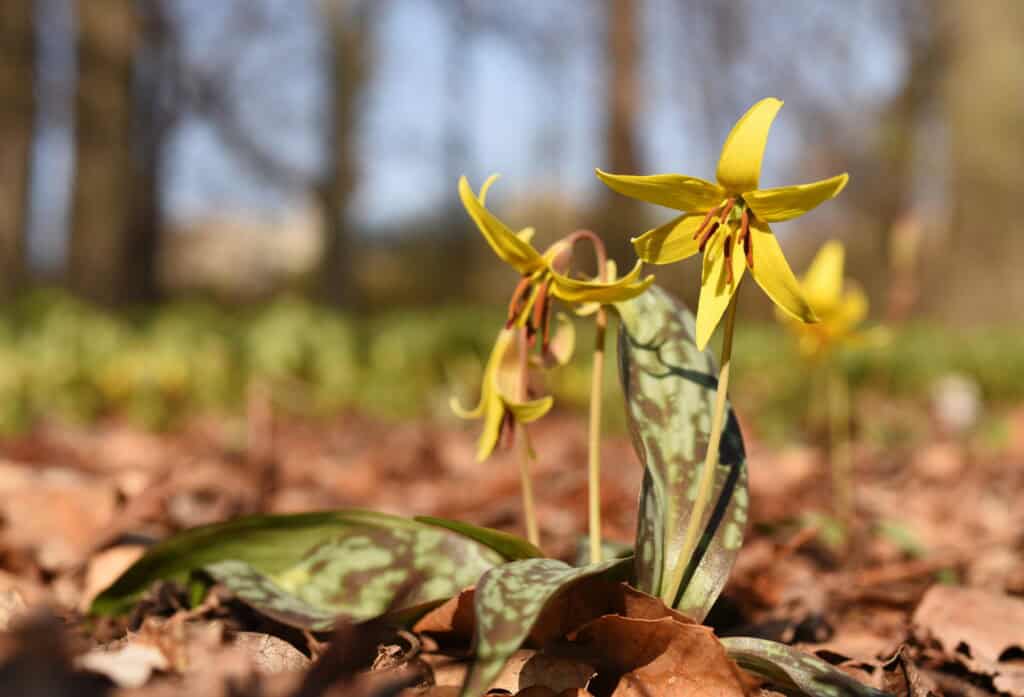
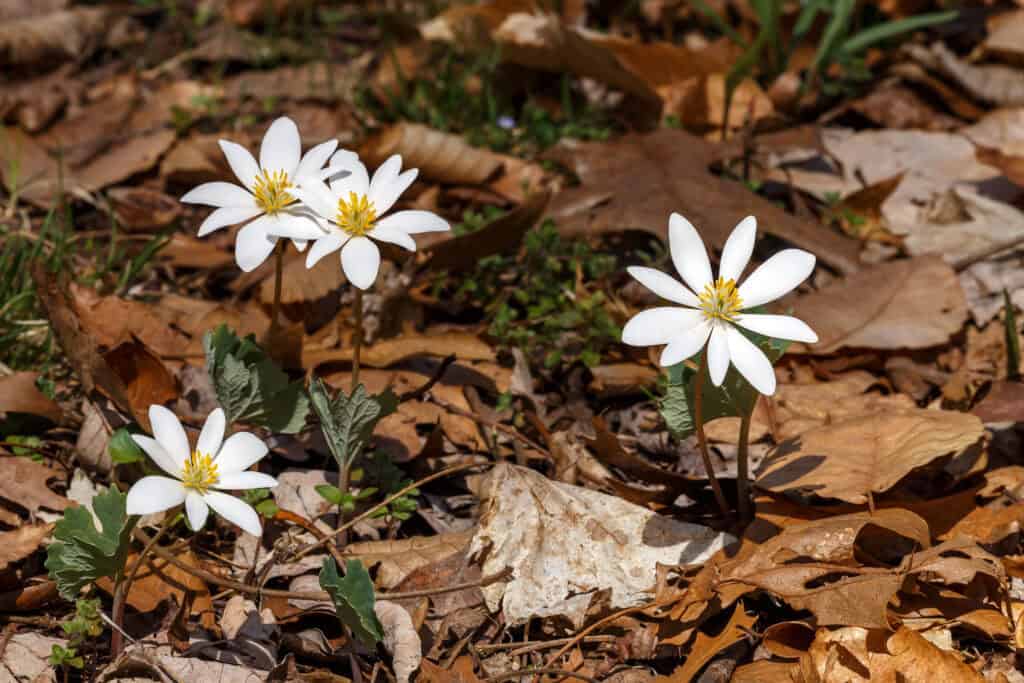
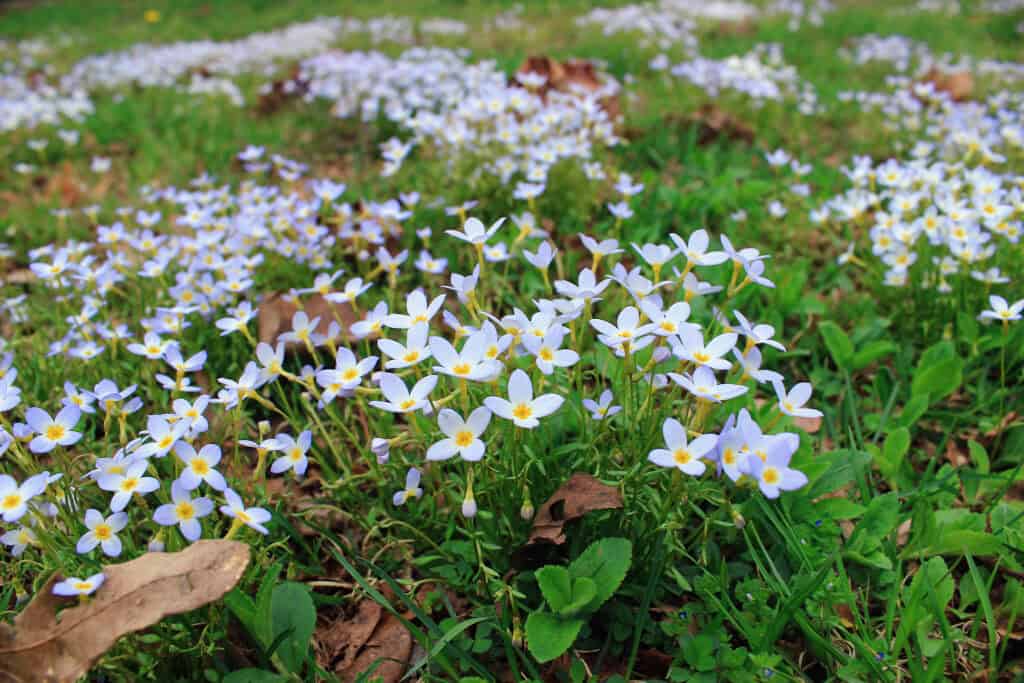
While wildflowers in Pennsylvania can be enjoyed from spring through fall, the most striking blossoms emerge in early spring. These spring ephemerals—named for their brief bloom windows—add vibrant color to the freshly thawed forest floor. Peak bloom can be fleeting, sometimes lasting as little as one week, depending on the species, inspiring treks to see the flowers in all their glory. Some of the most popular spring ephemerals in the state include bloodroot, trillium, Dutchman’s breeches, yellow trout lily, and Virginia bluebell.
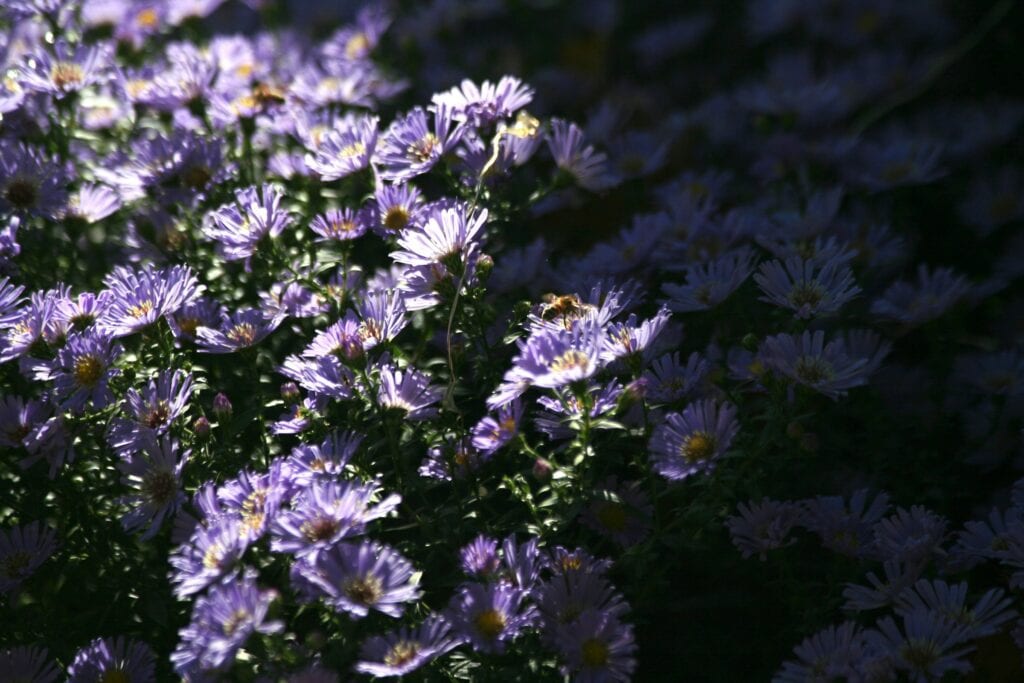
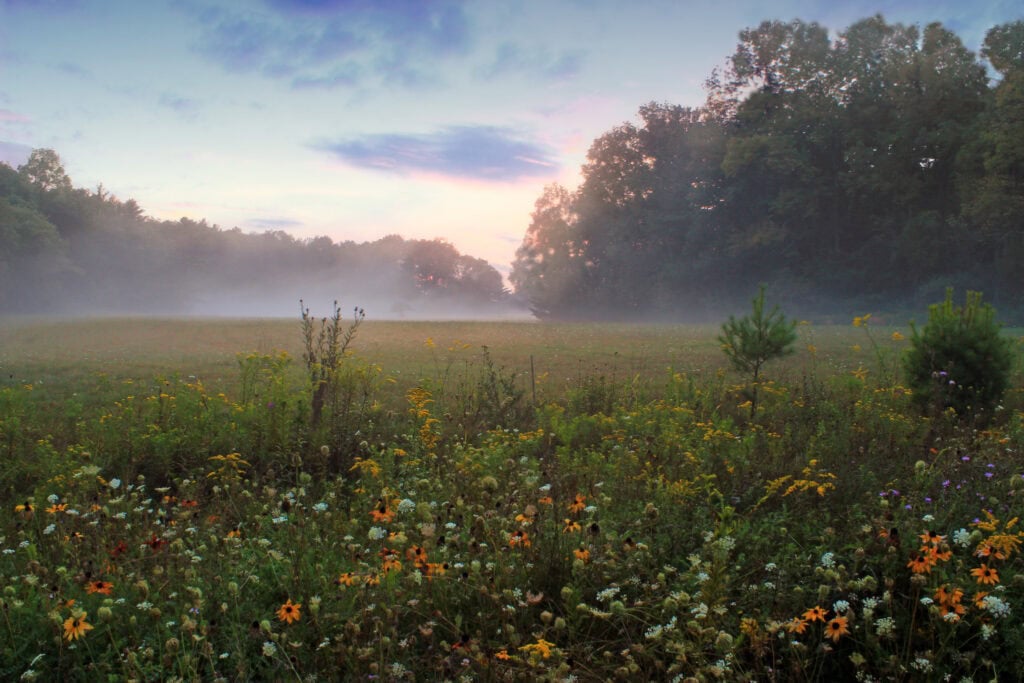
Spring ephemerals draw the biggest crowds, but Pennsylvania’s wildflowers continue to bloom through the summer and fall, when you can spot species like black-eyed susans, coneflowers, goldenrod, and asters.
Where to see wildflowers in Pennsylvania
Bowman’s Hill Wildflower Preserve—New Hope (Bucks County)
Bowman’s Hill Wildflower Preserve in Bucks County is a natural escape less than an hour from the hustle and bustle of Philadelphia. The preserve is home to more than 700 native plant species, including a host of wildflowers that bloom with color along the 4.5 miles of trails that meander through Bowman’s Hill’s forest and meadows.
Seasonal highlights include hepatica and trillium in March, bloodroot and yellow trout lily in April, and foamflower and Jack-in-the-pulpit in May. Visitors can explore on a self-guided walk or join a naturalist-led tour to learn more about the preserve’s native plants.
Shenks Ferry Wildflower Preserve—Conestoga (Lancaster County)
Lancaster County’s Shenks Ferry Wildflower Preserve is just over an hour and a half from Philadelphia and one of the state’s most popular spots for spring wildflowers, especially elusive ephemerals. The preserve’s main trail, the 1.7-mile Gamber Wildflower Trail, offers a spring hike past iconic blooms like mayapples, yellow trout lily, trillium, and Virginia bluebells. Plus, during the spring wildflower season—usually mid-March through early May—the Lancaster Conservancy publishes weekly updates about what’s in bloom.
Bear Run Nature Reserve—Mill Run (Fayette County)
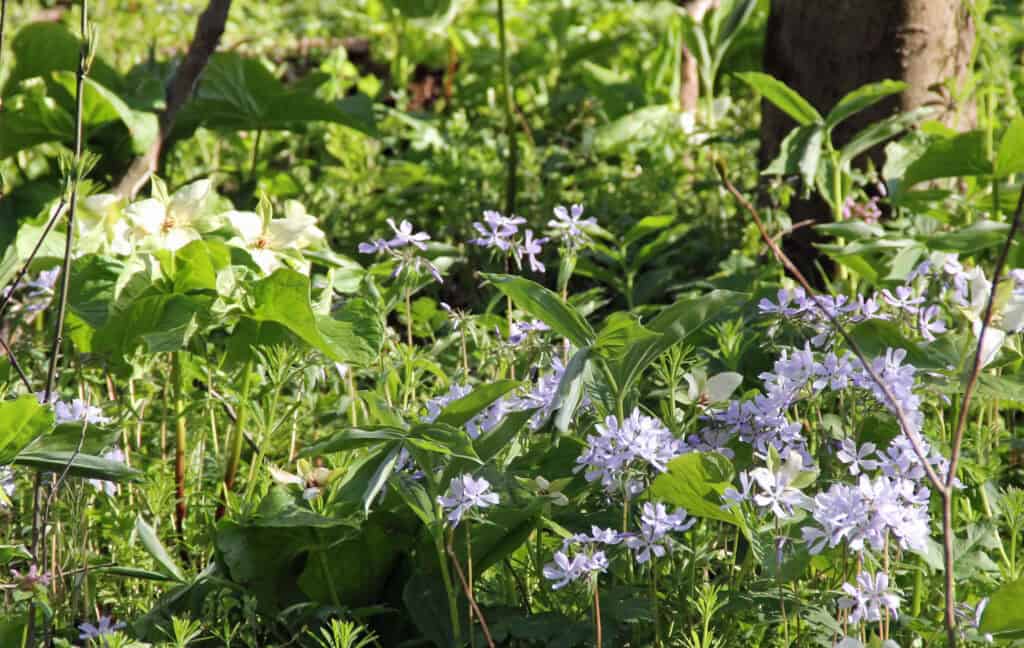
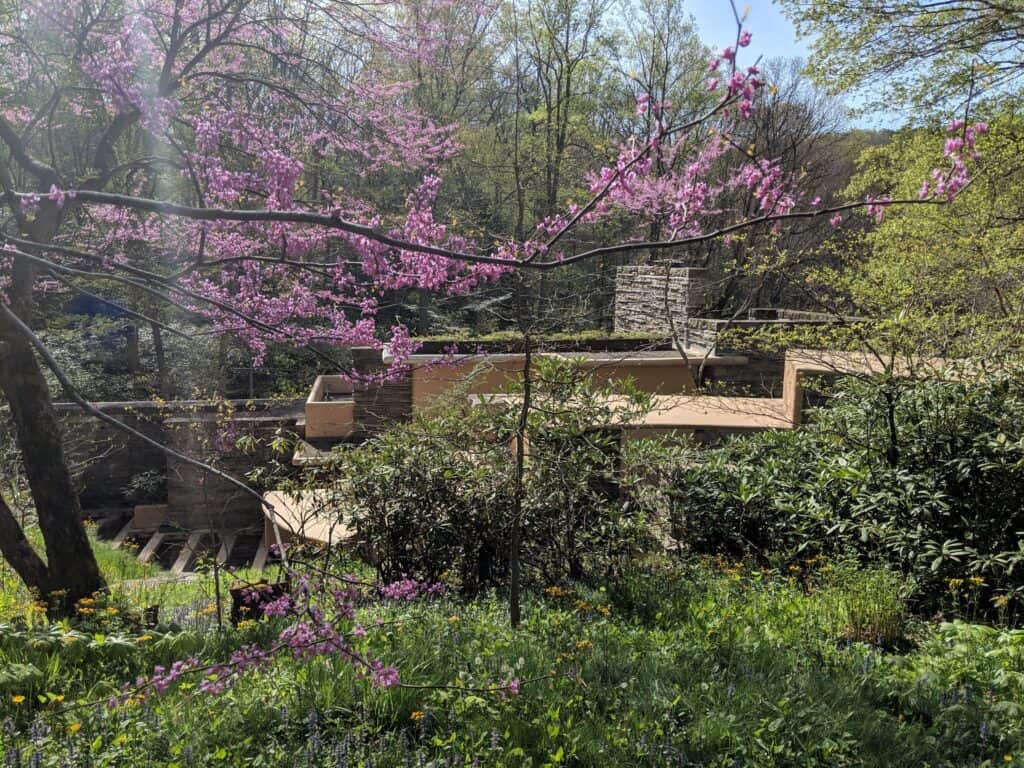
Located in the Laurel Highlands, Bear Run Nature Reserve is home to Frank Lloyd Wright’s Fallingwater as well as hemlock forest, winding streams, and beautiful wildflowers. Though it hosts an extremely popular tourist attraction, every other part of Bear Run feels remote. More than 20 miles of trails traverse the reserve, which also offers backcountry camping opportunities. Here, you can see special wildflowers like the dwarf larkspur, which is primarily found in the southwestern part of Pennsylvania rather than the rest of the state. Harbinger of spring and snow trillium are other wildflowers you’re most likely to see in western Pennsylvania.
Ricketts Glen State Park—Luzerne, Sullivan, and Columbia Counties
Ricketts Glen State Park might be best known for its nearly two dozen named waterfalls, but it’s also a wildflower hotspot in spring. The mossy, misty environment along the 7.2-mile Falls Trail System creates ideal growing conditions, and thanks to the cold and damp microclimate, flowers tend to linger longer here than in other parts of the state. In April and May, ephemeral color takes over the forest floor, where you might spot delicate spring beauty, bright marsh marigold along streams, the distinctive shape of Dutchman’s breeches, and several varieties of violet edging the trail.
Raccoon Creek State Park Wildflower Reserve—Clinton (Allegheny County)
Just 40 minutes from Pittsburgh, Raccoon Creek State Park Wildflower Reserve is one of the best places to see wildflowers in the western part of Pennsylvania. Roughly 5 miles of trails lead past ponds and streams and through oak and hickory forests, pine stands, and meadows where seasonal blooms flourish. After exploring the trails, visitors can stop at the site’s Wildflower Reserve Interpretive Center to learn more about the wildflowers that color the reserve, like blue-eyed Mary, a species less common in other parts of the state.
Peak bloom at Raccoon Creek is typically in late April through early May. Another wave of blooms takes place in late August through early September.
Rider Park—Trout Run (Lycoming County)
Rider Park in Lycoming County may make up more than 865 acres, yet the nature reserve is still something of a sleeper hit. However, the park’s 14 miles of trails through forests, along streams, and past cultivated meadows of native wildflowers are not to be missed. It also offers four vistas for breathtaking views of the scenery.
Spring ephemerals tend to bloom in late April at Rider Park, but the reserve is also known for a diverse array of pollinator-friendly wildflowers in the summer and fall.
Pine Creek Gorge—Wellsboro (Tioga County)
The Pine Creek Gorge, often called the Pennsylvania Grand Canyon, is a sight to behold at any time of the year, but the gorge bursts with wildflower color beginning in the spring. The first blooms usually emerge in mid-April and continue through the summer and fall. The gorge is a particularly good spot to see Pennsylvania’s state flower, the mountain laurel, as many trails are lined with the pink and white flowers in spring and through summer. For easy access to trails and overlooks, head to Leonard Harrison State Park or Colton Point State Park, which sit on either side of the gorge.

Your favorite Pennsylvania State Park
With more than 100 species of native wildflowers in Pennsylvania, you’ll likely spot blooms at any Pennsylvania State Park you visit. Plus, state parks often host guided hikes or other events to help you learn more about wildflowers and how best to spot them. As we get closer to spring, check the state park event calendar for wildflower hikes near you. For example, so far this season, wildflower walks are planned at York County’s Gifford Pinchot State Park throughout April and at Butler County’s Jennings Environmental Education Center in early May.