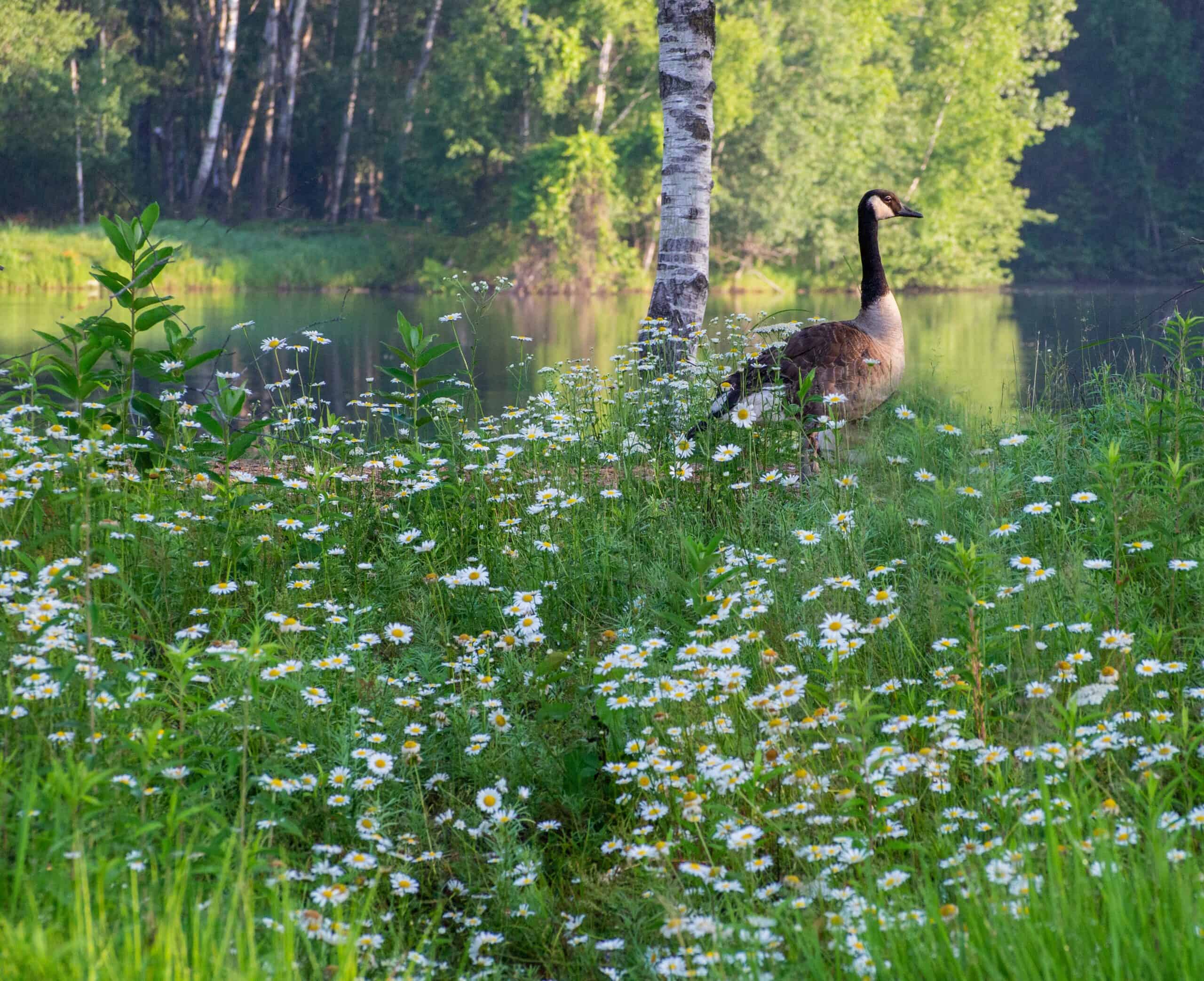
Wildflowers are popping up all over Wisconsin, and there are plenty of places to spot them. Here’s what you should know.
As the weather warms and winter changes into spring, it’s not just Wisconsinites that are emerging outside for the first time in months: Wildflower season is approaching.
According to the flower-identifying app Wisconsin Wildflowers, the state is home to more than 1,400 species of wildflowers, and unlike other seasons in the state, wildflower season is lengthy. It lasts for most of the year, with different naturally growing species popping up at various times from spring through fall. Starting around April, spring ephemerals can be seen in woodland areas, while wildflower-spotters can enjoy some species prairie flowers throughout the fall.
Here’s everything you need to know.
What are wildflowers?
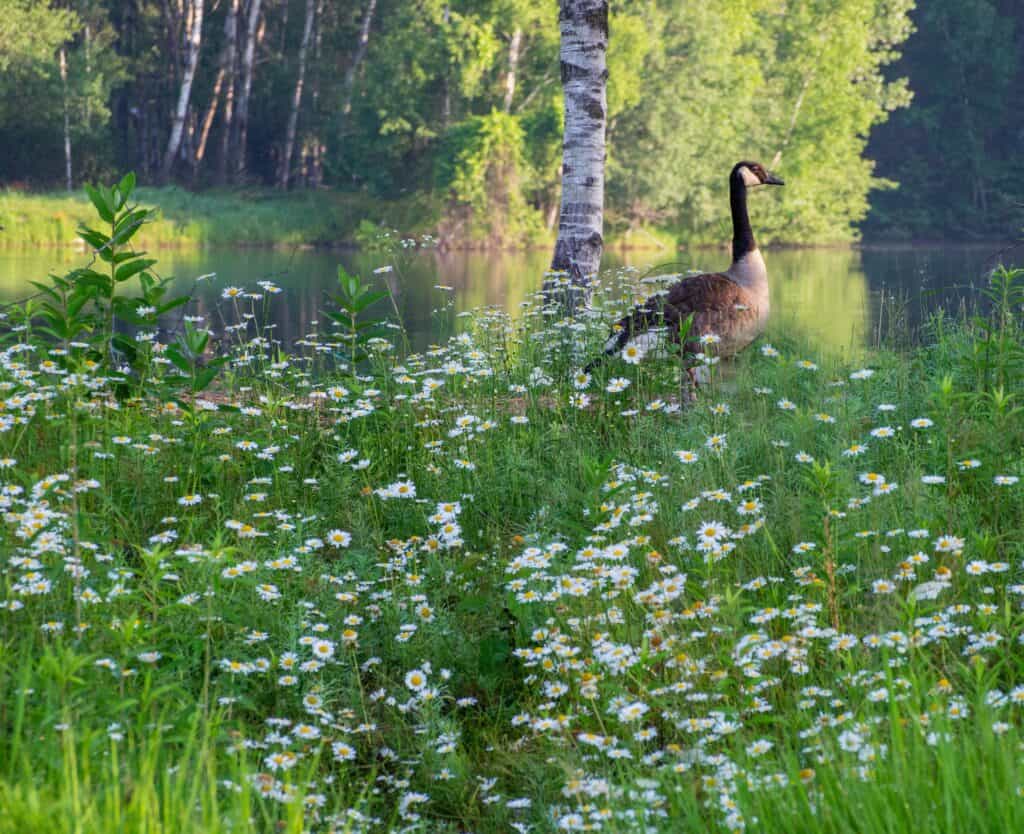
Unlike flowers that are planted in a garden, or in a yard, wildflowers grow in natural settings—like in forests or along waterfronts—and are grown without any human cultivation or planting.
What kind of wildflowers bloom in Wisconsin?
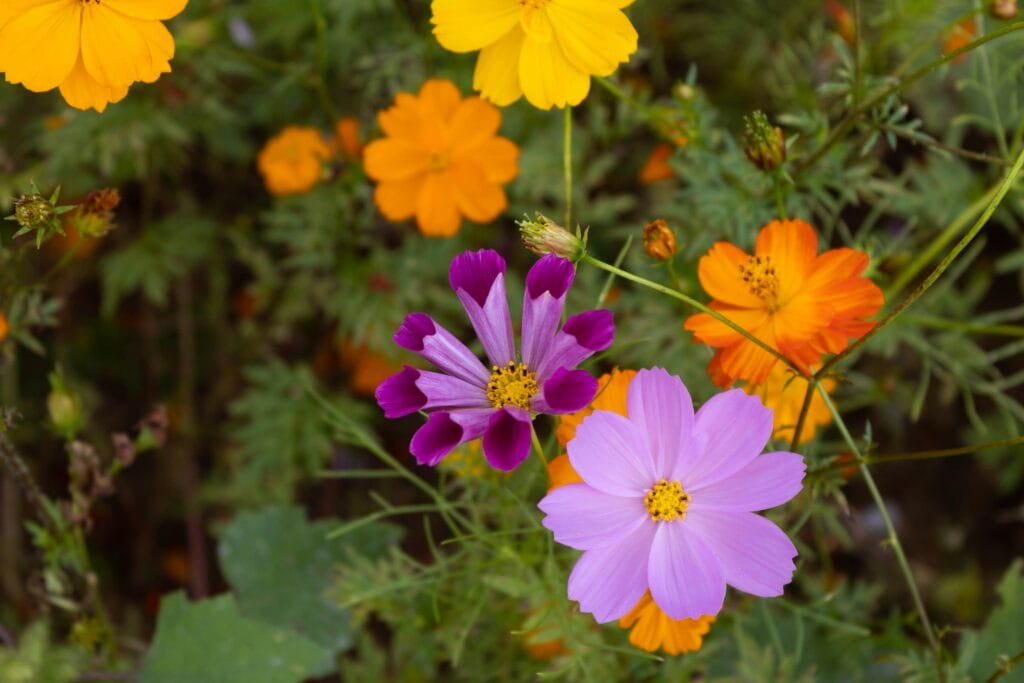
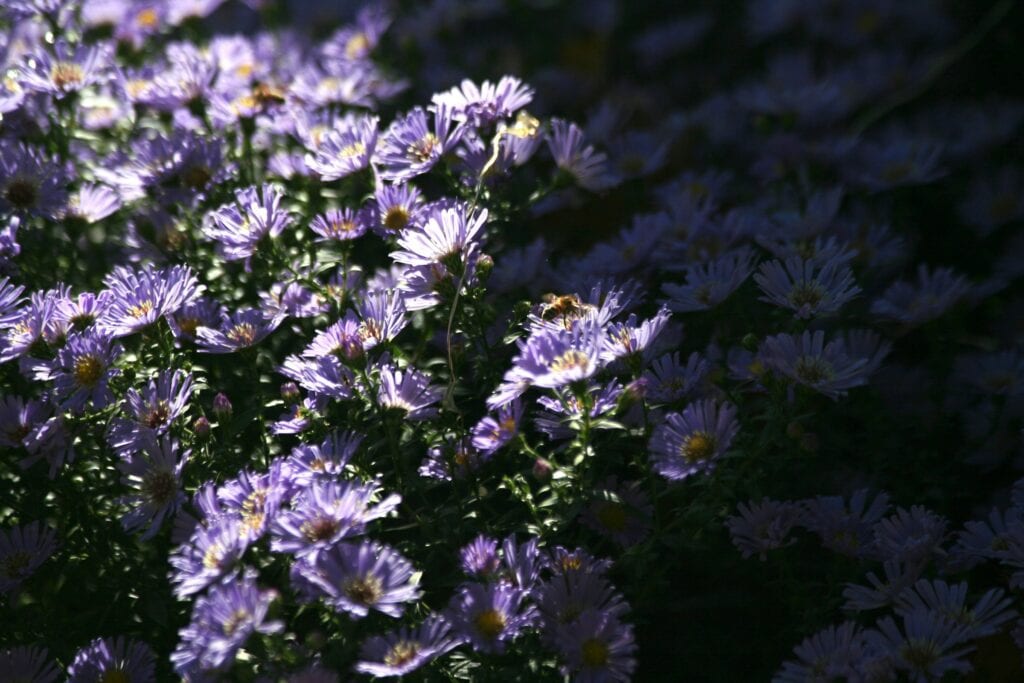
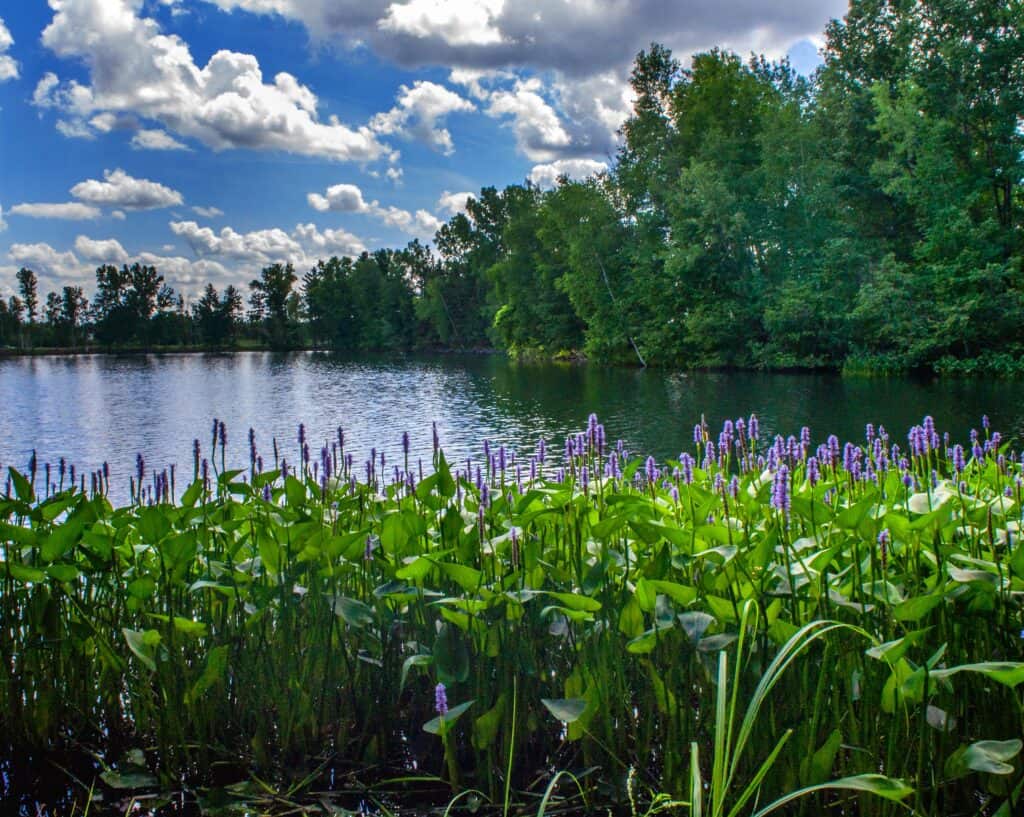
With numerous native species, Wisconsin is a wildflower-lover’s paradise. The state is home to an abundance of native flowers, including the goldenrod, common milkweed, and Wisconsin’s state flower, the wood violet.
What’s the best way to see wildflowers?
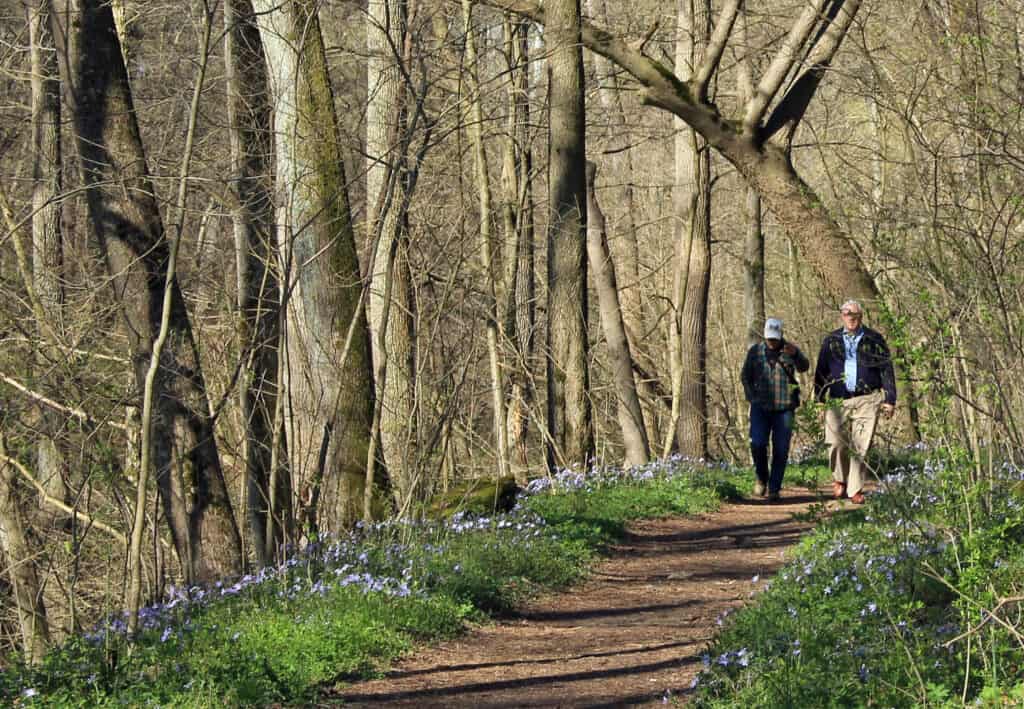
It’s not too difficult to come across wildflowers—the best way to do so is just by getting out in nature. Go on a hike, ride a bike, or enjoy relaxing in a park, meadow, forest, or by some wetlands, and it’s almost guaranteed that at least one of Wisconsin’s many wildflower species can be spotted.
What’s the best time of year to see wildflowers in Wisconsin?
Every year, wildflowers start blooming throughout Wisconsin in April and continue through the fall. While it’s possible to see wildflowers for most of the year, there are peak times to see flowers in specific settings. Woodland wildflowers can be found from mid-April throughout mid-May, while native plants in wetlands like bogs usually hit their peak bloom in June, according to On Milwaukee. Other wildflowers don’t hit their peak bloom until later in the year, with prairie wildflowers blooming in late summer and early fall.
Where can they be found?
One of the best things about wildflowers is that they grow in so many different places and can be found throughout the state. The best places to look for them are natural areas such as nature centers, state parks, and hiking trails. Here are some of the top spots.
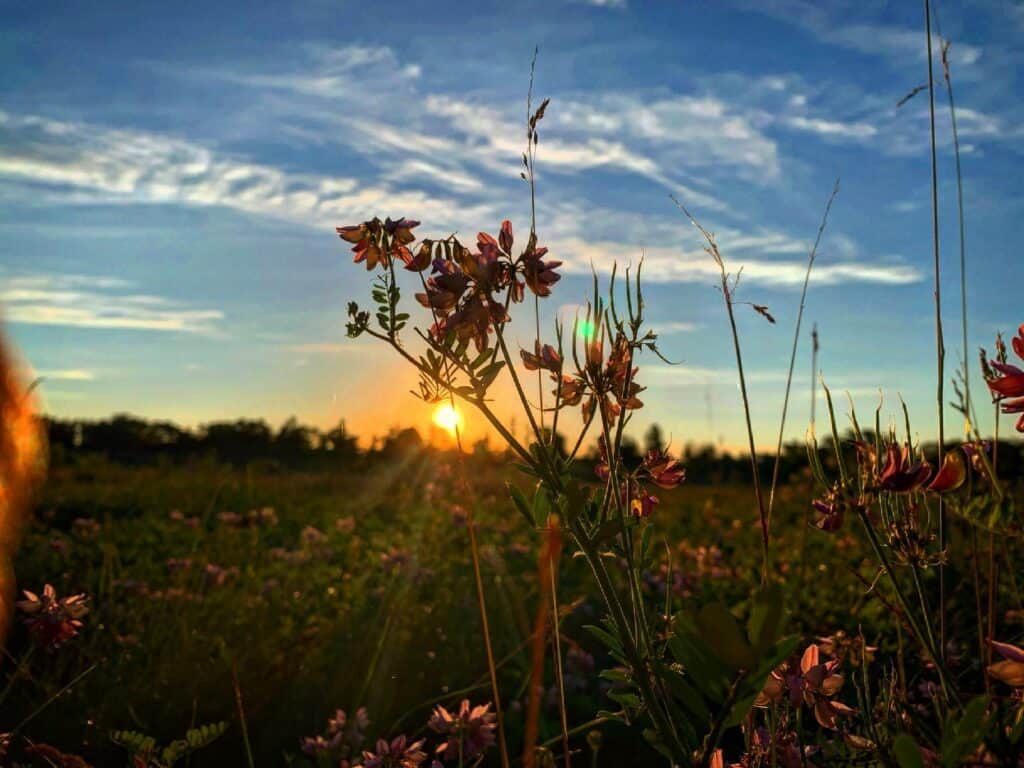
Hunt Hill Nature Center
N2384 Hunt Hill Road, Sarona
Since the early 20th century, the area around Hunt Hill Nature Center, in Sarona, has been protected for its natural beauty—first by the Andrews family, who owned two cabins on the property, which eventually grew to approximately 600 acres, then by the National Audubon Society. Now, the property is run as a nature center, with four different habitats that are ideal for checking out wildflowers.
The best way to do that is to hit some of the nature center’s hiking trails. Hunt Hill Nature Center has more than seven miles of hiking trails that travel through several different habitats, including the short Bog Trail, which is just 0.1 miles long, and allows visitors an easy way to see wildflowers as well as the smallest fern at the nature center: the oak fern. The best trail for wildflower-spotting, however, is the Vole Trail, which cuts through a wildflower-filled prairie and is 0.8 miles long.
Devil’s Lake State Park
S5975 Park Road, Baraboo
With approximately 2.5 million visitors per year, Devil’s Lake State Park is the state’s most visited state-run park. Visitors make their way to the park in droves for its hiking trails, camping sites, and its beautiful namesake lake, but there is another reason to visit the popular park: its abundance of wildflowers.
The park is home to at least 10 different wildflower species, according to the Devil’s Lake State Park Area Visitor’s Guide, including wild roses, spiderwort, and tall dogwood. The park has more than 29 miles of trails that run along its notable cliffsides and through meadows and wooded areas, which are likely home to several species of wildflowers.
The Ridges Sanctuary
8166 WI-57, Baileys Harbor
Surrounded by both Green Bay and Lake Michigan and filled with beaches, dramatic limestone cliffs, and lighthouses, Door County is well-loved for its scenic beauty. One thing that makes the peninsula extra beautiful from spring through fall is its numerous wildflowers, and a great place to see them is at The Ridges Sanctuary in Baileys Harbor.
The 1,700-acre sanctuary has been a protected area for nine decades, and houses a nature center, the Baileys Harbor Range Lights lighthouses, which are listed on the National Register of Historic Places, as well as several trails and a boardwalk that make for prime wildflower-spotting sites. While hiking the sanctuary’s trails to look for wildflowers can be done on one’s own, The Ridges Sanctuary also offers guided hikes, where naturalists can point out various blooms.
Chiwaukee Prairie State Natural Area
Al Kampert Trail, Pleasant Prairie
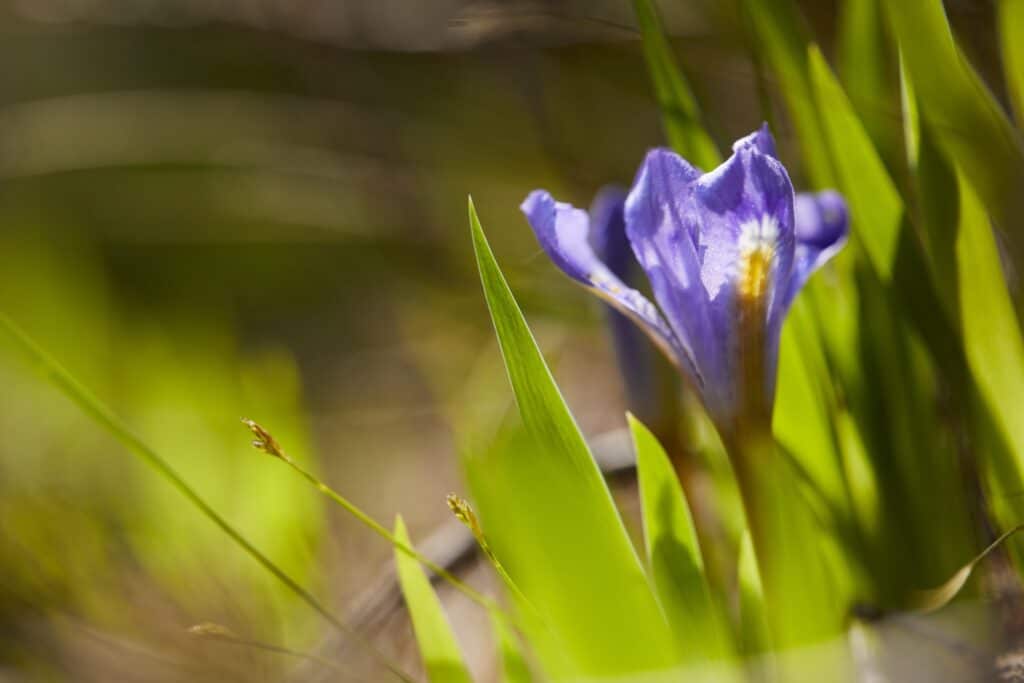
Chiwaukee Prairie State Natural Area in Pleasant Prairie is home to more than 400 different plant species, according to The Nature Conservancy in Wisconsin, including many wildflowers. The prairie, which sits on more than 400 acres, is open year-round for visitors, but thrives in the mid-summer and early fall, when wildflowers in the Chiwaukee Prairie State Natural Area are at their peak bloom.
Some of the wildflower species in the park include goldenrods, pink and purple shooting stars, and the endangered Eastern white fringed prairie orchid. Flowers bloom throughout the nature area until the first frost of winter, according to Visit Pleasant Prairie.
Cedarburg Bog State Natural Area
WI-33, Saukville
Taking up more than 2,200 acres in Ozaukee County, the Cedarburg Bog State Natural Area is the largest intact wetland complex in southeastern Wisconsin. It’s also a prime location for wildflower spotting. The natural area houses 23 species of orchid alone, according to Friends of the Cedarburg Bog.
While a lot of wildflower spotting is done on foot, Cedarburg Bog State Natural Area is more fun to explore by kayak or canoe, which can be launched from the natural area’s boardwalk.
Kettle Moraine State Forest
The best thing about hiking in the Kettle Moraine State Forest is that the forest is so expansive, so it’s possible to visit it to hike numerous times, but never cross the same trail twice. Spreading over more than 56,000 acres of the state, the State Forest is divided into a 30,000-acre Northern Unit and a 22,000-acre Southern Unit, as well as three smaller units.
One of the best areas for seeing wildflowers in Kettle Moraine State Forest’s Northern Unit is Kettle Hole Woods, a wooded area that has several ponds, as well as a heavy canopy of trees, where visitors can see wildflowers like bent trillium and violets.
Blue Hills Trail
Fire Lane Road, Weyerhaeuser
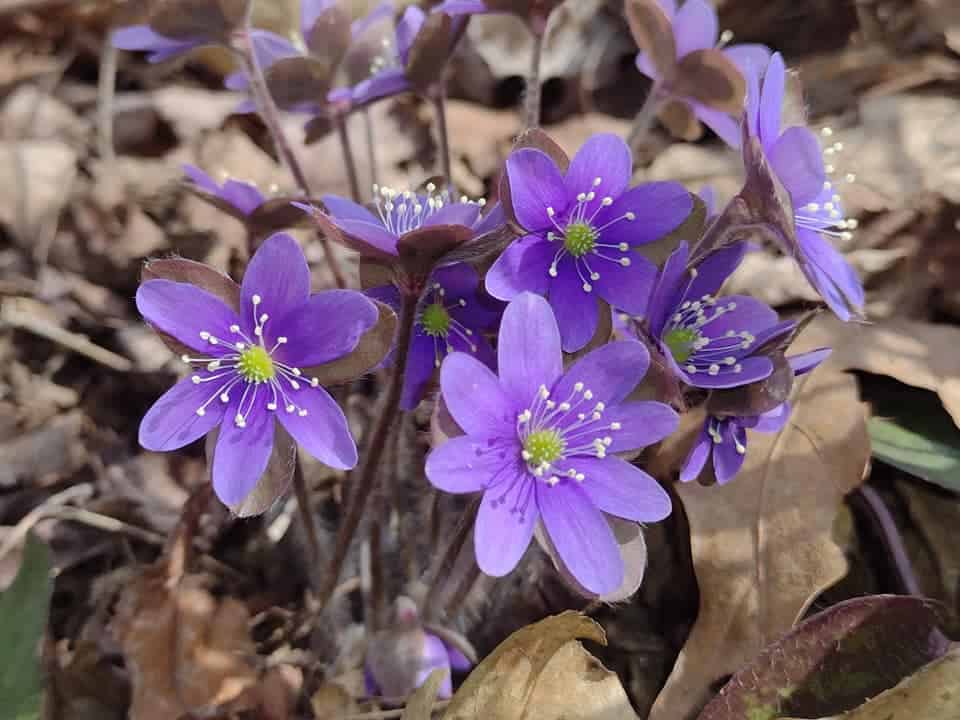
Blue Hills Trail is probably best known as a top-tier cross-country skiing locale, but when the weather warms and the snow melts, the area is still pretty great to visit, especially if visitors want to see wildflowers. Walkers and hikers aren’t allowed on the trails during the winter ski season, but can explore the area during the spring, summer, and fall, when wildflowers are blooming.
One of the flowers that visitors can see along the nearly 23 miles of trails is the bishop’s hat, which is grows in shady, rocky areas.
Schmeeckle Reserve
2419 North Point Drive, Stevens Point
The University of Wisconsin-Stevens Point campus isn’t like any ordinary campus. While most colleges and universities have some green space for students to lounge outdoors and enjoy nature, the University of Wisconsin-Stevens Point has the Schmeeckle Reserve, a 280-acre conservancy area. The reserve offers five miles of trails and numerous habitats where visitors can search for wildflowers.
The nature reserve also serves as the headquarters for the Green Circle Trail, one of the best locations to see native wildflowers in Wisconsin. The trail is 31 miles long, with 1.4 of the miles running through the Schmeeckle Reserve. Some of the wildflowers that can be found along the trail include wild geraniums, golden ragwort, and lupine.