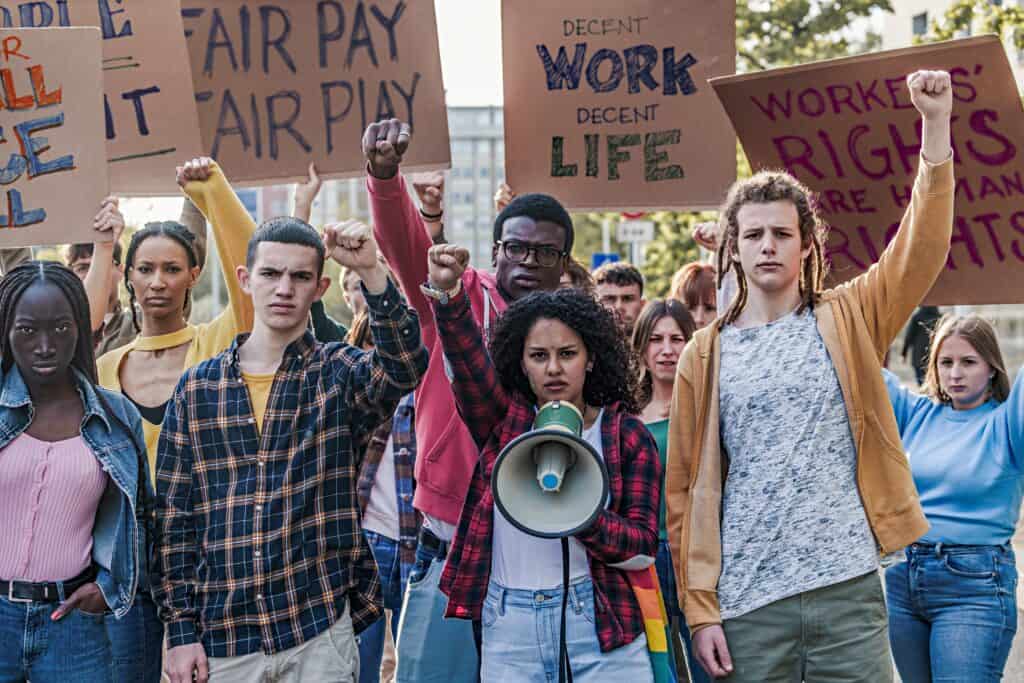
Labor reform and Michigan go hand-in-hand. Take a trip through history to explore the legacy of Michigan labor unions and their enduring benefits for workers.
Labor historians might argue that union organizing in the United States would not exist in its current form without the contributions of Michigan workers.
In fact, the efforts of the United Auto Workers (UAW) in the 1930s and beyond are widely credited as foundational elements for organizing among the broader American working class. The UAW has helped industrial employees achieve higher wages and safer workplace conditions across the board.
While the efforts of labor unions remain critical to supporting Michigan’s working class today, it’s important to look back at some of the labor movement’s most consequential moments. From hard-fought negotiations to strikes and marches, the legacy of labor organizing in Michigan is storied and bold. Here are five times labor unions made history in our state.
1. The Christmas Eve Massacre (1913)
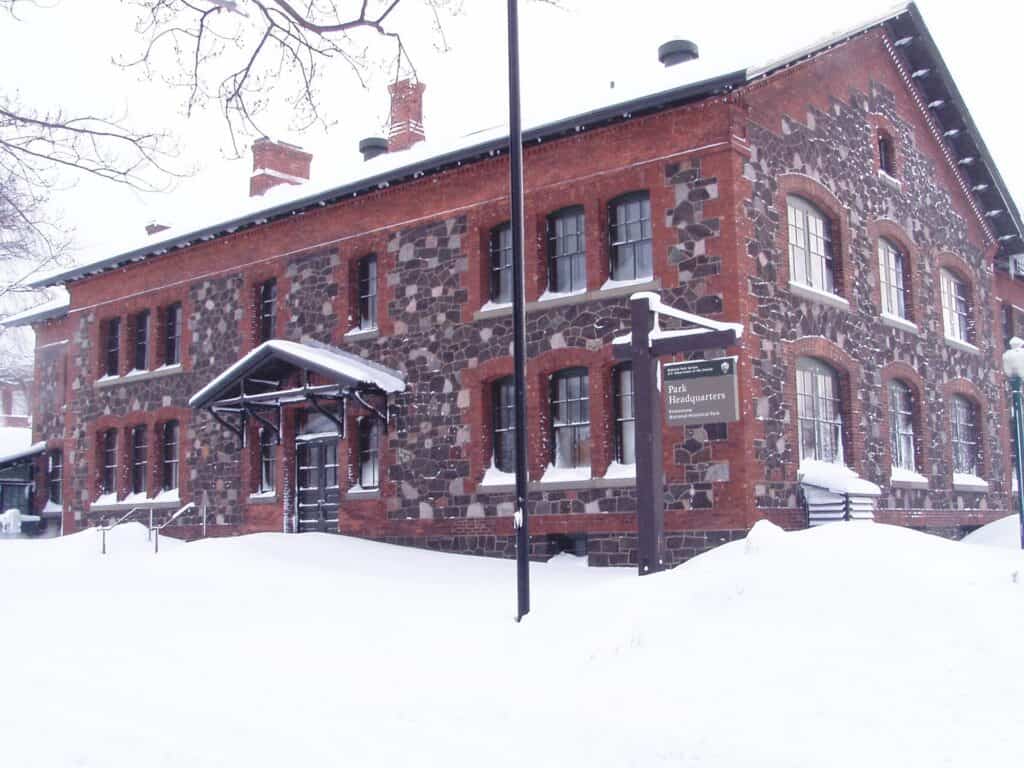
Labor organizing hasn’t always been pretty, and the 1913 Christmas Eve Massacre (sometimes called the Italian Hall Massacre) illustrates the historic dangers faced by workers who demanded improved conditions. In the Upper Peninsula mining town of Calumet, copper workers went on strike in 1913 to secure better wages and work conditions in the mines.
On Christmas Eve, a large group of striking miners had gathered with their families to celebrate the holidays when a false call of “Fire!” sparked a stampede. As families struggled to escape the building, more than 70 people died—including 59 children.
While neither a culprit nor a motive was ever officially identified, some locals insisted that the false call was issued by an anti-union activist who wanted to target striking copper miners and their loved ones. The strike itself didn’t conclude until April 1914, but the tragedy in Calumet garnered national attention for the labor movement and bolstered public knowledge of poor working conditions in mines.
2. Flint Sit-Down Strike (1936-37)
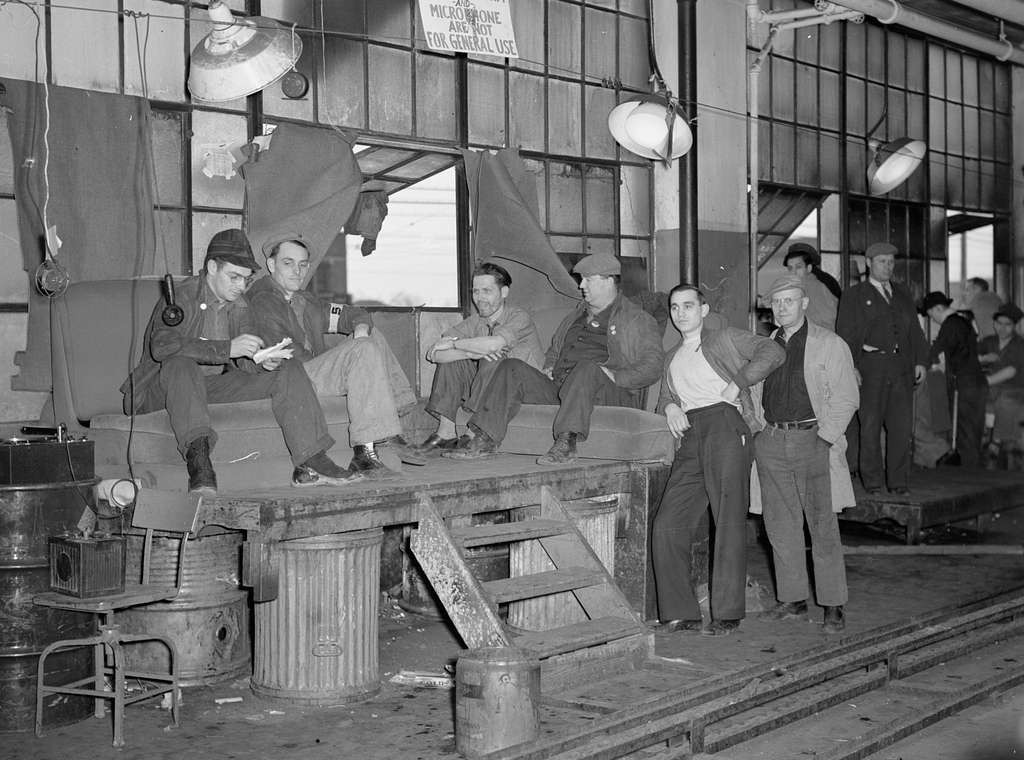
The strength of the UAW as we know it can be traced back to the Flint Sit-Down Strike of 1936-1937, when workers at a Flint-based General Motors plant organized a “sit-down strike.” A sit-down strike differs from a traditional strike in that employees physically take over the building, prevent officials from entering, and essentially occupy the workspace until demands are met.
The 44-day strike persisted with help from multiple systems: Workers were provided with food from community businesses, a mini “government” was established within the plant, solidarity protestors supported strikers from outside, and would-be picket-line crossers were blocked from coming inside to resume production for GM. And the strike didn’t end in Flint, as auto plant workers in other states quickly followed suit with their own sit-downs.
Despite violent police resistance that disrupted the strike on multiple occasions, union workers held the line for over a month until GM agreed to bargain with the UAW. The resulting agreement included increased wages, rehiring of striking workers, and new allowances for employees who wanted to openly discuss union involvement during work breaks or wear buttons representing their union membership.
The impact of the Flint Sit-Down strike was monumental. It legitimized the UAW as a strong coalition of workers and sparked a massive upturn in membership, with the union growing to more than 400,000 in the year following the strike. Perhaps most powerfully, it illustrated the collective strength of working-class Americans in the fight for labor protections.
3. Battle of the Overpass (1937)
In the wake of the Flint Sit-Down Strike, tensions escalated between the UAW and Ford Motor Company, whose leaders seemed fearful that workers might organize in their facilities like they had at General Motors. These tensions reached a breaking point in May 1937, when Ford representatives caught wind of UAW members planning to hand out pro-union leaflets on a Dearborn overpass near the local Ford factory’s front gate.
These efforts were met with violence when Dearborn police officers and Ford security guards confronted and attacked UAW members on the overpass. Union members were beaten, punched, and kicked by their attackers, who would later attempt to destroy photographic evidence of their actions. While there were no fatalities, more than a dozen injuries were reported, and one UAW representative suffered a broken back.
A photographer from the Detroit News salvaged some photos from the event, which provided evidence of the conflict and were promptly published in newspapers across the country. While the Battle of the Overpass did not directly lead to bargaining between Ford and the UAW, it bolstered public support for unions and set the stage for future action.

4. Ford Rouge Strike (1941)
It wasn’t until 1941 that Henry Ford and his company would finally recognize the UAW.
In April of that year, thousands of auto workers from the River Rouge plant in Dearborn staged a sit-down strike within the facility following the firing of several union members. The strike was further propelled by Ford’s long holdout in recognizing the legitimacy of the UAW, making it the last of Michigan’s “Big Three” automakers to do so.
Workers’ occupation of the sprawling 1,000-acre factory complex lasted for ten days, culminating in a signed contract from Henry Ford. Locals and union members’ families celebrated widely when the strike concluded, particularly because fired workers were rehired (and awarded backpay) and industry-high wages were adopted.
The contract also established a “closed shop” system at Ford, which meant that all hired workers were required to be UAW members. With the conclusion of this agreement, the UAW had established contractual protections across the board at Michigan’s Big Three.

5. UAW “Stand-Up” Strikes (2023)
While the early days of the UAW are the most widely acknowledged moments in Michigan labor history, organizing didn’t end in the 1930s and ‘40s. In fact, the UAW continued its long legacy of fighting for workers’ rights in 2023 with a series of “Stand-Up” strikes against the Big Three (Ford, GM, and Stellantis) in September and October.
The strike was unique in its unpredictability. UAW organizers chose to target specific plants and gradually expand the number of strikers, so no one location could be completely certain about which factory would be affected next. This allowed strike funding to be preserved and highly profitable locations to bear the brunt of initial worker walkouts, which built pressure for company representatives.
The strategy worked. After 46 days, representatives from the Big Three agreed to contractual changes that included wage increases of 25%, adjustments for cost-of-living expenses, and the elimination of wage tiers (structured payment systems that provide different pay rates for employees based on factors like hiring dates and previous job experience).
This “Stand-Up” success reminded Michiganders that labor unions must continuously push for the rights of their workers, despite massive gains in workplace protections since the early days of unionization. It also added another triumphant chapter to the history of labor reform in Michigan, further solidifying our state’s status as a model for hard-fought organizing.