A shrinking Great Salt Lake is impacting the health and future of Utah—and the effects will stretch far beyond the state’s borders.
In 1983, there was too much water in the Great Salt Lake. The flooding of the lake and the surrounding wetlands are central motifs in Terry Tempest Williams’ beloved memoir, “Refuge: An Unnatural History of Family and Place.”
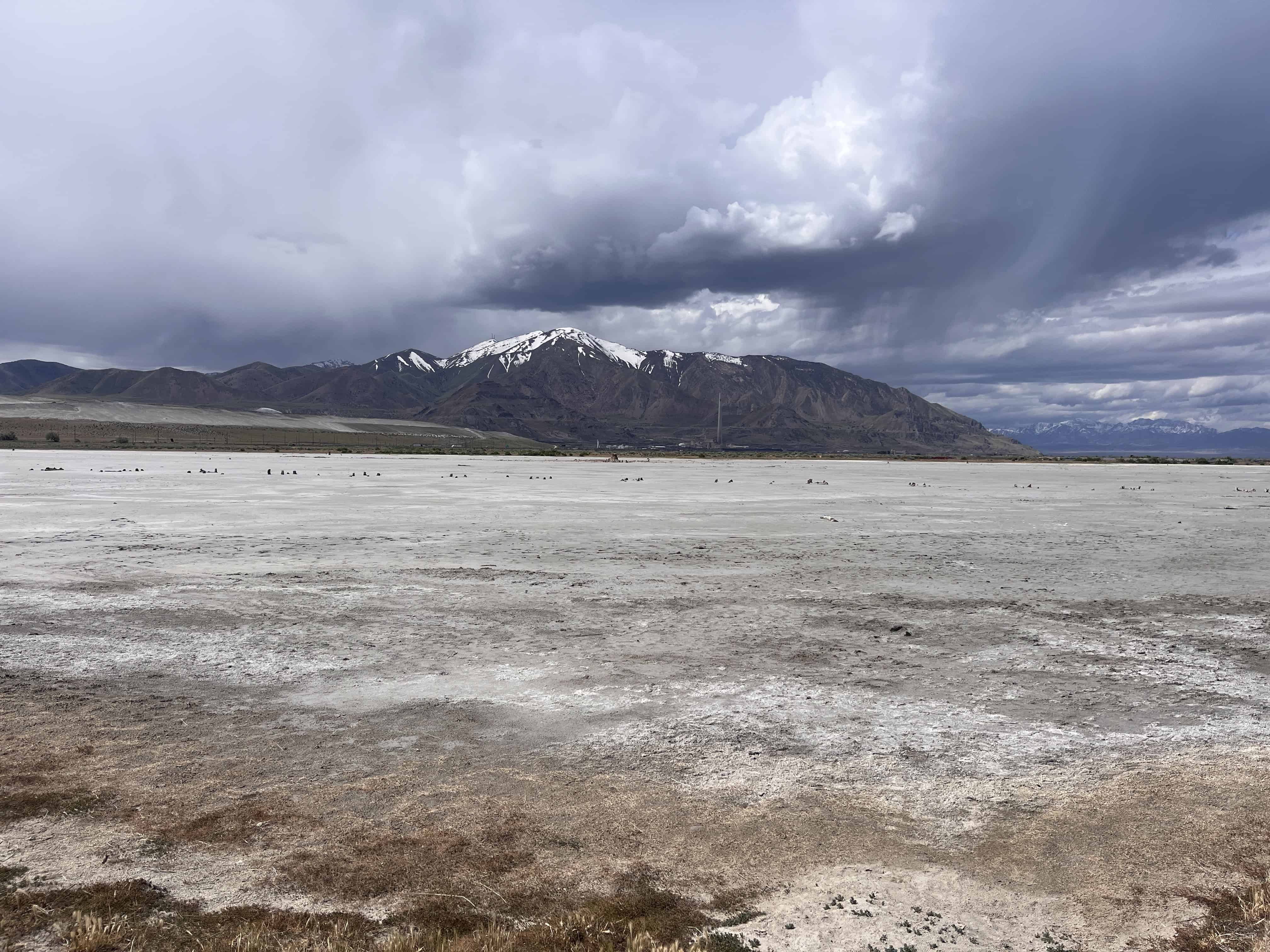
Decades later, Utah faces the opposite problem, one that is, arguably, more dire: the lake is drying up. Local environmental group Grow the Flow recently took out a billboard to alert Utahns that the lake is currently at only 29.7 percent of its capacity and is closer than ever to collapse.
A new documentary, “The Lake,” looks at the Great Salt Lake through the eyes of three scientists studying its decline and raising the alarm about its health, and concludes that the lake’s collapse is imminent—but not inevitable. Here are some reasons why Utahns are fighting to save it.
1. Toxic dust clouds
The Great Salt Lake was described earlier this year by the New York Times as an “environmental nuclear bomb.” As the article noted, the exposed lakebed contains heavy metals and metalloids, including arsenic, lead, and antimony, that get whipped up into dust storms that blow into the Salt Lake Valley, home to 1.23 million people.
That contaminated dust, which often hangs in the air for up to two weeks, is currently impacting human pulmonary health. And as Utah State University researchers found, it’s also finding its way into human bodies through water and food, including produce grown in “40 community gardens, countless backyard gardens and small farms, and around a dozen farmers markets where locally grown vegetables are distributed.”
Though this issue, and its impact on human health, has perhaps drawn the most attention to the lake’s decline, it’s not just human beings that are feeling the effects.

2. Harm to wildlife
In one of the most shocking sequences from “The Lake,” biologist Bonnie Baxter visits Gunnison Island and finds dead pelicans at every step. What was once a thriving colony of white pelicans—one of the largest groups in North America—collapsed in 2023.
As the Center for Biological Diversity has noted, the lake is a crucial stop on the Pacific Flyway and supports 12 million migrating birds across 250 species, including eared grebes and the endangered Wilson’s phalarope.
The lake is also home to 64 kinds of animals and a specific crustacean: brine shrimp, known commercially as sea monkeys. Salinity spikes have led to die-offs of brine shrimp, a crucial food source for migrating birds. About 95 percent of all eared grebes in North America stop over at the Great Salt Lake every year. With the loss of protein-rich adult brine shrimp, many have been starving to death.
Native birds are impacted, too, including a loss of eggs to predators as wetlands shrink. The degradation of the lake’s surrounding wetlands is also worsening the encroachment of invasive phragmites grasses, and mammals like bison and pronghorn are suffering due to stress, dehydration, and habitat loss.
3. Blows to the economy and the housing market
As awareness grows of the toxic dust clouds blowing in from the lakebed, many people living in the Salt Lake Valley—especially those with young children—are deciding to move out of state. As a recent University of Utah study discovered, anxieties around the lake are high: nearly 70 percent of those surveyed expressed concern about the lake’s impact on wildlife, human health, and quality of life.
University of Utah economics professor Dr. Albert Garcia told PBS Utah that “the effects of dust right now are around thirty million dollars, but we expect those to rise in the future, based on projections for Utah’s demographic population,” adding that he saw the costs approaching a billion dollars.
Should the lake continue to dry up and fully collapse, the prognosis is dire. As the Great Salt Lake Collaborative noted, that would result in “billions in damage over time to the outlook as well for property values along the Wasatch Front, tourism, the ski industry, health insurers, the ability of Utah‘s technology sector to recruit vital talent and far beyond.”
4. Impacts on the food supply chain
Not only is the dust from the exposed lakebed contaminating crops, but the decline of the lake’s health—and the health of the tiny brine shrimp that call the lake home—could potentially destabilize the entire global fishing industry.
Nearly 50 percent of the world’s brine shrimp supply comes from the Great Salt Lake, including the animals’ eggs, known as cysts. As “accidental sea monkey lawyer” Tim Hawkes, counsel for the Great Salt Lake Brine Shrimp Cooperative, told Fox 13 news, those shrimp and their eggs support “an estimated ten million metric tons of seafood and a lot of family-owned fish farms in countries from Africa and Asia to South America.” If the Great Salt Lake collapses, it could not just mean less and more expensive fish in Utah—it would mean the same nationally. And it could destroy the livelihoods of fish suppliers all over the world, many of them small and family-owned.
5. Overall quality of life decline
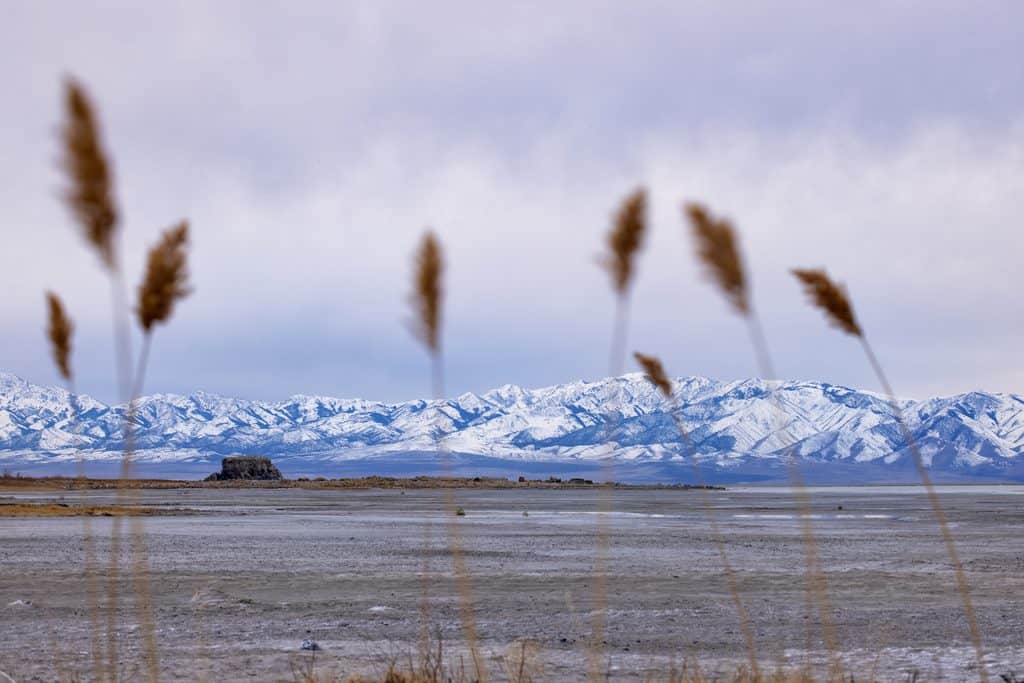
The Great Salt Lake’s decline is already affecting Utahns. This spring, sailboat owners were forced to remove their vessels via crane due to low water levels at the marina. During every strong windstorm, people living in the Wasatch Front breathe dust contaminated with toxic materials, including arsenic, lead, uranium, cadmium, and antimony, and knowing that creates constant anxiety.
The lake’s beaches have receded so far that swimmers who once loved to float in the saline waters of “Utah’s Dead Sea” now don’t bother. The shrinking waters have also had an impact on the ski slopes—about 10 percent of the state’s snowpack is created through the lake effect, and combined with drought, the Great Salt Lake’s shrinkage significantly reduces snowfall.
As Grow the Flow points out, no inland saline body of water has come so close to collapse and recovered; it cites Owens Lake in California as an example. Though the lake is drying up due to drought and climate change, its declining levels are, as most experts point out, largely due to human overuse—something that the state has the power to change. In 2023, the State of Utah formed a commission to save the lake, which is currently led by conservationist Hannah Freeze.
The state recently released 3.26 billion gallons of water into the lake from Willard Bay to help support migrating birds this fall, and a group of runners and cyclists recently made a five-day, 260-mile loop around the former shoreline to raise awareness of “where the water was.”
As “Where the Water Was” event organizer Dakota Jones told KSL News, “This run was never about one person doing hard things; it’s about getting a lot of people who live here to work together for a hard thing. That’s what we’re doing for the run, and that’s what we have to do to save the lake.”