Honor the heritage of Michigan’s Indigenous communities by visiting historic sites, museums, and natural attractions.
November is Native American Heritage Month in the United States. Here in Michigan, the occasion is acknowledged statewide with events like film screenings in Ann Arbor and beadwork workshops in Grand Rapids. Michigan has a rich Indigenous heritage that extends into every corner of the state, from the waters of Kitch-iti-kipi to our beloved Sleeping Bear Dunes and its enduring Ojibwe legend of Mishe Mokwa (Mother Bear).
Throughout this piece, you’ll find references to Anishinaabek. This term translates to “original people” or “the good humans” and is used broadly to encompass multiple Indigenous nations across the Great Lakes region of the United States and Canada. These nations include the Ojibwe (also called Chippewa), Potawatomi, the Odawa, and others. Anishinaabemowin is the group’s language, and Anishinaabe is typically used as a singular form of Anishinaabek.
An estimated 240,000 Michigan residents are of Indigenous or Alaska Native descent, many of them members of the Chippewa, Odawa, and Ojibwe nations. There are three state-recognized and 12 federally recognized Tribal governments in Michigan—so to call Indigenous heritage a central part of our state’s past would be an understatement. In fact, Indigenous people are the heart of Michigan, and their land is the soul of our state.
Here are six of our favorite places to learn more about Michigan’s Indigenous history.
1. Sanilac Petroglyphs Historic State Park
8251 South Germania Road, Cass City
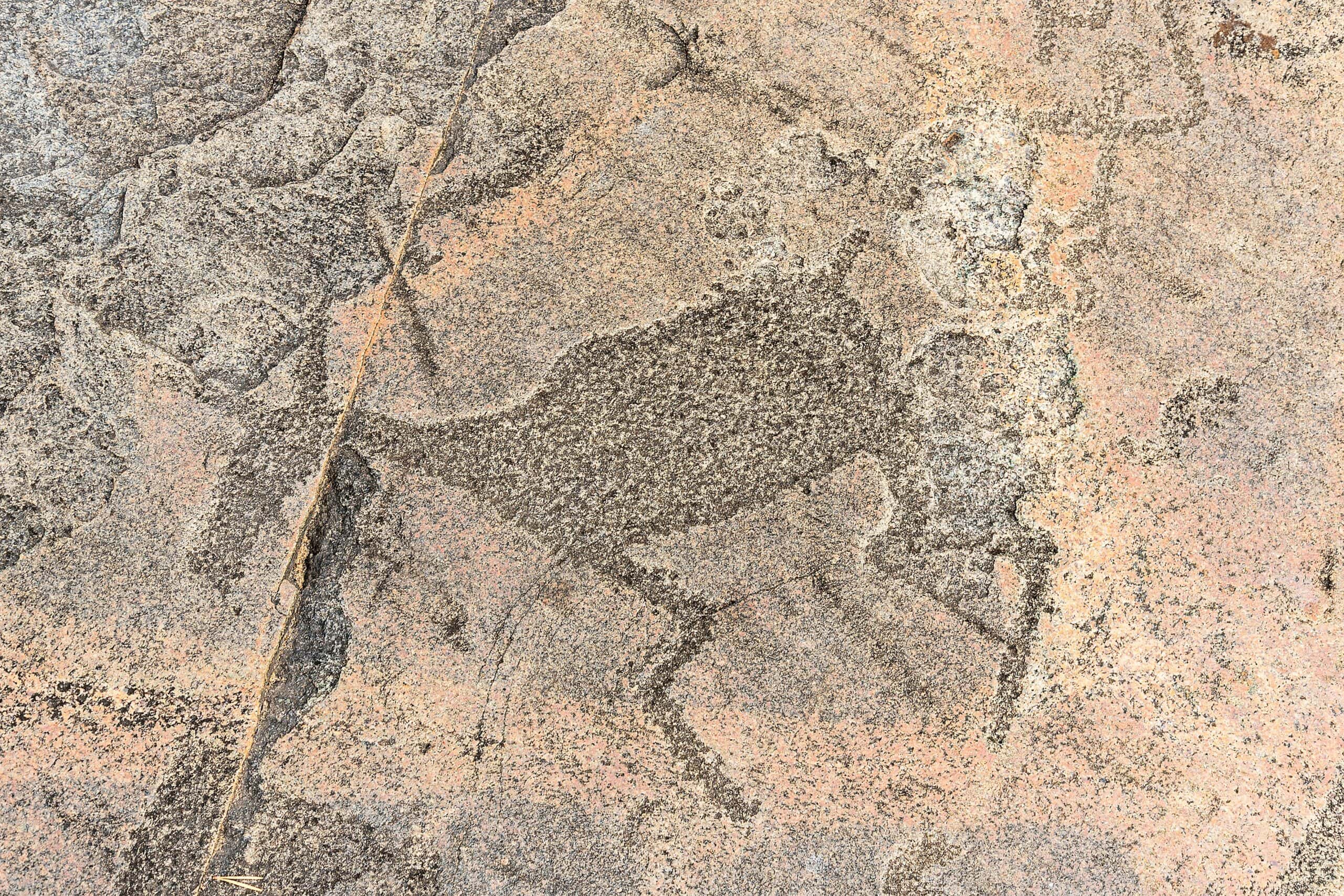
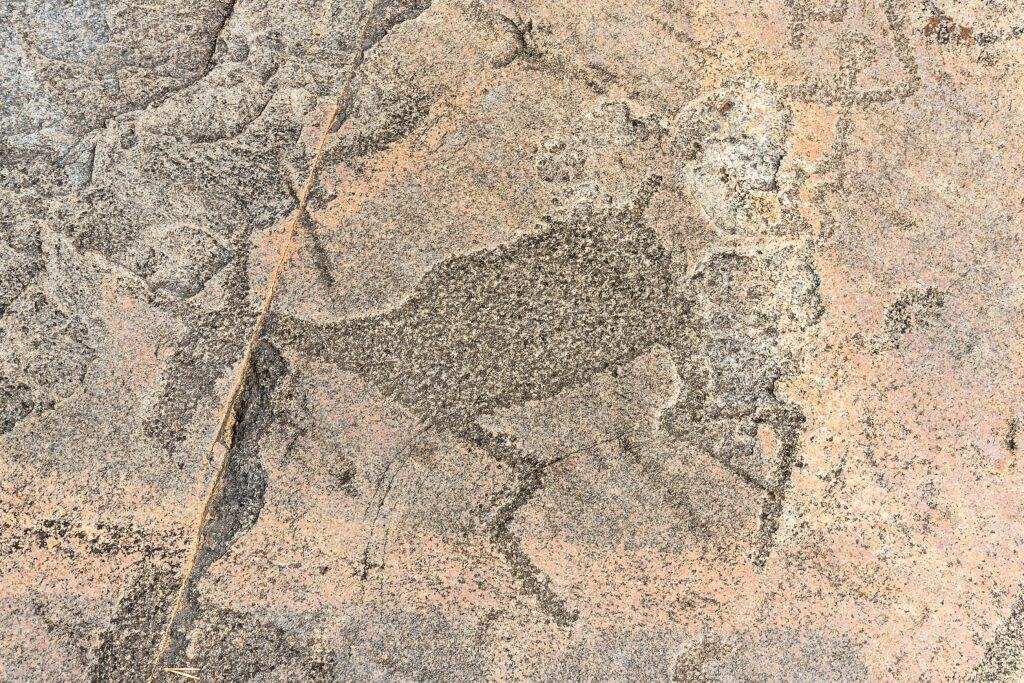
Venture to Cass City and visit Sanilac Petroglyphs Historic State Park, where a fascinating collection of Indigenous stone engravings (known as ezhibiigaadek asin, which translates to “written on stone”) offer insight into the region’s rich history. Estimates place the carvings, which depict spiritual and cultural teachings, at anywhere from 300 to more than 1,000 years old.
The park’s 240 acres sit along the Little Cass River and hold cultural significance to the Anishinaabek. The Saginaw Chippewa Indian Tribe of Michigan jointly manages the land alongside the state.
It’s important to note that the petroglyph viewing area is only open seasonally from May through early September, so plan your visit for spring if you want an up-close look at the carvings. However, the park remains open year-round and offers a loop hiking trail to help you connect with the land and its history.
2. The Ziibiwing Center
6650 East Broadway Road, Mt. Pleasant
It’s no secret that Mt. Pleasant offers many homages to Anishinaabe heritage. Managed by the Saginaw Chippewa Indian Tribe and located just outside of town, the Ziibiwing Center is also affiliated with Central Michigan University’s Office of Indigenous Affairs and features an array of exhibits detailing the area’s earliest history.
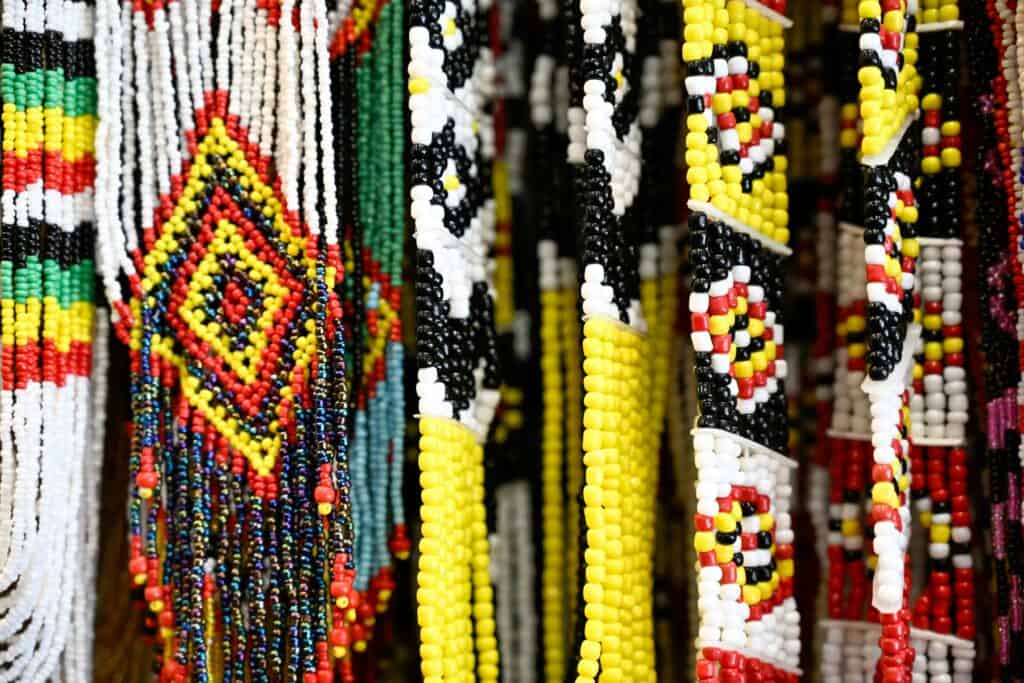
When you stop by, you’ll see everything from beadwork and sacred ceremonial objects to photographs and artwork depicting the cultural practices of Michigan’s Indigenous nations.
Admission for self-guided tours is $12 for adults, $8 for seniors and children between 5 and 17, and free for kids age 4 and under. Group rates are available for guided tours, and parking is free.
3. Headlands International Dark Sky Park
15675 Headlands Road, Mackinaw City
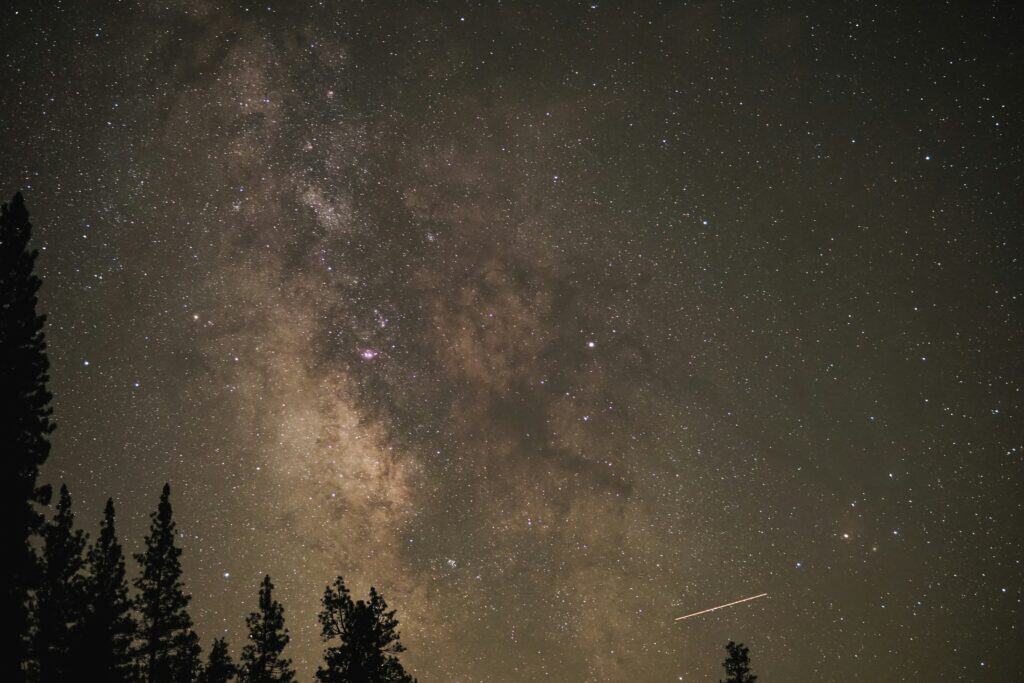
When Headlands earned its dark sky designation in 2011, it was only the ninth such park in the world. Today it’s still Michigan’s only International Dark Sky Park. Headlands International Dark Sky Park is just what it sounds like: an area of more than 600 acres specifically designed to offer “exceptional starry skies and natural nocturnal habitat where light pollution is mitigated and natural darkness is valuable as an important educational, cultural, scientific and natural resource,” as defined by DarkSky International.
What does this have to do with Indigenous heritage? The region’s early people—as with many Tribal communities—looked to the starry night sky as a source of wisdom, information, and inspiration. The Odawa people of Northern Michigan were no exception.
When you visit Headlands, you’ll find exhibits detailing the “star lore” of Indigenous people from the area, along with audio components offering further insight into how the sky has been interpreted throughout the centuries.
The park and night sky viewing area remain open 24 hours per day, 365 days per year. You won’t be allowed to bring flashlights or cell phones into the dark sky viewing area if you choose to stargaze, though you can purchase red-filtered flashlights on site to help guide your visit. Admission is free.
4. Kitch-iti-kipi
Sawmill Road, Manistique
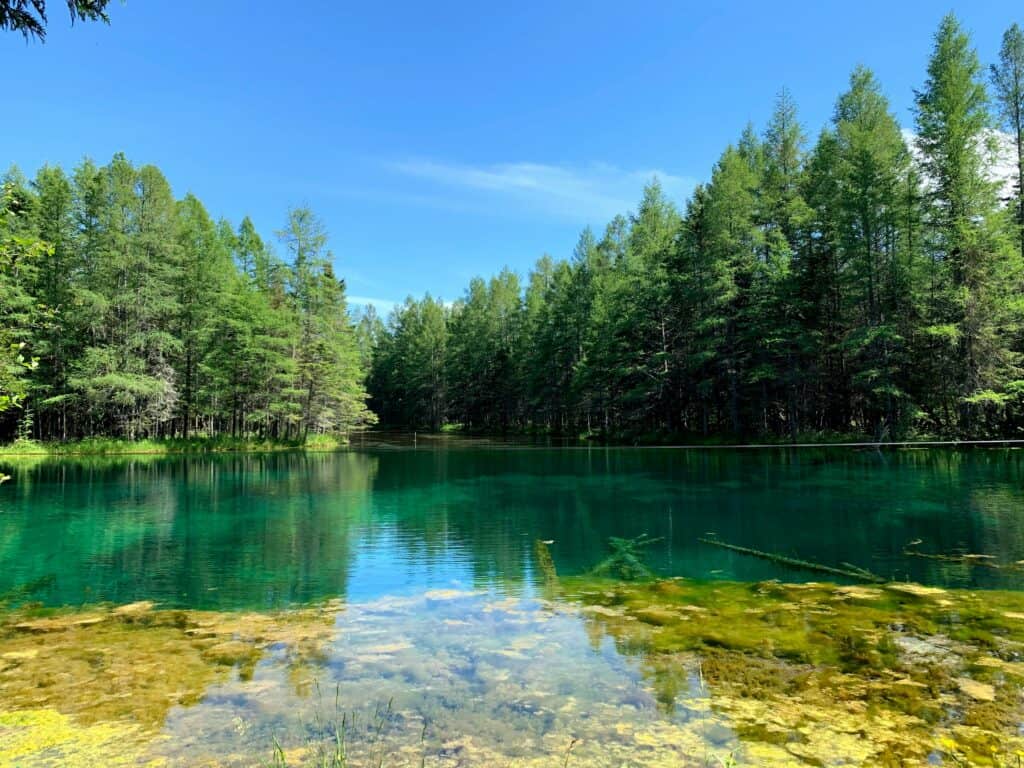
Within Palms Book State Park near Manistique, you’ll find one of Michigan’s most enchanting natural wonders: Kitch-iti-kipi, which is said to translate roughly to “big cold spring” or “the Big Spring” in the native Ojibwe language. Other interpretations include “The Great Water” and “The Blue Sky I See.”
If you’ve never stopped at this gorgeous freshwater spring—the largest of its kind in the state—prepare to be awed by its vibrant blue water, surrounding forest, and serene atmosphere. The spring looks like something out of a fairy tale, and a viewing raft lets visitors get an up-close look.
While admission to the spring itself is free, you’ll need to buy a pass or use your Michigan Recreation Passport to enter Palms Book State Park.
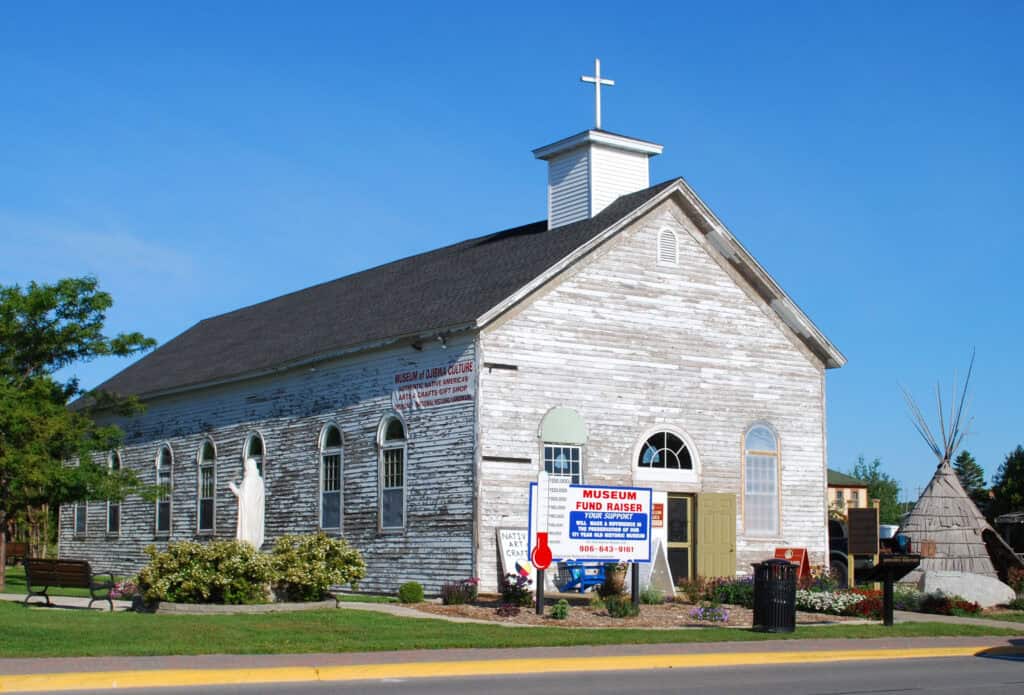
5. Museum of Ojibwa Culture
500 North State Street, St. Ignace
While it closes for the season beginning November 1, the Museum of Ojibwa Culture in St. Ignace is worth adding to your Michigan bucket list for future family outings. Off-season tours are also available by appointment; call 906-643-9161 or 906-430-7350, or email twyers@cityofstignace.com to book.
Located on the shores of Lake Huron, this space pays homage to the region’s earliest peoples while detailing the arrival of European settlers along the Straits of Mackinac—a complex and fascinating history.
As you stroll through the museum, you’ll find everything from cultural artifacts to multimedia presentations and even a traditional longhouse that offers insight into the living conditions of early residents.
Throughout the year, events are commonplace here: Rendezvous at the Straits Powwow and Indigenous Art Fair is one annual gathering, while the St. Ignace Native American Festival brings Michiganders together every year to honor the traditions of the Anishinaabe.
Admission to the museum is donation-based.
6. River Raisin National Battlefield Park
333 North Dixie Highway, Monroe
It’s impossible to discuss Indigenous heritage in Michigan without addressing some of the uglier parts of our state’s ties to Tribal Nations. River Raisin National Battlefield Park in Monroe marks the site of the Battle of Frenchtown, fought as part of the War of 1812.
During the military clash, American troops fought against British soldiers and the Indigenous allies. Americans sought to take control of the land that makes up modern-day Detroit and set the stage for forward movement into Canada.
The British, who were occupying the land, were supported by Indigenous people who sought to protect and recover some of their native lands and retaliate against American troops, some of whom had devastated Tribal communities in the region.
The results were bloody and brutal. Americans lost nearly all of their troops—1,000 soldiers had shown up for battle, and 400 were killed. Over 500 were captured and kept as prisoners, with only a few escaping. There were Indigenous and British casualties, too, and the site serves as a modern-day reminder of the horrors of war.
According to the National Park Service (NPS), “the Aftermath of the Battles of the River Raisin directly influenced the forced removal and relocation of every Native Nation in the United States and continues to impact Tribal Nations today through the lingering impacts of forced removal and relocation.”
Michigan territorial governor Lewis Cass used the conflict to discredit those who believed in humane treatment of Indigenous communities. Later, as Secretary of War under President Andrew Jackson, NPS said Cass “was personally responsible for the implementation of the Indian Removal Act throughout the continental United States,” a devastating process whose implications are still visible today throughout the region.
When you visit, walk the battlefields and check out the on-site visitor center to learn more about the conflict and its aftermath. Park grounds are open year-round, and admission is free.