Throughout Alaska, invasive plants, animals, and aquatic species are harming ecosystems. Learn how you can help protect Alaska from these invasive species.
Invasive species can be animals, plants, or aquatic species, and each can harm the ecosystem.
According to the U.S. Department of Agriculture, Alaska has more than 340 species of invasive plants alone. The Alaska Center for Conservation Science at the University of Alaska Anchorage maintains a list of non-native plant species that have been found on the state’s public lands—outside of gardening and landscaping areas—since 2002. Species receive a score of 0 to 100 for invasiveness, accounting for everything from how the plant responds to control efforts to its potential to harm ecosystems.
Read on to learn about a few of Alaska’s invasive plants, animals, and aquatic species, as well as what you can do to help protect the state.
Watch out for these invasive species in Alaska
Oxeye daisy
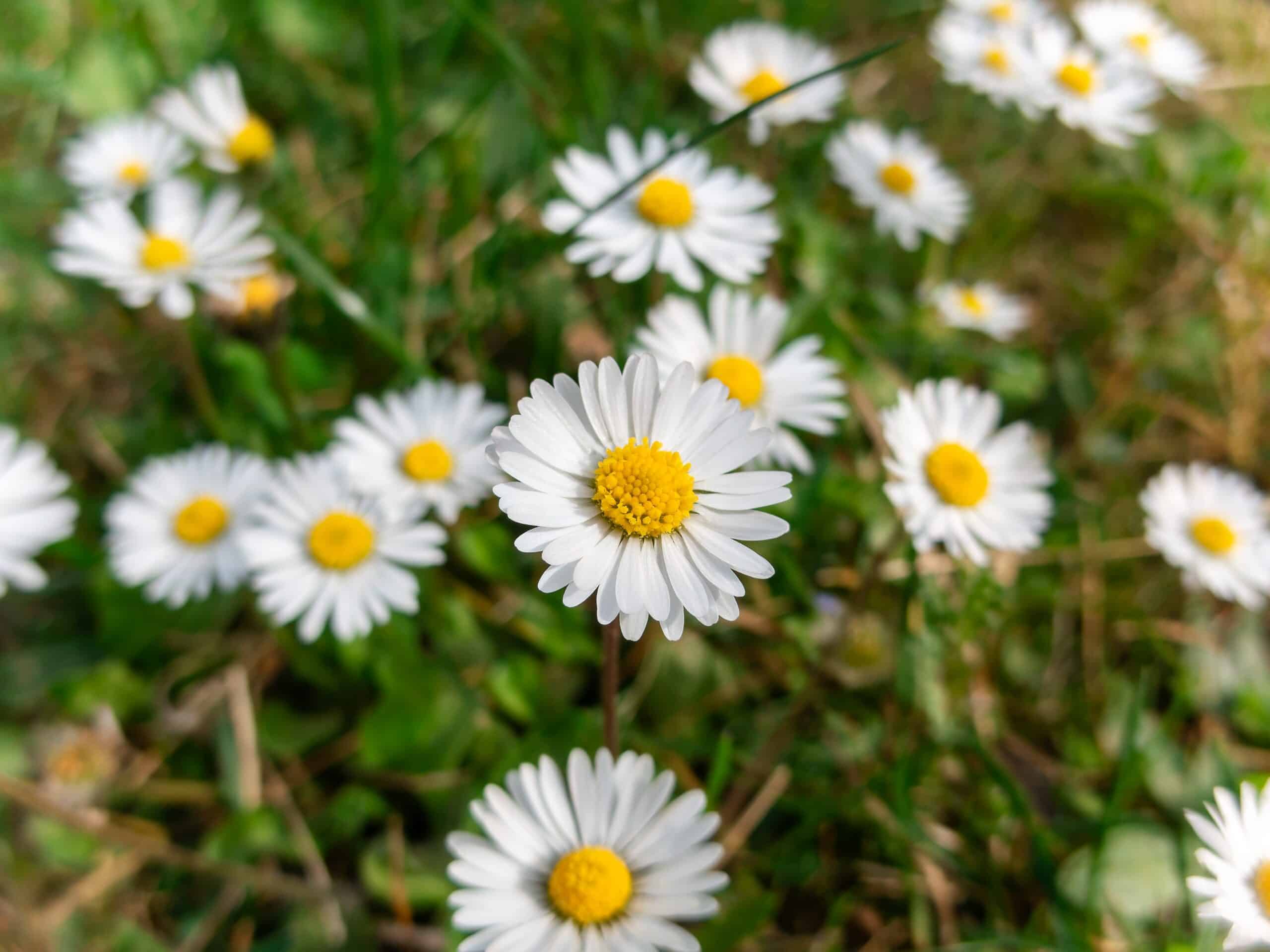
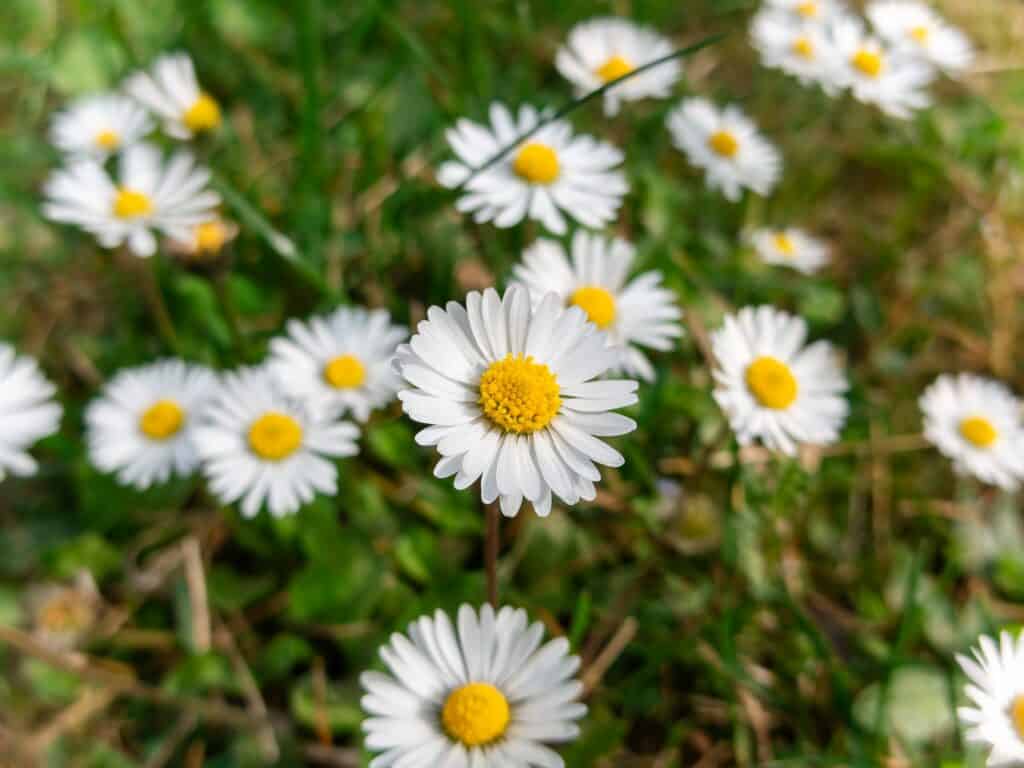
While these pretty white and yellow flowers may be appealing to the eye, oxeye daisies can cause ecological destruction. With an invasiveness score of 61, the oxeye daisy (not to be confused with Alaska’s native arctic daisy) can create dense colonies and quickly take over grazing pastures.
The plant has an unpleasant odor, and grazing animals forgo munching on it. It can also host a variety of plant viruses, and areas with a lot of this plant—which has shallow roots—have a higher potential for soil erosion.
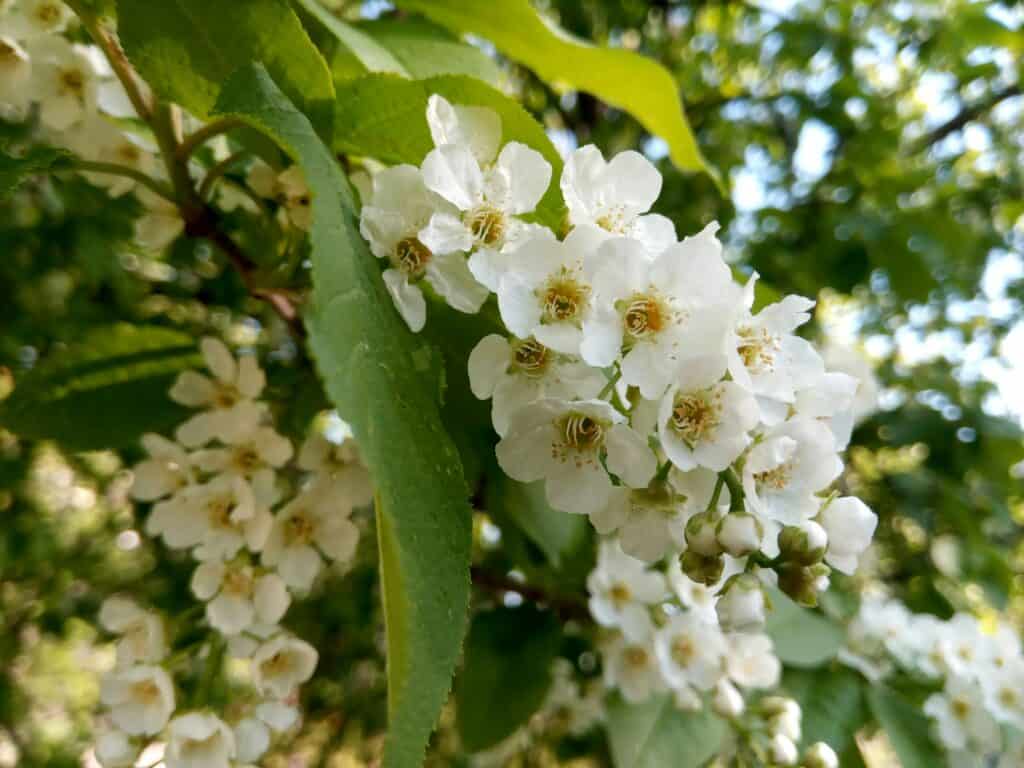
European bird cherry
Ranking at an 83 on the invasiveness scale, the European bird cherry is certainly a species of concern in Alaska. Growing up to 9 meters tall, these plants can physically disrupt ecosystems by pushing out native willows and their underbrush. Since willows are important foraging sites for moose, this can impact the animal, and the plant is also toxic to moose, cattle, and other species.
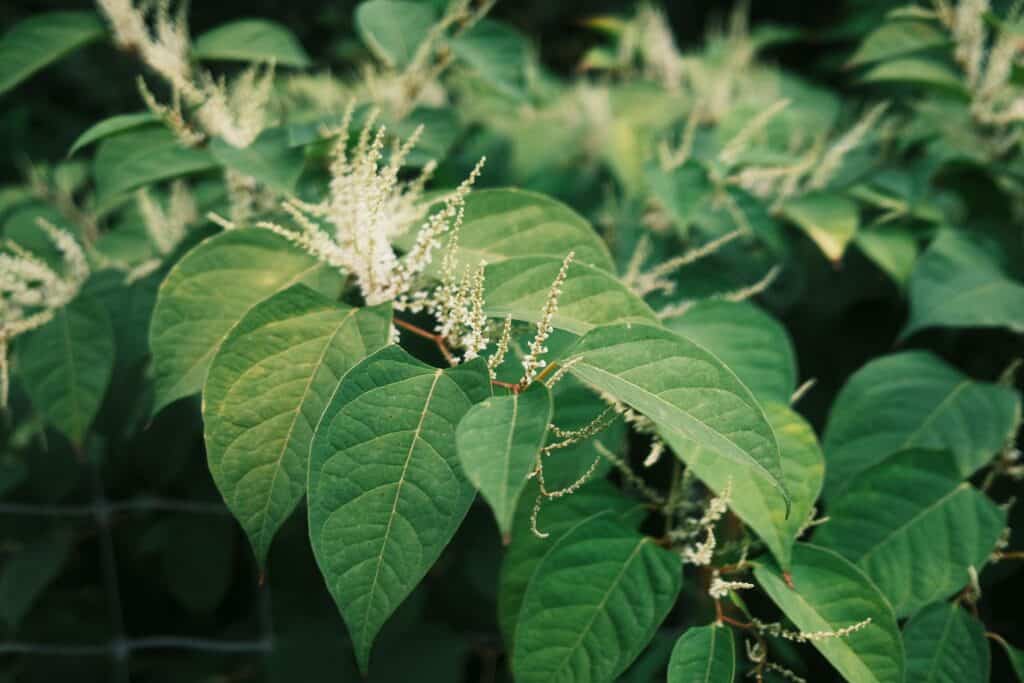
Japanese knotweed
Ranking 87 on the invasiveness scale, Japanese knotweed is a significant concern in Alaska. It shoots out long rhizomes—underground stems—that can reach up to 6 meters in length. This thick-growing plant impacts ecosystems by shading out other plants. It can also clog waterways, especially since it likes growing in damp areas. It can also increase soil erosion and even raise the fire danger during dormant periods.
When a piece of a Japanese knotweed plant enters a waterway, it can form a new plant downstream, creating a new colony. Scientists have also known that this occurs across marine waters. Additionally, wind can spread the fruit, and the plant can be easily transported on machinery and other human-related items.
It is very difficult to control and requires labor-intensive methods, such as hand-pulling. Herbicides may work after mechanical removal, but treatments must be repeated multiple times to eliminate an infestation.
European green crab
First spotted in Alaska at Annette Islands Reserve in 2022, European green crabs go by several names, including European shore crab and invasive green crab.
They are relatively small—measuring around 3.5 inches long—and can vary in color. Not all green crabs are of this species; there are plenty of native crabs that can appear green. One good way to tell them apart from other species is five triangular “teeth” located on the shell’s widest point, on either side of the crab’s eyes.
This species threatens fisheries, including both personal and subsistence fishing, as well as commercial operations. The crab digs and can damage habitats such as eelgrass beds, which are important for many species, including young salmon.
Scientists also say the European green crab may be able to outcompete native species like Dungeness, as well as several other species. They also prey on other important species, such as oysters.
ADF&G asks residents to take photos of any crabs they suspect may be European green crabs and contact the ADF&G Invasive Species hotline at: 1-877-INVASIV.
Didemnum vexillum
Didemnum vexillum is a tunicate, which is commonly known as “sea squirts,” and this particular species is often called “D. vex” for short. Found near Whiting Harbor near Sitka, Alaska Department of Fish & Game (ADF&G) is so concerned about this species, which it deems a “highly invasive marine species,” that they request the public avoid the harbor altogether except in case of emergency.
It can form mats and dominate marine habitats. However, it can be a challenge to identify at first glance, since it doesn’t appear too different from a number of similar native species.
D. vex can grow very quickly and rapidly take over areas and structures, including docks, buoys, and fishing gear. It causes trouble for aquatic farmers and can impact the marine farming industry, since it can take over its environment so efficiently.
The species can significantly modify habitats, and ADF&G considers it an ecosystem engineer, especially because it can grow so rapidly and dominate ecosystems.

Norway rat
Norway rats can grow to 16 inches long, including both their bodies and tails. These rats are sometimes called common rats, brown rats, or even sewer rats, and they can weigh up to 2 lbs.
These rats most commonly arrive in Alaska on ships when they are in port, and they can be found on certain Alaskan islands as well as in a few cities, including Fairbanks, Juneau, and Nome.
They can harm ecosystems and are a particular threat to seabird colonies, such as those on “Rat Island” in the Aleutians. Rats first arrived on the island after a shipwreck more than 200 years ago, but an eradication program run from 2007 to 2009 helped quell the infestation. While rats can harm ecosystems, they also pose a hazard to humans and other animals by carrying diseases, parasites, and other pathogens.
How you can help protect Alaska from invasive species
The ADF&G encourages people to do everything they can to prevent invasive species from spreading in Alaska. The best way to prevent invasive species from becoming established in Alaska is to keep them from reaching the state in the first place, so it is vital to take steps to avoid accidentally introducing them to the state.
The first step in preventing the introduction of invasive species is to learn how they can arrive and spread. Oftentimes, they arrive via eggs, seeds, plants, or animal matter, so it’s important to take time to inspect and clean your gear to make sure you aren’t bringing along an invasive hitchhiker. Spend time inspecting and cleaning all of your gear, from aquatic gear used for fishing and boating—yes, even paddleboards and kayaks—as well as land-based equipment, such as hiking shoes, camping equipment, vehicles, and even your pet’s fur.
ADF&G urges people to carefully clean their vehicle, whether it is a car, truck, ATV, or other piece of equipment, including the tires and undercarriage. With boats, it is vital not only to clean the boat’s exterior but also to clean the lines, tanks, and more. Boaters also need to clean, drain, dry, and decontaminate their gear so it doesn’t end up transporting invasive species.
To learn more about how to protect Alaska from invasive species, including legal requirements to avoid transporting them, as well as what to do if you think you’ve found an invasive species, visit ADF&G’s website.