New technology or spying software? Learn what Flock cameras are, why they’re causing a stir in Georgia, and how residents are fighting back against their use.
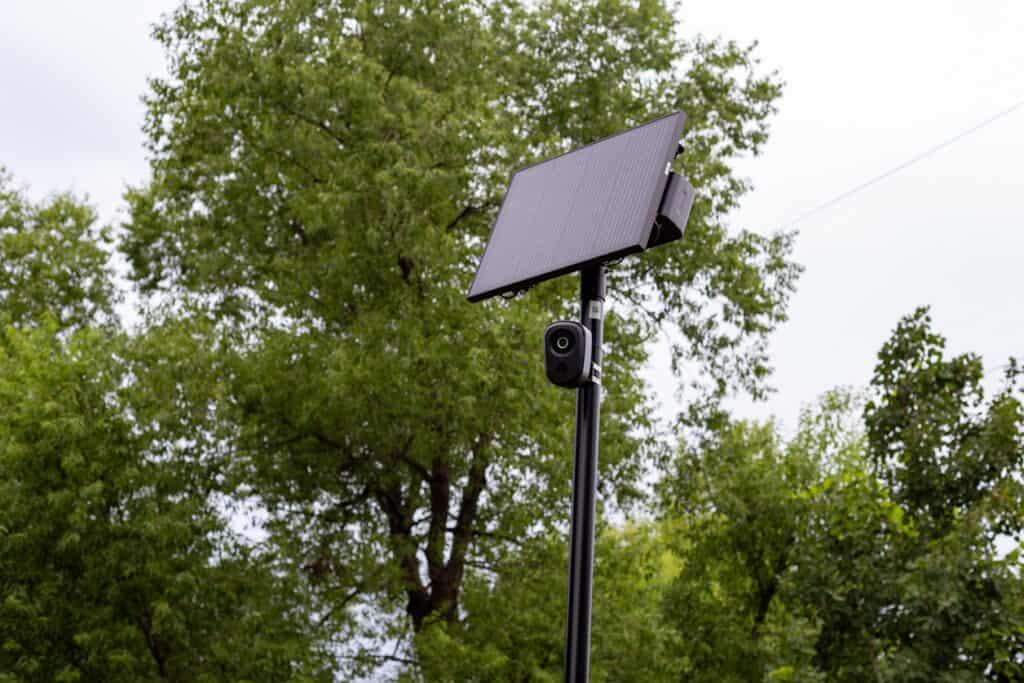
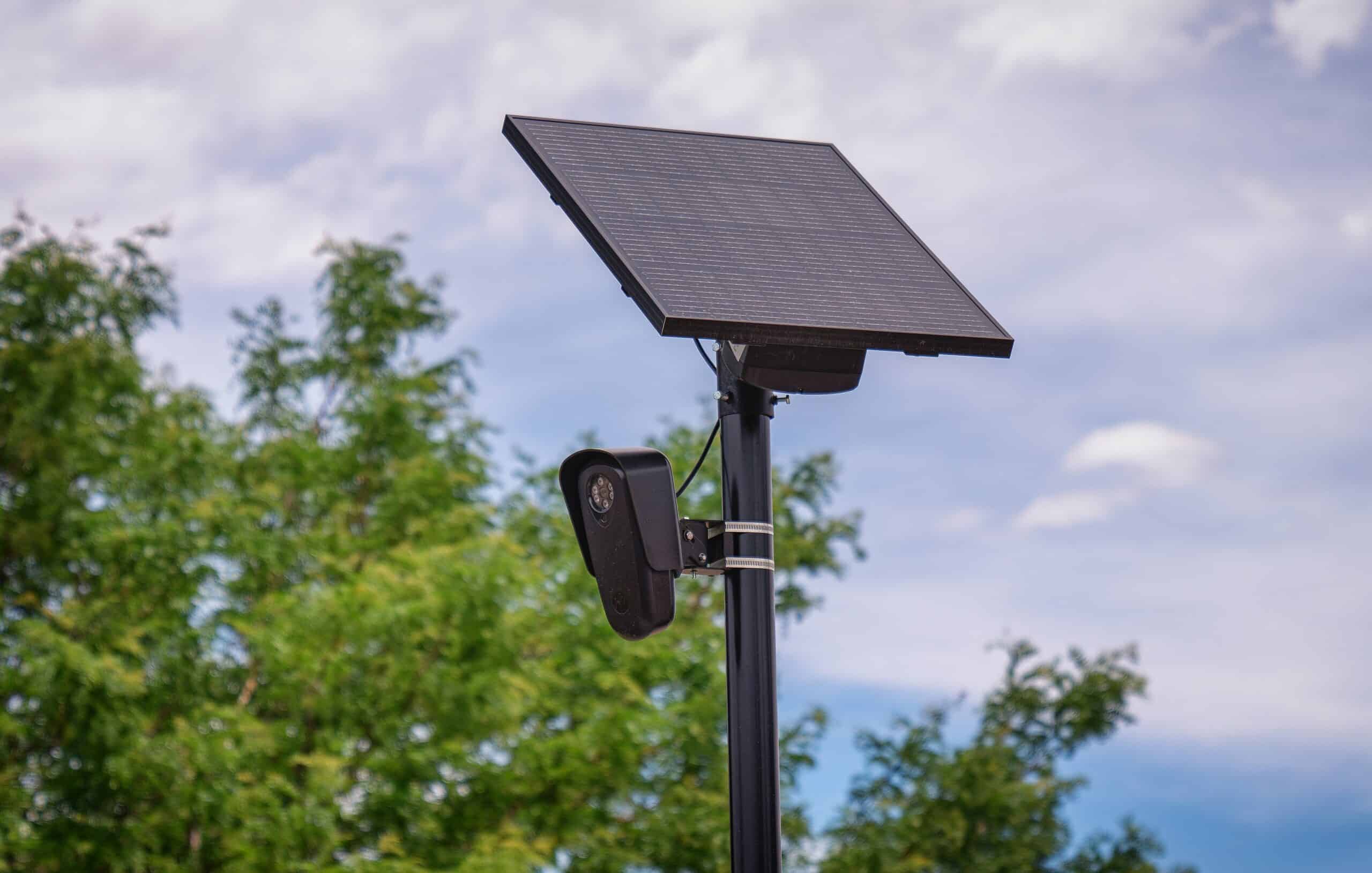
If you’re not paying attention, they’re easy to miss, but Flock cameras are popping up in more and more places around Georgia. You might see them standing at intersections, neighborhood entrances, and large parking lots: slim black poles topped with a small solar panel, camouflaged by their surroundings. They look innocent enough, and many would argue that these devices benefit their communities.
Each Flock camera photographs every passing vehicle, recording its license plate along with details like make and color. They then store that data, so police can search it later. Supporters, including many Georgia police officers and lawmakers, credit the system with solving serious crimes, from stolen cars to more dangerous, even lethal crimes.
Critics, however, warn these machines are causing more harm than good. These eyebrow raisers say Flock cameras are a sprawling surveillance network that tracks ordinary drivers with few regulations. Where does public safety and security end and privacy invasion begin?
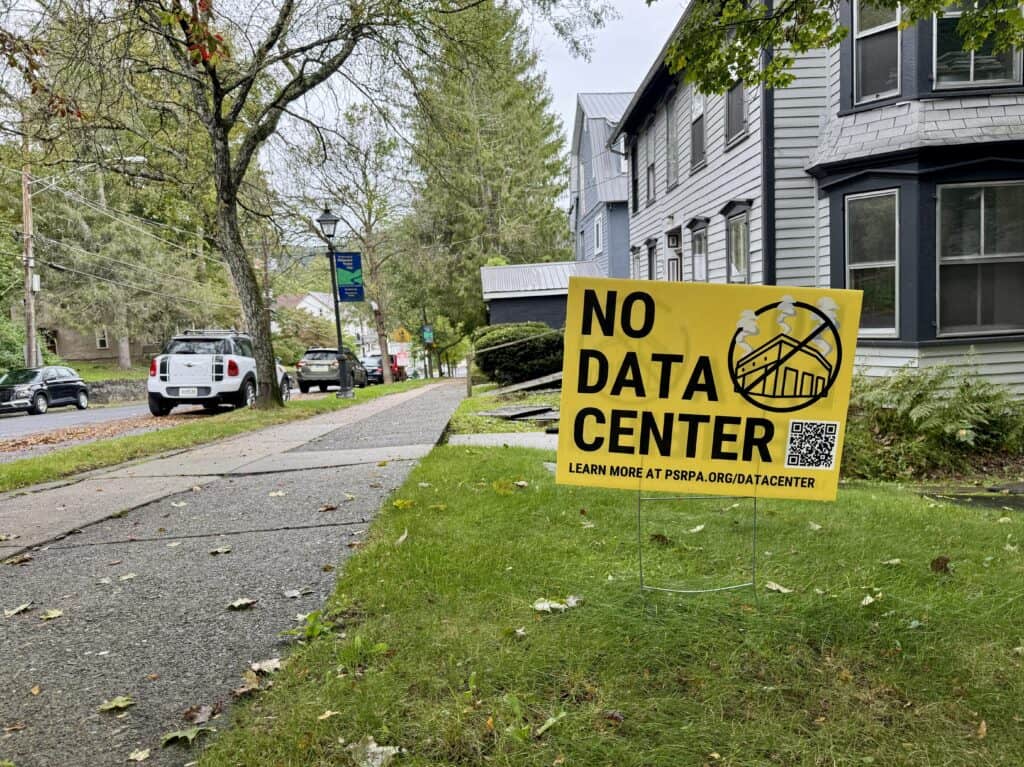
Residents are packing city council meetings, protesting at city halls, and demanding Georgia’s gubernatorial candidates take a stand. Here’s why many Georgians are pushing back.
Every car is photographed, not just suspicious vehicles
Critics argue the cameras invert the presumption of innocence by recording every car that drives past them, whether the driver is a suspect evading an officer or simply a parent on the way to school pickup. Each image is tagged with a time and location and stored in a searchable database.
One photo may seem harmless, but there’s growing concern about how those photos add up. Connect enough sightings together, and the data can effectively map where someone works, dines, and attends community events.
Flock maintains that its cameras track vehicles, not people, but critics counter that in a state where most adults drive to get from place to place, there’s not much of a difference.
Cameras are spreading faster than the laws around them
Headquartered in Atlanta, Flock now operates more than 120,000 cameras in 49 states. It was founded less than a decade ago, and opponents say its rapid growth is part of the problem. When technology spreads this quickly, the rules governing it often lag. That concern feels especially pressing in the age of AI, when technology can change faster than lawmakers can respond.
In Georgia, many of the laws and regulations are being written and implemented after the cameras are installed. For example, Flock only began rolling out new limits on officer access in the summer of 2026, and some police departments have restricted who can search the system only after misuse cases made headlines. Critics call the changes too little, too late.
Unregulated data can travel long distances
Interestingly, a Flock camera doesn’t just serve the department that installed it. As of now, Georgia law allows agencies to share license plate data with other law enforcement agencies, and Flock’s nationwide network makes that sharing easy. Sometimes that data is shared across several state lines.
For example, an officer hundreds of miles away could search for a car photographed in a Georgia neighborhood. The widespread reach has also raised concerns about how the data might be used, including for immigration enforcement, a worry many have voiced at protests across Georgia.
How long the data stays in the system matters, too. Georgia law allows agencies to keep it for up to 30 months. Flock recommends a much shorter window, but recommendations and requirements aren’t the same.
Misread plates lead to wrongful stops
Like any technology, Flock cameras aren’t perfect. Severe weather, poor lighting, or similar-looking letters and numbers (such as B, 8, 6, and 0) can lead a camera to misread a plate or flag the wrong car. Those errors can have real consequences. When a camera alerts police to a possible match, officers may pull over a driver who has done nothing wrong.
Flock and law enforcement agencies say an alert is only a lead, and officers are supposed to confirm every lead before acting on it.
Some officers have abused their access
Even when the cameras work as designed, and photographs present clear, reliable leads, the administrators using the technology don’t always follow the rules. Unlike a misread plate, which is a technology issue, Flock misuse is about the person searching the system.
Several Georgia officers have been arrested on accusations of doing just that, including searching the whereabouts and goings-on of former partners, without legitimate legal reasons. Under state law, accessing the data for non-law enforcement purposes is a crime.
For critics, these cases point to a bigger concern. As Al Solove of Indivisible ATL said at an August rally outside Atlanta City Hall, “It is truly horrifying to find out just how many officers have abused Flock cameras, and it invites the question: How many more people are out there who haven’t been caught?”
Accountability gaps leave the system monitoring itself
Georgia does have a law governing license plate readers, but it leaves much of the detail to individual agencies. Each department that uses the cameras is required to have its own policies, which means the rules for who can search the data, and why they are searching it, can vary from one town to the next. Limited audits and public reporting make it hard to know how often the system is used.
Ordinary Georgians have few ways to check for themselves. License plate data is exempt from the state’s open records law, so drivers can’t easily find out what the system has collected about them or who has viewed their data.
The cameras aren’t only on public roads, either. Businesses and neighborhood associations can buy their own Flock cameras, and depending on their agreements, police may be able to access that footage with even less public involvement.
Both major-party nominees for governor, Republican Rick Jackson and Democrat Keisha Lance Bottoms, say they support new safeguards, though neither has offered a detailed plan and lawmakers have resisted calls for a ban. Moreover, law enforcement groups themselves are leading much of the policy review. For critics, that’s like asking the system to police itself.
What happens next?
Flock cameras aren’t going away anytime soon, and for many Georgians, the debate isn’t about whether police should have modern tools, but how the cameras are used. Supporters and critics agree on one thing: the technology has changed how Georgia is policed. What comes next is in the hands of city councils, state lawmakers, and the next governor, and Georgians are making it clear they want a say.