Shop these Pennsylvania-made slow fashion brands for unique, sustainably made clothing and accessories that will last.
You know about fast fashion—cheap clothes churned out by mega companies that likely don’t last long and might even end up contributing to massive landfills of textile waste visible from space.
But have you heard of slow fashion? As you might expect, slow fashion is meant to be the opposite of fast fashion: clothing made sustainably with quality fabrics that will hold up for years of wear. It’s better for the planet and garment workers—and while pieces might cost more upfront, the investment in clothes that will last can make sense for your wallet, too.
Slow fashion takes different forms depending on the maker. In Pennsylvania, a growing number of clothing companies are committed to the slow fashion approach, from fashion designers crafting small batches of unique attire to apparel made with recycled yarns and fabrics.
Here are some of the slow fashion brands based in Pennsylvania that you should know about.
Soleil et Amis
The idea for Philadelphia-based Soleil et Amis was born across the Atlantic, with founder Fiona Duffy inspired by a trip to Provence where she and her friends spent their days making art in the sunshine of southeastern France. The brand, which means “sun and friends” in French, consists of modern clothing pieces made from reclaimed textiles, which are regularly painted by Duffy’s hand. “The garments I create function as both clothing and visual storytelling pieces, merging material history with personal narrative,” Duffy said in an email.
Because Duffy slowly and intentionally collects the secondhand fabrics she uses in her pieces, “whatever garment I make from it has been very purposefully designed,” she said, adding that she finds there is a “heightened sense of creativity” when working with secondhand fabrics that have had previous lives.
While Soleil et Amis pieces are currently all designed and sewn by Duffy herself in her Philadelphia home studio, she hopes that the brand can grow to accommodate a sustainable, secondhand-fabric-only production line.
Flux Bene
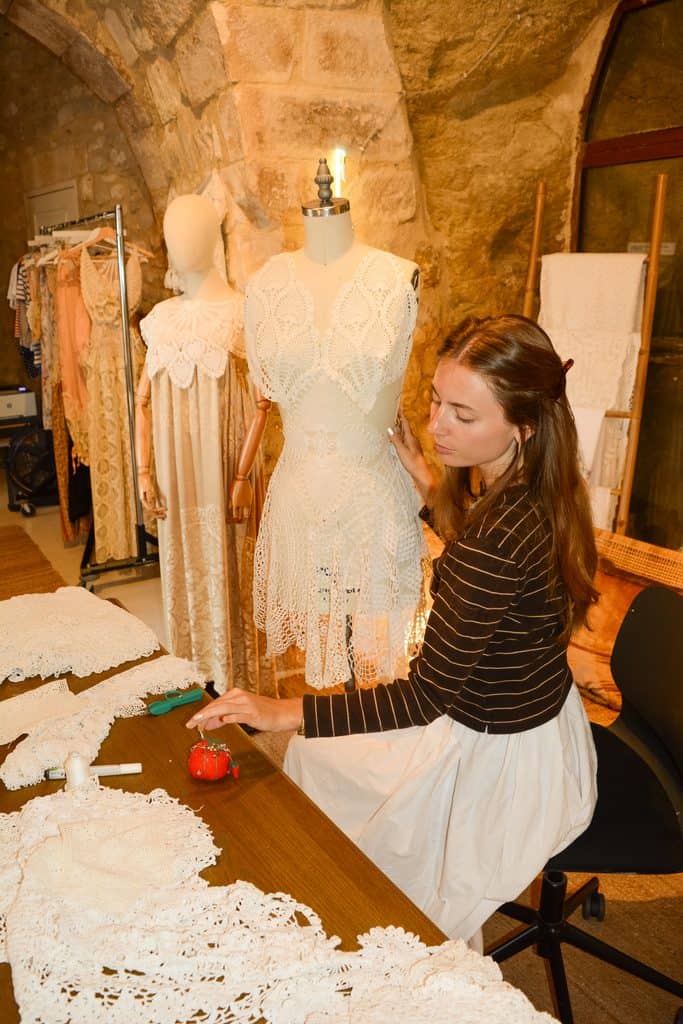
According to Rebekah Joy, the founder of Pittsburgh’s Flux Bene, one of the hallmarks of slow fashion is that it is “quite literally slow,” especially compared to the rapid production of fast fashion. Crafting a Flux Bene piece is a meticulous process that starts with sourcing secondhand, often damaged garments, cleaning and sometimes dyeing them, cutting them apart, and then sewing them back together with secondary market fabric that itself has often been customized with paint, dye, or stitching.
The overall process to rescue and repurpose secondhand clothing by transforming it into a unique work of textile art, “typically takes longer than it would to stitch a garment from scratch,” Joy said in an email. But the result is zero-waste, gender neutral pieces that are all one-of-a-kind.
“I want these pieces to be handed down, traded amongst friends, lovingly kept in rotation for as long as possible,” she said.
Besides crafting unique clothing herself, Joy wants to help facilitate the reuse of 10,000 garments, and to that end she has published patterns and sewing guides for Flux Bene original designs that anyone can download to upcycle their own clothes.
Flux Bene releases are announced in the brand’s newsletter, and Joy will also be selling a Flux Bene cold weather line at Pittsburgh’s Handmade Arcade holiday market in early December.
JALMODOVAR
JALMODOVAR is the work of the one-woman studio of designer and self-taught seamstress Janell Almodovar-Cora, based in Lancaster County. Almodovar-Cora creates bags and jackets using both new fabrics and reclaimed textiles like vintage camo fatigues, distressed denim, and burlap. Each piece is handcrafted in small batches and “designed to be worn, loved, styled, and restyled through multiple seasons,” Almodovar-Cora said in an email.
The JALMODOVAR line consists of a wide variety of unique bags from clutches to large weekender bags in addition to a small collection of jackets and hoodies, all crafted in what Almodovar-Cora calls a “boho chic” style.
Modern Misfits
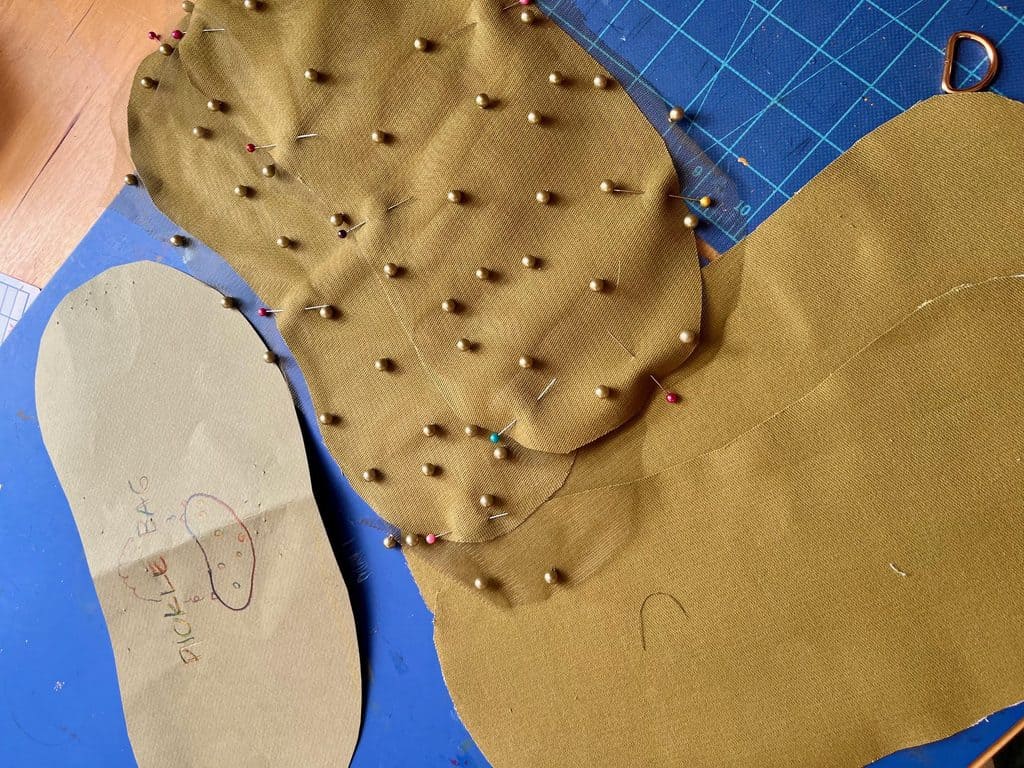
Modern Misfits is a Philadelphia brand made up of fun and irreverent pieces—“joy inducing accessories,” according to Modern Misfits itself—like bowtie-pasta and pickle-shaped handbags or hats with a beaded pretzel.
The designer behind Modern Misfits, Aubrey Loftus, says that slow fashion “provides an insight to people on the actual pace, cost, and impact of the things we buy.” Her methods are slow-paced because she’s a real human connecting with other real humans in Philadelphia, as, when possible, she works to source materials “from shops here in Philly that create living wages and community support,” she said in an email. Local fabric shops, she added, are staffed with people who are “so supportive in terms of design and process help, inspiration, measurements, and cost.”
It takes time to sew each piece, especially with a focus on sustainability, but “I take pride in the process and enjoy it because I think people recognize that diligence and passion in my work,” Loftus said.
Anchovy Studio
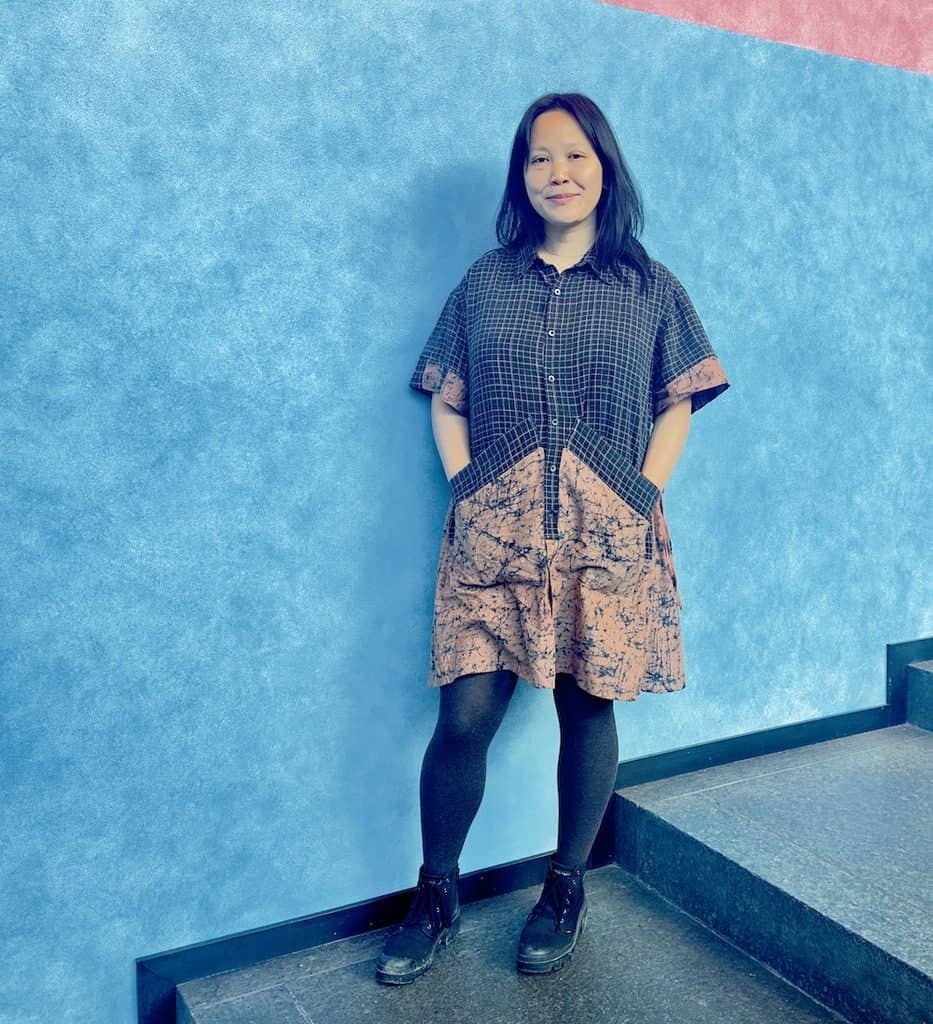
Based in Philadelphia, Anchovy Studio is a slow fashion brand influenced by Korean folk arts, sustainability, history, and culture. Shirts, dresses, jackets, bags, and hats are artistic pieces all made to last. Special collections explore Korean culture and folk tales, like the ethereal clothing of “ghost” inspired by stories of Korean spirits, with a lookbook accompanied by a zine and a playlist.
Lobo Mau
Lobo Mau is a zero-waste clothing brand with a showroom and studio space in South Philadelphia. Bold, hand-printed designs grace tops, bottoms, outerwear, and accessories that are all intentionally made with organic cotton, recycled textiles, and deadstock fabrics. Plus, as a council member of the Philadelphia Fashion & Garment Industry Task Force, the company is committed to building a stronger textile industry in the city.
Knotzland
Knotzland, based in Pittsburgh, uses recycled textile scraps to create unique, collector-worthy bowties. Since its inception in 2015, the brand has rescued more than 8,500 pounds of textiles from the landfill, turning them into creative designs that customers use for everyday fashion or for their most important moments. Indeed, clients can send in their own fabric for custom pieces, allowing beloved garments to gain another life.
The upcycling behind Knotzland is “looking around you and sourcing and being resourceful and sourcing materials that already exist and creating something more beautiful and more longstanding,” founder and self-taught seamstress Nisha Blackwell told NEXTpittsburgh last year.
Knotzland also offers bowtie rentals as well as Lavallières, lapel pins, and pocket squares. You can check out the Knotzland storefront in Wilkinsburg.