Explore the unique history of cannabis in Michigan, from a star-studded Ann Arbor rally to a three-week reprieve from marijuana laws in the 1970s.
Recreational marijuana has become the norm for Michiganders in recent years. A successful legalization initiative was passed and implemented back in 2018, which set off a widespread emergence of dispensaries throughout the state. But this hasn’t always been the case—and, for many years, getting caught with cannabis in Michigan was considered a criminal offense.
Michigan’s relationship with marijuana has always been a unique one, particularly during the 1970s. It was during this period of sweeping social change and activism that legalization efforts in the Great Lakes State kicked into high gear.
The most famous marijuana arrest in Michigan history
You might recognize the name John Sinclair. He was a fixture of Michigan culture in his heyday, and that wasn’t only because of his classic hippie look or his towering height. Sinclair was something of a local icon in the counterculture movement of the ‘60s and ‘70s, when he served as manager for Detroit-based rock band MC5. To top it off, he was chairman of the White Panther Party, a social justice and revolution-focused group that worked alongside the better-known Black Panther Party.
In 1969, Sinclair had a run-in with police that would change the course of his life and set the tone for legalization efforts moving forward. After being arrested for offering two marijuana joints to undercover police officers, he was ultimately convicted of possession and served more than two years in prison for his offense (this was “light” compared to the initial ten-year term he’d been given by a judge).
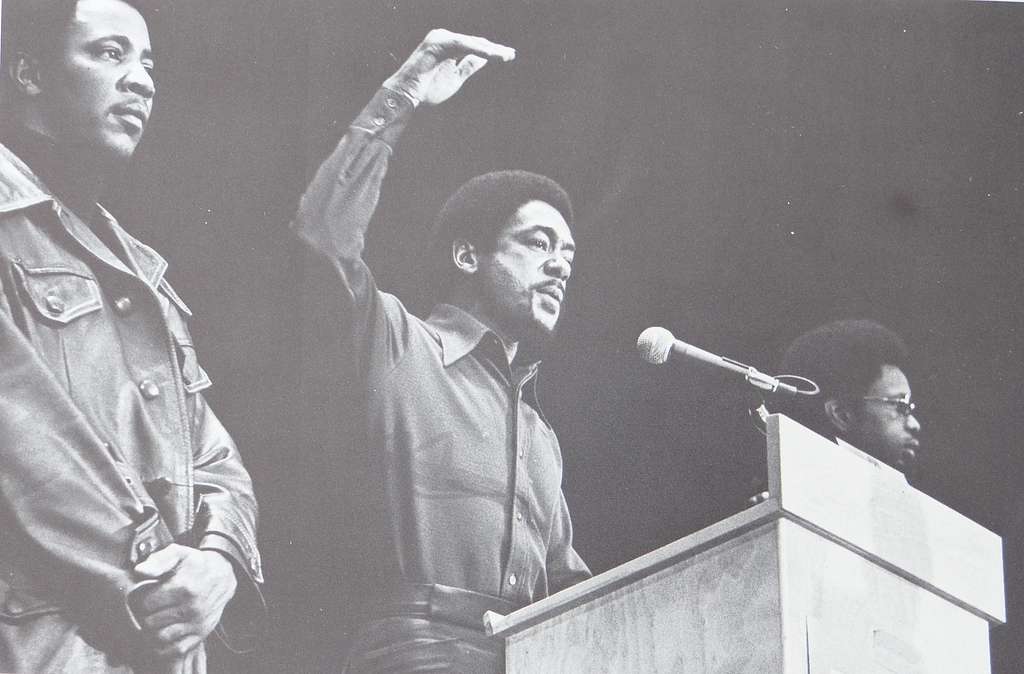
When word spread through Detroit, Ann Arbor, and beyond, supporters of Sinclair and legalization advocates organized. They held protests lamenting Sinclair’s decade-long sentence and argued for the relative harmlessness of cannabis, demanding he be released.
Soon, celebrities joined the cause. In 1971, a “John Sinclair Freedom Rally” took place in Ann Arbor, bringing together artists and musicians like Bob Seger, Stevie Wonder, and megastar John Lennon, who even wrote and performed a song in Sinclair’s honor. The song, aptly named “John Sinclair,” became a rallying cry for the marijuana legalization movement.
Michigan cannabis laws get a second look
In March of ‘72, after Sinclair had been released, something truly incredible happened. The Michigan Supreme Court considered Sinclair’s case, ultimately ruling that his punishment had been cruel and unusual (As Lennon sang, “They gave him ten for two”). The Court also determined that Sinclair had been entrapped by arresting officers and that cannabis was not a controlled substance. This declassification invalidated a previous law from the ‘50s.
As we know, the wheels of the legislative branch don’t always move quickly. It took some time for a new state law to be passed and enacted in place of the antiquated ‘50s legislation, so there was a 22-day period between March 9 and April 1, 1972, when state criminal penalties for marijuana possession could not be enforced in Michigan.
If pressed, authorities would likely have fallen back on stipulations about how marijuana was still illegal at the federal level, but these cries would have been met with near-apathy from many Michiganders—especially those in Ann Arbor, where the City Council eventually deemed cannabis possession a decriminalized offense punishable by nothing more than a $5 citation.
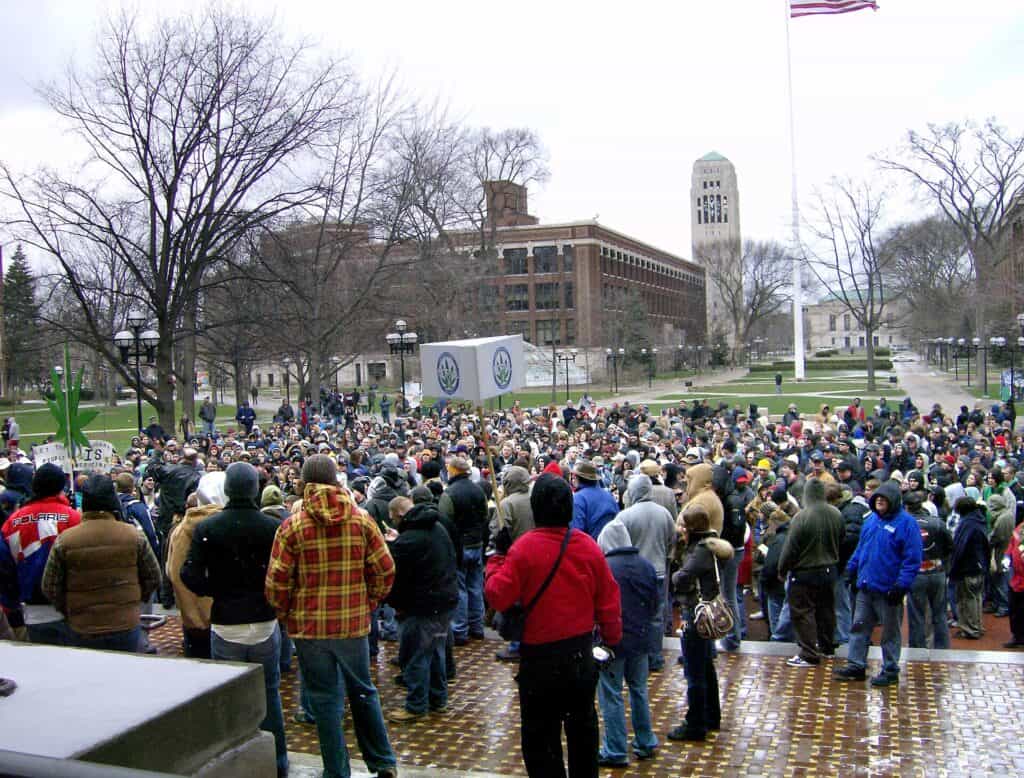
As the Sinclair saga and the fight for looser laws unfolded, a new tradition was also being born in Ann Arbor: Hash Bash, an annual celebration of all things cannabis on the campus of the University of Michigan. The gathering debuted in the spring of 1972 and continues today, as U of M students and Ann Arbor locals know all too well (it’s not an exaggeration to say that Hash Bash can be smelled by passersby every April). Sinclair himself made his last Hash Bash appearance in 2023, passing away just under a year later at the age of 82.
So, while legal recreational marijuana might feel normal in 2026, the history of cannabis in Michigan is marked by conflict, protest, public demonstrations, and collective action. Keep John Sinclair—and those three weeks of legality in 1972—in mind the next time you partake.