Rugged, wild, and buzzing with history, mining towns in Arizona are equal parts fascinating and formative to the early days of the state.
The mining towns in Arizona have long been valuable to the state’s economy. Over two-thirds of the nation’s copper hails from State 48, making our home pertinent to technology advancement. As copper continues to drive the state’s role in our country’s future, copper—and mining specifically—has played a pivotal role in Arizona’s history.
Although not a defining population of the state at large, mining towns have a significant Slavic presence, largely due to the exploitation of low wages. At the turn of the 20th century, immigrants who were paid unbearably low wages overseas at home were enticed to come out to work in the mines for what seemed to promise better pay, overlooking the real health threats and risks associated with working in mines. This practice went so far as to have mining companies pay for travel for overseas workers to enter through Ellis Island and take a train to mines in Minnesota, following luggage that was hauled off before them. This tactic served as pseudo-insurance for the mines, ensuring immigrant workers wouldn’t stop elsewhere along the way, as the luggage was essentially all these immigrants had to their name.
While many adapted to the cold of Minnesota, others quickly saw the error of their ways. The mining companies of Arizona, which wasn’t yet a state but a prominent mining territory, followed suit, bringing in Slavic workers from overseas as well as from northern mines with the promise of warmer weather and better pay. This concept was also brought to fruition by burgeoning labor unions, which needed a stronger presence to act and were willing to pay immigrant workers to join the fight.
Due to these practices of exploiting the lower wages overseas, the mining towns of Arizona have a rich history of intrigue, often pointing to the larger picture of where Arizona has been, where it is headed, and the role it plays in the nation. Here are seven that are worth exploring more.
1. Jerome
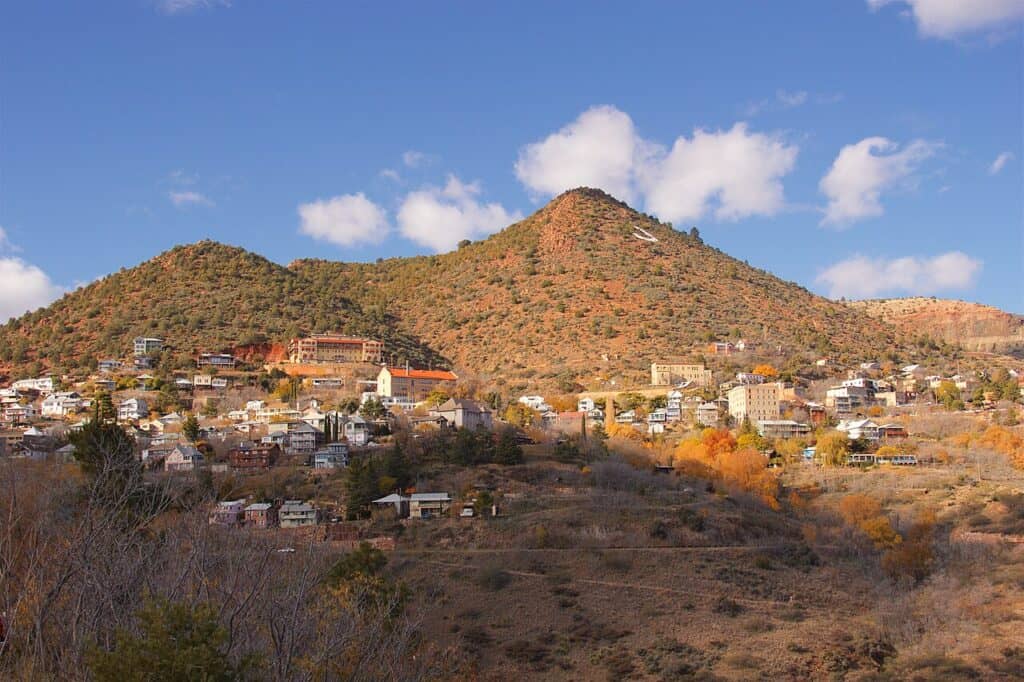
With fewer than 500 full-time residents, Jerome is known as a ghost town that draws upon a large crowd of tourists for art, scenery, spooky attractions, and a desire to understand the history of this quirky hamlet.
Historically, from the late 1800s to the mid-1900s, Jerome was a prominent mining town with nearly 15,000 residents. If you’ve been there, I’m sure we’re both wondering, “Where did they live?!” Due to rock blasting, severe slides ensued, and incorporation of the town was only petitioned in order to retrieve enough water to quench the thirst of the populace (and the undying thirst of the mines).
Mining died in the town by 1953, and after demolishing many buildings for material, the population sharply dwindled to under 100 people. Its mining days remain memorable for the deportation directly preceding the Bisbee Deportation in 1917, the sliding scenic view that creates the drastically sloped and winding roads (perhaps hinting at where homes once were), and the several renovated buildings that shine a light on the historical presence of brothels (which always went hand in hand with mining towns).
Bisbee
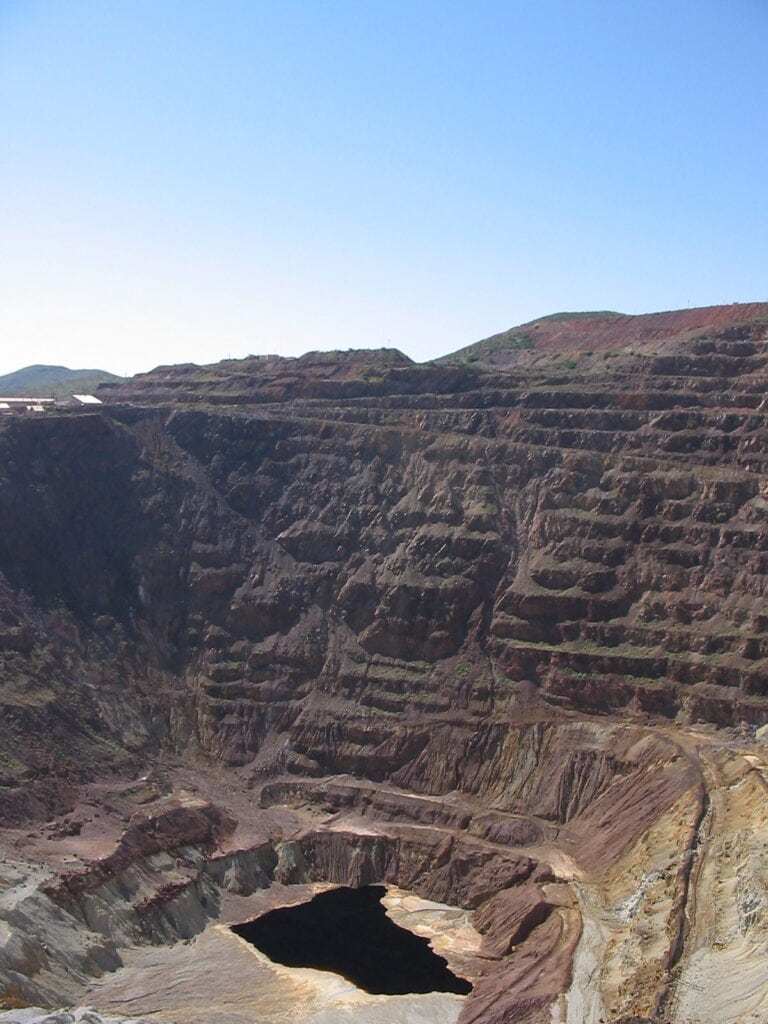
The heart of Bisbee is the extravagant Copper Queen Hotel, which was erected by the Phelps Dodge Company as a way to entice the wealthy elite into investing in the Copper Queen mine. Recognized as the longest continually operating hotel in the state, the goal saw great strategic success. Bisbee took the Cochise County seat and was recognized—at the time—as the largest city between St. Louis and San Francisco.
Known for the wild and historical Bisbee Deportation in response to unionized striking, which involved a large number of Slavic miners, the Bisbee mines were operational for a little less than a century. In that time frame, extraction was fruitful, with 8 billion pounds of copper, 102 million ounces of silver, and 2.8 million ounces of gold, along with millions of pounds of zinc, lead, and manganese mined from the area. Mineral reserves were officially depleted in 1974, leading to a sharp decline in real estate prices.
Where there is affordable property, artists, “hippies,” and families will flock, ultimately forming Bisbee into the quirky tourist artist town that it is today. If interested in learning more, consider taking a tour of the old Copper Queen Mine, one of many fun things to do in this desert mountain town.
Globe
Globe, or Globe-Miami, recently made headlines related to catastrophic flooding, which has long been present in the region, in large part due to the surrounding mountain ranges. Originally formed for rich mineral deposits, this area is still largely supported by active mining.
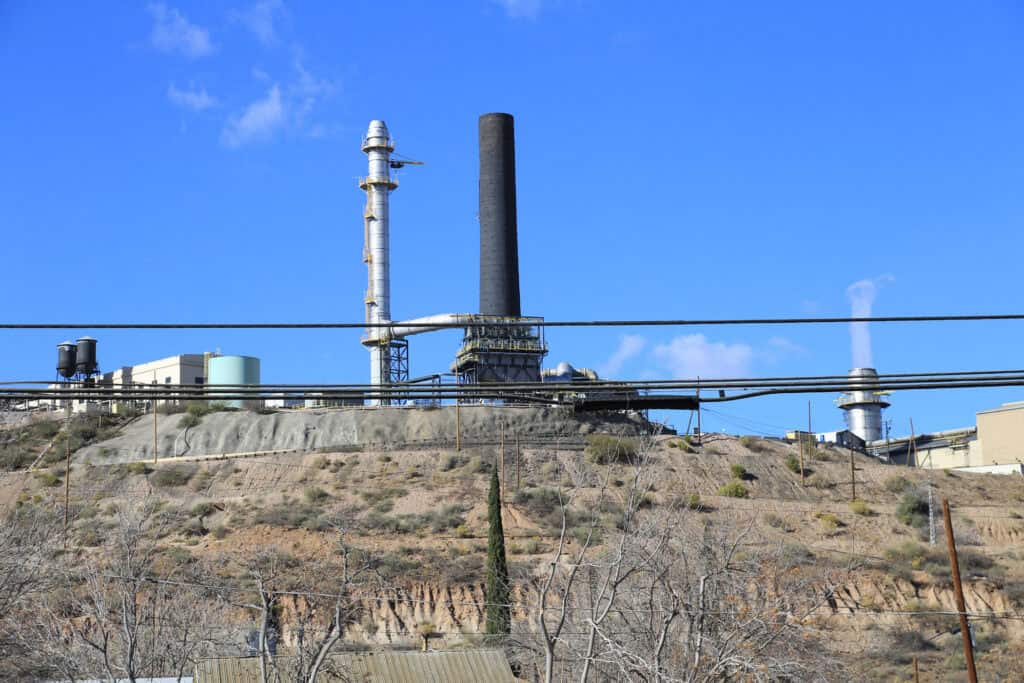
With one of the few remaining smelters within the United States, Globe-Miami has maintained active mining operations since 1876, and the quirky layout—including winding staircases leading to homes without driveways—pays homage to a history that has not quite passed. The town has many streets and neighborhoods reflecting Slavic heritage, murals reflecting old-time ideals— e.g.,”if it can’t be grown it must be mined”—and a plethora of antique stores—known as Antique Row—reflecting a town that has held onto its past despite the shifting times.
Home to some of the most haunted buildings in the state (Bullion Plaza Cultural Center), old mines turned into parks (Old Dominion), and citizens whose family lines can be traced back to the founding days, the fascinating aspect about this region’s history is that it has yet to die—instead, Globe-Miami maintains its existence as living history.
Tombstone
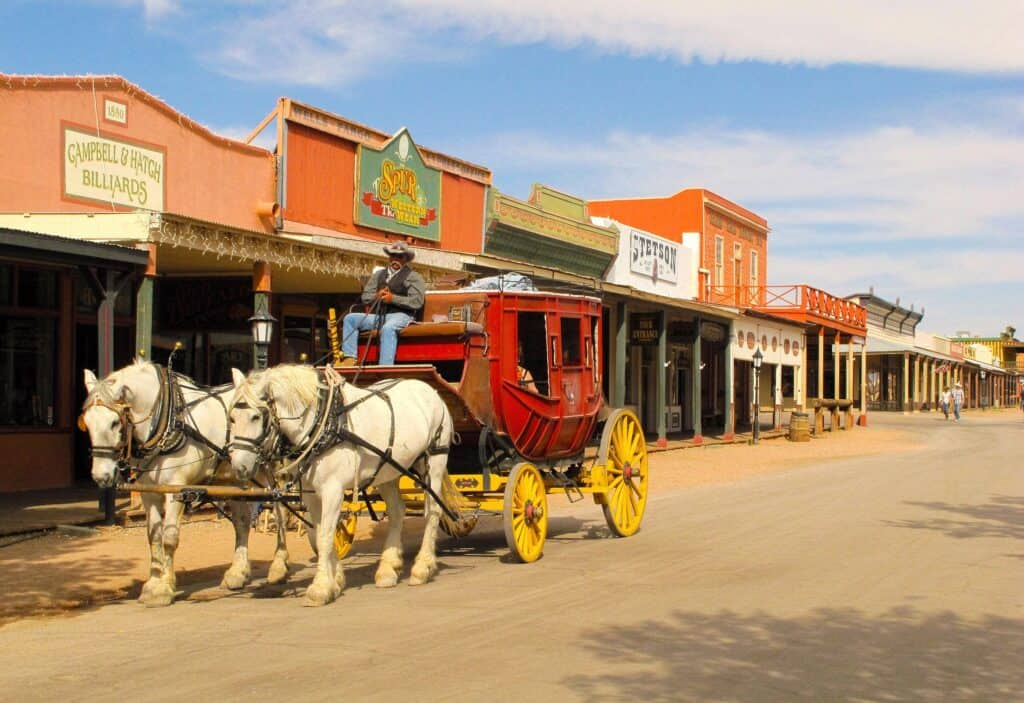
Tombstone may be known for the shoot-out at the OK Corral, but many do not know that from 1879 to 1883, Tombstone grew from a hamlet to a city largely due to mining.
Believed to be rich in silver, the area’s mines were active until flooding filled many of the shafts. Dubbed a half-century later as “the town too tough to die,” Tombstone seemed to miss the message that mining was the key to success. Instead, it became—and still is—a hodgepodge of Wild West culture, with historical shootouts, working fancy ladies—a nod to Big Nose Kate —and all the attractions best complemented by tumbleweeds.
Morenci
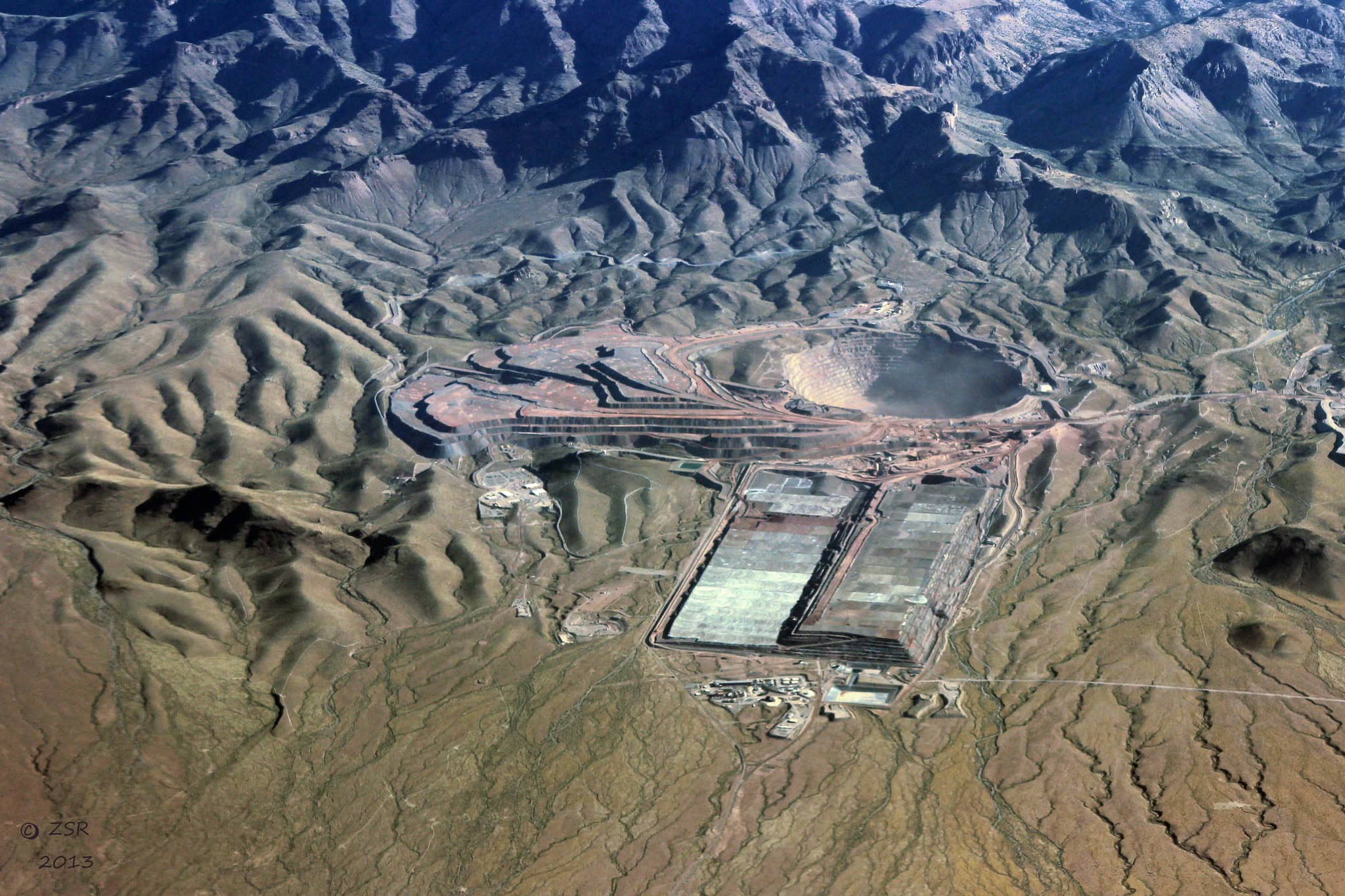
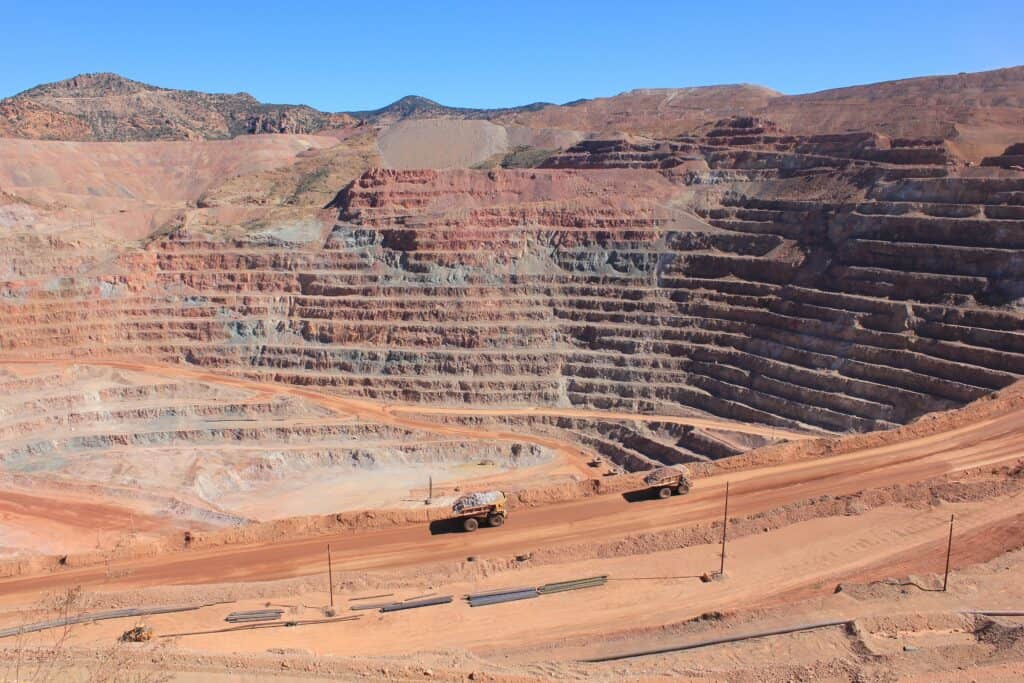
The unincorporated community of Morenci is home to around 2,000 people and is one of the last company towns in the state, all centered on the open pit mine of Freeport-McMoRan.
Operations began in 1872, shifting from underground to open-pit mining in 1937. The original Morenci is now buried under tailings, with the town expanding in size in accordance with the mine. In 2022, Morenci’s production totaled 0.9 billion pounds of copper, hinting that this century-and-a-half-old mining camp is not going anywhere anytime soon—except for further out around the mine as it expands, that is.
Safford
Unlike other mining towns, Safford maintains a presence far beyond mining. Home to some of the state’s most prolific hot springs and agriculture, Safford maintains a peaceful presence with open land, big sky, and plenty of alternative activity.
Established in 1874 as settlers moved East of Gila Bend to find land that wouldn’t wash out in the wet weather, Safford quickly became a strong settlement. The 1880s saw enhanced canal systems thanks to a large Mormon settlement, and from there, the settlement continued to grow until it was large enough to serve as the Graham County seat.
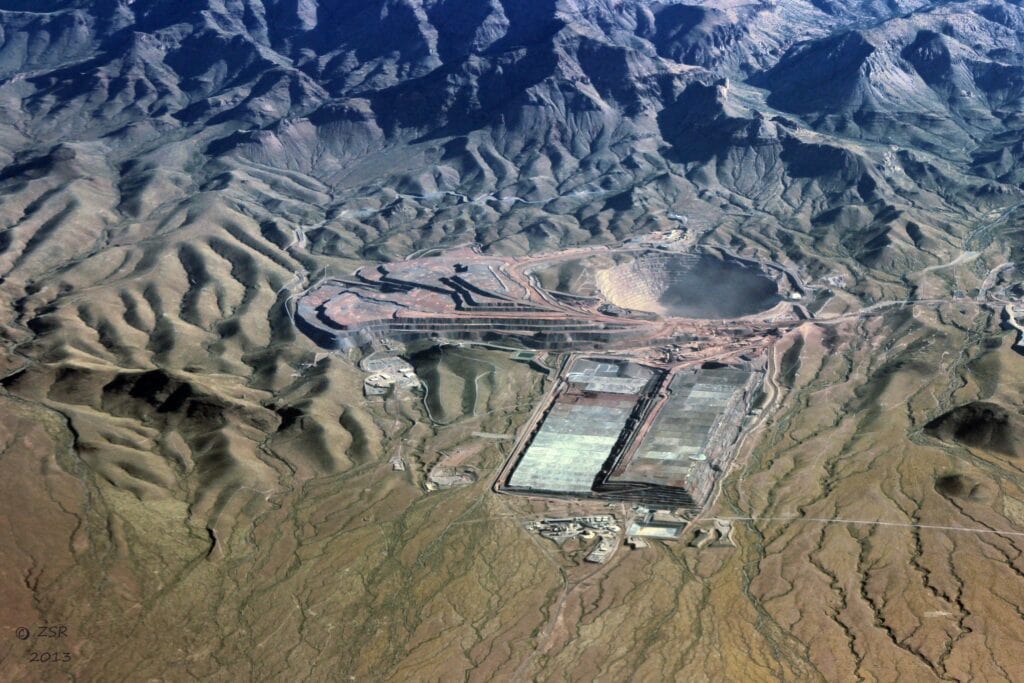
While geological richness was present early on in the Lone Star Mining District, it took decades to develop, with the largest boom nearly a century and a quarter later, when Phelps Dodge—now Freeport-McMoRan—opened the Safford Mine in 2007. Thanks to the slow evolution of mining in the area, this mining town is established far beyond the richness of mineral content. That said, hot springs are beneficial for the mineral content as well, so perhaps Safford simply diversified its economic mineral portfolio.
Ajo
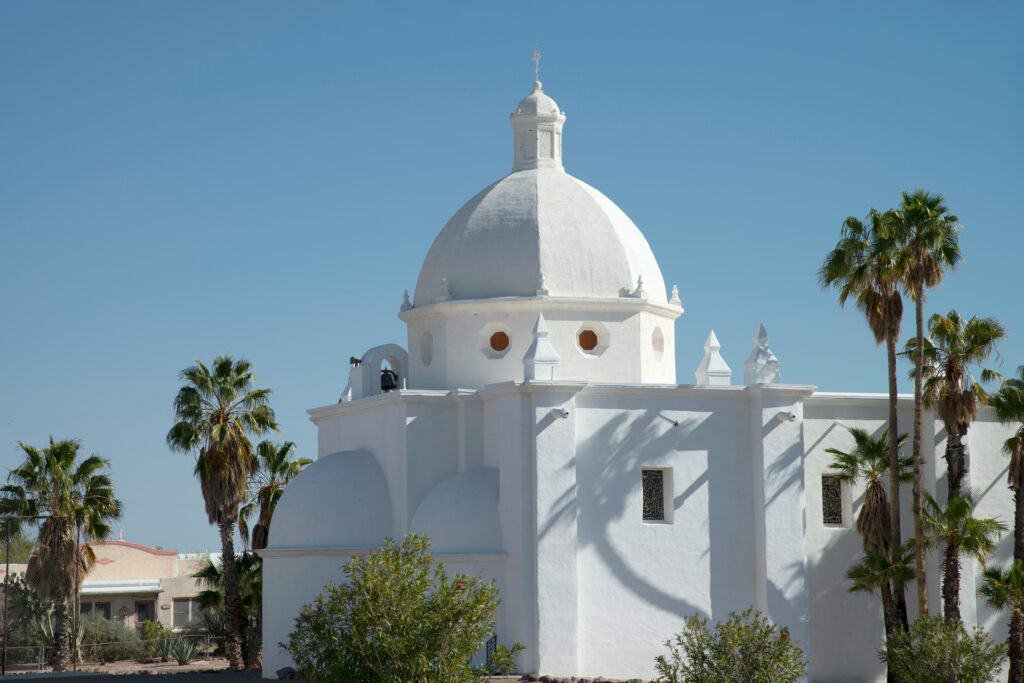
Named after either the Spanish word for garlic or the Tohono O’odham word for red paint, the town of Ajo was originally a mining town that remains entrenched in history. So much so that 100 homes and the entire downtown district are listed on the National Register of Historic Places. With Spanish revival architecture hinting at its origins and the arts taking over as the town’s focus after the mines closed in the mid-80s, Ajo is often referred to as the “heart of the Sonoran Desert.”
Like Morenci, Ajo was originally a planned company town, home to the New Cornelia Mine. This mine was Arizona’s first large-scale open-pit mine, which operated from 1917 to 1983. It officially closed in 1985 due to lower copper prices, striking a steep contrast to the higher operating cost of the mine.
Today, Ajo remains stronger than ever, with the Freeport McMoRan Foundation continuing to care for the closed mine, and citizens creating a town that is enticing to tourists through history, art, and a generally jovial welcome.
Mining as a legacy
With over 60 active mines, thousands of abandoned sites, and hundreds of historic mine-related locations, State 48 was shaped by a culture rooted in mineral ore. Though mining today is driven by modern technology, Arizona continues to benefit economically, supplying most of the nation’s copper. Its celebrated rock and gem shows—and enduring rockhounding culture—may be a direct legacy of the tailings and geological disruption left behind by the mining practices that helped transform Arizona from territory to state.