Are you living in a Phoenix apartment with a patio? Try livening it up with these 12 plants that can survive in Phoenix.
There is so much truth to “it’s a dry heat!” Unfortunately, many heat-tolerant plants appreciate some sort of humidity. There are, however, several container-friendly plants that can thrive in Phoenix. You’ll simply need to understand the afternoon sun, have a solid water schedule, and be ready to adjust to the plants’ needs—yes, different plants have different needs, just like a pet.
Container-friendly plants ensure that you can plant your greenery in a pot that can be transported when you inevitably move to that next best address. Even if you’re not renting, container plants make it easy to adjust to sun and shade preferences or change up the landscape on a moment’s notice.
Undoubtedly, succulents thrive in Phoenix. That includes aloe, prickly pear, yucca, teddy bear cholla, and the like. Some tropicals, such as banana trees, passion fruit vines, and palm trees, grow terrifically, too. Pollinators, edible, and medicinals can be a whole different story, though, and that is what this guide is for.
Edibles
There is something so romantic and wholesome about walking outside and returning with fresh ingredients to cook with. Depending on the size of your patio, squash plants—such as zucchini, watermelons, and cucumbers—can grow well on an A-frame trellis. For most apartment and townhome porches, these other options take up far less room and far less water. Pro tip: Multi-level plant stands are a great way to maximize space to fit just one more plant on your limited patio.
Herbs
There are so many herbs that can grow with minimal effort. In fact, if you are just starting to experiment with your green thumb, herbs are a great gateway plant for more developed gardening.
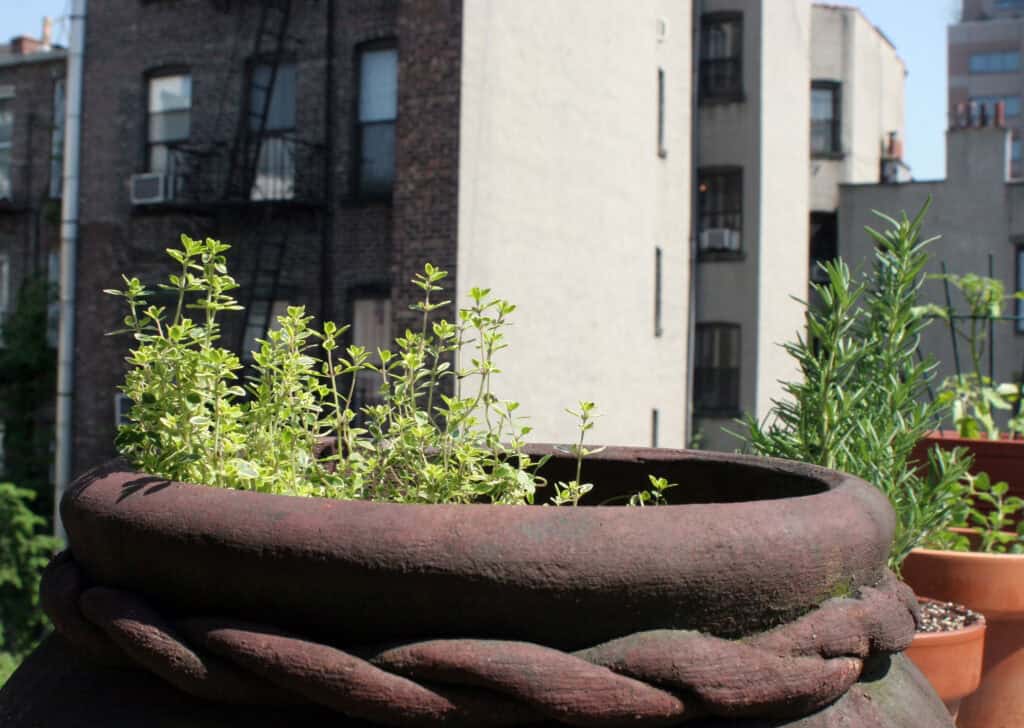
Mint is easy—it’ll literally grow like a weed. Just be sure to give it plenty of water and some shade, and maybe consider planting it on its own, as there is a fine line between abundant and invasive. Thyme likes sun and grows great from seed, mix with other plants for a full planter look. Rosemary wants shade from the afternoon sun and requires minimal water, but once it matures, it is ready to withstand most weather while also attracting important bugs. Oregano, dill, and parsley can all grow together in the same pot, as these herbaceous staples enjoy similar water requirements and can all tolerate full sun. Sage is almost like a succulent and can be neglected, ignored, and placed in the bright sun. Don’t bother with cilantro, though. The high heat makes it go to seed too quickly, meaning you’ll never see a worthwhile harvest—unless you’re on the quest for coriander, that is.
Tomatoes
Many people can appreciate a good summer tomato. It’s a delicious staple of salsa, bruschetta, caprese, or even on its own. Tomatoes are luckily very resilient and will grow just about anywhere. For container gardening, though, search for smaller varieties, such as cherry or grape tomatoes. These varieties can produce hundreds of fruit in a single season, getting sweeter as the air gets hotter. If you have a larger dedicated tomato space, Early Girl is a good variety for early-season planting, as is Roma.
Pro tip: Wherever you plant tomatoes, keep an eye out for sprouts the following spring. Tomatoes often become “volunteer” plants, giving you an extra year of the delicious yet controversial fruit-berry-vegetables.
Strawberries
Strawberries are considered a perennial because once you plant them, they can come back to produce for years. All you need is one solid year of growth and harvest. The trick is to find a nice, partially shaded location so the sun doesn’t dry out the fruit before it has a chance to mature. Be aware that squirrels will go after this plant, so keep an eye out for the cute vermin.
Peppers
Salsa and spicy dishes are deeply rooted in the region’s culinary traditions, largely because peppers grow wonderfully in the heat. Jalapenos, bells, anaheim, shishito, habanero, thai, and just about any other variety you can think of will thrive with regular watering and full sun exposure. The heat can make the pepper spicier, though, so be warned!
Peppers can grow into large plants when given the room, but can also be rooted alongside many other sprouts or seedlings as a natural pest control. Many bugs dislike capsaicin and will avoid the scent altogether, making peppers a perfect addition to any garden, even if not for eating.
Roots
Root vegetables can grow anywhere with just a little water. Simply throw in the seeds and keep the soil damp. Carrots, radishes, and beets all have a relatively quick turnaround for harvest. Radishes can turn to seed, though, and need to be harvested when the pink bulb is mature and poking out of the ground. Once these spicy, tender bulbs have gone to seed, the edible part becomes woody and undesirable. Beets can grow for a while before they are ready for harvest, but provide beet greens, which have a similar bite to chard. You can also try your luck at onions and potatoes, and in the fall, you can plant garlic cloves to harvest in spring.
All of these veggies are tried-and-true for any region, but quickly develop exceptional flavor in Phoenix.
Citrus
Drive into Mesa and you may encounter the historical Citrus Grove. This is not a coincidence, as citrus grows wonderfully in the general area. Oranges are especially hardy, with the high heat as a sugar activator. Pomelos and citrons can grow in just about any condition, as well. Lemons and limes do well, too, but require shade to make it to harvest—the buds can easily get sunburned. Since you are looking at patio-friendly fruit, be sure to look for dwarf citrus trees—you’ll still end up with a selection of navel oranges, meyer lemons, and mandarins, too.
Pro tip: Citrus trees can produce fruit for up to 10 months in Phoenix and the surrounding area, due to the warmer year-round climate.
Pollinators
Some plants are excellent at attracting pollinators and beneficial insects. While not all of these plants are true pollinators, they can help you attract those bumblebees, butterflies, and hummingbirds. While an excellent addition to the whimsical beauty associated with gardening, pollinator plants are the reason edible plants bear fruit. These plants can also attract harmful bugs, which subsequently help protect the nearby edible plants. A win-win, truly.
Pro tip: Hang a hummingbird feeder to ensure there are always pollinators nearby, even when these plants aren’t in bloom.
Geranium
Vibrant, highly scented, and tolerant of utter neglect, geraniums are here with the sole purpose of growing. Put in good soil, water lightly, and watch that small six-inch plant turn into a wine-barrel-sized flower bush in just a couple of short years. Geranium is also fairly easy to propagate to share the love with neighbors, friends, or extra pots.
Pro-tip: Geranium oil can be used for many natural remedies.
Lavender
Novice and advanced gardeners alike claim that lavender is a beginner’s friend and a must for any yard. It likes full sun, can survive in most soil conditions, and requires only light watering. With the pungent aroma, lavender attracts bees, butterflies, and zen neighbors who want to stop and smell the flowers. It is also used in natural bug repellent to keep mosquitoes away, which is enough to sell most of us on growing this fragrant bush. The trick for steady growth is to be sure this plant has plenty of space around it for air flow. It needs room to grow and spread its stems.
Hibiscus
A common desert drink is jamaica, a sweet tea made from hibiscus petals. Much like peppers, this vitamin C-rich beverage is popular because hibiscus grows wonderfully in the high heat of the desert. It likes consistently moist soil and warm to hot weather. In the winter, when the weather drops below 45℉, the plant should be moved indoors for longevity. During the spring, summer, and fall months, place this beauty in direct sun, as it can tolerate 6 to 8 hours of full sun while providing shade for more sensitive, domestic plants.
Canna lily
Big, luscious leaves, tubular, vibrant flowers, and an edible root make canna lilies a stunning and wonderful addition to any garden. The Canna lily typically starts modest in size but produces more shoots as it ages, necessitating re-potting almost yearly. The flowers that bloom in the early summer attract pollinators while the leaves create a tropical feeling in any space they so grace. If placed in direct sun, the leaves take on a purple hue. If grown in the shade, the leaves stay a vibrant green.
Lantana
Lantana can accommodate any space as it can grow up to 6 feet tall and 10 feet wide. It can remain small and manageable, too, when grown in a container with limited room. Once lantana is well established, it is drought-tolerant and needs little attention. An easy-maintenance plant, Lantana comes in various colors and can be found growing all over the city and surrounding valleys. Better yet, it attracts butterflies and hummingbirds, adding an extra dash of whimsy to your yard.
Sweet alyssum
Do you like the scent of orange-blossom honey? Sweet alyssum smells like orange blossom honey mixed with a decadently earthy fragrance. The white flowers—which are edible and delicious in salads—attract bees, butterflies, and other pollinators, too. Easy to grow from seed, this flower can be used as a cover crop for soil health or a standalone beauty that thrives in most Phoenix seasons—all two of them.
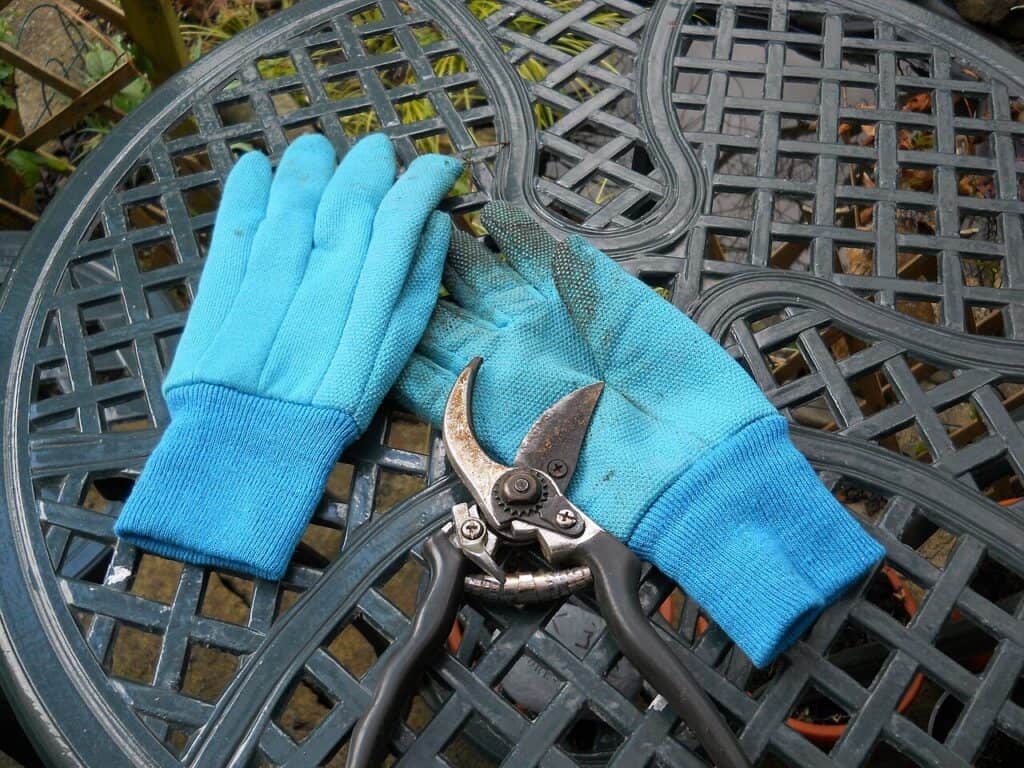
Pro tips for the most prolific growth
- Ceramic pots are best for temperature regulation, terracotta is a close second, and wood or plastic are tied for third. Metal, however, gets way too hot and can dry out the soil quickly, creating higher effort and higher water costs.
- Composted cow manure mixed into the soil before planting will help sun-bleached dirt regain some much-needed nutrients. This mild-smelling addition can be found in most stores’ garden soil sections.
- Mulch can help maintain moisture in the soil. Just be aware that pine shavings are an inexpensive option, but can leech nitrogen.
- Water in the early morning and late evenings for optimum plant health—on extra-hot days, consider watering twice, such as at 7 a.m. and 7 p.m. Watering midday should be avoided at all costs, as intense sunlight and heat rapidly evaporate water before it reaches the roots.
- If your patio gets direct, high sun for most of the day, sunshades and umbrellas can do wonders for your plants—they can burn, too.
- During the colder month—notice that isn’t plural—be sure to add compost, manure, or other forms of nutrients to the soil. Egg shells, coffee grounds, and orange peels are great for the sun-drenched soil, which can quickly lose its acidity. If you need an extra boost to the soil, plant clover, beans, lupines, or legumes. Even if the seed sprouts but doesn’t make it to harvest, the sprout will add necessary nitrogen back into the soil.
- Most of Phoenix is in USDA hardiness zone 9b, so be sure to look for plants specific to this zone.
- Take it easy on yourself. Some plants just won’t grow no matter what you do. While lavender is notoriously easy to grow, some people cannot keep it alive, but have luck with more temperamental plants. Like animals and people, plants have personalities, too. Sometimes, the personality just won’t gel with you, and that is ok. Move on to the next and try again in a future season.