Late summer is the best time for berry picking in Alaska. Discover what edible berries are available and where you can find them.
Berries are one of the most satisfying and versatile summer treats: You can eat them fresh, bake them into a pie, mix them into a salad, or use them as an ice cream topper. And while you can easily purchase a wide variety of berries at your local grocery store, nothing beats picking your own.
When berry picking in Alaska, you’re bound to find all sorts of edible varieties, from blueberries and strawberries to currants and huckleberries. But you’ll need to know where and when to look. That’s where we come in: In this post, we cover everything you need to know about berry picking in Alaska, from the types of berries available to the best places to forage for them. Keep reading to learn more.
When to go berry picking in Alaska
Alaska’s berry picking season runs from late July through early October, peaking in August and September.
Common edible berries in Alaska
There are more than 50 types of edible berries in Alaska. Here is an overview of some of the most common varieties:
Blueberry
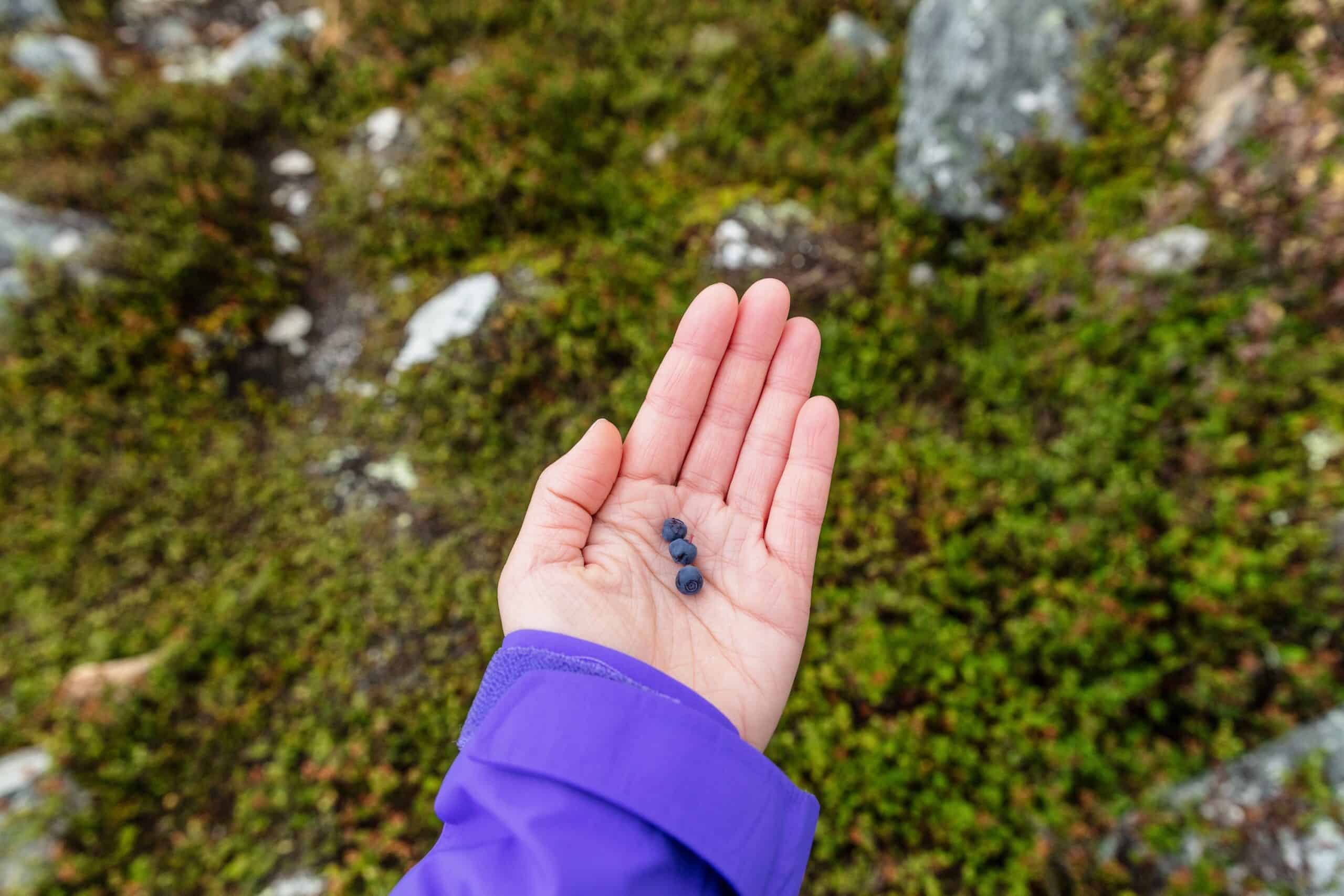
Blueberries are one of Alaska’s most abundant wild berries—and the second most popular berry in the United States. These beloved berries are small, round, and deep blue to purple in color. In Alaska, they typically ripen from mid-July through September and can be found in open woods, bogs, and tundra regions throughout the state.
The blueberry’s sweet flavor makes it a favorite for fresh eating, baking, and making jams and preserves.
Cloudberry
The cloudberry is a rosy peach-colored berry that’s related to red raspberries and salmonberries. Each cloudberry consists of several drupelets that together form a small, roundish berry.
In Alaska, the best time to harvest cloudberries is mid- to late summer. They typically grow in forests, bogs, and tundra landscapes.
Fresh cloudberries have a bright, tart flavor that leans sweeter when the berries are cooked. Cloudberries are commonly used in jams, jellies, and agutak, a traditional Alaskan dish.
Cranberry
Alaska is home to both lowbush and highbush cranberries. Lowbush cranberries (also called lingonberries) are tart, red berries that grow on mountain slopes, in forests, and on the tundra. They’re commonly used to make sauces and jams.
Highbush cranberries (which aren’t actually cranberries) are also tart, red, and frequently used in sauces, jellies, and jams. These berries grow in meadows and open woods.
It’s best to pick both berry varieties later in the season—preferably in the fall, after the first frost.
Crowberry
Crowberries are small, dark purple to black berries that grow close to the ground on tundra and coastal heathlands. They ripen in late summer and often remain on the plant well into fall.
Crowberries may have a similar appearance to blueberries, but they’re milder and less sweet. This lesser-known berry is commonly used in jams, jellies, and traditional Alaskan foods like agutak.
Currant
Wild currants grow on shrubs throughout Alaska’s forests and river valleys, producing clusters of red or black berries. Depending on the variety, they ripen from mid- to late summer and have a tart, slightly sweet flavor.
Currants are popular for jellies, syrups, sauces, and baked goods, such as cobblers and pies.
Huckleberry
Huckleberries resemble blueberries but are often slightly darker and have a more intense sweet-tart flavor. They grow in forests, on mountain slopes, and in subalpine areas, typically ripening between July and September.
The huckleberry’s rich flavor makes it an excellent berry for baked goods like pies and muffins, as well as jams and syrups.
Raspberry
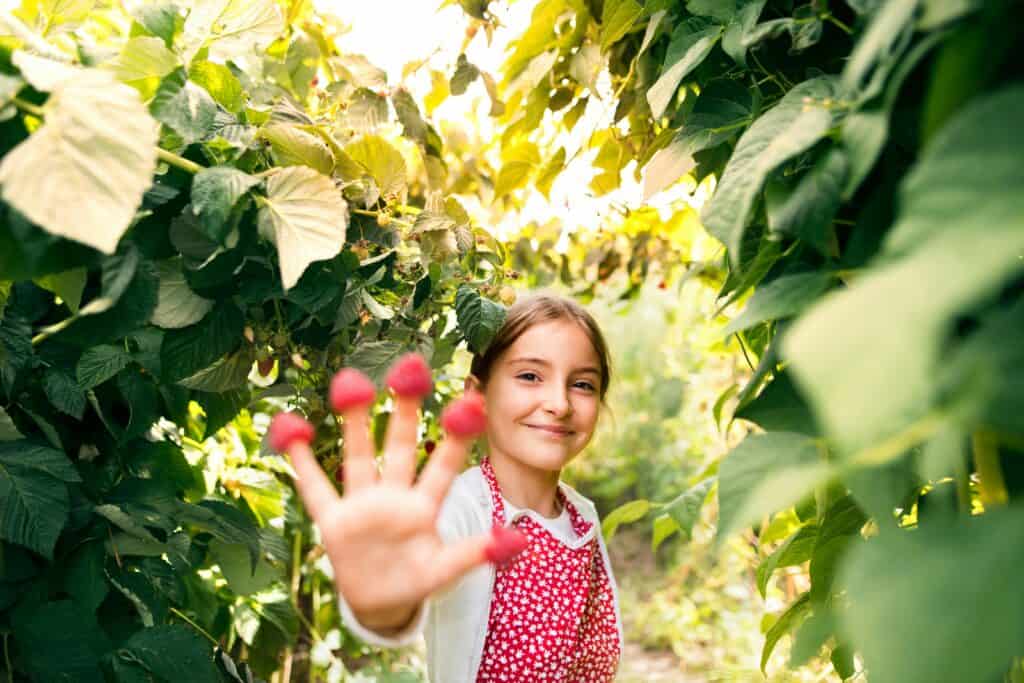
Wild raspberries can be found in forest clearings, roadsides, and disturbed areas throughout much of Alaska. These bright red berries ripen in mid-to-late summer and have an intense sweet-tart flavor.
Raspberries are commonly enjoyed fresh or used in desserts like cakes, cobblers, and crisps, as well as jams and sauces.
Salmonberry
Salmonberries are one of the earliest berries to ripen in Alaska, often appearing from June through August. They’re related to—and closely resemble—raspberries. However, their fruit is typically bright yellow or orange rather than red.
Salmonberries grow in moist forests, streambanks, and coastal areas, and their flavor can vary from mildly sweet to pleasantly tart depending on ripeness. Salmonberries are juicy and can be eaten raw, but they’re also commonly used to make jams and jellies.
Strawberry
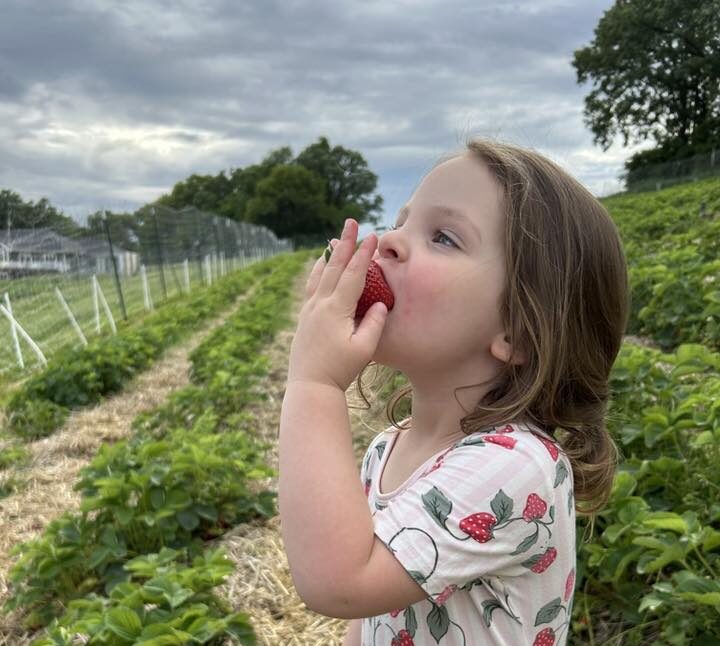
You can find the country’s most-consumed berry throughout Alaska. However, Alaska’s wild strawberries are much smaller than cultivated varieties and are prized for their intense sweetness. They typically grow in meadows and coastal areas, ripening in early to mid-summer.
Alaska’s strawberries are excellent fresh and are also used in desserts like pies and tarts, as well as in syrups and preserves.
Watermelon berry
Named for its mild watermelon-like flavor, the watermelon berry grows on leafy woodland plants in damp forests or other wooded areas across Alaska. The bright red berries have a slightly oblong shape and ripen in mid-to-late summer.
Watermelon berries are soft, juicy, and mildly sweet. They’re most often used to make juice, jelly, or syrup.
Pro tip: While you may be tempted to eat these berries by the handful when foraging, use caution if it’s your first time trying this particular berry, as its seeds have a mild laxative effect.
Where to go berry picking in Alaska
Although some species favor certain habitats, wild berries are plentiful across much of Alaska. Here are some popular spots for berry picking throughout the state:
- Interior Alaska: The trails and hillsides of Denali National Park and Denali State Park provide excellent opportunities for berry picking, especially if you’re looking for blueberries, crowberries, or lowbush cranberries. In Fairbanks, there are several well-known berry-picking spots, including Murphy Dome, Wickersham Dome, and the boggy flats along Nordale Road.
- Remote and coastal Alaska: Adventurous foragers may enjoy exploring berry patches across the tundra of the Seward Peninsula and along the coastline of Bering Land Bridge National Preserve. These remote areas are known for cloudberries, crowberries, and lowbush cranberries that flourish in Arctic conditions.
- Juneau: Southeast Alaska’s mild climate supports a diverse range of edible berries. Popular berry-picking locations around Juneau include the Eaglecrest Ski Area, the Perseverance Trail area, and the beachside trails of Douglas Island.
- Chugach State Park: Spanning nearly 500,000 acres just outside Anchorage, Chugach State Park is one of Alaska’s premier berry-picking destinations. Popular foraging areas include Flattop Mountain Trail and Rendezvous Peak Trail, where hikers will find a wide variety of wild berries.
- Sheep Mountain: Sheep Mountain offers alpine terrain and open slopes that can produce abundant berry crops—particularly blueberries, crowberries, and cranberries—during peak season.
- Kenai Peninsula: The Kenai Peninsula is home to many popular berry-picking locations, including Skilak Lake Road and Manitoba Mountain, where foragers may find blueberries, cranberries, crowberries, or salmonberries, depending on the season.
Safety tips for berry picking in Alaska
Berry picking is one of Alaska’s most rewarding outdoor activities, but before you venture into the wilderness in search of nature’s tasty treats, there are a few important safety considerations you should keep in mind:
- Learn to identify berries correctly: Some poisonous berries closely resemble edible berries. For example, the baneberry is a very common poisonous berry in Alaska, and it looks a lot like the edible highbush cranberry.
- Avoid white berries: In Alaska, all white or opaque berries are poisonous and should not be picked or consumed.
- Be bear aware: Bears love berries just like humans do, so it’s important to stay alert while picking to avoid a potentially dangerous encounter. It’s recommended to make noise to announce your presence, forage in groups, and carry bear spray.