You don’t have to be a geologist to enjoy searching for colorful agates, crystal-filled geodes, and ancient fossils. Here’s where to start looking in the Bluegrass State.
The next time you hike a Kentucky trail, don’t forget to look down.
The state’s creek beds, lake shorelines, and rocky trails offer more than scenic views. They also reveal colorful Kentucky agates, crystal-filled geodes, and fossils that formed hundreds of millions of years ago.
At first glance, they may not stand out from the rocks around them. Sometimes, all it takes is picking one up and turning it over in your hand.
Rock hunting doesn’t require a geology degree or expensive equipment. It simply asks you to slow your pace and pay attention to parts of the landscape many people walk right past.
Whether you’re exploring Red River Gorge, spending the day at Lake Cumberland, or taking a scenic drive through eastern Kentucky, these are some of the best places to start looking.
1. Search for gemstones at Red River Gorge
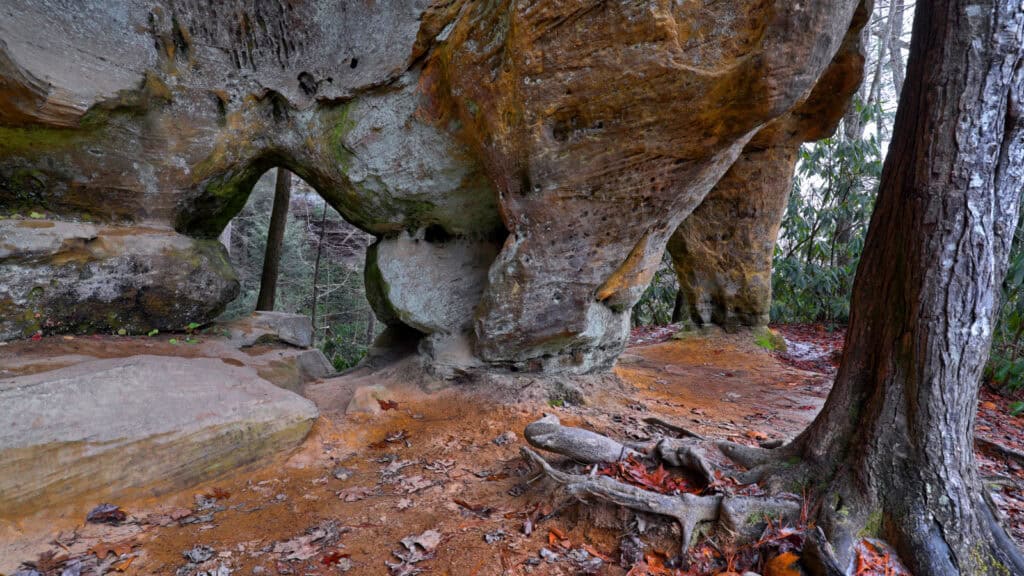
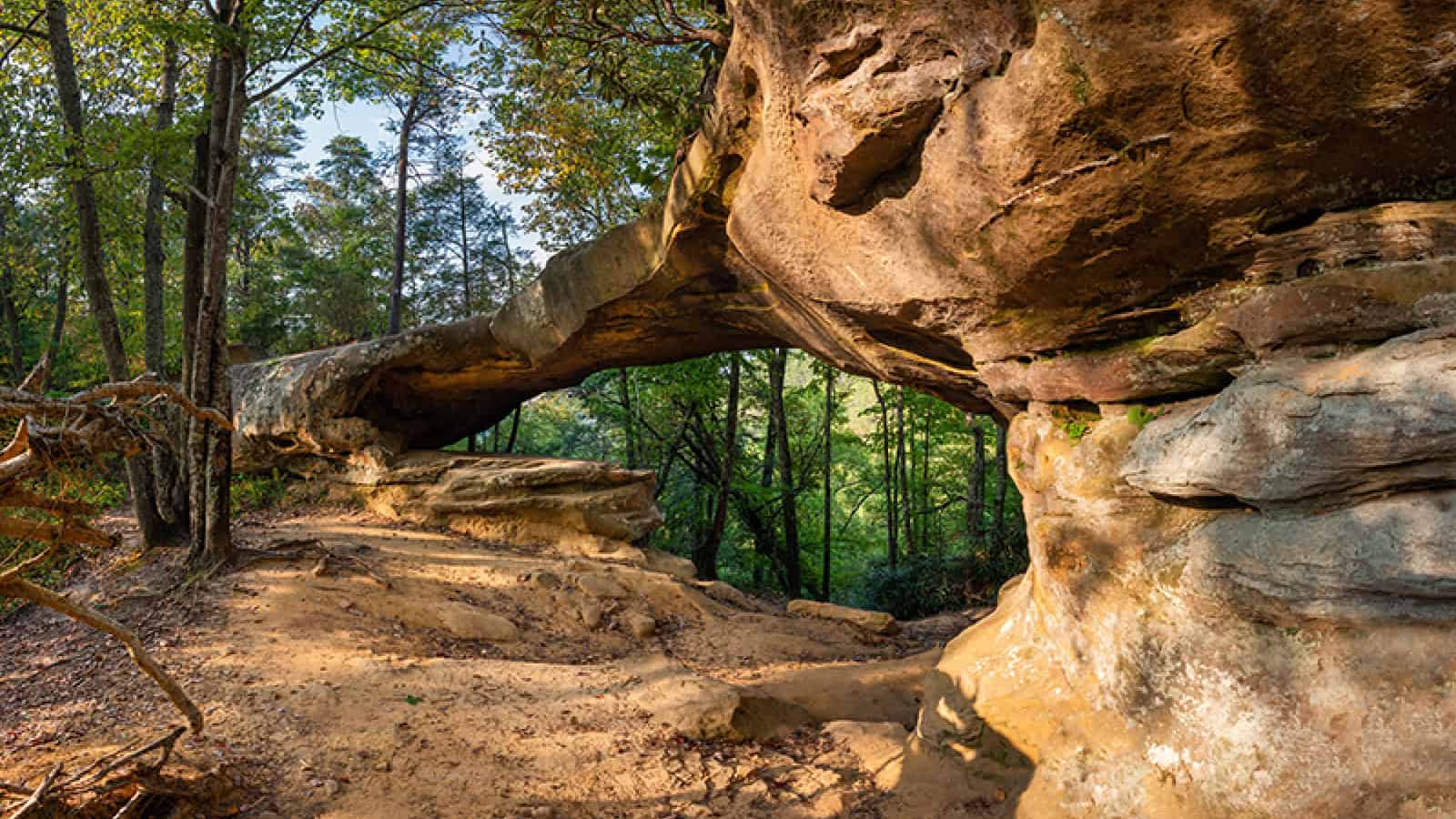
Red River Gorge sits about an hour east of Lexington and ranks among Kentucky’s best-known outdoor destinations. People come for more than 100 sandstone arches, rugged cliffs, forested trails, and sweeping overlooks. They also come to search the streams that wind through the gorge. Those creeks rank among the best places in the state to look for Kentucky agates, colorful stones with bands of red, orange, yellow, white, and gray.
Where to look: Search creek beds and gravel bars after a heavy rain, when moving water often exposes new stones.
2. Find fossils at Lake Cumberland
Houseboats drift through quiet coves. Anglers cast for striped bass. Families spread towels along rocky beaches. Lake Cumberland in south-central Kentucky stretches more than 1,200 miles of shoreline and has become one of the state’s favorite destinations for boating, camping, and fishing. Its shoreline tells an even older story.
Hundreds of millions of years ago, a shallow sea covered much of what is now Kentucky. Today, changing water levels and natural erosion continue to expose fossils from that ancient world.
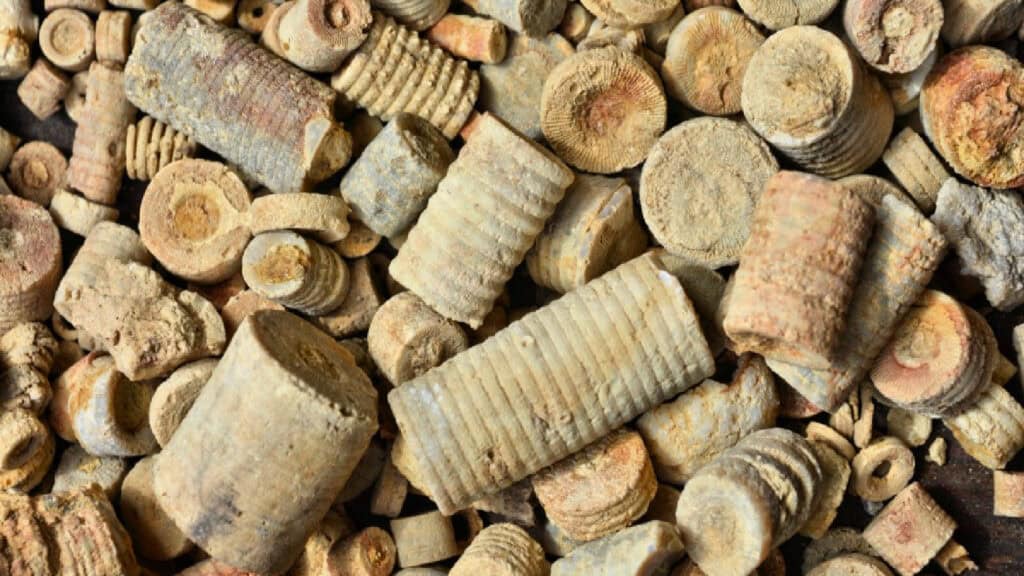
Where to look: Walk rocky sections of shoreline, especially when lower water levels expose more rocks. Keep an eye out for crinoids that look like stacks of stone beads, fossilized coral, and brachiopods, shell-like marine animals preserved in stone. Most people walk right by them.
3. Hunt for geodes in Lincoln and Pulaski counties
The rolling farmland, limestone bluffs, and winding creeks of south-central Kentucky don’t hint at what’s hidden beneath the surface. They also make Lincoln and neighboring Pulaski counties some of the state’s best places to hunt for geodes.
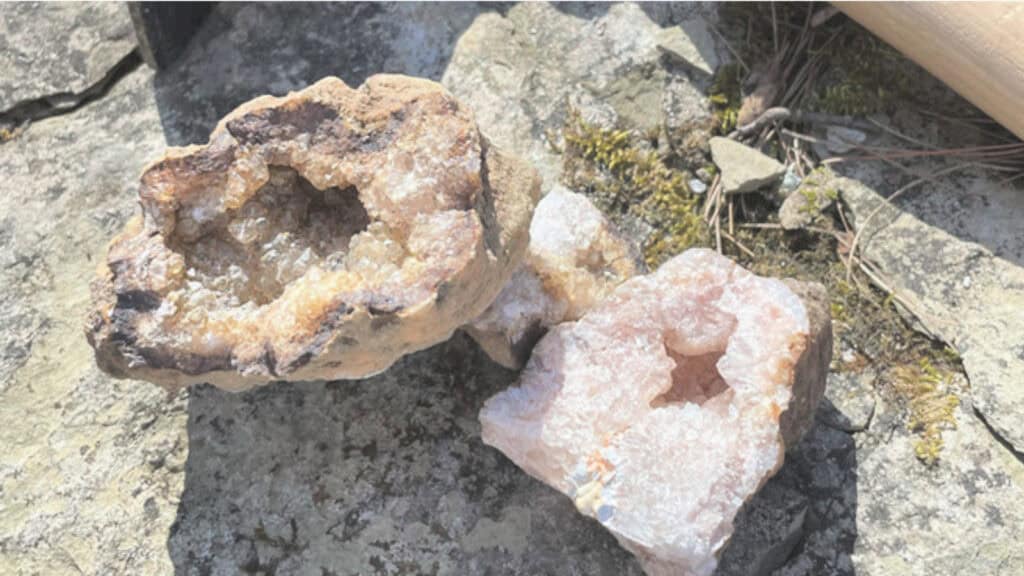
Picking up an ordinary-looking rock and wondering what’s inside is part of the fun. Most geodes have rough gray or tan exteriors that give no hint at what’s inside. Crack one open, and you may find a hollow center lined with sparkling quartz crystals. That’s what keeps collectors coming back.
Where to look: Search creek beds and gravel bars in Lincoln and neighboring Pulaski counties for rounded rocks that stand out from the surrounding gravel. Many collectors head out after periods of high water, when creeks wash fresh rocks into view.
4. Look for ancient fossils on a scenic drive near Louisville
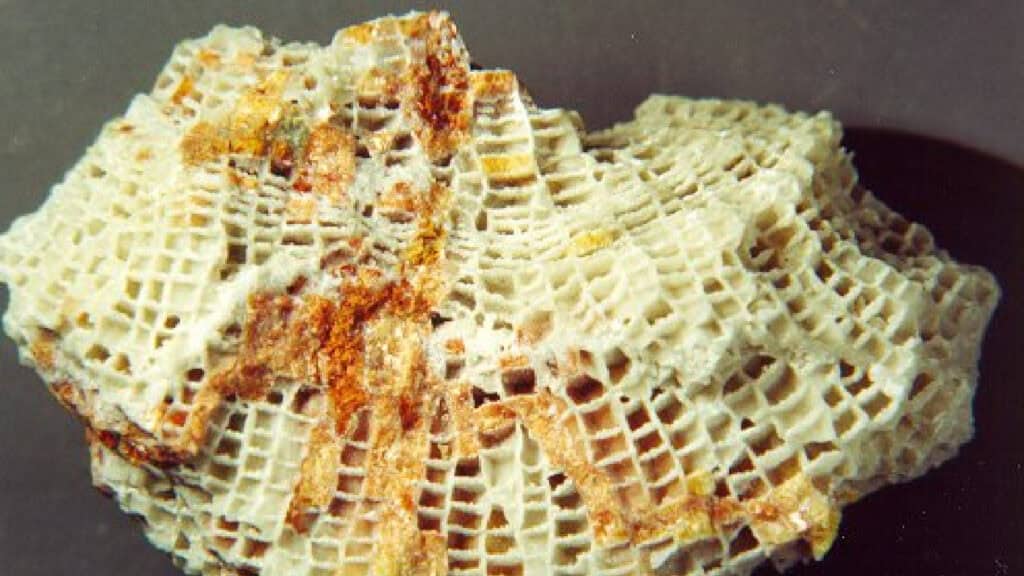
Not every fossil hunt requires hiking boots. Just east of Louisville, road cuts near Taylorsville reveal layers of limestone that preserve ancient marine life. Today, you can still spot fossilized coral and shell-like animals that once lived on the seafloor.
Where to look: Look along KY-55 north of town and KY-44 east of Taylorsville. Pull completely off the road where it’s legal and safe, and never climb a road cut or stop where you could block traffic.
5. Join a guided agate hunt at the Mountain Mushroom Festival
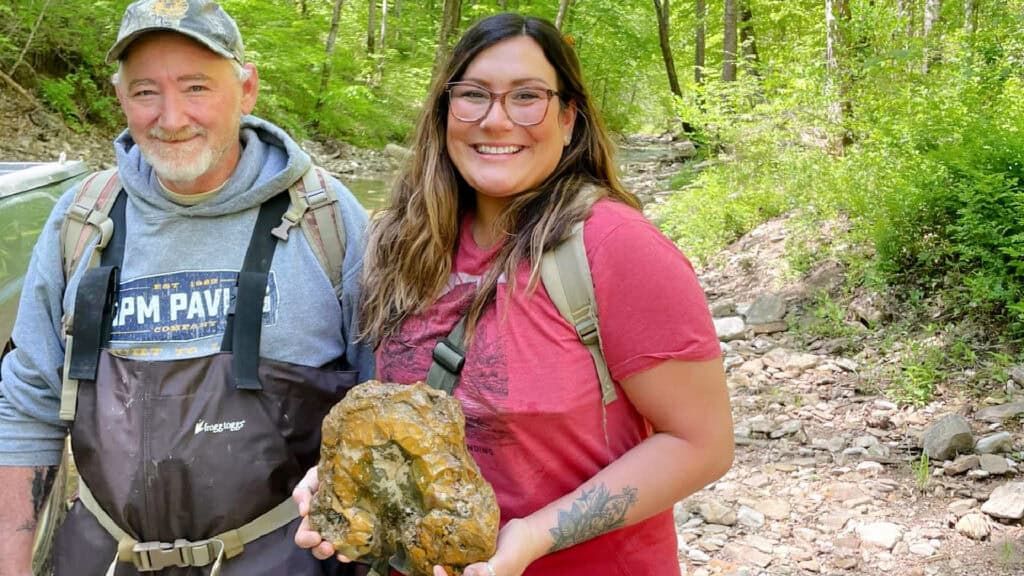
Every spring, the small town of Irvine in eastern Kentucky celebrates two local treasures: morel mushrooms and Kentucky agates. The Mountain Mushroom Festival combines Appalachian food, live music, arts and crafts, and one of the state’s most unusual outdoor adventures. Guided agate hunts give beginners a chance to learn from experienced collectors while exploring the hills and creeks where many of Kentucky’s famous agates turn up.
Where to look: Reserve a spot on one of the festival’s guided agate hunts, where local collectors teach participants what to look for and where to search. The festival also hosts a Kentucky Agate, Gem & Mineral Show, where you can see some of the state’s best finds up close.
Know the rules before you head out
Learn the rules before you pick up a rock. You can’t collect everywhere. National parks don’t allow visitors to remove rocks, fossils, or other natural objects. Rules vary on other public lands. Always ask permission before collecting on private property.
You don’t need much to get started. Wear sturdy shoes, bring water, and take your time.
Rock hunting rewards patience more than speed. You may leave with a colorful agate or a crystal-filled geode. Or you may simply leave with a new reason to slow down and appreciate what’s under your feet.
Don’t know what you found? Ask a geologist
If you’re stumped by a rock, fossil, or mineral, the Kentucky Geological Survey offers a free “Ask a Geologist” service. Email clear, in-focus photos of your find to kgsmail@uk.edu along with the Kentucky county where you found it and an item for scale, such as a coin or ruler. Survey geologists can often help identify what you’ve discovered.