Trilobites, geodes, and septarian nodules—Utah boasts some of the weirdest and coolest rocks on the planet. Here’s a quick guide on how to find them.
Scott Stevens, co-owner of the rock and coffee shop From the Ground Up (239 E 300 S, Salt Lake City), holds a button-sized magnet between two fingers, hovering it over a huge, metallic rock on the counter. “Watch this,” he says. Ping! The magnet zips straight to the rock, and Stevens demonstrates how you can almost pick it up using the tiny magnet; it’s so stubbornly stuck to the surface.
What’s the name of the rock? Magnetite, natch. (You can also call it a lodestone.) Stevens and his partner and shop co-owner, Jennifer Borst, discovered this specimen during a recent rockhounding trip to Iron County. “It’s the most magnetic substance on Earth,” he explains.
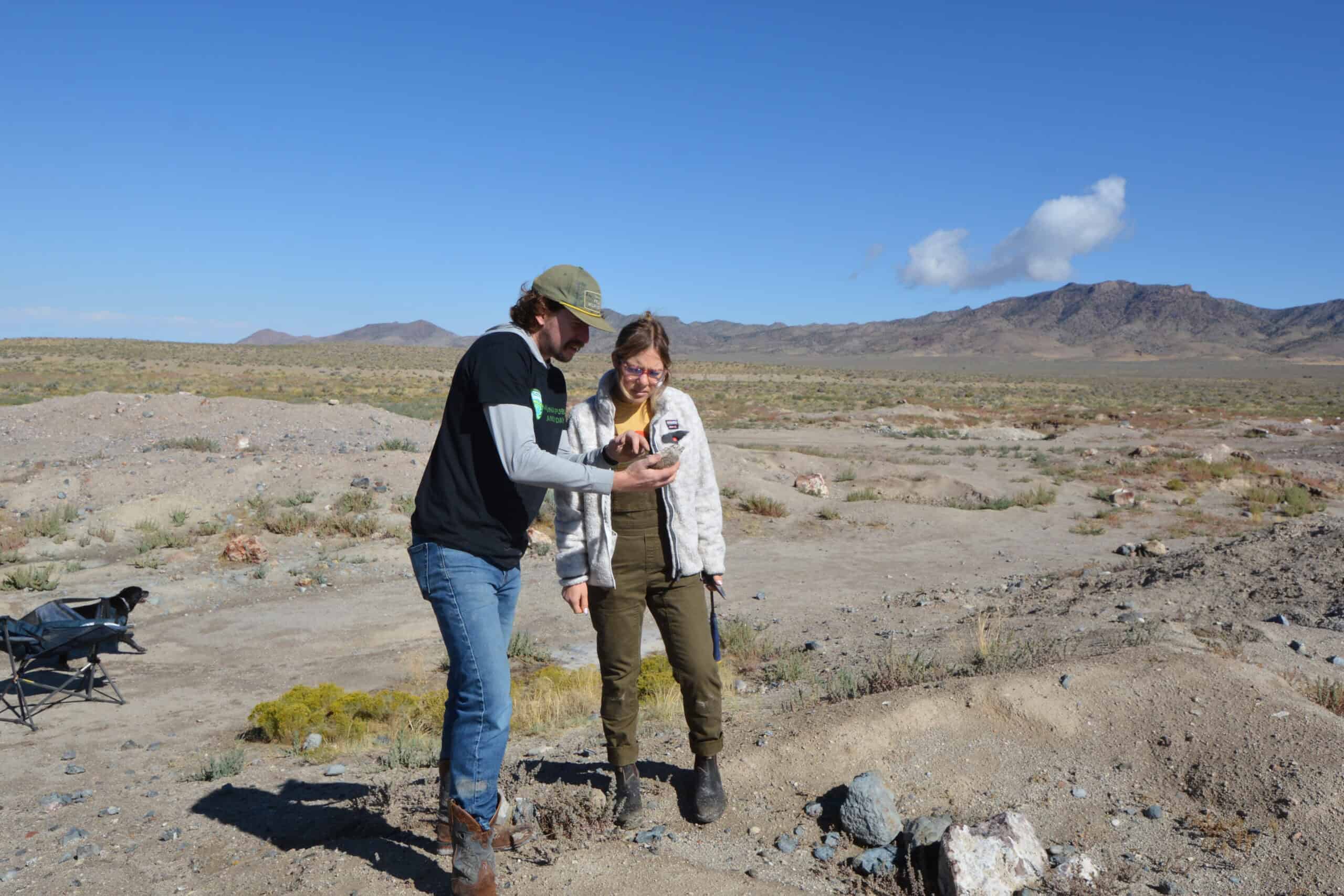
Stevens, who’s been rockhunting (or as we say in Utah, rockhounding) since the mid-1990s, fills his shop with specimens from all over the state, including many discovered on private mining claims. Borst, who worked as a federal ranger at Fossil Butte National Monument in Wyoming, has a background in paleontology and is, Stevens says, “a fossil nut.” Between the two of them, they can probably answer any question a person has about rockhunting in Utah.
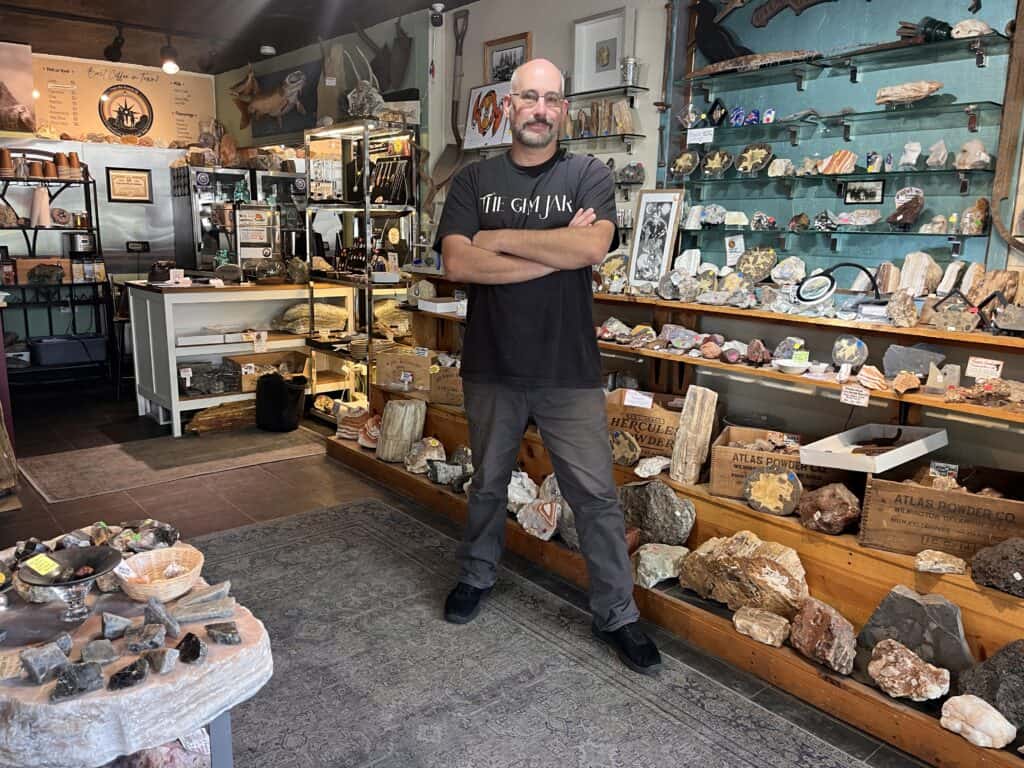
Stevens says that beginners probably don’t need heavy tools, or any tools at all, depending on the location and what’s being sought.
“You can find heavy hammers, chisels, and shovels, backpacks—pretty much everything you need—at your local hardware store,” he says. “Most places, you don’t need that. If you’re on an agate deposit, you want a little rock pick and a backpack. That’s it.”
He encourages people to seek out their local mom ‘n’ pop rock shops, like Bryson’s in Ogden, for advice on tools specific to their rockhunting site. “Check out local rock clubs,” he says.”Those guys are full of information. There’s a lot of old people, you know, they’ve been at it for a long time.” He also recommends FalconGuides’ “Gem Trails of Utah” field guide.
The most important things to keep in mind, Stevens says, are legality, safety, and ethics.
“Find out the land status, and what the rules are,” he says. “Most federal land, BLM land, has basic rules on what you can do—minimal surface disturbance, only taking a reasonable amount of material for personal use.” The Utah Geological Survey Office maintains this guide to rockhunting on federal, state, and private land, including information on penalties and links to permits in fillable PDF form.
Stevens says safety and ethics tend to come down to common sense and good manners.
“We lose [access to] land due to lack of ethics,” he says. “You’ve got people out there throwing trash around, doing stupid stuff, and then they wonder why they get shut down. You get permission from a rancher, for instance; you’re out there digging holes on his land. Right. If he’s got cows, fill your holes in. Leave gates as you find them. Pick up trash that isn’t yours.” And definitely don’t touch Native American artifacts.
If you’re an avid hiker, or spend time on public land, you already know how to stay safe: overprepare. Check your spare tire, bring more water and food than you think you’ll need, wear closed-toe shoes, apply plenty of sunscreen and bug spray, have paper maps in addition to the GPS.
“Always carry more, and not only for yourself, but for other people,” Stevens says. “One time I had a family come out of the woods from hiking, just on the verge of heatstroke. I opened up the cooler and passed out Gatorades. Safety expands to other folks, too.”
Here are some beginner-friendly but very productive rockhunting sites below. For those who want to try their luck on private land, From the Ground Up will also be organizing eco-tours on private mining claims, after the summer heat passes; call or stop by the shop for more information.
“It’s all good, even if you don’t find a single rock,” Stevens says. “You’re out there looking at lizards and wildlife, and there’s ravens, and there are all these things you can see—just the land itself is unlike anything a lot of people have seen before.”
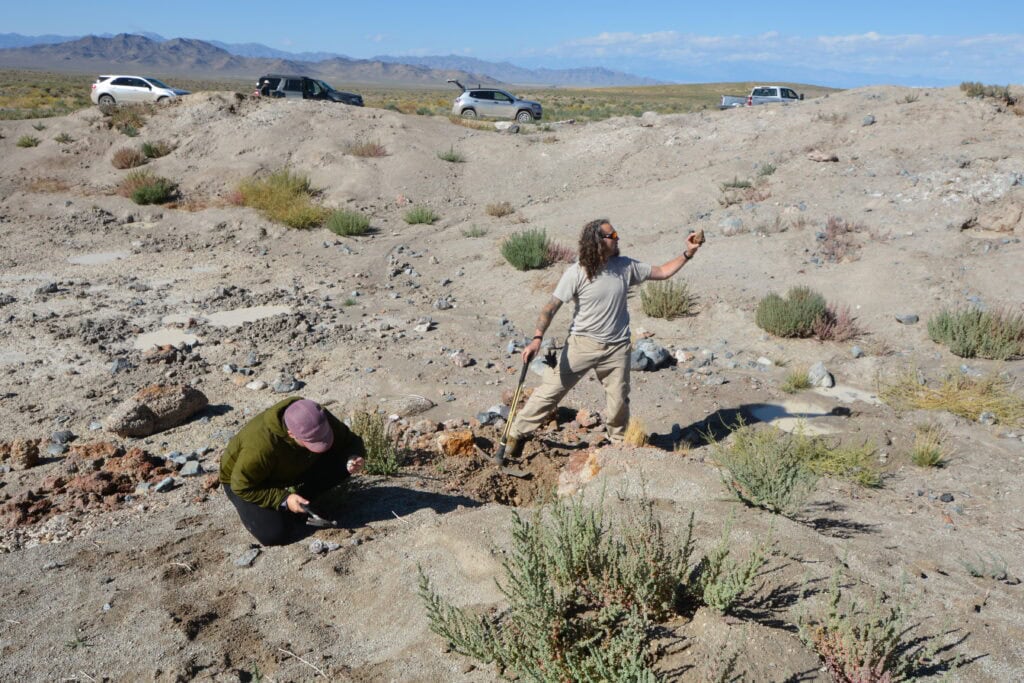
Dugway Geode Beds
Location: Fillmore BLM Field Office, 95 E. 500 N., Fillmore
Cost: Free
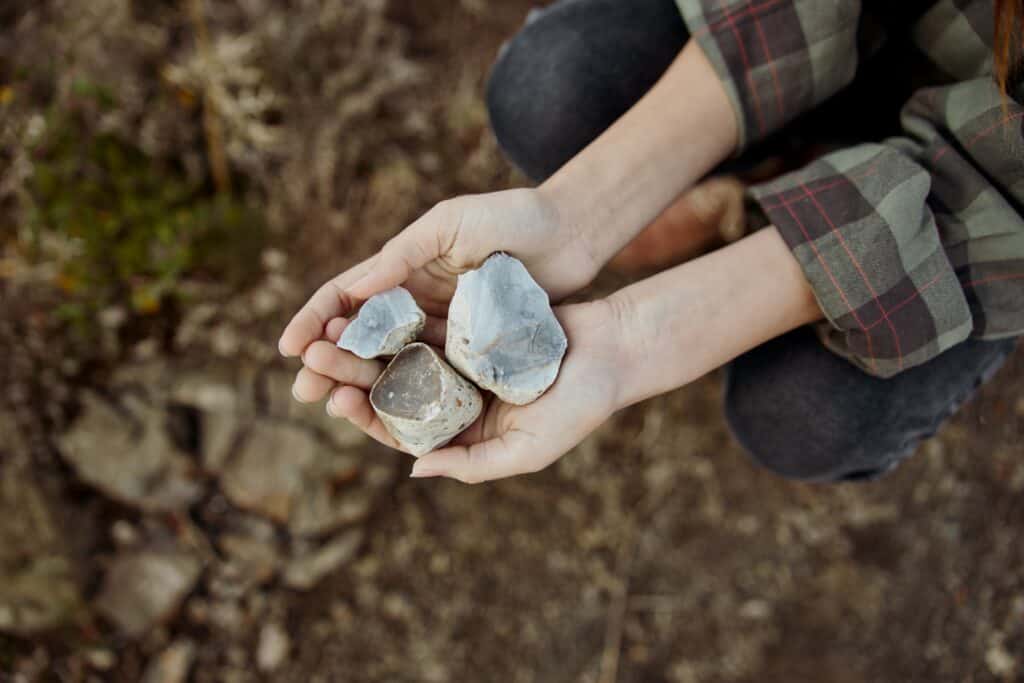
Located on BLM land, the Dugway Geode Beds offers a great way to get started with rockhounding: it’s free, and doesn’t require a permit to collect. Though they often look gray and unassuming on the outside, these two-to-four-inch hollow rocks conceal neat geological surprises inside, including sparkly, colorful crystals. This site often offers up geodes full of white, purple, or pink quartz. Start by visiting the BLM’s Fillmore Field Office page, where you’ll find detailed driving directions, advice on tools to pack, and how to find your quarry (pun intended).
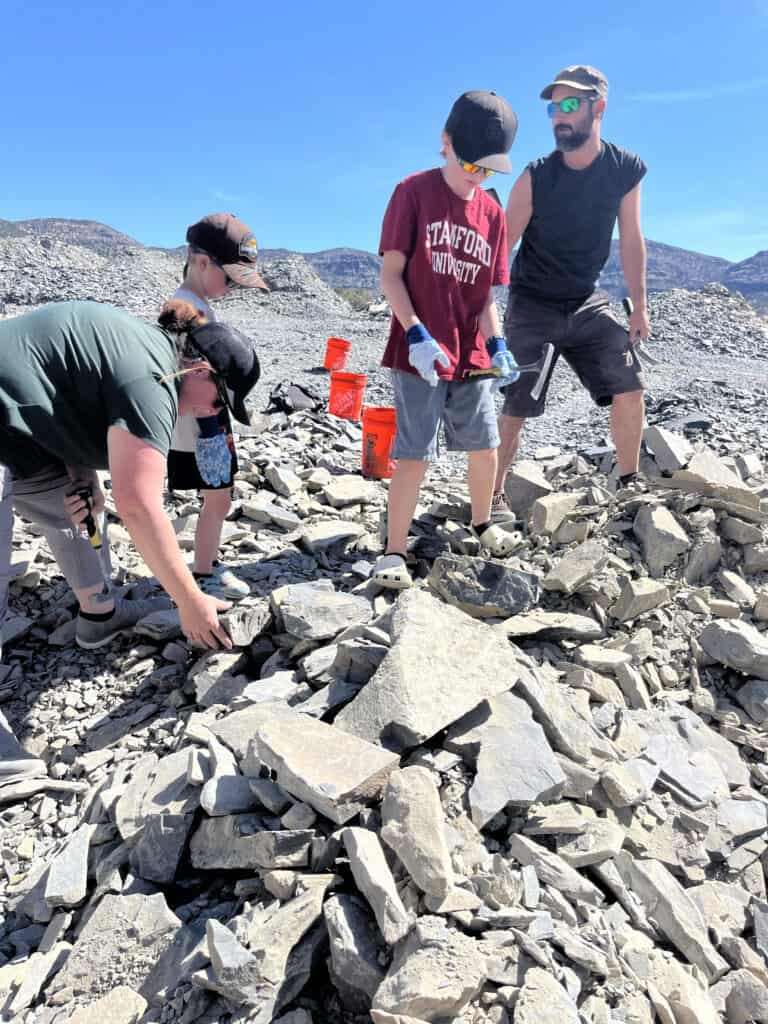
Millard County
Location: Delta, Fillmore, and Hickley, UT
Millard County is rich with opportunities to go rockhunting, including at the Antelope Springs Trilobite site, Sunstone Knoll, Topaz Mountain, and Fossil Mountain.
But not all sites are alike—find out the status of the land before you head out. BLM sites generally allow individuals to collect “reasonable amounts” of rocks or fossils, but read this page on specific regulations before you start filling up your backpack.
State lands require a permit from the School Institutional and Trust Lands Administration, located at 675 East 500 South, Suite 500, Salt Lake City. Permits are $10 per person per year, or $200 per family, which allows you to collect up to 25 pounds of rocks per person.
Millard County is also home to U-Dig Fossils, a managed, private site that offers ticketed access to a particularly rich trilobite quarry; admission is $22 for kids, $44 for adults.
For a detailed breakdown of rockhunting sites in the county, the Great Basin Territory Explore Guide is a helpful and detailed resource.
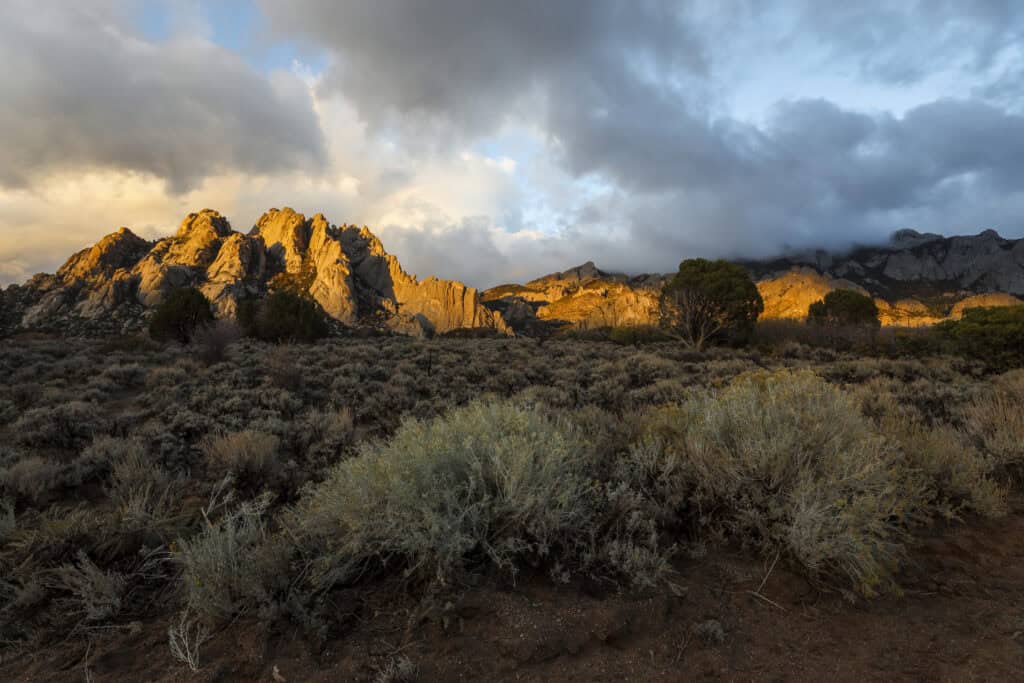
Mineral Mountains
Location: Rock Corral Recreation Area, Upper Ranch Canyon Rd., Milford
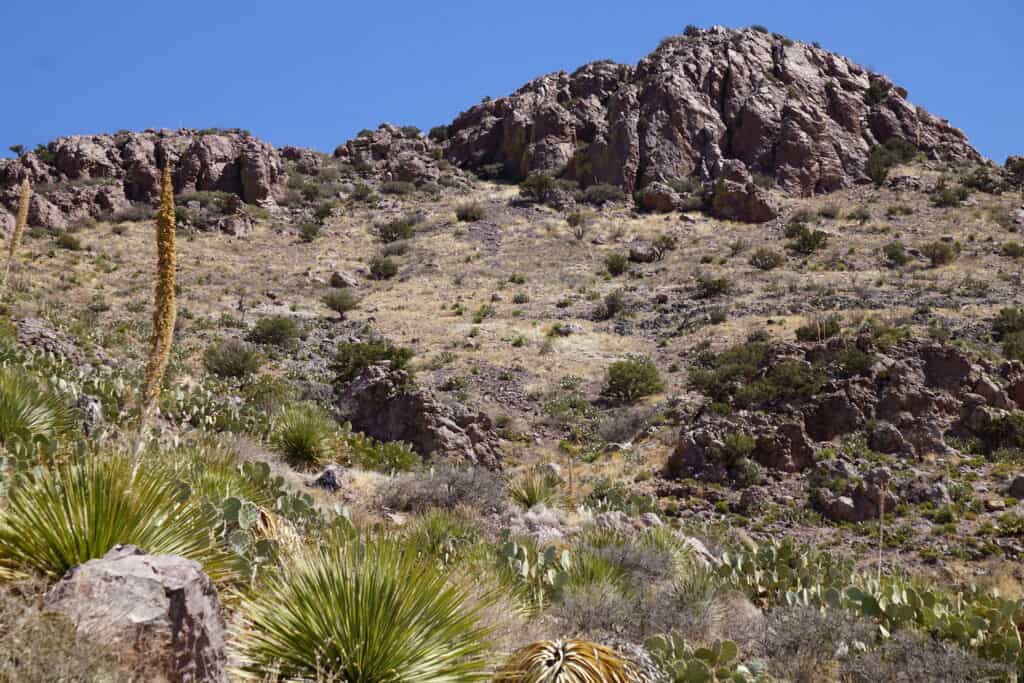
Located in Beaver County, the Mineral Mountains offer the rockhunter a chance to find minerals like feldspar and smoky quartz as well as gems like opal and blue beryl. Most people use the Rock Corral Recreation Area as their starting point.
This site offers some of the most spectacular landscape views and wildlife you’ll find on a rockhunting trip. Located primarily on BLM land managed by the Cedar City Field Office, this site does contain some private claims, so take care to check land status. Beaver County recommends Minersville pyrite and malachite tailings and the Milford obsidian cut as two good (and legally OK) rockhunting options.
Wonderstone Quarry
Location: Vernon, UT
Wonderstone sounds like something out of a fantasy YA series, but it’s actually a glassy volcanic rock, swirled with warm bands of color including ivory, yellow, orange, and purply reds. It’s a favorite for rock-polishers and jewelers, for obvious reasons.
The Wonderstone Quarry in Vernon is one of the richest sites in the world for this stone, though there are a few things you should know before you go. You can find wonderstone on the sides of the road, but to traverse that road, you’ll need a sturdy vehicle, preferably one that’s four-wheel-drive. The quarry also sits on a mix of public and private lands, so keep your eyes open for signage or signs of land disturbance which could indicate a private mining claim.