Looking for an ethical alternative to the zoo? Discover why The Wild Animal Sanctuary belongs on your Colorado bucket list.
In “Remarkably Bright Creatures”, an octopus named Marcellus narrates each of his days, always beginning the same way: “[insert number] of my captivity…”
“Captivity” refers to his life in a Washington aquarium, where he was taken after being attacked and injured by a wolf eel. While the aquarium saved his life and nursed him back to health, Marcellus isn’t entirely grateful for his rescue because it also took him away from his home, a place he loved. Similarly, in the movie “Penguins of Madagascar,” the penguins are constantly plotting their next escape from the zoo and returning to their home.
And while yes, these characters are fictional, every time I step foot in a zoo, or even a pet store, I can’t help but wonder if the animals there are also thinking about their home and what they left behind.
Because of this, I spend more time wondering what the animals are thinking than I do simply looking at and learning about them. Would they choose to be somewhere else if they could? It’s a question that makes it hard for me to enjoy zoos, aquariums, and the like even though I know the answer isn’t exactly straightforward.
What I do know is that zoos aren’t the only option for seeing animals up close. In fact, there’s a more ethical alternative: wildlife sanctuaries. Rather than taking animals from their natural habitats, wildlife sanctuaries exist to rescue those that have been abused, neglected, abandoned, or can no longer survive in the wild. The animals aren’t removed from their homes; instead, they’re removed from unsafe and inhumane situations and given a second chance at life.
In Colorado, you can visit the country’s largest wild animal sanctuary: The Wild Animal Sanctuary (TWAS). Here are all the reasons you should plan a visit to the sanctuary instead of the zoo.
Experience one of the world’s largest exotic animal sanctuaries
The Wild Animal Sanctuary (TWAS) is an easy day trip from Denver, located on 1,450 acres of grassland in Keenesburg. The sanctuary has two core missions: “to rescue abused, neglected, abandoned, and illegally owned exotic animals and provide them with lifelong homes,” and “to educate the public about the causes of and solutions to the world’s captive wildlife crisis.”
Believe it or not, the exotic animal trade is the third-largest source of illicit profits in America. Since 1980, TWAS has traveled across the country and around the world to rescue animals from neglect, abuse, roadside zoos, the exotic pet trade, and other unsafe situations.
Because these animals have spent much of their lives in captivity, returning them to the wild often isn’t possible. Instead, TWAS gives them the next best thing: expansive, species-specific habitats where they can roam freely, explore, and live as naturally as possible for the rest of their lives.
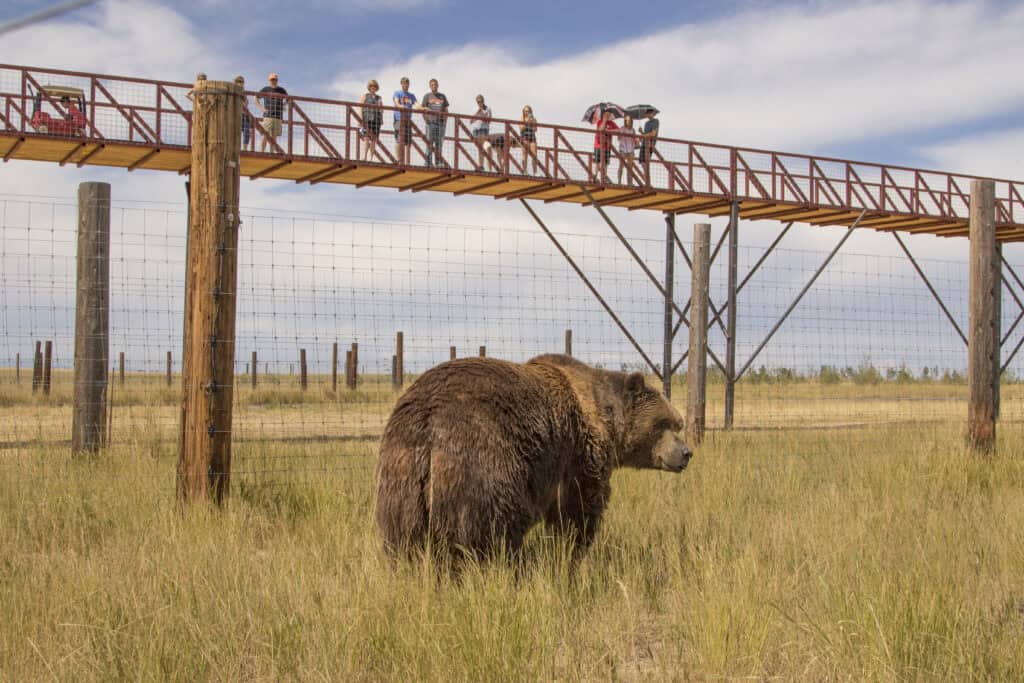
See rescued animals roaming in expansive natural habitats
Once rescued, the animals are placed in spacious, species-specific habitats designed to mimic their natural environments. You’ll see lions, tigers, bears, wolves, leopards, jaguars, hyenas, and many other rescued animals.
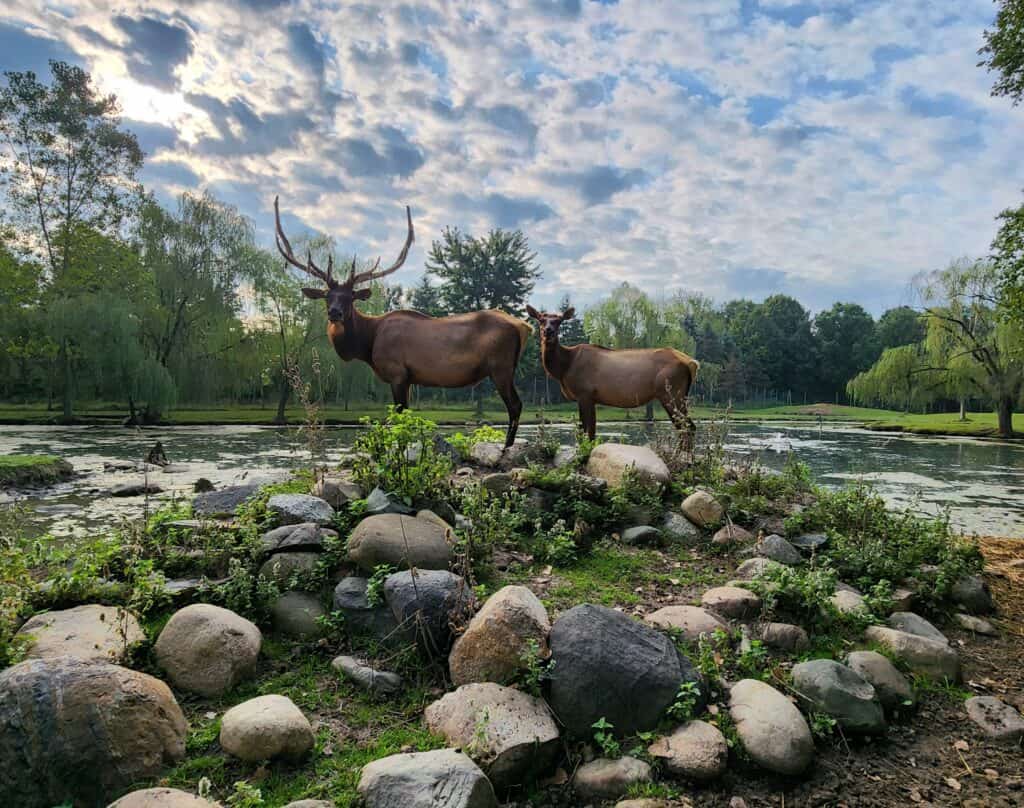
Since the habitats are specifically made to meet the needs of the rescued animals, there are more than 90 habitats across the prairie grasslands, ranging in size from 5 to 25 acres. Each one is thoughtfully designed and includes features like underground dens, shade shelters, climbing and play structures, enrichment toys, lakes, and seasonal pools to encourage natural behaviors and provide plenty of room to thrive.
Even the feeding time reflects life in the wild. Rather than following a strict daily schedule, the sanctuary feeds its animals at random times, encouraging the instincts and behaviors they would naturally use to search for food in the wild.
Walk the iconic “Mile Into the Wild”
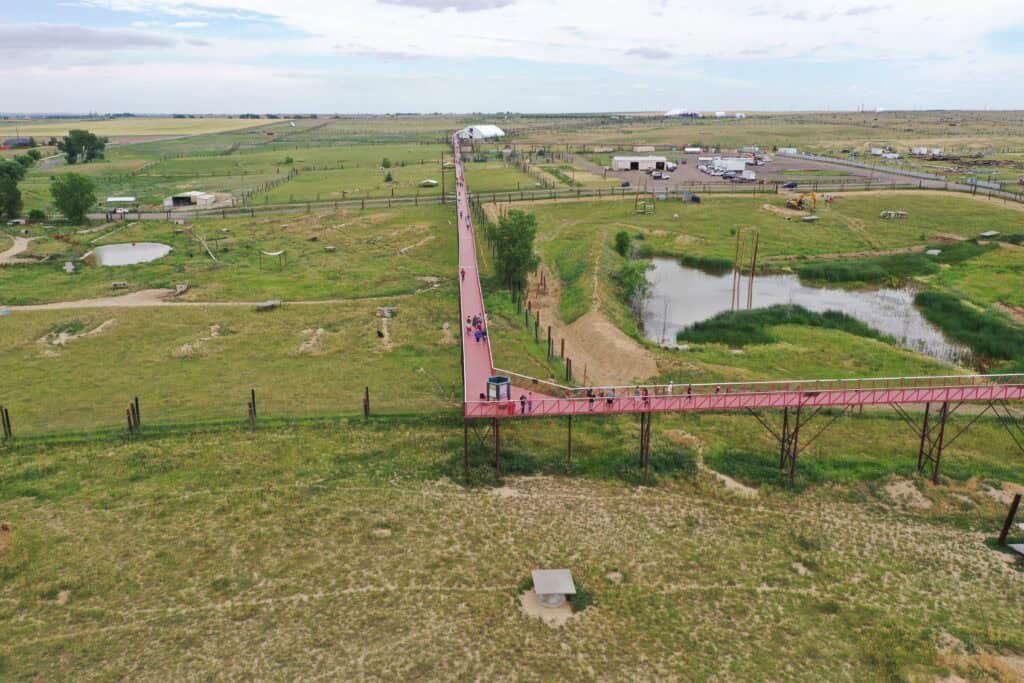
At The Wild Animal Sanctuary, you can truly “take a walk on the wild side” along the incredible “Mile Into the Wild” elevated walkway. Stretching 1.5 miles one way (3 miles round trip), it’s the longest elevated wildlife walkway in the world and gives you a unique bird’s-eye view of the sanctuary’s animals as they freely roam their expansive habitats.
Before setting out, you can rent strollers, motorized wheelchairs, and binoculars to make the experience even more enjoyable. Most visitors spend four to five hours exploring, stopping frequently to watch the animals below, listen to the audio kiosks, and chat with the volunteers along the walkway.
You might be wondering why they have elevated walkways instead of the traditional exhibits seen at zoos. Wild animals naturally respond to unfamiliar people by either avoiding them or defending their territory. This is known as fight or flight. In a traditional exhibit, those options are limited. The animal can neither fight nor flee. This can create unnecessary stress for the animals.
However, the sanctuary recognized that many large carnivores don’t view the sky as part of their territory, so building the walkway overhead allows visitors to observe them without entering the space that the animals perceive as their own. This design results in a more natural, low-stress environment for the animals and a unique experience for guests. It has also inspired other wildlife facilities (including some zoos) to rethink how they can create habitats that will benefit the animals.
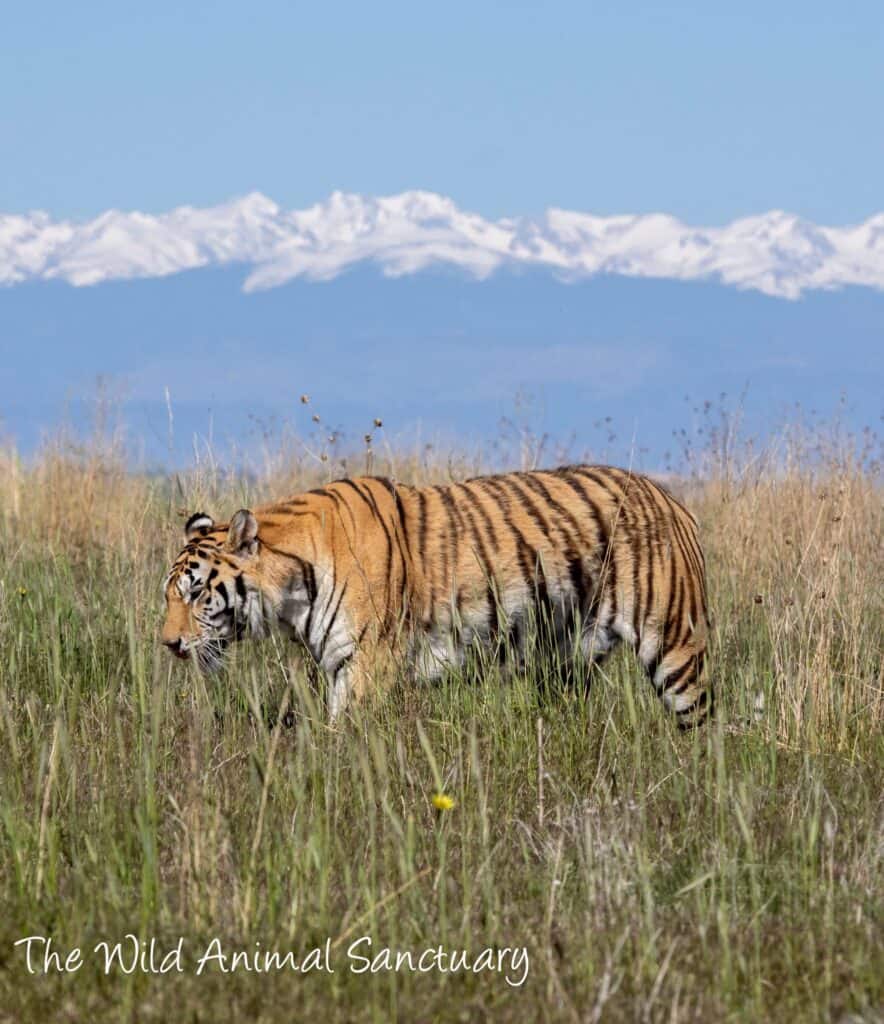
Meet hundreds of animals with incredible rescue stories
Over the years, TWAS has rescued more than 1,000 animals and currently cares for over 750 rescued residents. Every one of these animals has a unique story. They’ve been rescued from illegal and abusive situations all over the country and the world, including roadside zoos, backyard cages, breeding facilities (including tigers from the infamous Netflix series Tiger King), the entertainment industry, and many other unethical situations.
Today, these animals get a second chance at life in the sanctuary’s expansive habitats. During your visit, you’ll see lions, tigers, bears, wolves, jaguars, mountain lions, leopards, cheetahs, and so many more species roaming their homes. (There’s even a rescued raccoon!)
You can read each animal’s rescue story on the sanctuary’s website, but their stories truly come to life when you visit and see firsthand the difference the sanctuary has made. It’s incredible to see animals that once lived in neglect or abuse now free to roam, play, rest, and be wild again.
If you’re looking for another way to support the sanctuary and connect with your favorite animal, you can even “adopt” an animal through a monthly or annual sponsorship. Your adoption helps provide food, veterinary care, enrichment, and lifelong care for that animal. As a sponsor, you’ll also receive free admission to the sanctuary along with several other perks. This symbolic adoption is also a great gift for the animal lover in your life.
Enjoy a peaceful alternative to the traditional zoo experience
All in all, a visit to The Wild Animal Sanctuary is a truly transformative and eye-opening experience. While many zoos have made significant strides in animal welfare and conservation, the sanctuary offers something entirely focused on the animals rather than visitor entertainment. Your admission directly supports the rescue and lifelong care of abused, neglected, and displaced wild animals, making it easy to feel good about where your money is going.
The sanctuary is open year-round (except on select holidays) from 9 a.m. until sunset, with closing times changing throughout the year. Since most people spend four to six hours exploring, you should plan to arrive at least four hours before closing. If you’re visiting in the summer, consider going in the early afternoon. The animals become more active after spending the hottest hours resting in the shade.
Admission is $50 for adults, $20 for seniors, and $30 for children, while kids ages 3 and under get in free.