Wisconsin’s food culture has been shaped over centuries by its natural resources. Read on to learn where to try Wisconsin’s wild cuisine.
From supper clubs and ice cream cocktails to the Dairy State’s famous cheeses, Wisconsin knows good eating. But did you know that many of the most delicious (and sustainable) things to eat in Wisconsin are actually from the wilds of the state itself? That’s right; Wisconsin is a bountiful state when it comes to edible plants, fungi, fish, and game.
So, how can you get in on nature’s own Badger State buffet? Well, there are a few options at hand. For those who’ve never tasted Wisconsin’s wild foods, one of the most accessible places to start is at restaurants that utilize wild ingredients, like wild-caught fish, foraged plants and mushrooms, or wild game. This can be an especially good introduction to wild food for those who live in more urban areas, as there’s no need to travel long distances to top foraging spots. But if you want to try wild food as close to the source as possible, sometimes there’s really nothing that beats hunting season, a fishing spot, or one of Wisconsin’s foraging classes.
With all that in mind, here’s a look at some of the top spots to try Wisconsin’s wild cuisine, in one form or another, and what you might be able to expect on the menu.
Dine on the wild in the heart of civilization
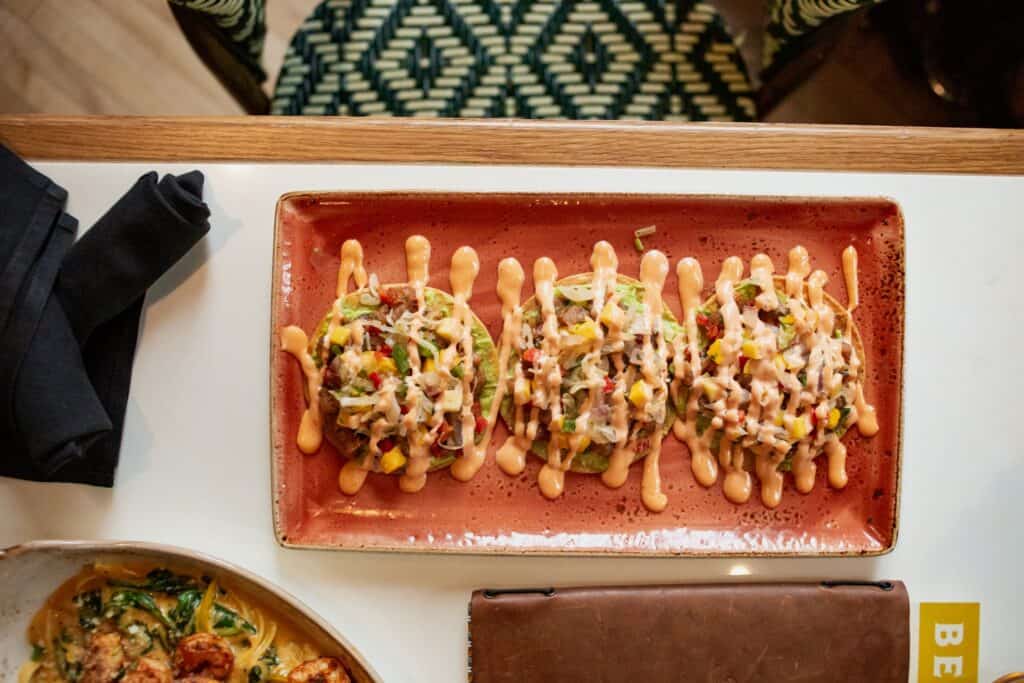
If you’re not quite sure about going out into the wilds of Wisconsin to seek out your own supper, you can still try Wisconsin’s wild cuisine—you’ll just be doing so at a restaurant. Many Wisconsin chefs have been experimenting with wild-caught and foraged ingredients, with some making them the cornerstone of their restaurants. Here are some of Wisconsin’s top restaurants to try foraged and wild-caught cuisine:
Morel
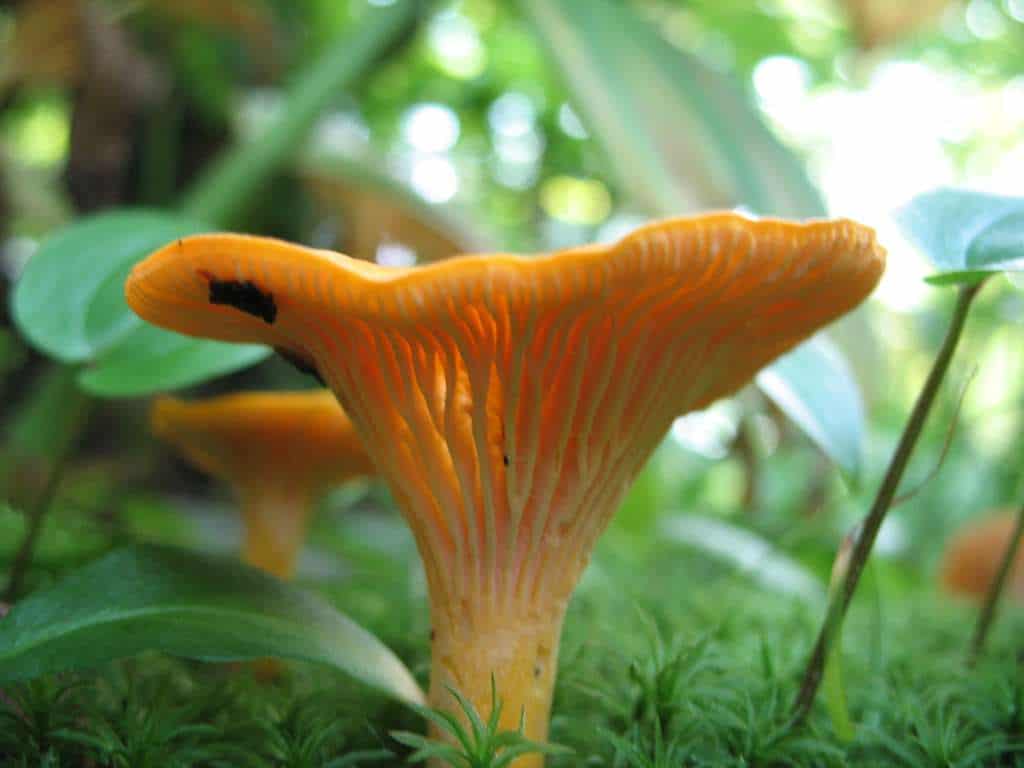
Named for wild morel mushrooms, this Milwaukee New American restaurant’s menu includes foraged and locally sourced ingredients, including the famous mushrooms. Chef Jonathan Manyo built Morel’s menu around Wisconsin’s produce and growing seasons, and while the restaurant expanded the menu in 2019 to include ingredients from around the country, the Wisconsin emphasis and relationships with local farmers and foragers remain.
Nettie’s Volta
Tucked away in Plum City, Nettie’s Volta is a hyper-seasonal fine dining destination. Because of the cooking style, the menu changes weekly based on ingredient availability, but always highlights locally foraged and farmed flavors.
Nook of Madison
A tiny restaurant offering only a dozen seats per night at a communal table, Nook of Madison is the product of the Pryzbylski family and their passion for foraging and finding local flavors. Reservations are very limited, and the menu changes with every seating, so book and prepare for an adventure.
Wild Roots
Located in West Allis, Wild Roots is the brainchild of Chef Thi Cao, with a regularly changing menu of seasonal flavors. The cuisine is contemporary pan-Asian and includes ingredients sourced via Chef Cao’s longstanding relationships with independent local foragers.
Find your own food with help from foraging classes
But what if you want to take your wild cuisine experience to the next level? Well, foraging in Wisconsin is legal on certain public lands, but not all, or on private land with permission from the landowner. Moreover, foraging without prior experience can be dangerous, as many delicious, edible plants and fungi have similar-looking counterparts that are inedible or even poisonous. That’s where foraging classes come in.
Foraging classes are guided trips into areas where it’s both legal to forage and there are edible plants and fungi to be found. Once there, your expert guide will help you identify and search for wild foods and review your findings before you consume anything to ensure that nothing you’ve gathered is harmful.
Foraging in Wisconsin can mean anything from wild mushrooms in late summer and autumn to berries from spring through summer, crisp greens and herbs in early spring, and even Jerusalem artichokes from spring through fall. As such, foraging classes in Wisconsin can be pretty diverse!
Interested foragers can choose from options like mushrooming classes with the Wisconsin Mycological Society, the seasonal edible plant courses offered by Forager’s Harvest, and Fire and Foraging’s seasonal walks, which identify both edible plants and those with medicinal uses. For those who want a truly personal foraging experience, there are even private classes offered across Wisconsin by Eden Wild Food.
Hunt and fish for Wisconsin’s wild fish and game
While foraging is great for plants and fungi, Wisconsin also has plenty of carnivore cuisine to savor. For those, you’ll need to try your hand at hunting and fishing—and be careful about it. Like foraging, fishing and especially hunting can be risky if not approached cautiously, with safety protocols in place.
But what, exactly, will you be on the lookout for? Well, on land, Wisconsin’s woods are full of wild game including deer, wild turkeys, and waterfowl like ducks and geese—all of which are favorites on Wisconsin tables. However, there are regulations in place for hunting, which are dependent on both the season and the type of game you’re hunting. Be sure you have any necessary permits, hunt only in season, restrict your hunting to public lands where permitted, and follow safety protocols around any firearms or a bow and arrow.
More of a seafood lover than a meat eater? You’re still in luck! Fishing in Wisconsin for one fish or another is permitted 365 days per year, provided you have a fishing license. Better still, the state’s many lakes, rivers, and streams make for some of the best freshwater angling in the country. Some of the most beloved fish when it comes to Wisconsin cuisine include whitefish, walleye, trout, perch, bass, and more. The Wisconsin Department of Natural Resources (DNR) even has a guide to healthy limits on eating what you catch—they’re dependent both on your individual health profile and on the species of fish.
So, whether you’re digging for Jerusalem artichokes, gathering greens, mushrooms, and berries, or going out to catch your supper before it gets away, there’s plenty of good eating to be had in Wisconsin. If you can, it’s even a good idea to try cooking and eating dishes made with multiple wild Wisconsin foods. Think wild duck in a sauce made with freshly foraged berries, or a foraged mushroom soup with a wild green salad. Happy hunting, gathering, and eating!