Some Kentucky place names have survived for centuries. Others have changed or disappeared, along with the stories behind them.
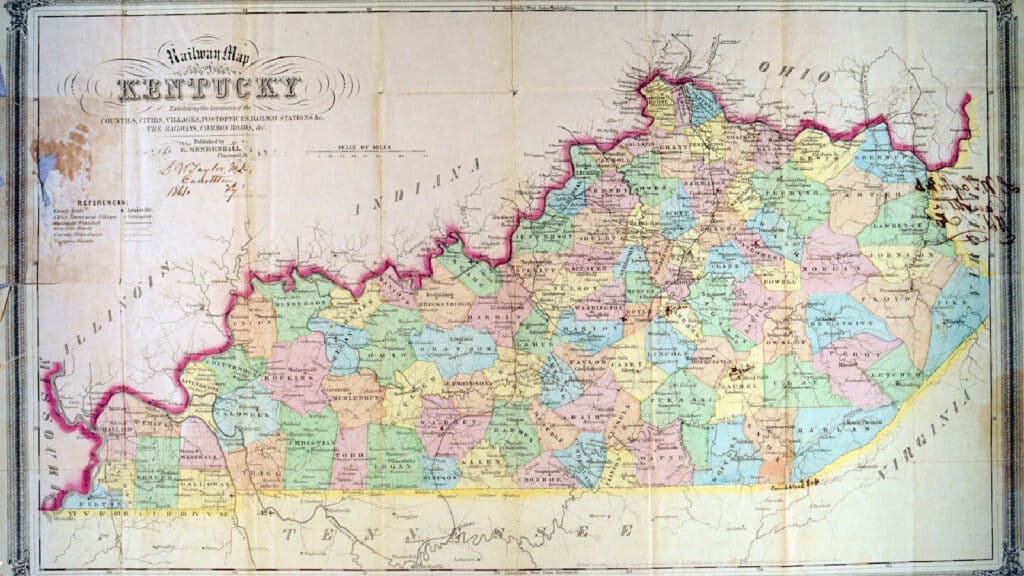
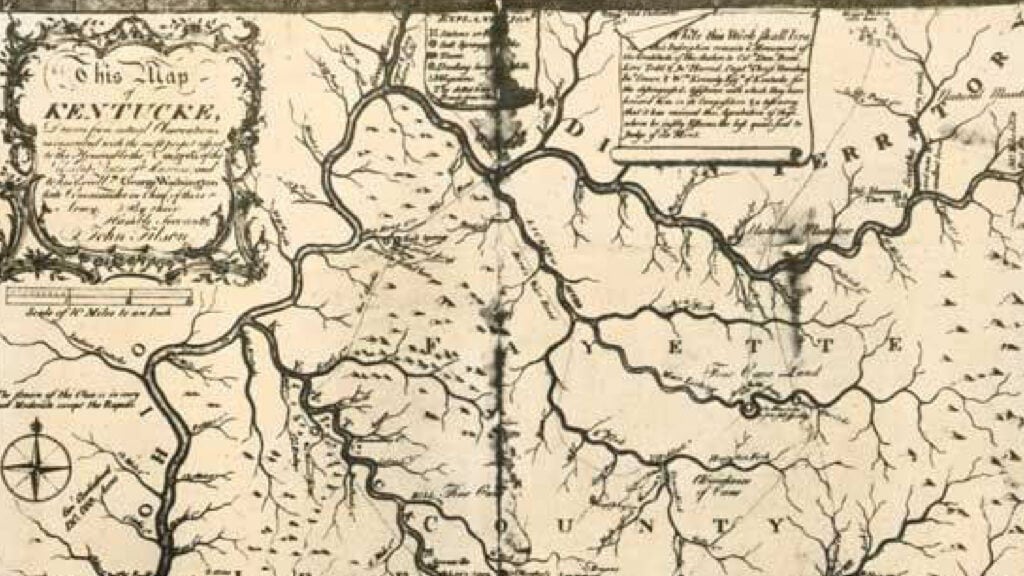
Kentucky’s map holds some mysteries. Historians still debate what the state’s name means. The city of Paducah has an origin story that conflicts with its historical markers. And near Winchester, a Shawnee village once known as Eskippakithiki is now known by a different name.
Native Americans lived throughout Kentucky for thousands of years before European settlers arrived. Yet surprisingly few places still have names that come from Native American languages.
Some of those names changed or disappeared. Others have survived, although their meanings aren’t always clear.
During November’s Native American Heritage Month, the stories behind seven Kentucky place names offer a closer look at the state’s Indigenous history.
1. Kentucky itself is a name that remains a mystery
No one knows for certain what Kentucky means. According to the Kentucky Heritage Council, the name may come from an Iroquoian word meaning “meadow land” or a Shawnee term for the head of a river.
One explanation historians have ruled out is “dark and bloody ground,” a phrase long associated with Kentucky but not a translation of its name in any Native American language.
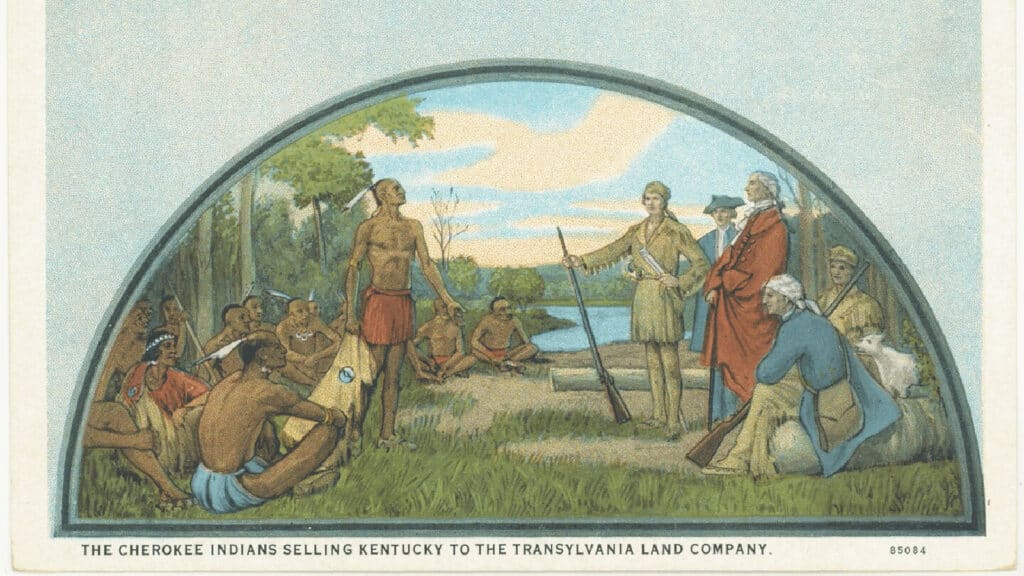
The name Kentucky appeared in written records as early as 1753, nearly 40 years before statehood. By then, Native Americans had already lived in the region for thousands of years, building villages, growing crops, and trading with other communities.
2. Paducah has two origin stories
Location: McCracken County, Western Kentucky
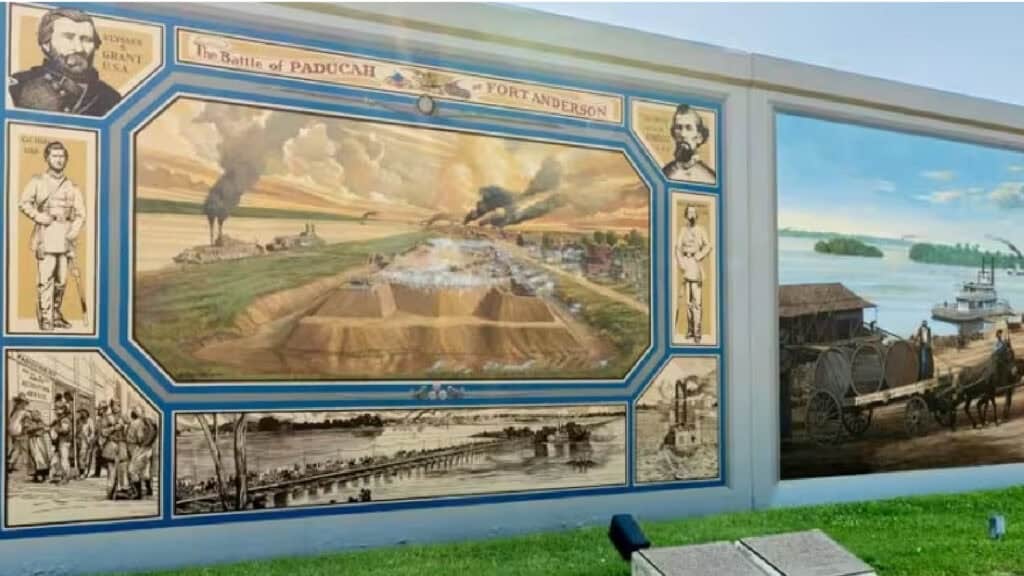
Some of Paducah’s historical markers say the city was named for Paduke, a legendary Chickasaw chief who lived and hunted in western Kentucky. But the city’s official history tells a different story.
According to the city of Paducah, explorer William Clark named the town for the Padouca, a name he learned about during his travels west and associated with Native people.
Clark laid out Paducah in 1827, on land where the Ohio and Tennessee rivers meet. The settlement had previously been called Pekin.
A copy of Clark’s letter explaining his choice of name is displayed at the downtown Market House Museum, along with original town maps.
3. Kuttawa kept its name when the town moved
Location: Lyon County, Western Kentucky
Kuttawa may get its name from a Shawnee word meaning “beautiful,” according to the Kuttawa Tourism Commission. But a historical publication from the U.S. Geological Survey offers another explanation, connecting Kuttawa to an old Native American name for the Kentucky River.
The town has another unusual piece of history. In the 1960s, construction of Barkley Dam flooded much of the original community along the Cumberland River. Residents moved to higher ground, but the town kept its name.
Today, Kuttawa sits along Lake Barkley, where visitors come to boat, fish, and hike. A walking trail offers lake views with opportunities to spot bald eagles.
4. Eskippakithiki was a Shawnee village near Winchester
Location: Clark County, Central Kentucky
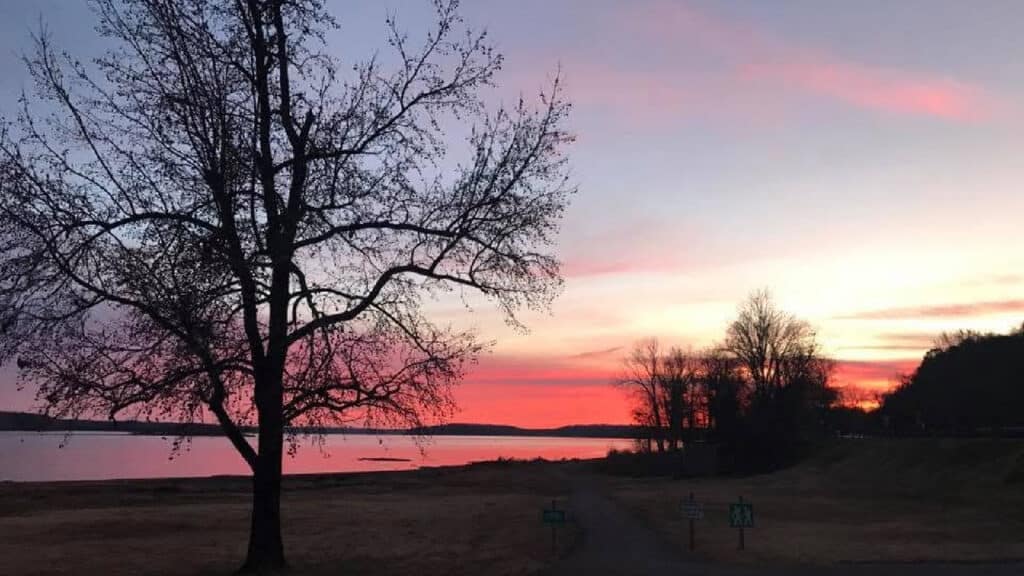
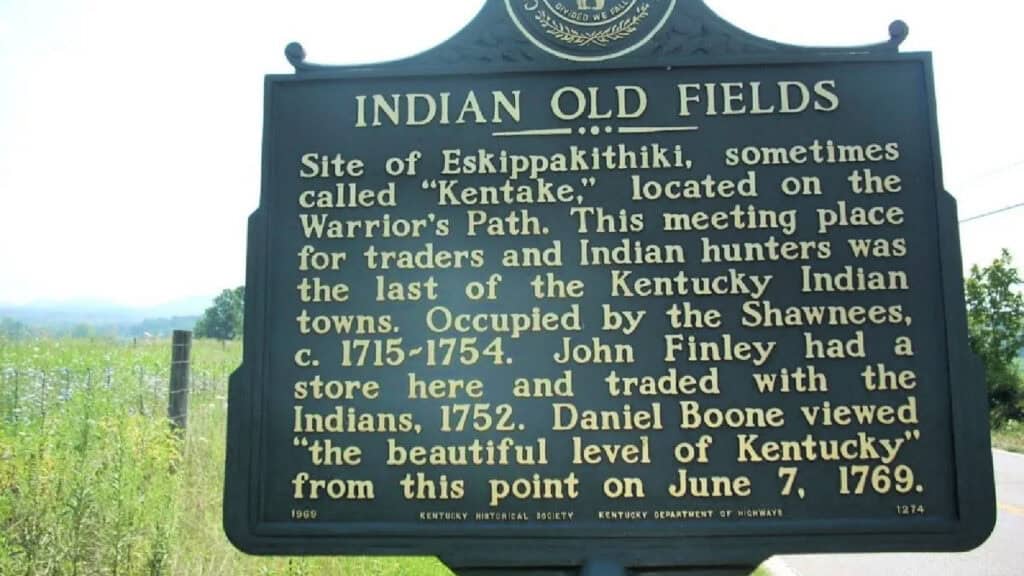
Long before Winchester existed, Shawnee people lived in a village called Eskippakithiki, at what’s now called Indian Old Fields.
According to the Kentucky Historical Society, the village stood along the Warrior’s Path, a major Native American travel route. The historical marker dates the settlement to about 1715 to 1754 and notes that trader John Finley operated a store there in 1752.
The name may have meant “blue spring,” “blue lick,” or “blue river,” according to the Kentucky Heritage Council. Its exact meaning remains uncertain.
Although the village is gone, a historical marker along Kentucky Route 15, about 11 miles southeast of Winchester, identifies its traditional location.
5. Ohio River means “great river”
Location: Kentucky’s northern border
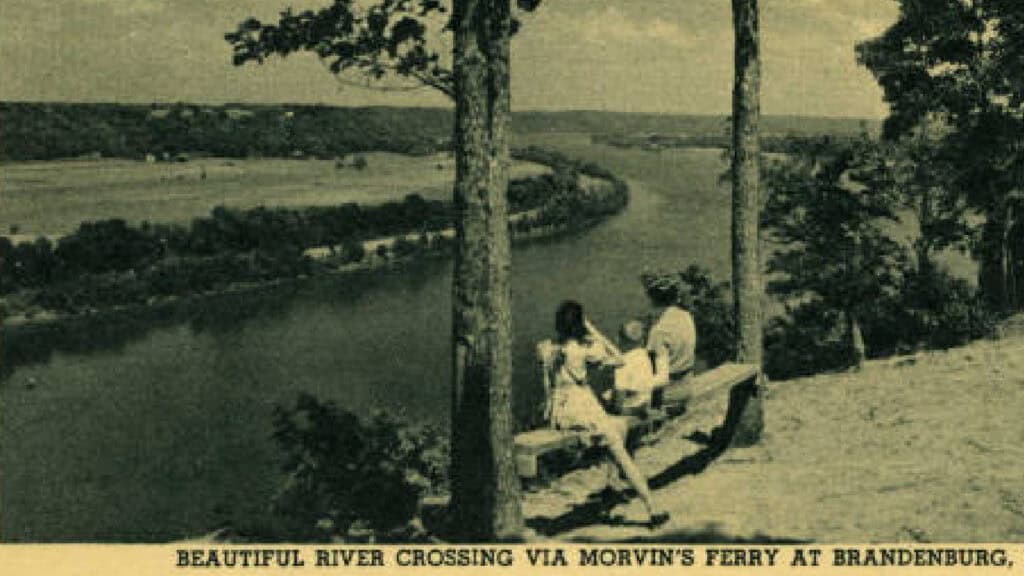
The Ohio River gets its name from an Iroquoian word meaning “great river.”
According to the National Park Service, the name comes from a word written as “O-Y-O.” French explorers later called the waterway La Belle Rivière, meaning “beautiful river.”
Native Americans traveled and traded along the Ohio long before European settlers arrived. The river connected communities throughout the region and later became a major transportation route for the growing United States.
Today, the Ohio flows past Louisville, Covington, Owensboro, and Paducah. Its name is one of the few in Kentucky that can be traced directly to a Native American language.
6. Red Bird River’s name goes back to a Cherokee chief
Location: Clay County, Southeastern Kentucky
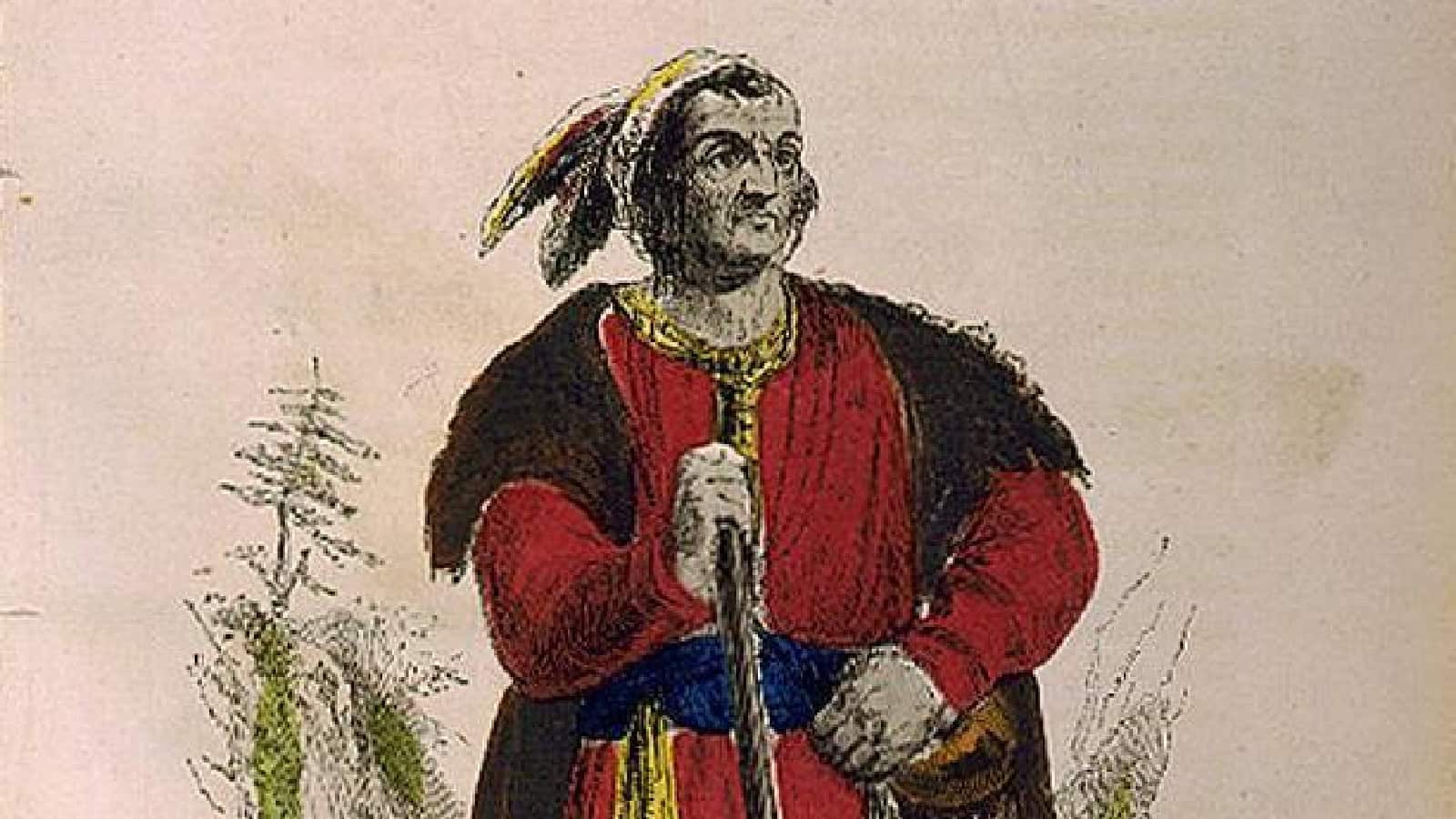
The Red Bird River, along with a former community in Clay County, was named for a Cherokee man remembered in local history as Chief Red Bird.
According to the Kentucky Historical Society marker near Oneida, Red Bird lived and hunted in the region and had friendly relations with early settlers. The marker says he and another Native man named Jack were allegedly killed while protecting their furs, and their bodies were thrown into the river that later took Red Bird’s name. A nearby creek was named for Jack.
Other traditions tell the story differently. In a 2006 article in Appalachian Quarterly, Kenneth Barnett Tankersley, professor and executive board member of the Kentucky Native American Heritage Commission, collected accounts of Red Bird’s life and death, including one that he was shot while fishing along the creek.
Some details remain legend, but Red Bird’s name lives on in the river and other landmarks in eastern Kentucky.
7. Shannoah was once a Shawnee village along the Ohio River
Location: Greenup County, Northeastern Kentucky
Near present-day South Portsmouth, a Shawnee village called Shannoah once stood along the Ohio River.
According to the Kentucky Historical Society, Shawnee people and French traders established the village. In January 1751, a group that included explorer Christopher Gist and trader George Croghan visited the settlement.
The site had a much longer history. An earlier Fort Ancient village stood on the same site centuries before. Today, a historical marker along Kentucky Route 18 in South Portsmouth identifies its former village site.
More names with Native American roots
Other Kentucky places with Native American connections include Shawnee Spring, Cherokee Gap, and Paint Creek. According to the Kentucky Heritage Council, Paint Creek, Paintsville, and Paint Lick got their names from trees where Native people painted images of birds and animals on exposed wood.
Many original names have disappeared, but others still tell part of the story of Native people whose ties to Kentucky continue today.