Before you make the big move, learn about the Badger State’s culture and unique traditions that will become part of your life
Over the past few years, states like Texas, Florida, and South Carolina have seen tremendous growth in their populations as residents flock to the areas for the weather, economy, and job opportunities. But despite its chillier winters, Wisconsin has also seen growth in its population, which has increased almost every year since 2000. Over the past six years, Wisconsin has seen its population increase by nearly 3%, especially in Dane County, which is home to the state’s capital, Madison.
Every new resident has their own reason for moving to the state, but some of the key incentives include its affordability, as Wisconsin is the 20th most affordable state in the country, according to U.S. News & World Report. The state also has the fifth-best educational opportunities in the country and ranks high in economic opportunity.
But wanting to live in Wisconsin isn’t enough—new and prospective residents should learn a few things about life in the state before moving in. Before you make the move to the Badger State, make sure you know about the state’s political landscape, its history, culture, and numerous traditions that make Wisconsin such a unique place and a great state to live in.
1. It’s a purple state
Of course, every vote matters in elections throughout the country, and voting is an important civic duty to take part in. But, in places like Wisconsin, which is a purple state, your vote goes a bit further in federal and statewide elections than it might in other states. This is important if you’re moving to America’s Dairyland from somewhere like nearby Illinois or Massachusetts, which are solidly blue states that (almost) always elect Democrats, or solidly red states, like Florida, where residents might feel as if their votes don’t make that drastic of an impact.
The state has been a swing state for more than a century, but elections have gotten even tighter more recently. In the last three presidential elections, the vote difference between candidates has been less than two percent every time, with a difference of only approximately 20,000 votes helping former President Joe Biden flip the state blue in 2020. Votes can be even closer in smaller, more local races, so anyone moving to Wisconsin should know not to eschew their civic duties, because votes count for a lot in a purple state like Wisconsin.
2. There are some unusual laws
Even if new Wisconsin residents don’t intend to be rulebreakers, they might be breaking some of Wisconsin’s and the state’s municipalities’ more unusual statutes and ordinances without ever knowing it. While it only applied to restaurant owners, one of Wisconsin’s most unusual statewide laws stated that restaurants cannot serve apple pie without a slice of cheese on top, although it went unenforced throughout the state. The law was in effect from 1935 until 1937. Understandably, Wisconsinites also cannot force anyone to have a microchip implanted in them. It seems logical—but it’s a bit odd for the state to have to specifically ban it through a law.
Wisconsin’s municipalities also have their own odd laws that new residents, or even longtime Wisconsinites, might not know that they’re breaking. In La Crosse, it’s illegal to play checkers in public, and in Sheboygan, don’t water your lawn in a way that might annoy anyone else, or else you’re technically breaking the law. Most of Wisconsin’s quirky laws go unenforced, but make sure to look up any unusual statutes before moving in.
3. Pick up some local slang
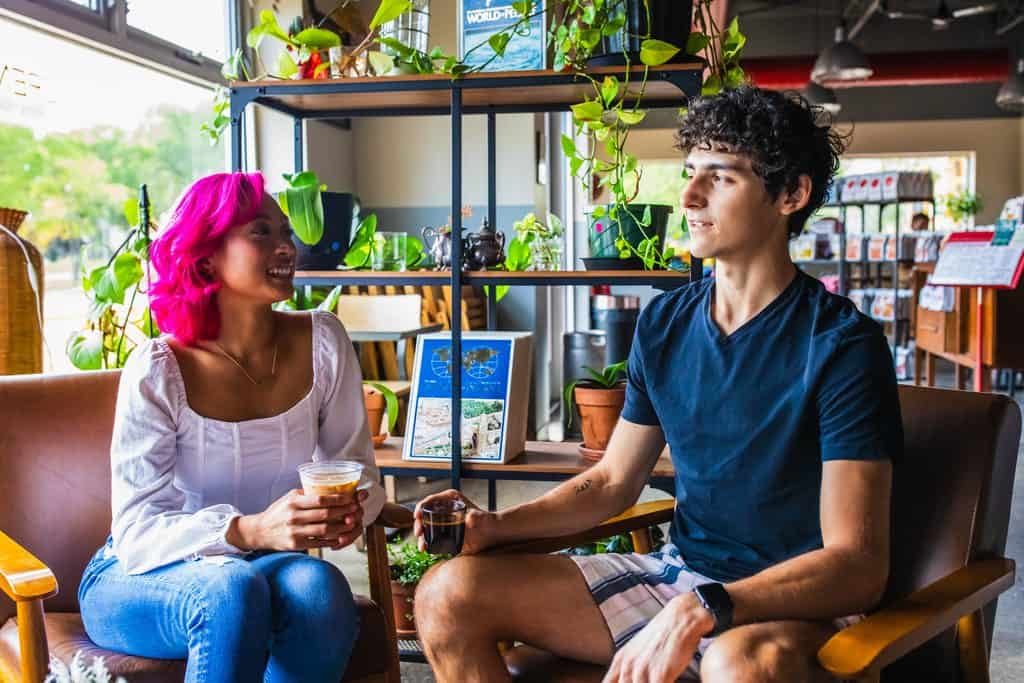
If you want to fit in with the Sconnies, while you’re sitting on a davenport together or catching up by the bubbler, be sure to pick up some of the state’s local slang. One of the most well-known is bubbler, which is the Wisconsin word for drinking fountain. They’re certainly not called water fountains in the Badger State, as that is a term reserved solely for decorative fountains.
Certain Wisconsinites, especially long-time Sconnies (a term for Wisconsin natives or residents), will refer to an ATM as a TYME machine, which stands for ‘take your money everywhere.’ They will also call a couch or sofa a davenport, which comes from the A.H. Davenport Company, a defunct Massachusetts-based furniture company that was popular in the late 19th and early 20th centuries.
Other slang is more general to the Midwest area, so Wisconsin transplants may be more familiar with it if they’re moving from a nearby state, including ‘Ope,’ an exclamation that is used when trying to squeeze past someone, accidentally bumping into a person, or acknowledging a minor mistake.
4. Not all car honking is out of anger
Normally, when someone is beeping their car horn, it can be assumed that it’s done out of a bit of road rage, but that isn’t always the case in Wisconsin. Of course, people honk their horns out of anger, but many Wisconsinites also honk their horns as a way to say hello. In 2021, an Egg Harbor resident wrote into the Door County Pulse, saying that they seem to always be honking their car horn because they know everybody in their town.
It’s a habit that is not enjoyed by everyone – in fact, it’s actually against the law in Wisconsin. The state has a statute that says drivers can only use their horns as a reasonable warning. Of course, there are rule breakers that still use beeping as a way to say hello to friends, family, and neighbors, but others think it is a deeply annoying and potentially dangerous practice.
5. There is a lot of German culture
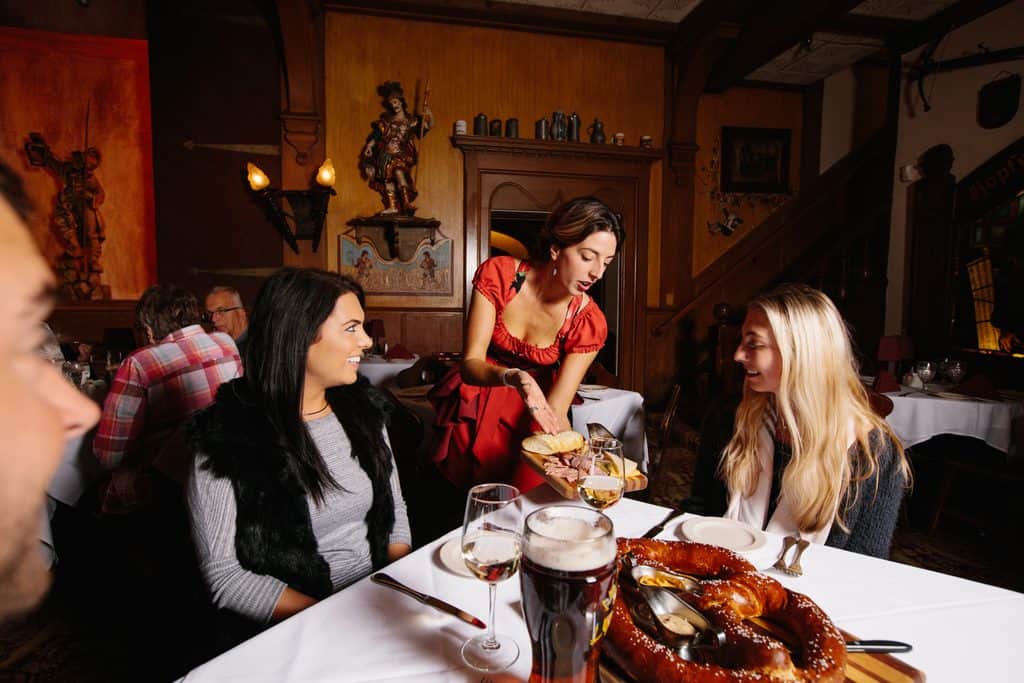
Much of Wisconsin’s culture has been formed by its immigrant communities, and with more than 40% of Wisconsinites claiming German heritage, it’s safe to say that the state represents its German heritage proudly. The influence of Wisconsin’s large German immigrant community, which started to immigrate to the state in the 19th century, can be seen in things like the brewing traditions that Wisconsin is famous for, and foods like bratwurst.
“The fact that [bratwurst] exists at all in the state is a testament to the German influence in Wisconsin,” says Reddit user r/three-pie. “In many other states, a bratwurst just isn’t something you would run into in a restaurant or BBQ. But in Wisconsin, they are fairly ubiquitous. We in Wisconsin have taken a German food and significantly altered it to our own liking.”
Every year, Wisconsinites celebrate German heritage and culture at events like German Fest and Milwaukee Krampusnacht in the state’s largest city, and at German-inspired Christmas markets all over Wisconsin during the holidays, including in Oconomowoc. The large German community also inspired the names of municipalities throughout the state, like New Berlin, Germantown, and Hamburg.
6. You’ll spend your summer (and fall, and maybe spring and winter, too) at festivals
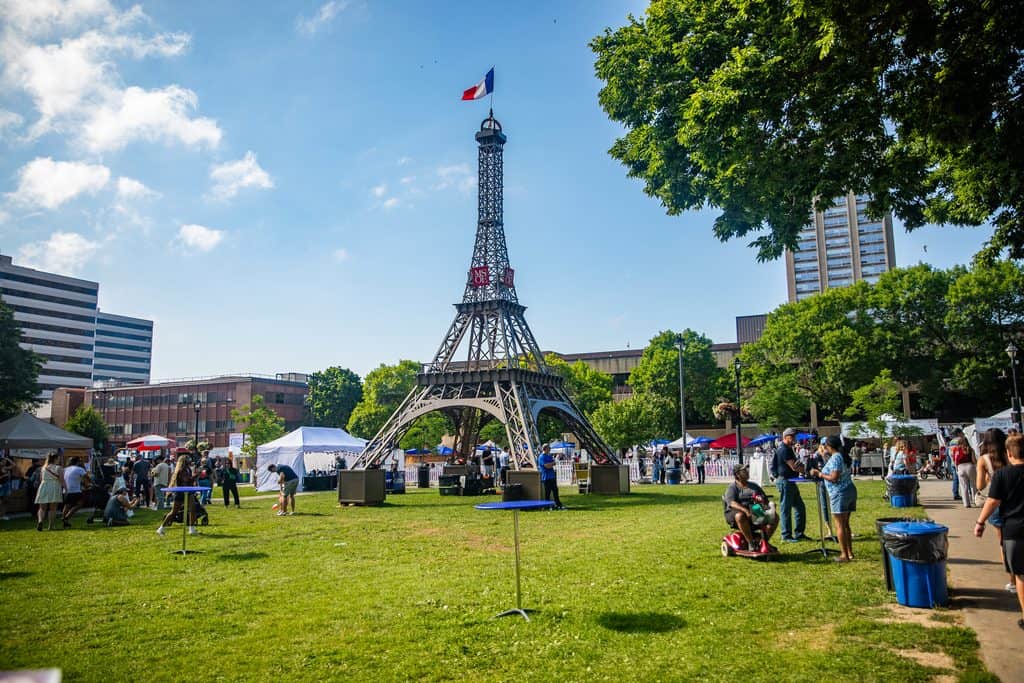
Wisconsin is known for its more than 15,000 freshwater lakes, where Wisconsinites (and vacationers) love to spend their summers — but they’re not the only destination that the state’s residents flock to throughout the warmest season. America’s Dairyland has an abundance of fairs and festivals throughout the state all summer long, and let’s be honest, there are plenty to find in spring, fall, and winter, too.
One of the largest is the Wisconsin State Fair, which runs for nearly two weeks each year in West Allis and showcases the state’s agriculture and local cuisine options. The state’s largest music festival, Summerfest, spans three weekends and has featured performers like Lady Gaga, The Rolling Stones, and in the past few years, Flo Rida and The Killers. There are also smaller, more unique festivals, like the Cheese Curd Festival in Ellsworth, Goat Fest in Jefferson, and the Hodag Country Festival, a country music festival that takes place in Rhinelander and pays tribute to the city’s folkloric creature, the Hodag.
7. Learn how to pronounce city and county names
Many of the municipality names throughout Wisconsin are derived from Indigenous languages, and to anyone who is unaccustomed to pronouncing them, they can be a little tricky. While longtime Wisconsin residents have no problem talking about villages and towns like Ashwaubenon or Minocqua, newbies might not know the correct way to say Oconomowoc.
While place names might trip up some people, it’s a point of pride for the state’s residents to know how to pronounce just about everything in Wisconsin, and it is sometimes seen as a test to tell if someone is a true Wisconsinite or not.
8. Your cheese is going to squeak
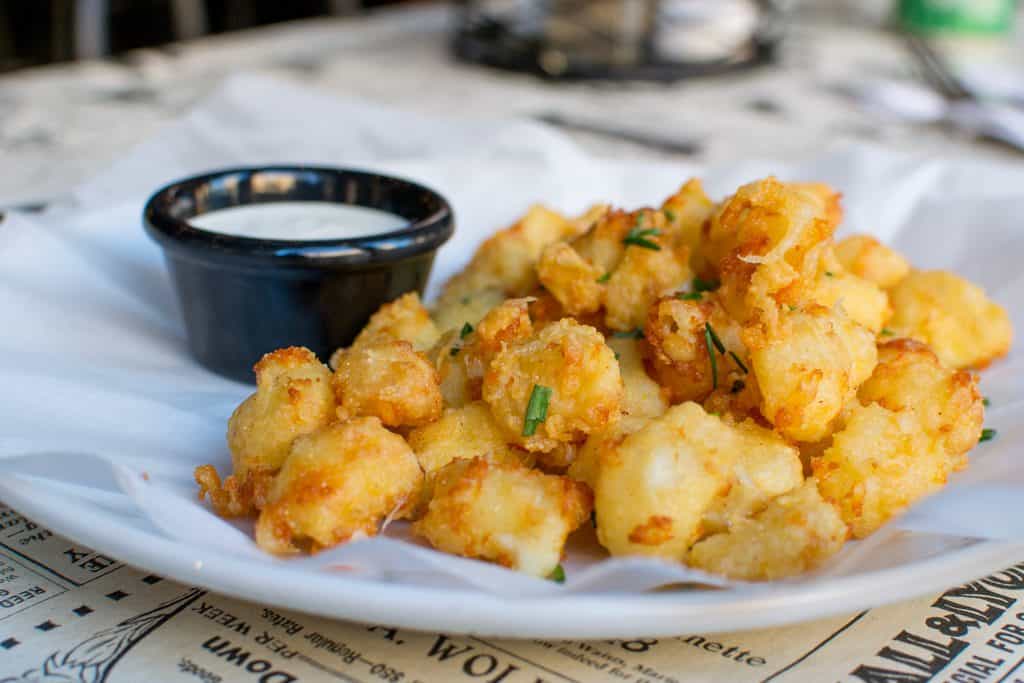
If you’re not a fan of cheese, you might be moving to the wrong state. Just kidding, everyone is welcome in Wisconsin, of course, but the state does really love its cheese. Wisconsin leads the country in cheese production, making more than 2 billion pounds of cheese per year. One of the most beloved ways of dining on cheese throughout the state is by sampling (or gorging on) cheese curds, which are pieces of curdled milk that might sound a bit disgusting, but taste pretty delicious.
When cheese curds are fresh, they make a squeaking noise when bitten into, because the curds have a tightly-woven protein network. If you want to hear the iconic squeaking noise, it’s important to get fresh cheese curds, because as the cheese curds age, cultures break down the curds’ protein network, and it loses acidity, which silences the squeak. People have found that flavored cheese curds also don’t have the much-beloved squeak.
“It’s been my experience that only the plain ones squeak. Added spices and flavors, while undeniably delicious, just don’t have the squeak,” said Reddit user r/real_oompa_loompa.
9. People love to drink
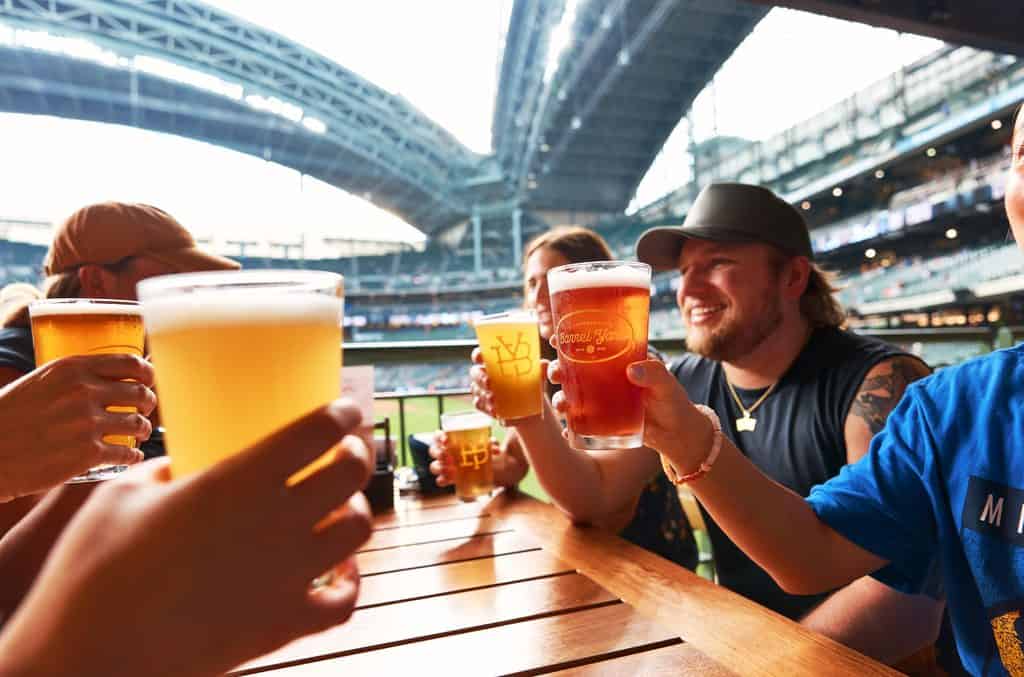
If there is one thing that people know about Wisconsin, it’s that it is a state that loves its alcohol. That isn’t an exaggeration. In 2022, Wisconsin was ranked the drunkest state in the country, and a majority of its counties were ranked as some of the heaviest-drinking counties throughout the nation.
Some Wisconsinites say that the bars in the state have stronger drinks than are served in other states, and drinking culture was described as “a sport here” by Reddit user r/clarenceismyanimus. Drinking is a major part of the state’s economy — from master brewers to bartenders to alcohol salespeople, more than 161,000 Wisconsin jobs are in the alcohol industry, and Wisconsinites spend billions per year drinking.
While Wisconsin’s drinking culture can be fun and help to create community, it can also be dangerous, with more than 35,000 emergency room visits attributed to chronic alcohol conditions in Wisconsin in 2021, and 2,629 alcohol-related deaths that year.
10. You might spend your weekends bowling
Bowling is played by millions of people in alleys all around the world, but few places seem to love the sport as much as Wisconsin does. Even though bowling alleys are in decline throughout the country, Wisconsin continues to love the sport and currently has the most bowling alleys of any state, with approximately 275 located in the state.
The sport has been popular in Wisconsin since the 1800s, and Milwaukee held the title of ‘America’s Bowling Capital’ for more than a century, after German immigrants popularized bowling throughout the state. In 2008, the American Bowling Congress, which was headquartered in Milwaukee, merged with three other bowling organizations, forming the U.S. Bowling Congress, which moved to Arlington, Texas, taking the title with them to the Lone Star State. That didn’t diminish the love of bowling throughout Wisconsin, though, and it continues to remain a much-loved activity in the state.