What is slow fashion? These Arizona makers and resale shops show how to buy less, wear longer, and shop local
Fast fashion moves at the speed of a scroll. You spot a trend on your feed and a cheap version lands on your doorstep two days later. By next season, it’s in a donation bag—or a landfill.
That churn is part of a longer cycle that has been building for decades. In a 2016 analysis, global consulting firm McKinsey & Co. found that between 2000 and 2014, shoppers bought about 60% more clothing while holding on to each piece about half as long, across nearly every apparel category. In 2018, U.S. landfills took in about 9.1 million tons of clothing and footwear, according to the Environmental Protection Agency.
So what is slow fashion?
Slow fashion takes the opposite approach. Instead of chasing trends, it’s about buying fewer, better-made pieces and wearing them as long as possible.
It also means paying attention to where your clothes come from: who made them, what they’re made of, and what happens to them when you’re done with them.
In practice, slow fashion can look a lot of different ways. It can be a dress sewn in small batches by workers paid a fair wage, or leggings made from recycled plastic bottles. It can be a one-of-a-kind gown stitched from thrifted T-shirts, or a designer jacket bought secondhand instead of new.
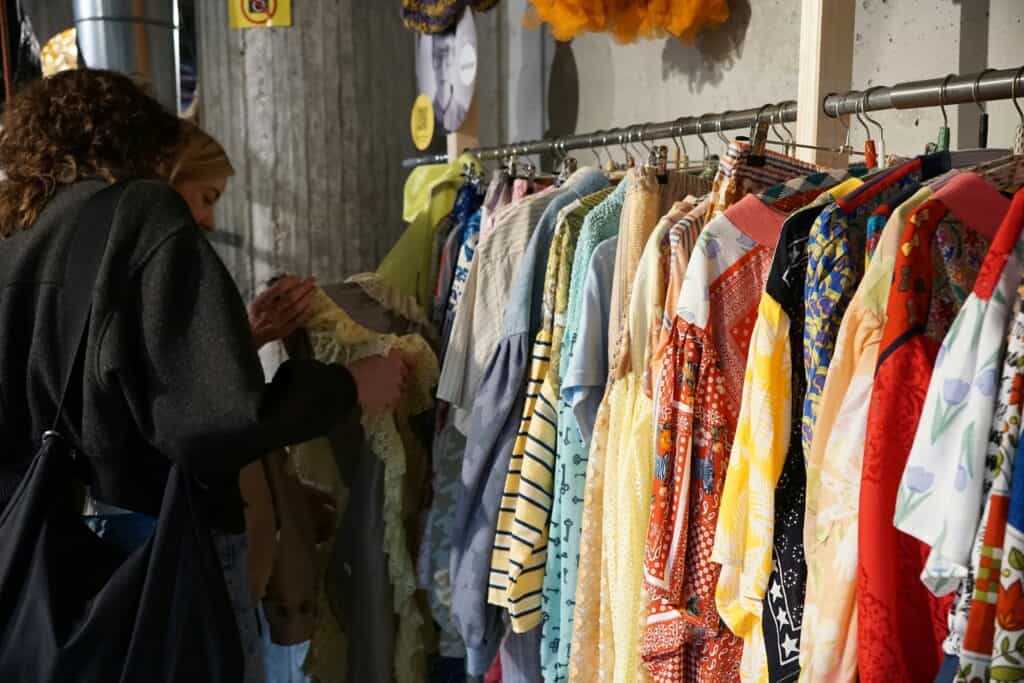
That last one counts, too. Shopping secondhand keeps clothes in circulation and out of landfills, and Arizonans are catching on. The state’s secondhand market, from thrift stores to luxury consignment, is worth about $955 million and has grown roughly 7% year over year since 2020, according to an IBISWorld analysis reported by Axios Phoenix.
Arizona might not be top of mind when it comes to fashion. But from the Valley to Tucson, a growing community of designers and resellers is doing things differently.
Here are seven Arizona slow fashion brands and shops worth knowing, from local makers to resale pioneers.
Arizona brands making slow fashion
Classic Reclaim
Where: Online (based in Anthem)
Known for: One-of-a-kind dresses and jackets reworked from thrifted finds and family heirlooms
Amanda Jacobs can find the hidden gem in a thrift store rack faster than most people can find a parking spot.
Her eye for overlooked pieces started early. She learned to sew at 6 from an aunt who was a designer, studied textiles at West Virginia University, and later sharpened her sense of style as a stylist at Saks Fifth Avenue. When she moved from New York to Arizona, eventually settling in Anthem, she put all of that skill to work on secondhand clothes.
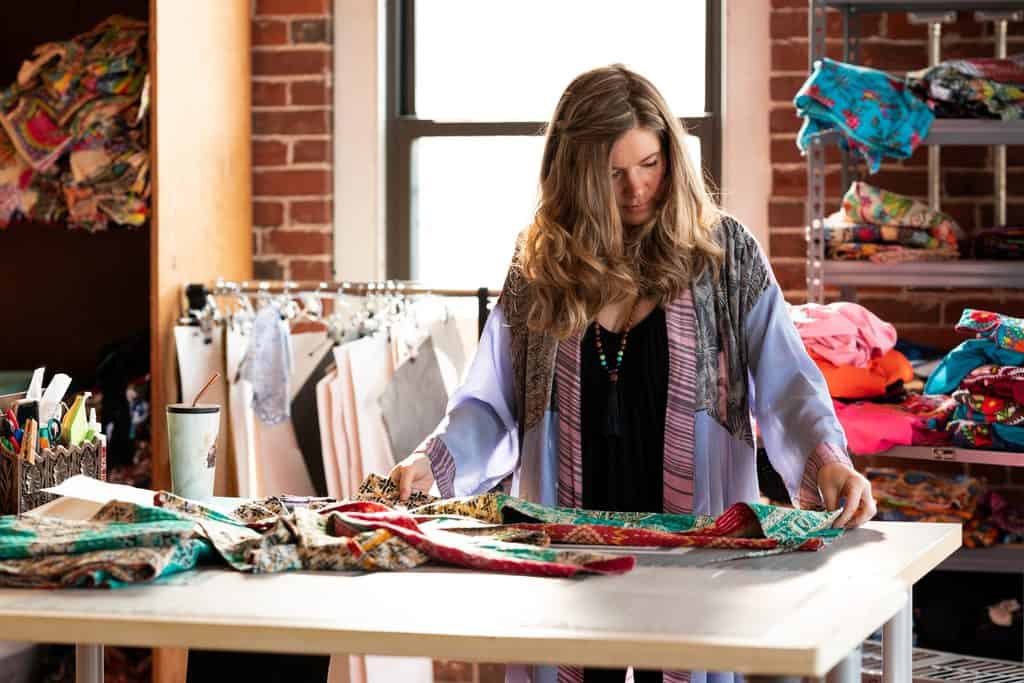
The result is Classic Reclaim, a label built on giving forgotten garments a second act. Jacobs takes thrift-store finds and family heirlooms apart and rebuilds them into one-of-a-kind pieces with a look that she calls “classic, street and clean.”
Some of her most personal work is custom. Bring in your mother’s wedding dress, and she might reshape it into a modern gown, so the memory gets worn instead of boxed up.
That talent for reinvention has made her a go-to in the Valley’s sustainable fashion scene. She was one of the designers who reworked costumes from Ballet Arizona’s archives into new looks for its “En Pointe” event, and she was featured at Phoenix’s Interwoven sustainable fashion event this summer.

Angela Johnson
Where: Online, with a studio in Tempe (117 E. 5th St.)
Known for: Custom ballgowns and blazers stitched from upcycled T-shirts
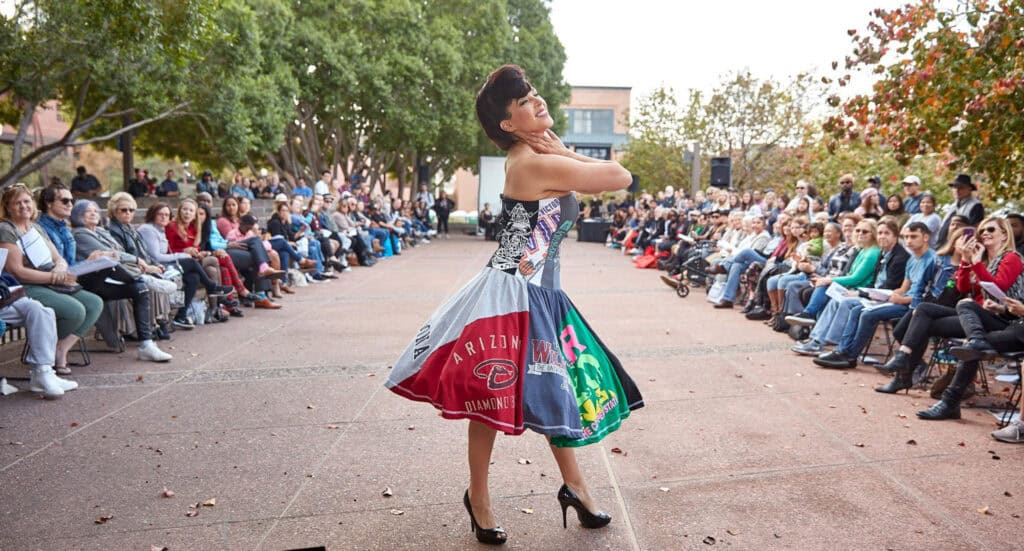
Almost everyone has a drawer full of old T-shirts: concert tees, 5K freebies, airbrushed spring break shirts. Where most see a mess, Angela Johnson sees a ballgown.
The Arizona native got her start in Los Angeles, working on X-Large, the label owned by the Beastie Boys’ Mike Diamond, and X-Girl, from Sonic Youth’s Kim Gordon. When family brought her back to the Valley, she started building a label from the most ordinary fabric around.
At Angela Johnson Design, she turns secondhand T-shirts into structured ballgowns, party dresses, corsets, and blazers. Many of the shirts come from thrift stores like Goodwill, and some are donated.
You can even send in your own collection and request a theme, from music to sports to travel. Since no two stacks of shirts are alike, no two garments are either.
Johnson’s influence goes beyond her own racks. She co-founded FABRIC, the Tempe nonprofit that helps local designers produce their clothes in Arizona and hosts Eco Fashion Week every April.
Keep Nature Wild
Where: Online (based in Mesa); also sold at retailers including REI
Known for: Outdoor-inspired tees, hats, and fanny packs, with a pound of trash picked up for every purchase
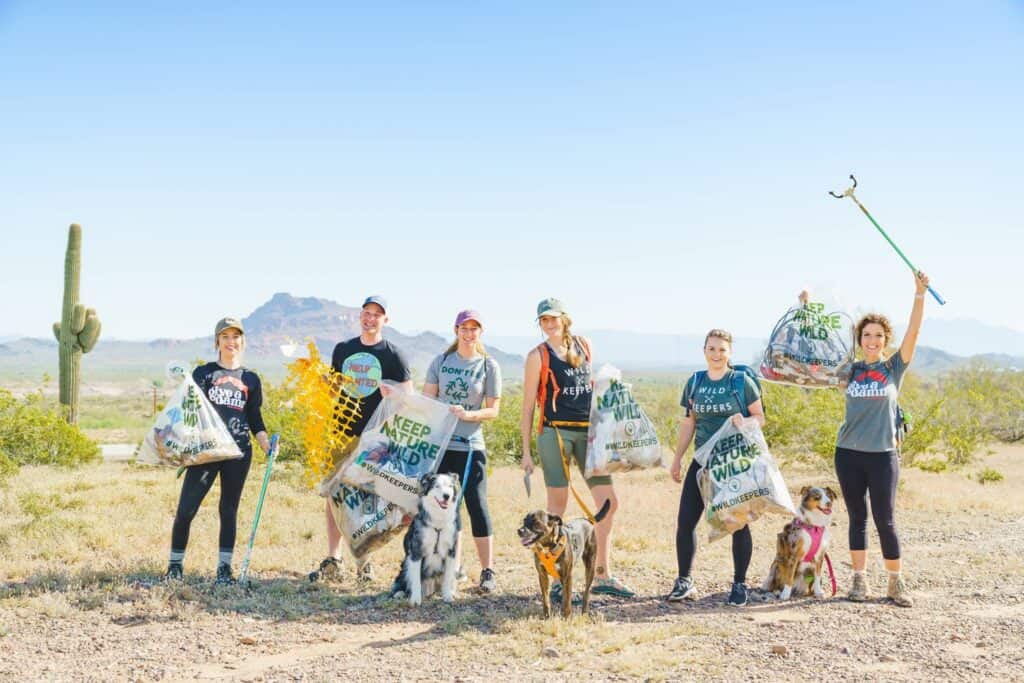
Co-founders Cameron Jarman and Sean Huntington started out sharing hikes on a site called Arizona Hikers Guide. They kept running into the same problem on the trail: litter. So they started organizing cleanups, and the apparel came after.
The premise is simple: For every product sold, Keep Nature Wild picks up a pound of trash. Since 2016, that adds up to more than 1.3 million pounds hauled out of parks, trails, and open desert, according to the company. A volunteer network of 5,000-plus “Wild Keepers” helps make it happen, with cleanups everywhere from East Mesa to Mount Lemmon.
The gear itself is getting greener, too. Keep Nature Wild works with WRAP-certified (Worldwide Responsible Accredited Production) manufacturers, which are audited for responsible labor practices.
It has switched its fanny packs to recycled nylon, and every order ships with a biodegradable cleanup bag so you can do your part on your next hike. The brand acknowledges that it still has room to improve, which is a refreshingly honest stance.
Liv Tall
Where: Online
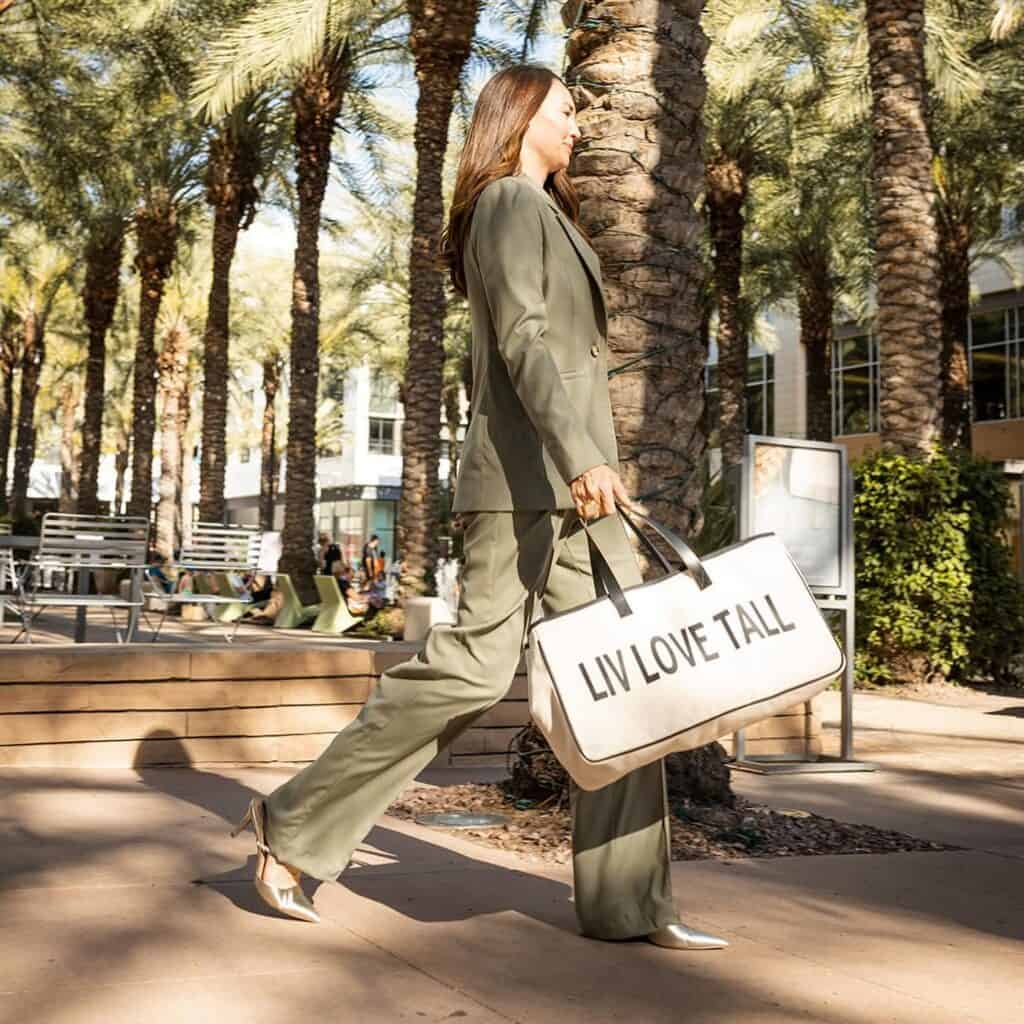
Known for: Small-batch, U.S.-made clothing designed specifically for tall women
If you’re tall, you know the drill. Pants hit at the ankle, sleeves stop short of your wrists, and a “midi” dress is really a mini.
Angela Zdrale is 6-foot-1, and she spent years in fashion, including stints at Tory Burch and Saks Fifth Avenue, still making do with clothes that didn’t quite fit. After a pandemic layoff, she stopped trying to squeeze into clothes made for someone else and started making her own. She launched Liv Tall in 2021 and named it after her daughter, Olive.
Fit isn’t the only thing that sets this brand apart from the big-box “tall” sections. Zdrale produces her clothes in small batches with female-owned manufacturers in Arizona and Colorado, and the brand says it’s built on sustainable practices. She has also made pieces to order, donated leftover fabric scraps to a nonprofit, and shipped in reusable packaging.
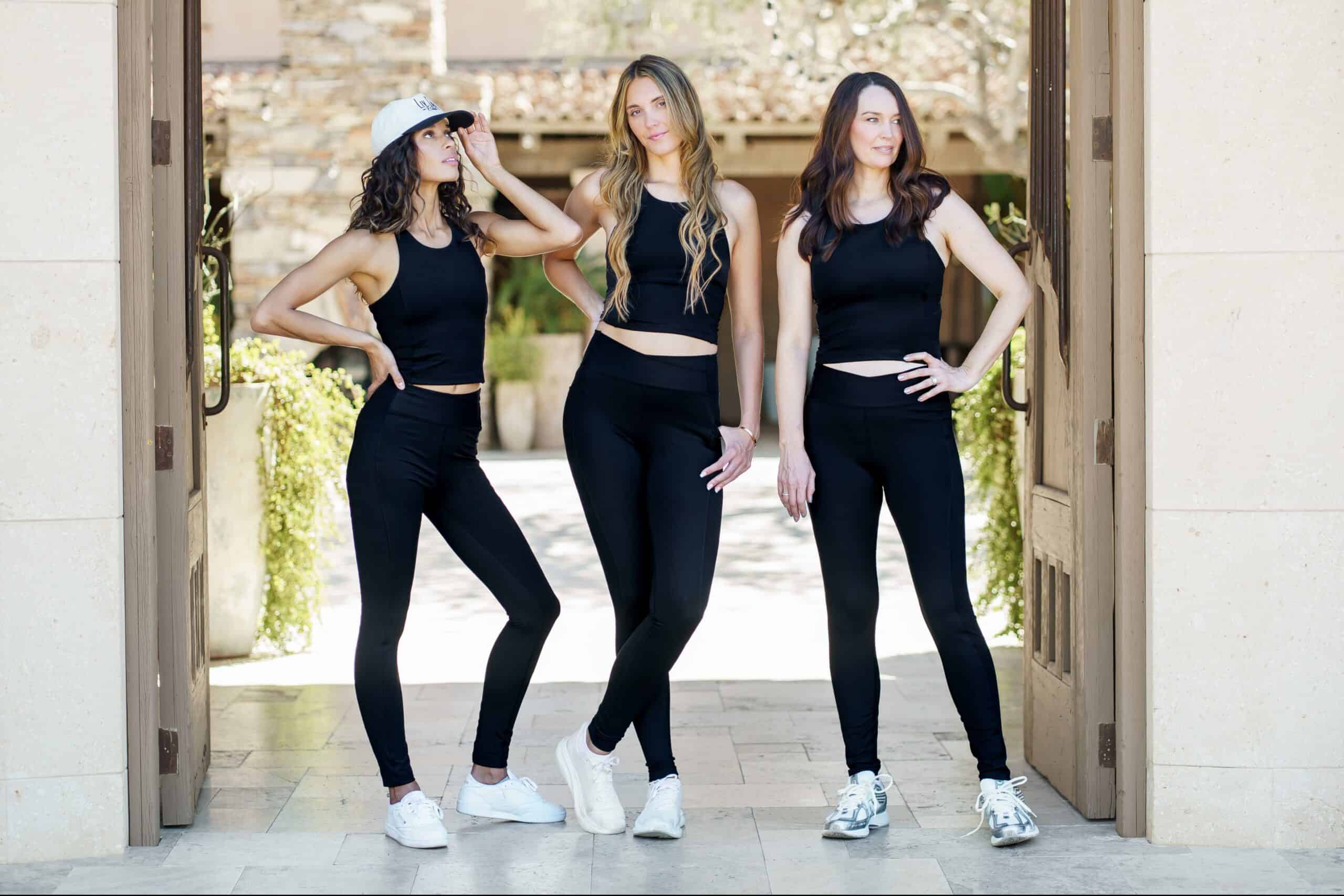
Today the lineup runs from shirtdresses and skirts to swimwear and a new activewear collection called Tall in Motion.
Zdrale’s mission reaches beyond her own customers to the next generation. Through The Liv Tall Project, a nonprofit she started, $3 from every sale goes toward programs that help girls build confidence, so the brand named for her daughter now invests in girls like her.
Yoga Democracy
Where: Online
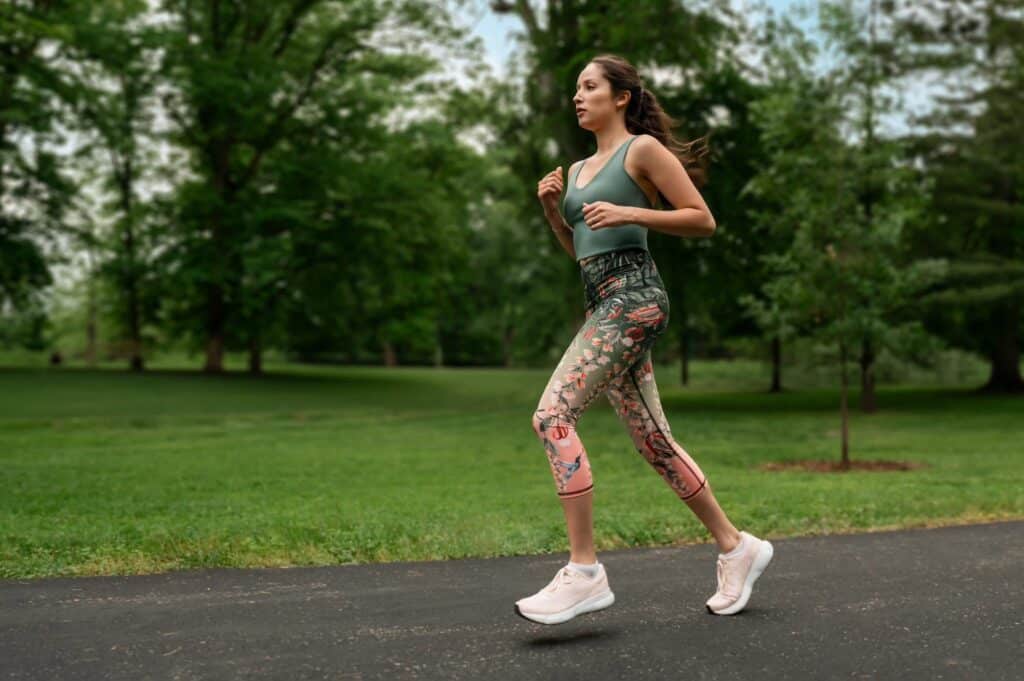
Known for: Bold-print leggings and flares made from recycled plastic bottles, born in Cave Creek
Yoga Democracy started with a move to the desert and a lot of hot yoga.
Co-founder Natalie Oldroyd came to the U.S. from the U.K. and was spending so much time in hot yoga classes that leggings became the obvious place to start a business. She launched the brand in Cave Creek in 2015, self-funding it and putting her love of art into bold, printed designs.
In its early years, the company made nearly everything in-house at its Cave Creek workshop, from dyeing to sewing to shipping. Its fabric comes from recycled plastic bottles and fishing nets, and its prints are dyed with a low-energy process that uses no water. Today, the brand says it turns every scrap into something useful.
Yoga Democracy has since outgrown its desert roots. It opened a brick-and-mortar store in Indianapolis in 2025 and built a production facility in Naivasha, Kenya, which it says was meant to create jobs and train artisans in an area with high unemployment. Its footprint may have grown, but Yoga Democracy’s birthplace will always be the Arizona desert.
Two perks help your pieces last longer. The brand offers free hemming, so your leggings fit instead of getting tossed, and a closet clean-out program through ThredUp for clothes you’re done with.
Resale shops giving clothes a second life
Buffalo Exchange
Where: Multiple Arizona locations, including Phoenix, Tucson, and Tempe
Known for: The Tucson-born resale pioneer where you can buy, sell, and trade clothes on the spot
Before resale was trendy and apps let you sell your closet from your couch, there was a 400-square-foot shop in Tucson filled with one woman’s clothes.
That woman was Kerstin Block, who came from Sweden at 18 to study at the University of Arizona.
In 1974, she and her husband, Spencer, opened the first Buffalo Exchange, stocking it with pieces from Kerstin’s own wardrobe at an average price of $3.50 per garment. Her idea was simple: Other thrift lovers would happily pay someone else to do the digging. And they could sell or trade their own clothes on the spot.
That model still drives the business more than 50 years later. Bring in pieces the buyers want, and you’ll walk out with 25% of the selling price in cash or 50% in store trade. The company now runs about 40 stores across the country. Daughter Rebecca Block is CEO, carrying on the legacy after Kerstin’s death in 2025.
The sustainability story goes beyond resale. The company says more than 5.5 million pieces of clothing get a second life in its stores every year. Through its Tokens for Bags program, shoppers get a 5-cent token (instead of a plastic bag) to donate to a local nonprofit.
Mark your calendar for the Saturday closest to Earth Day, too, when stores hold a $1 sale and donate the proceeds to charity.
My Sister’s Closet
Where: Stores in Phoenix, Scottsdale, and Chandler
Known for: Luxury designer consignment
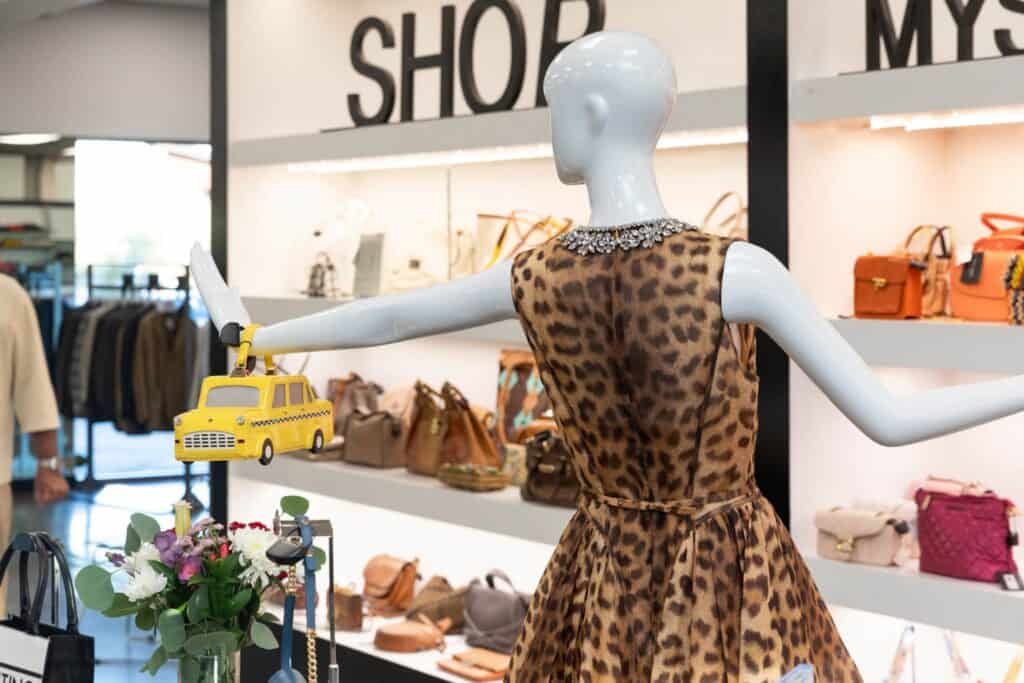
In 1991, sisters Jenny and Ann Siner opened a consignment shop in Phoenix at a time when secondhand stores were often dim and cluttered places where old clothes went to die. Theirs was bright and organized, stocked with only clean, current pieces in sellable shape.
Thirty-five years later, My Sister’s Closet is one of the best-known names in Arizona resale. The Siners have since stepped away, but parent company Eco-Chic Consignments runs eight Arizona stores between My Sister’s Closet, menswear shop Well Suited, and home-furnishings store My Sister’s Attic.
On any given day, the racks might hold a Gucci bag, a gala gown, a stack of leggings, or a turquoise cuff from the Southwest jewelry case.
If you’re selling, you don’t get paid at the counter. Items sell on consignment, and you collect 45% in cash or 55% in store credit once they do.
CEO Heather Zorge told AZ Big Media that you can spend that credit right away. In her example, you could sell a couch at the Attic and put the money toward a Louis Vuitton at the Closet. Anything that doesn’t sell goes back to its owner or gets donated, so it stays out of the landfill.
Where to find more slow fashion in Arizona
Arizona’s slow fashion scene isn’t limited to storefronts. A few annual events are worth putting on your calendar.
Eco Fashion Week
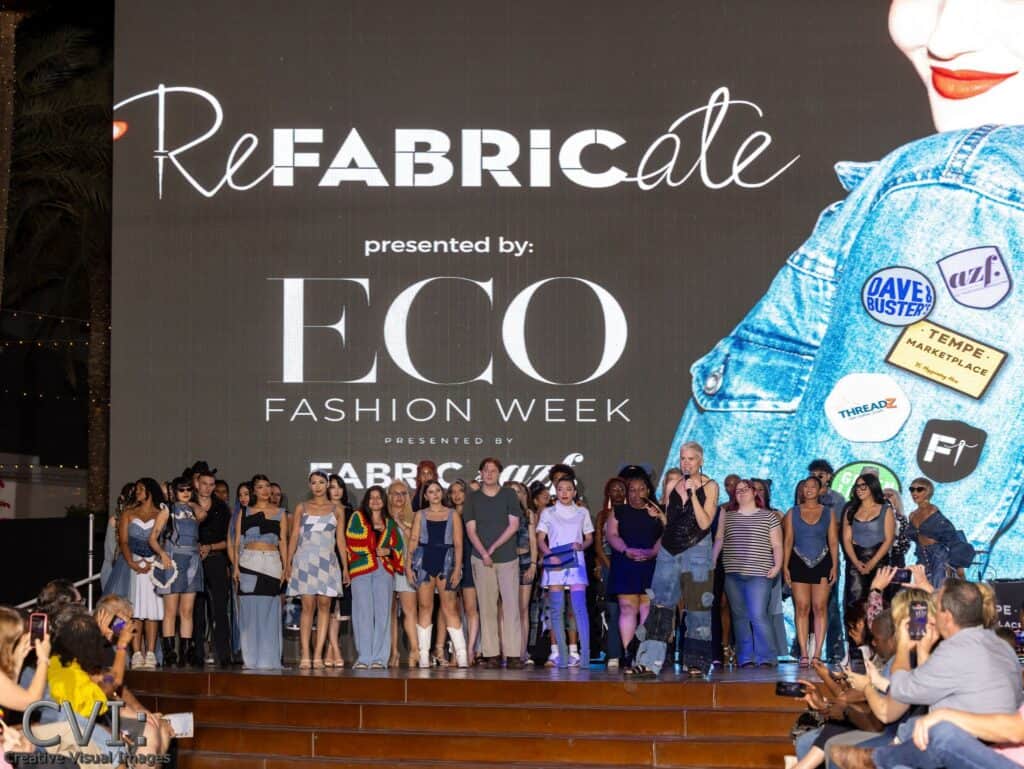
Every April, around Earth Day, Tempe’s FABRIC incubator hosts a week of runway shows, panels, and pop-up shopping focused on sustainable fashion. The centerpiece is the reFABRICate Fashion Show at Tempe Marketplace, where local designers, teachers, and students rework thrifted Goodwill jeans into runway looks.
The same week, the Eco Pop vendor event fills the shopping center with eco-minded apparel and accessory brands. Eco Fashion Week returns next spring.
Interwoven
Green Living magazine launched Interwoven in Phoenix in August 2026. The event mixes a vintage and repurposed fashion show with panels on sustainable design, and local upcycle designers shared the bill with architects and sustainability leaders.
Thrifting, anytime
Thriftapalooza, a thrifting expo with more than 200 booths, heads to the Arizona State Fairgrounds every year before Thanksgiving. But you don’t need an event to shop slow. Between Goodwill, independent vintage shops, and consignment stores, your next favorite piece may already be hanging on a rack somewhere in the Valley.