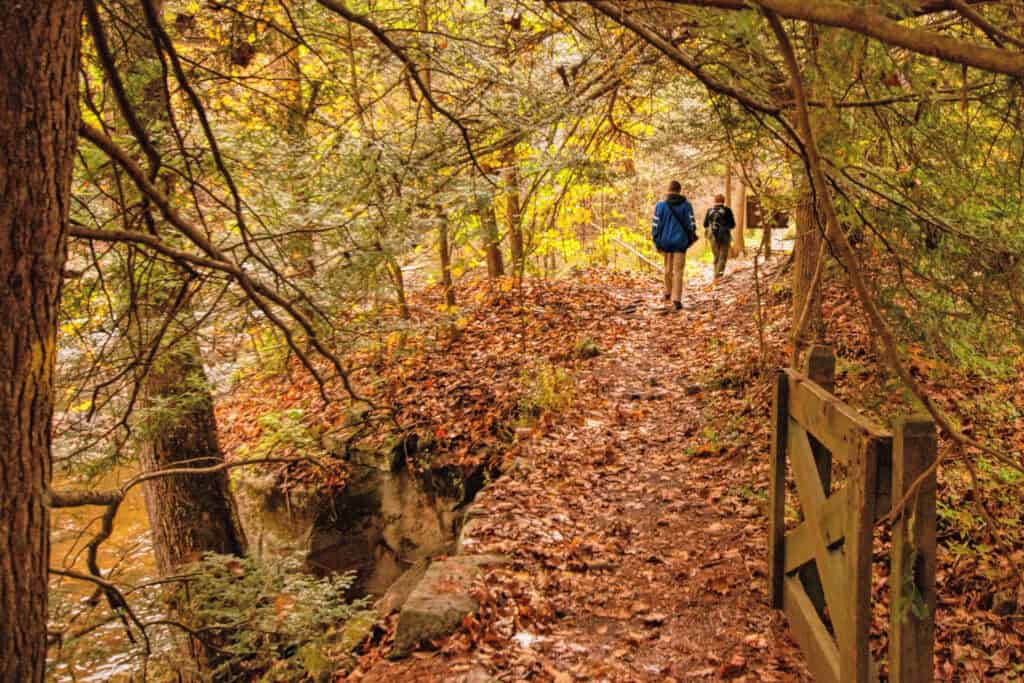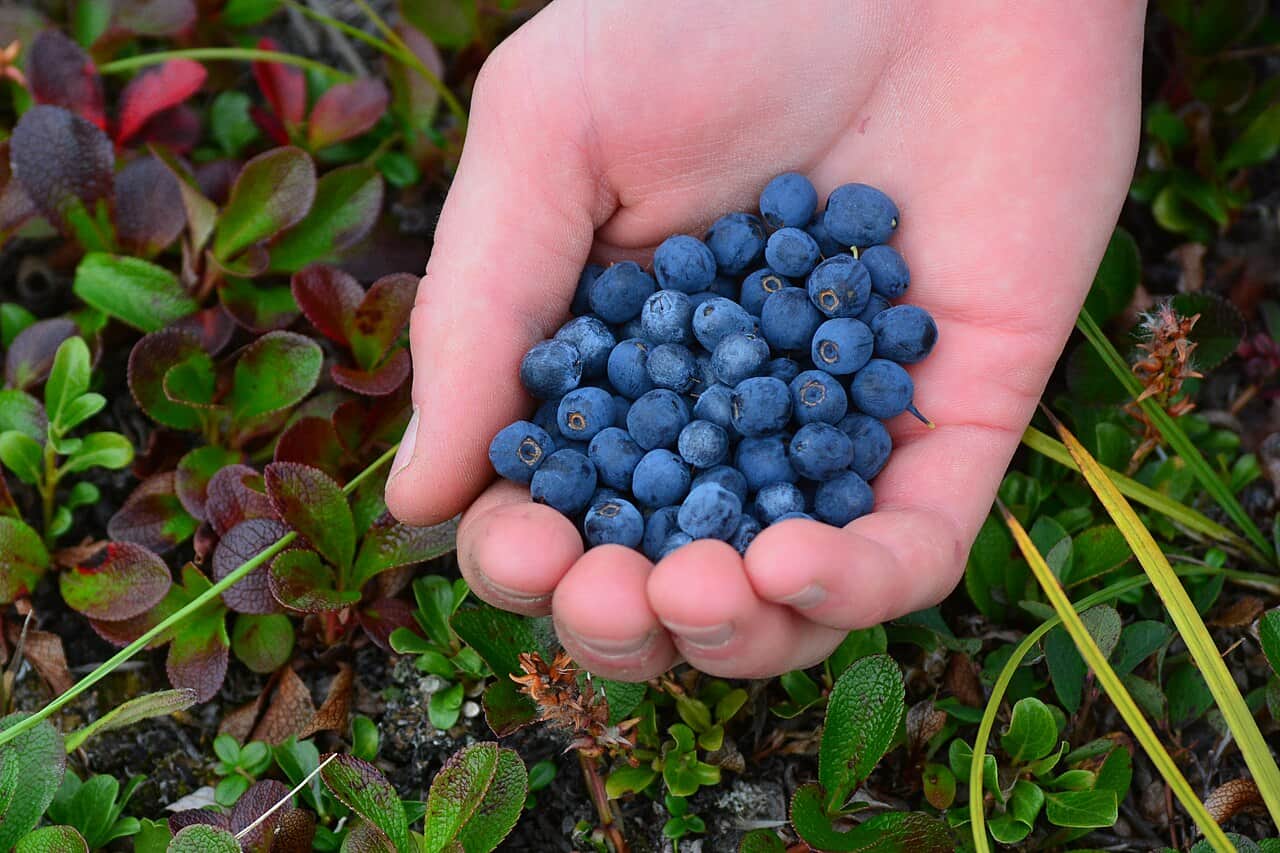
Pluck enough ripe, juicy blueberries for a pie or two on these hikes through Alaska.
Come late July and August, the mountainsides and forests of Alaska come alive with brightly colored treats just waiting to be savored. Low bushes covered in blueberries dot the landscapes across The Last Frontier, and state parks and national forests welcome visitors to try their hand at plucking the plumpest and juiciest berries of them all.
Wild berry picking is an Alaskan rite of passage when peak season hits in August and September. As you hit the trail, empty buckets in tow, here are a few rules of thumb to keep handy: First, dress in layers, as many hikes traverse through cool, wet rainforest and sun-drenched mountainsides alike.
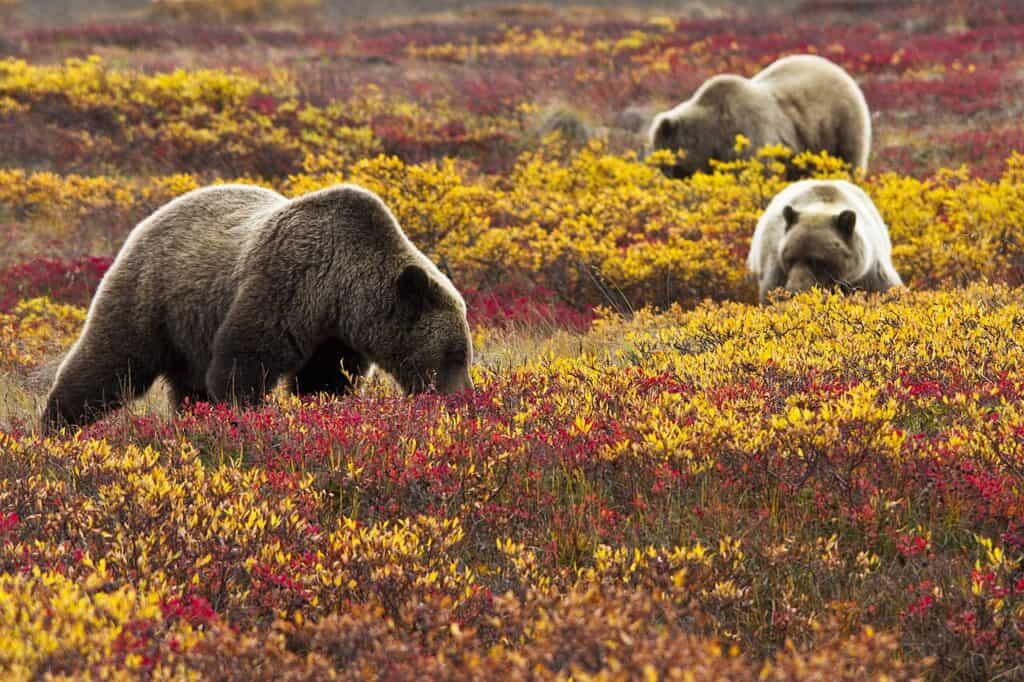
Next, bear (no pun intended) in mind that you’re sharing this wilderness with large wildlife like moose and grizzlies, who may simultaneously be on the hunt for their favorite berries. Keep a safe distance of at least 300 yards, and never feed, call to, or harass wildlife.
Finally, keep your eyes to the ground, as Alaska’s wild berries hang from low shrubs that usually only grow up to a foot from the soil. Keep in mind that berry picking requires a lot of squatting, stooping, and kneeling, so a deep stretch session may be the best way to start this adventure.
Read on to learn the best hikes for Alaskan blueberry picking this summer:

1. Rendezvous Peak Trail
Strap on your best waterproof shoes and hit the trail as early as possible to reap the benefits of a hike to Rendezvous Peak, located in the Arctic Valley Alpenglow area of Chugach State Park, only about 10 miles northeast of downtown Anchorage. According to AllTrails, this 3.3-mile, strenuous-yet-popular route steadily climbs to reach 1,400 feet in elevation, but the sweat is worth it when you catch views of Eagle River and even the distant Anchorage skyline. When you reach the alpine bowl at the end of Arctic Valley Road, you’ll spot low bushes covered in blueberries, as well as mossberries, crowberries, and cranberries. Local hikers advise carrying mosquito spray, as the trail is often muddy and wet, and keeping an eye out for bears.
2. Blueberry Hill
Bring a couple buckets with you on an excursion to Blueberry Hill, accessible via a moderately difficult hike through Chugach State Park in Anchorage. You’ll tackle steep inclines, climbing 1,200 feet in elevation over two miles, and you’ll probably spot a moose or two before you reach the hill itself. Once you arrive at the apex, you’ll find low bushes filled with fresh berries, their growth resembling a living carpet that hovers only a few inches above the ground. Exercise caution and look before you pick, though, as the moose who inhabit this area are known to leave their own berry-shaped gifts along the trail.
3. Blueberry Loop
For those who don’t have the time or capacity for a daylong picking excursion, the Blueberry Loop within Chugach State Park offers a family-friendly, easy-to-moderate route brimming with panoramic views and juicy berries. At just a mile and a half long, the Blueberry Loop involves steep climbing and scarcely any shade, but its short length means your little ones (and your four-legged friends, welcome on leashes) won’t have to struggle long before being rewarded with fields of blueberries ripe for the picking. Plus, the surrounding scenery is so breathtaking, you might not even notice the challenging terrain. Verdant forests full of gnarled tree trunks remind you of whimsical fairytales, while the eye-catching wildflower blooms paint the open hillsides in bold swathes of fuchsia, orange, and yellow. The entire loop takes less than an hour, so even the grumpiest of blueberry pickers can still make it home in time for their midday nap.
4. Falls Creek Trail
When blueberry season peaks in August and trails like the Blueberry Loop reach their maximum capacity, you can avoid the crowds and pick in peace with a visit to Falls Creek Trail in Chugach National Forest. The area’s privacy and serenity come at a price, though. Located in Falls Creek Valley east of Anchorage, this difficult and long hike requires constant climbing, as it gains more than 3,000 feet of elevation over more than five miles of trail. Your exhaustion will be replaced with exhilaration when you finally reach the alpine bowl, where blueberries grow in abundance. After picking to your heart’s content, take a moment to drink in the scenery. With the crystal-clear Falls Lake in the distance and the brightly colored wildflower blooms all around you, Falls Creek Trail is just begging to be photographed.
5. Savage River Loop
Located at Mile 15 of Denali Park Road within Denali National Park and Preserve, the Savage River Loop is an easy, 2.2-mile hike through flat tundra and jaw-dropping rocky canyons that’s home to acres of low bushes bursting with blueberries and lingonberries, commonly known as lowbush cranberries. Find these fruits in the more open and shrub-covered areas of the tundra, and be on the lookout for grizzly bears, who travel to these areas for the same reason you’re there: to pick the most delicious of berries.
In addition to carrying bear spray and keeping at least 300 yards of distance from any blueberry-guzzling grizzlies, here are a couple rules of thumb to follow in this area: Denali is home to the baneberry, a poisonous berry that appears completely white in color or red with a black spot. Bring along a guidebook, or show your picked berries to the park rangers if you’re unsure of their variety. Also, keep in mind that Denali National Park and Preserve allows unlimited berry picking for personal consumption, but harvesting for intended commercial use is outlawed.
6. Winner Creek Trail
Just 45 minutes south of Anchorage in Girdwood lies a moderately gentle, 4.3-mile hike through the United States’ northernmost rainforest habitats. The Winner Creek Trail—namely its longer Upper Winner Creek section—draws berry pickers seeking its fruitful low bushes as well as its awe-inspiring views. To reach the upper trail from the main Winner Creek loop, turn right at the gorge and climb towards the sky. You’ll witness panoramic views of the alpine valley before reaching Berry Pass, an aptly named section of the trail just waiting for you to fill your buckets with freshly picked blueberries and salmonberries, which look like yellow-orange raspberries. Bear in mind that this trail crosses a stunning waterfall and Glacier Creek, and it may be closed if water levels are too high.
7. Blueberry Knoll
Interested in enjoying a picnic lunch en plein air with your loved ones? What about climbing to the top of Blueberry Knoll? A single picnic table awaits at the apex of this land mass, located near Hatcher Pass in Palmer’s Government Peak Recreation Area. A short but steep climb gains 1,500 feet of elevation, with the entire trip taking about three hours. Along the way, you’ll traverse through birch, spruce, and cottonwood forest containing plenty of blueberry-filled low bushes before ending with views of the Knik and Matanuska river valleys. As Alaska’s Matsu Trails and Parks Foundation notes, this area becomes covered in stinging nettles during summer months, so wear long pants.