Arizona is rich in Indigenous culture, and these 13 Native American-owned restaurants offer a yummy way to experience some of the state’s culinary traditions.
The Southwest is home to generations of Indigenous cultures, many of which remain deeply connected to their ancestral homelands. Arizona, in particular, is home to 22 federally recognized tribes, including most of the Navajo Nation.
While there are many ways to explore Indigenous cultures throughout the Grand Canyon State, sitting down for a meal at a Native American-owned restaurant is a delicious place to start. You’ll get a taste of tradition while supporting Indigenous entrepreneurs and their communities.
Central Arizona
Close to the state’s capital and several tribal communities, central Arizona has a generous selection of Native American-owned restaurants, some of which have earned prestigious culinary awards. Phoenix also offers plenty of opportunities to explore Native American culture and history if a good meal inspires you to dig a little deeper.
Fry Bread House
4545 N 7th Ave, Phoenix
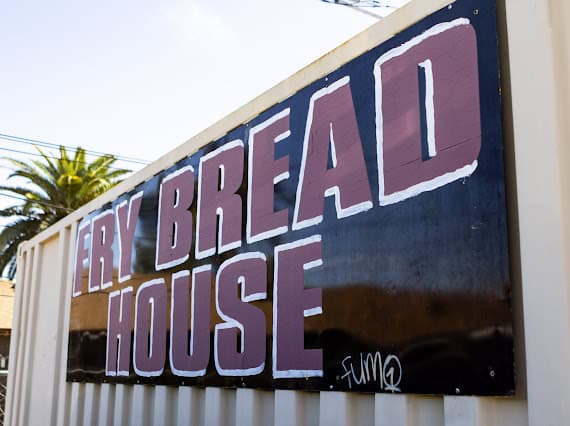
Fry Bread House, located in Phoenix, is an award-winning eatery featured on Guy Fieri’s “Diners, Drive-Ins and Dives.” In 2012, it became the first Native American restaurant to win a James Beard Foundation America’s Classics award, and it has won numerous New Times Best of Phoenix awards. In the summer of 2026, Michelin included the spot in its inaugural Southwest guide. Despite the hype, meals here range from $10 to $20, offering authentic tastes of Tohono O’odham tradition.
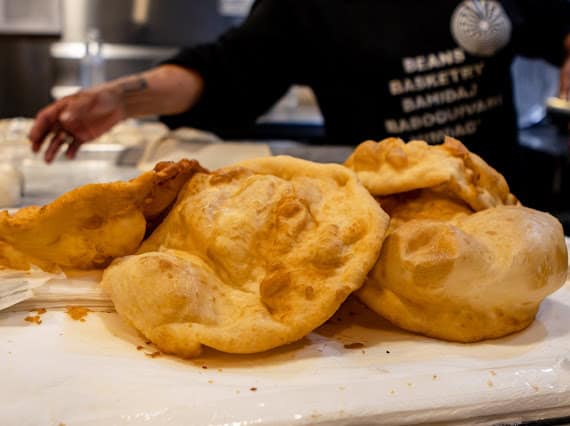
In 1992, Tohono O’odham woman Cecelia Miller established Fry Bread House as a place where Indigenous people could sit, feel at home, and find community despite displacement; the restaurant has maintained its original spirit while offering so much more. Tohono O’odham people are known throughout the Southwest for their red chili beef, large, hand-stretched flour tortillas (chumuth) and frybread (popovers), along with their basket-making heritage crafts and other skills and trades.
Kai Chandler
5594 W Wild Horse Pass Blvd, Chandler
Proudly billed as “the only AAA Five Diamond and Forbes Five Star restaurant in Arizona,” Kai at Wild Horse Pass was also listed among the world’s best restaurants in 2020. Owned by the Gila River Indian Community, the restaurant features dishes that honor the traditions, history, and ingredients of the Pima (Akimel O’otham) and Maricopa (Pee Posh) people. Even the name has meaning. Kai translates from the Pima language to English as “seed.” The menu incorporates ingredients from the Native Seeds/SEARCH, an organization dedicated to preserving ancient varieties of Native American seeds that might otherwise disappear.
The Frybread Lounge Scottsdale
7211 E Main St, Scottsdale
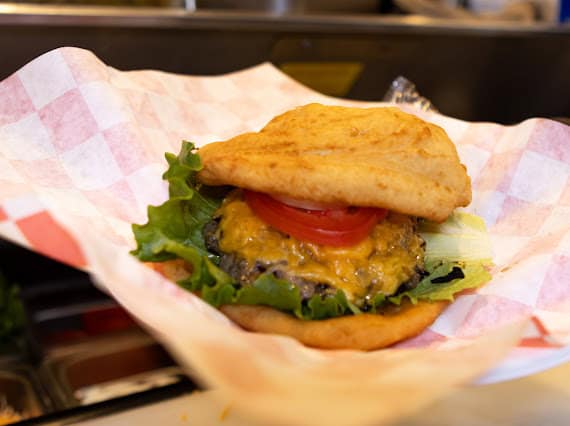
Do you like frybread and bison? Stop by The Frybread Lounge, the first and only Native-owned restaurant in Old Town Scottsdale. In 2026, USA Today ranked it No. 5 among its top new restaurants, and for good reason! The dishes feature fresh, locally sourced ingredients, including beans from Ramona Farms on the local O’odham Nation. Beverages include wild sweetgrass tea, Navajo tea, and vodka from Taos, New Mexico. Traditional dishes include blue corn mush, while signature offerings include the bison ribeye frybread sandwich. Drool!
Beyond the food, the restaurant is a major supporter of the arts. Its sister business, the next-door Native Art Market, has sent more than $4.5 million to Native American artists over the course of four years. The mission is a reason to show up; the food is a reason to stay.
Hope’s Frybread, Mesa
144 S Mesa Dr, Mesa
Hope’s Frybread is not officially part of the Mesa Foodie Trail, but it remains a popular destination for its flavorful cuisine. Owners Hope and Aaron Peshlakai were raised on the Navajo Reservation, where they began selling frybread to their neighbors. Rooted in Grandma’s recipe, they brought this vehicle for both sweet and savory toppings to Mesa, where they serve high-quality frybread with a bounty of options. To quote one review: “Just go! The fry bread was pure perfection.” I don’t know about you, but I’m ready to take this stranger’s advice.
San Carlos Cafe
14 San Carlos Ave, San Carlos
Head over to the San Carlos Apache Reservation, less than 50 miles east of Globe. Beyond seeing higher elevations, pine trees, and fantastic art, San Carlos Cafe—among other restaurants—offers a taste of Apache cuisine. Proudly serving made-to-order food, this cafe supports local schools and community initiatives, offering visitors a glimpse into the community beyond the dining room. Burritos and burgers are a big deal here, but be sure to bring cash just in case. The Wi-Fi has been known to go down, taking any hopes of using a card with it. Since this is a cafe, hours are more limited than at other spots. If you arrive and find it closed, head over to nearby Apache Burger, a popular gathering place for local youth.
Yavapai Apache Fry Bread & Jewelry
W Middle Verde Rd, Camp Verde
How about some jewelry with your fry bread? While that may sound silly, Yavapai Apache Fry Bread & Jewelry sells both made-to-order frybread and handcrafted jewelry, giving you the opportunity to both fuel and accessorize at the same stop. Near Montezuma Castle and Cliff Castle Casino, this food stand is run by both an Indigenous and military veteran family. Frybread is also reasonably priced, starting at just $4, depending on the toppings.
Southern Arizona
Tucson has a generous selection of Native American-owned restaurants, with three standout locations worth visiting. Centrally located in southern Arizona, the city offers culture, history, and an aesthetic that reflects its roots.
Cafe Santa Rosa
2615 S 6th Ave, Tucson
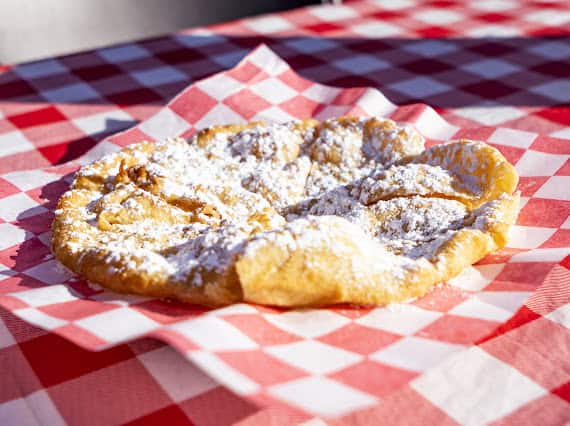
Cafe Santa Rosa offers red or green chile popovers and a taste of family cuisine. The cafe is family-owned and operated, proudly declaring: “The family has been cooking this food for years, the way family cooks at home. There is no shortcut and no secret. Just frybread made by hand, red chile that takes its time, and a room that feels like home.”
The food shares similarities with Mexican cuisine, but the menu is built around frybread, Navajo tacos, and popovers. The family also hand-built the mosaics and archways inside the restaurant, creating the feeling that you’re sitting down to a meal at a friend’s family home rather than simply visiting a restaurant.
La Indita Restaurant
722 N Stone Ave, Tucson
Only go to this Mexican-Native American eatery if you’re hungry, as the portions are generous. La Indita Restaurant is another establishment rooted in family tradition, offering recipes passed down through generations. Opened in 1983, La Indita has served the Tucson area for more than four decades, and customers consistently praise its food. As one customer shared, “This is a place to have a good group of friends or family, enjoy some laughs and good conversation, while you share your food because everything I have had here has been delicious.”
Popoverz Indian Frybread
2400 W Valencia Rd, Tucson
Everyone has a favorite food truck, but have you been to everyone’s favorite? Popoverz is a Native American food truck on the northwest corner of Valencia Road, serving up small orders of frybread with a variety of toppings. Try it with honey and powdered sugar, homemade chile, beans, or simply cheese and lettuce. The frybread here is known for being light, airy, and crispy, without the heavy grease that sometimes comes with this treat.
Northern Arizona and Navajo Nation
The Navajo Nation is often described as a food desert, with only 13 grocery stores serving a population of approximately 300,000. Despite these challenges, several notable restaurants serve both local communities and visitors.
HWY 89 Yummy Shack
About 3 miles north of the AZ-64 junction, Cameron, Navajo Nation
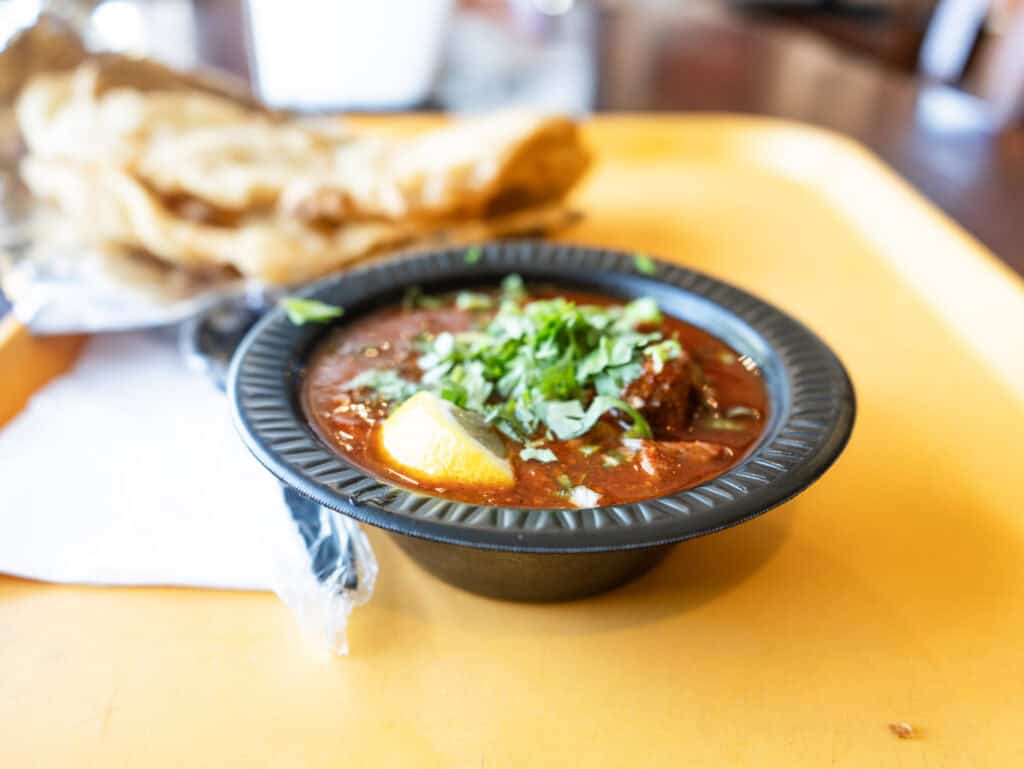
This roadside food stand may not have consistent hours, but it consistently serves tasty traditional food. HWY 89 Yummy Shack offers frybread, Navajo burgers, roast mutton, and more. This family-run stand proudly serves quick, affordable Indigenous comfort food to visitors and residents near the east entrance of the Grand Canyon. It is typically open later in the day.
Diné Restaurant
48 West, 48 AZ-264, Window Rock, Navajo Nation
Connected to the Navajo Nation Inn, Diné Restaurant offers a mixture of classic diner fare, coffee drinks, and Navajo cuisine, including mutton stew, Navajo tacos, and more. Focused primarily on breakfast, the restaurant also offers plenty of energy drink mixers with kitschy names, such as Turquoise Rose and Navajo Code Talker. The names play into the area’s character, creating a fun experience for visitors staying at the inn or stopping in for a meal.
Mother Road – Navajo Frybread
36820 US-191, Chambers, Navajo Nation-adjacent
Frybread burgers, Navajo tacos, and fresh-squeezed lemonade beckon passersby to stop at Mother Road in Chambers. Prices range from $3 to $12, with the most expensive menu item being a steak sandwich! Once you’ve finished your meal, pop into the gift shop and pick up a handmade item as a gift or for yourself.
Red Heritage Native American Dinner Theater
644 N Navajo Dr Bldg E, Page
Sit down for an authentic meal while watching a show featuring hoop and powwow dancing. Red Heritage is Navajo-owned and operated and was voted the best entertainment in Page in 2024. It offers a cultural experience for visitors exploring Antelope Canyon and Lake Powell. This family-friendly experience serves frybread, chili, salad, and other modern dishes, but the cultural performances are what make the meal memorable. With opportunities to experience Navajo traditions up-close, Red Heritage sets the stage—literally—for an unforgettable evening.
Frybread: An enduring staple
Frybread’s history is rooted in a dark chapter of Indigenous history. In 1864, during the Long Walk, the U.S. government forcibly removed thousands of Diné (Navajo) people from their ancestral lands in Arizona and marched them hundreds of miles to Bosque Redondo in New Mexico. Stripped of their land, crops, and livestock, families were left dependent on government-issued rations that included flour, salt, sugar, and lard. Using these limited ingredients, they created what became known as frybread—a food born out of displacement and the need to survive. Over generations, frybread took on a meaning beyond its origins. For many Indigenous families and communities, it has become a symbol of resilience, family, and cultural identity.
Having taught at a charter school near San Carlos for years, I’ve been fortunate to have students share their family recipes at the annual Cultural Banquet. One thing is common among all the frybread recipes I’ve encountered: Blue Bird Flour. Blue Bird is an iconic, high-gluten, bleached wheat flour milled by the Cortez Milling Company in Cortez, Colorado. Although the company was founded more than 50 years after the Long Walk, Indigenous communities came to favor the flour for its specific milling, which includes higher protein content, fine grain, and the resulting pliable dough. It comes in a distinctive flour sack, which has also become a symbol of Indigenous resilience and ingenuity, as evidenced by fashion shows and exhibits, such as the one running at Heard Museum in Phoenix until February 2027.
If you’re interested in trying your hand at frybread, pick up some Blue Bird flour. It’s commonly available throughout the Four Corners states, including Arizona—it’s in nearly every Fry’s. Next, visit one of these restaurants, fall in love with frybread, and ask for the recipe. I’ve witnessed many people light up when sharing this traditional recipe, which varies slightly from family to family. You’ll likely walk away with a recipe for a delicious treat, but that won’t stop you from returning to your favorite Native American-owned restaurant time and time again.