Food insecurity is pervasive in some of Michigan’s low-income communities. Here’s what you need to know, along with resources if your family is impacted.
If you’ve never struggled to access fresh fruit or locate a supermarket close to home, the term “food desert” might be unfamiliar. But it’s a multifaceted challenge faced by families across the country, and Michigan is no exception.
By definition, a food desert is a residential area, usually low-income, where a large portion of residents live more than 1 mile (in urban areas) or 10 miles (in rural areas) from a supermarket or other fresh-food source. USDA mapping approximates that more than a million Michiganders live in a food desert.
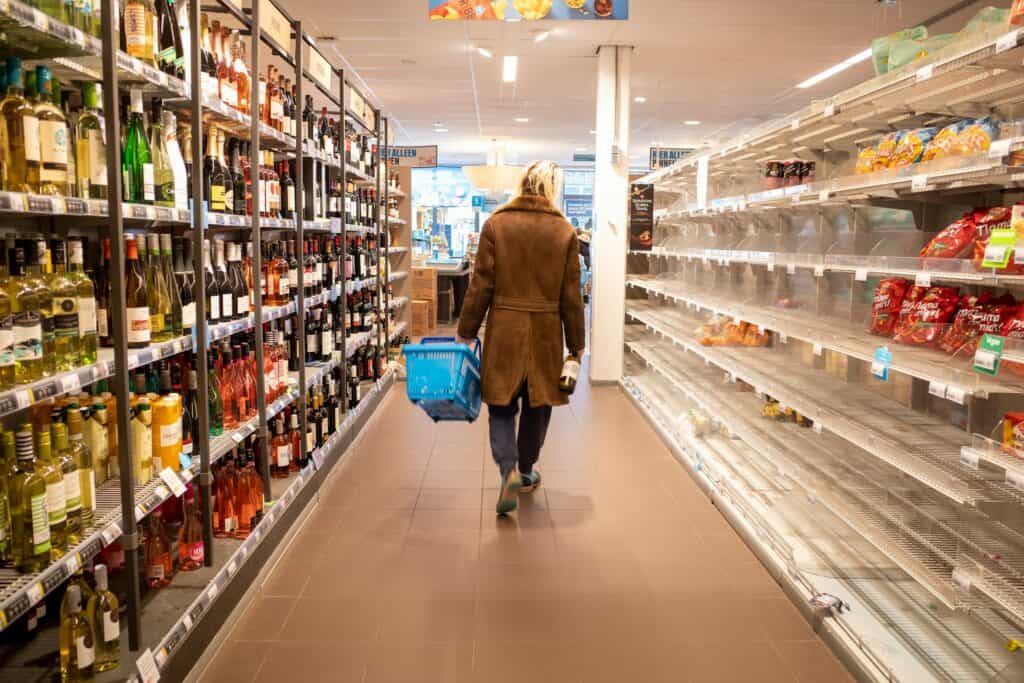
Food insecurity leaves families with limited access to nutrient-dense options and presents health challenges for children and adults alike—after all, the human body needs grains, fruit, vegetables, dairy, and other essentials to sustain itself. But in some parts of Michigan, residents rely on convenience stores or small, minimally stocked markets for their meals, often finding limited options beyond processed or frozen fare.
Education and outreach are two key tools for addressing food insecurity across the state over the long term. Here are three of the most prominent food deserts in Michigan, along with resources for residents who find themselves in need of support (and options for those who want to help).
1. The Upper Peninsula
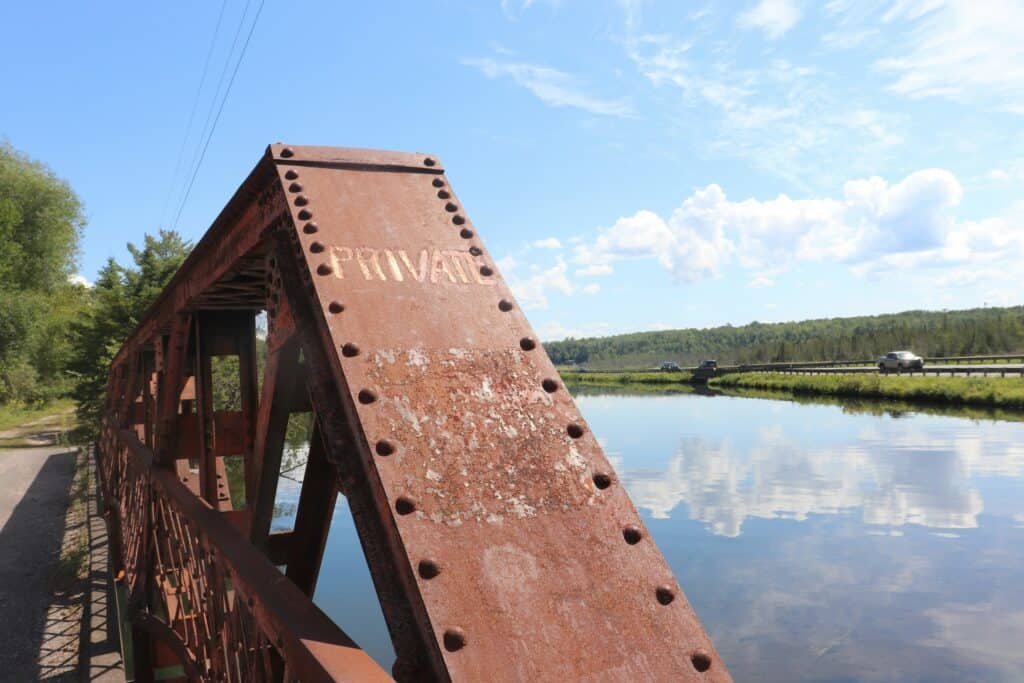
While income levels vary across the Upper Peninsula, it’s no secret that many residents live in relatively isolated conditions. The U.P. is nothing if not vast, and this means grocery stores aren’t always easy to come by—and data from the USDA shows that most of the U.P. falls into the “food desert” category.
Counties like Houghton, Alger, and Keweenaw are classified as “low-access communities,” while other barriers, like cost of transportation and severe weather threats, add further challenges for families seeking fresh food.
Organizations working to address food insecurity in the U.P. include the U.P. Food Exchange, which connects local farmers and producers with consumers across the region, and the Upper Peninsula Commission for Area Progress (UPCAP), which connects families with vouchers through its U.P. Fresh Food Access Program.
More information about food insecurity and potential solutions for U.P. residents can be found on the Feeding Michigan Families website.
2. Detroit
According to the Detroit Food Policy Council, some Detroiters face significant challenges when it comes to securing groceries. Per their research, around 69 percent of households in the city experience some form of food insecurity, while around 20 to 30 percent of residents lack access to a vehicle, which adds another layer of difficulty in accessing supermarkets.
Convenience stores and fast food restaurants aren’t hard to find throughout Detroit, but fresh produce and other more nutrient-rich options remain scarce in some neighborhoods.
The good news is that food insecurity remains a priority for community activists and organizers throughout the Motor City. Initiatives like the Detroit People’s Food Co-op and urban farming initiatives (D-Town Farm in Rogue Park is one excellent example) center on meeting folks where they are—quite literally—while expanding affordable, accessible food options.
Another notable program is Keep Growing Detroit, a non-profit centered around planting school gardens throughout the city and teaching young people about sustainable growth.
3. Flint

When the Flint water crisis first made headlines in 2014, the city’s public health concerns became crystal clear. But beyond its challenges with contaminated water, Flint has also historically faced the impact of food insecurity.
Many portions of the city are classified as food deserts, particularly on the north side. With the closure of major supermarkets like Meijer and Kroger in recent decades, fresh produce has become even less accessible to Flint residents.
But much like Detroit, tackling food challenges seems to be a priority for Flint activists and non-profits. If you’re feeling the effects of food insecurity in Flint, consider options like the North Flint Food Market, a community grocery store that offers significant discounts to members. The Flint Farmers’ Market connects SNAP recipients with fresh food, while the unique Flint Fresh Mobile Market delivers groceries directly to underserved communities.
Michigan-wide food insecurity resources
Food insecurity affects families in all areas of the state, not just those classified as food deserts. If you’re struggling to keep your refrigerator full or need help finding affordable groceries during a challenging financial time, resources are available to help, including:
Michigan 2-1-1
This hotline operates much like 9-1-1, but for social services. Call Michigan 2-1-1 to be connected with food pantries in your community or to learn about financial assistance.
Feeding America West Michigan
Visit this organization’s website to learn about mobile food distribution efforts or to find a food pantry near you. Supporters can also donate to the organization through a convenient link on the homepage.
Free school meals
If your child is enrolled in public school, inquire about free school breakfast and lunch options. Access to these services is included in Michigan’s state education budget.
F.O.R. (Food and Other Resources) Helpline
To learn more about SNAP benefits and Bridge Cards, including information about recent changes to the program under federal guidelines and eligibility changes, call 1-888-544-8773. The helpline can also point you toward emergency food pantries in your area.