
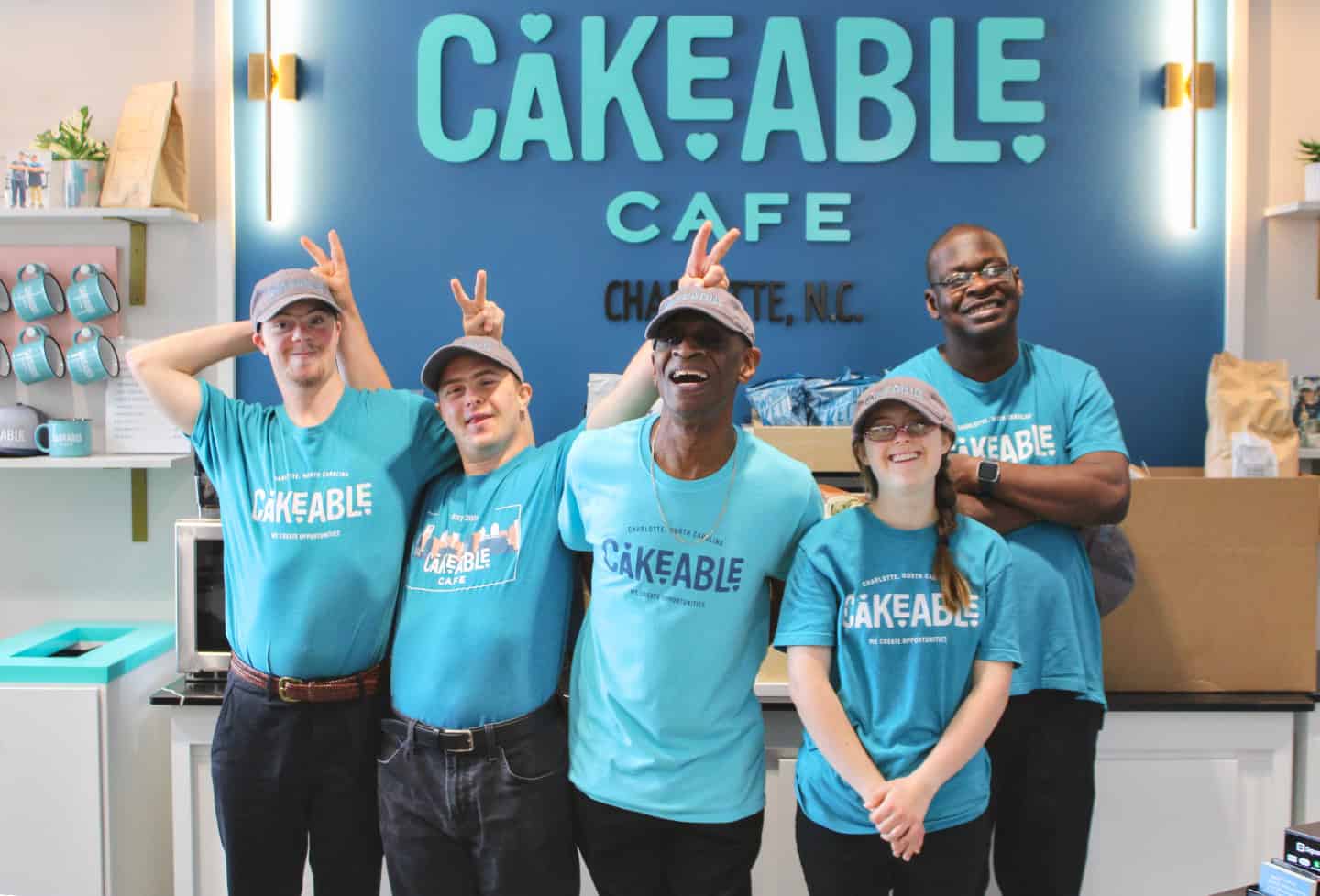
Cakeable operates a training program for people with disabilities to be employed in businesses in the Carolinas.
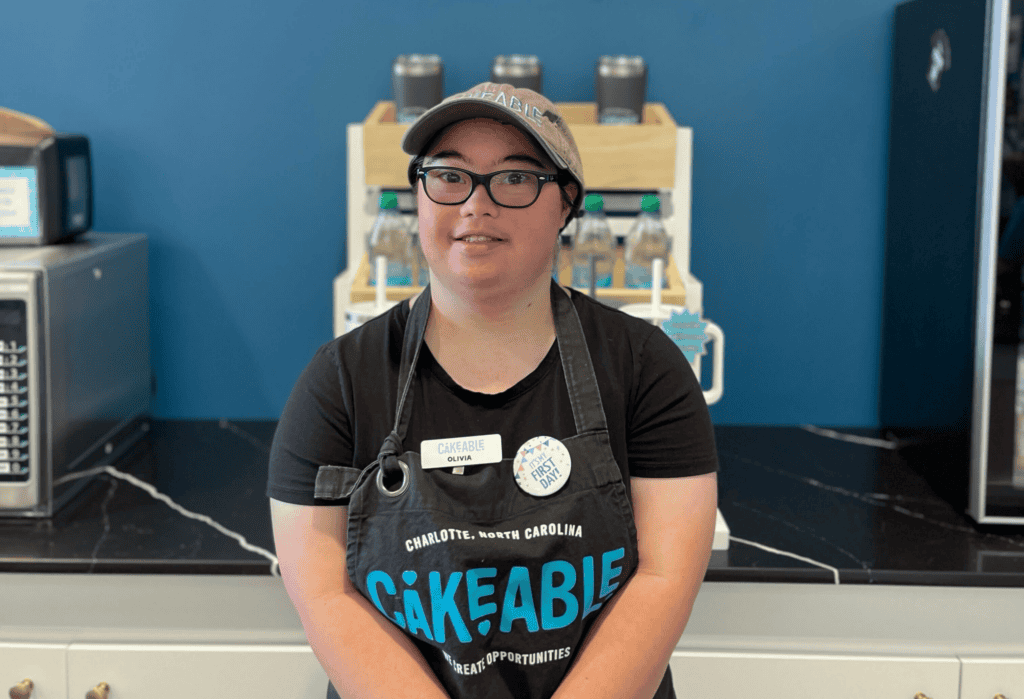
Harrisburg resident Olivia Punsalan heads to the Marriott Hotel & Conference Center at the University of North Carolina Charlotte most Wednesday and Friday mornings to work as a barista at the coffee shop inside the hotel. She describes herself as a hard worker.
Olivia, 22-years-old and born with Down syndrome, was accepted into Cakeable’s internship program last summer. For three months, she mastered the skills to be a barista in a coffee shop.
“They helped me learn different skills,” Olivia says. “I feel outstanding.”
Olivia’s mom, Theresa Punsalan, provides transportation to the Marriott. She’s seen Olivia’s confidence soar since joining Cakeable’s program.
“It (Cakeable) has a very special place in her heart,” Theresa says. “It was her first experience on her own. It had a huge impact on her. It’s still taking her places.”
Launching pad
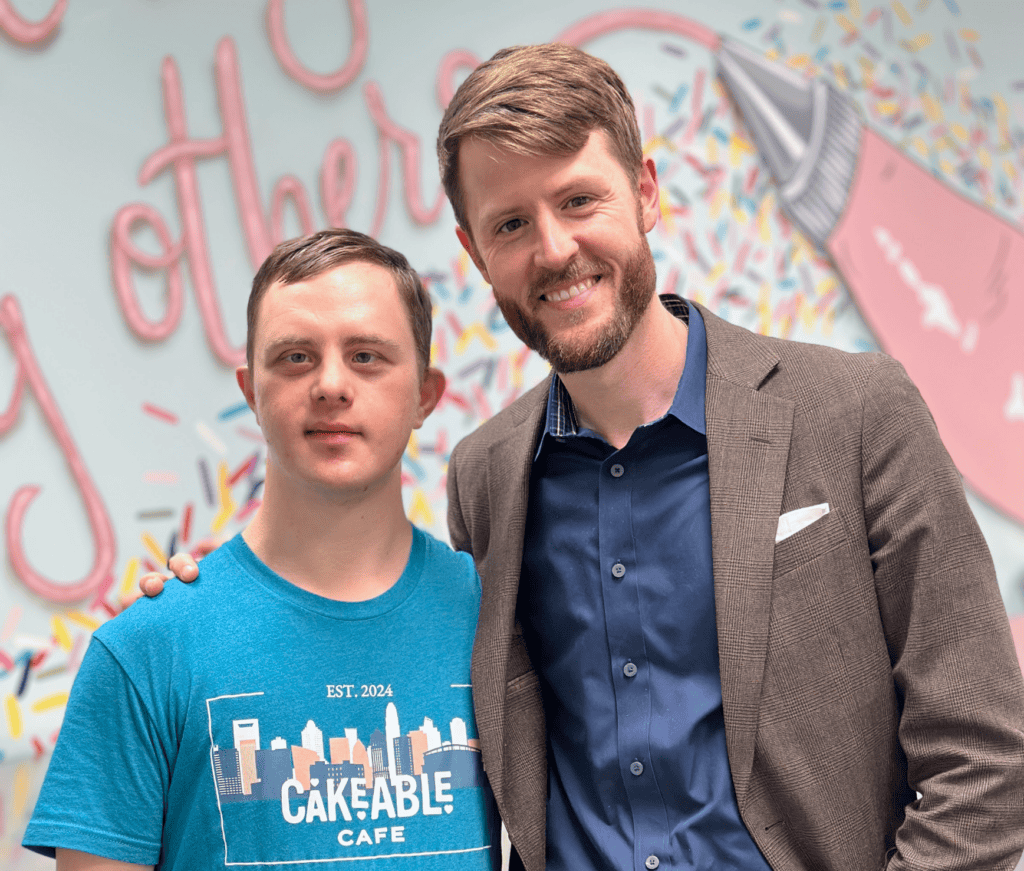
In 2019, John and Renee Ratcliffe opened Cakeable, a small bakery and coffee shop, in Charlotte. With experience as a special education teacher, Renee was inspired to hire people with disabilities to meet a growing need for employment in the intellectual and developmental disabilities (IDD) community.
By 2024, the couple realized the need was too great for one business to meet and changed their operation from a landing pad to a launching pad. The old model allowed them to employ just a few people, but if they offered a training program to integrate IDD employees into other businesses, they could serve many more people each year.
Cakeable revamped the mission to reflect the new plan: “to empower people, businesses, and communities to achieve their fullest potential through inclusive work environments.”
“We found that we wanted to be a launching pad model,” says Ken Norton, Cakeable’s executive director. “What that means is everyone you see at the cafe, we call them interns, are paid employees. They’re here for three to six months, learning the skills, doing the job with the intent that we are going to get them a job once they graduate from the program.”
The model
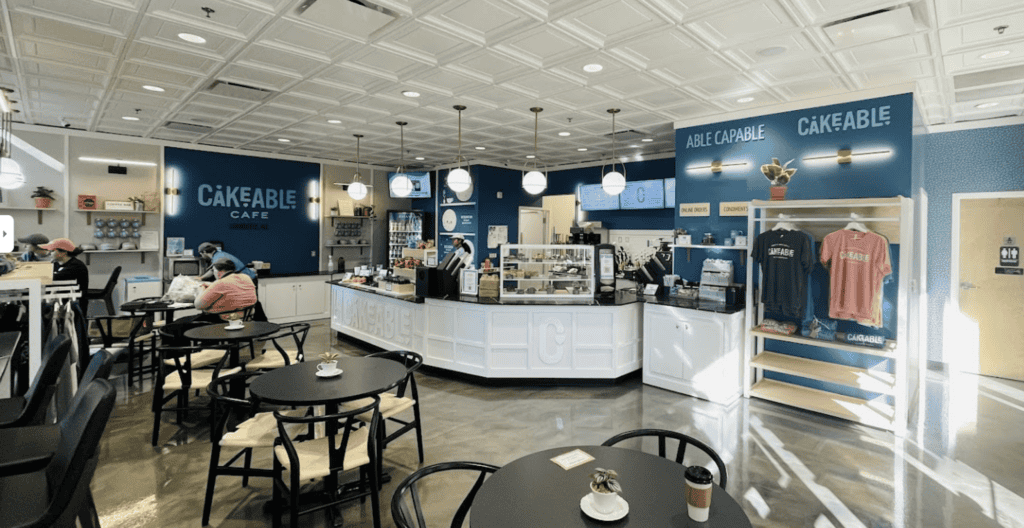
About 30 interns are selected each year to join Cakeable’s internship program, located at the cafe in uptown Charlotte. Each intern is paid a wage while receiving one-on-one job training, job search coaching, and support throughout the internship and job placement.
Interns range from 18 to 60 years old. Cakeable serves people with IDD, such as autism, cerebral palsy, Down syndrome, and Turner syndrome.
“We want them in and around the community for lots of reasons,” Norton explains. “We love creating places to belong. At the end of the day, we want integration for the community. It’s beneficial for all.”
Two social workers operate the training and placement program. Interns receive personalized training in customer-facing roles, such as taking orders, running the register, and interacting with customers. They also learn task-based skills using detailed checklists to make coffee.
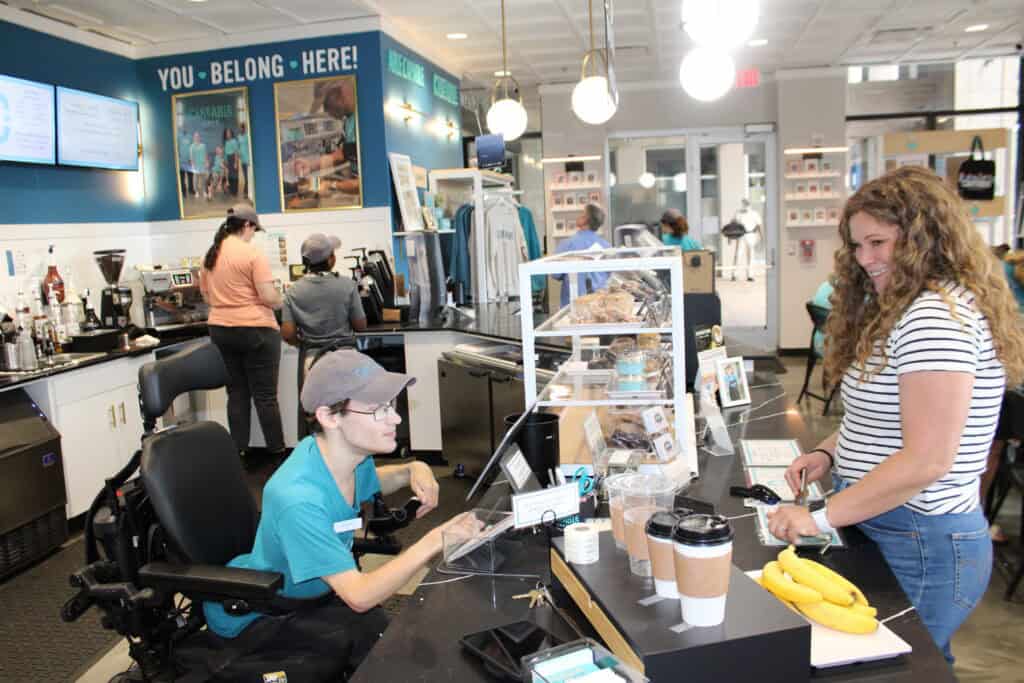
Norton notices how many of their interns work well with customers, often bringing in repeat customers, which helps the company and the employee.
“Our people have immense worth, and business capabilities that will make businesses better,” Norton says. “Andrew (a graduate of the intern program) just got a job at the Marriott in uptown. He has an infectious personality and he brings customers into the cafe. Sales increased because of Andrew.”
Once an intern is ready for job placement, several factors are considered: Where does the intern want to work? What interests them? What transportation is available? When are they available to work? With the assistance of family and/or legal guardians, the staff members pursue the right job for them.
Interns have been placed in day care centers, ice cream shops, and with other companies, including Charlotte Marriott City Center, Compass Group, Delta Sky Lounge, Kimpton Tryon Park Hotel, Mood House, and Sweetwaters Coffee & Tea in Indian Land, South Carolina.
After an intern is placed, employers receive training on how to lead and manage people with IDD. The social workers provide ongoing support to the employer at no cost.
“Once it’s a good experience, and it will be,” Norton says, “they’re going to want more. ‘If I have another job opening, let’s do this again.’”
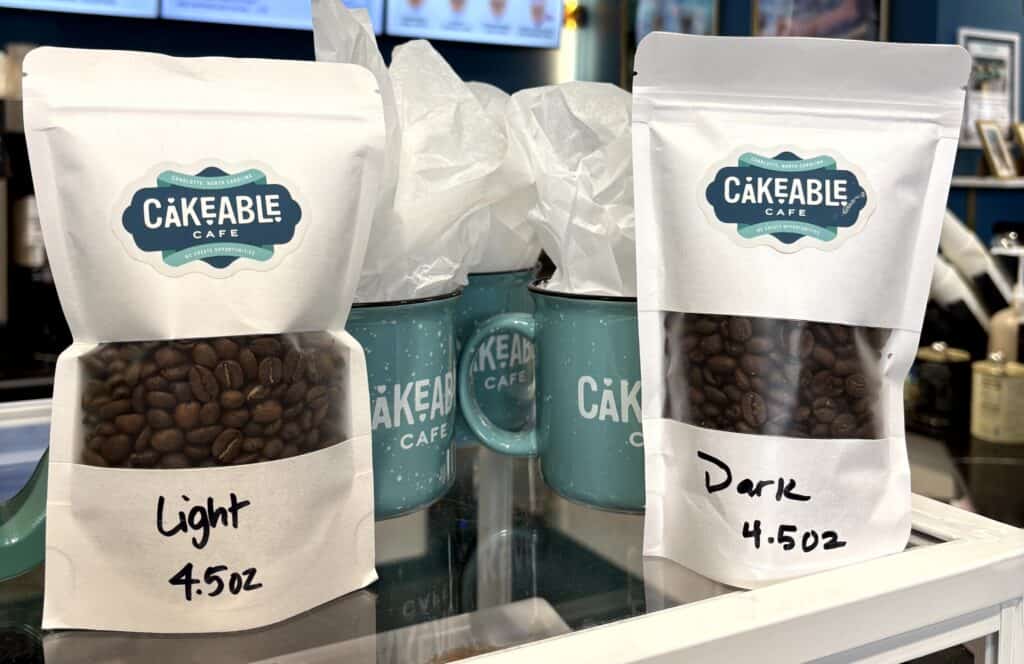
Although interns don’t pay to be in the program, it costs $12,000 for each intern to participate in the program. Funding comes from private donations and corporate sponsorships as well as coffee, merchandise, and pastry sales at the Cakeable Cafe in uptown Charlotte (including online coffee subscriptions).
Pastries are sourced from Whisk + Wood, a business in Charlotte, and coffee is purchased through Haerfest Coffee, a Charlotte-based company providing jobs for people with disabilities.
“We can argue ‘from bean to cup,’” Norton says. “Every part of the (coffee) process has been touched by someone with a disability.”
Cakeable
401 N. Tryon Street
Charlotte, NC 28202
More places to support
Across North Carolina, nonprofits, small businesses, and corporations hire people with disabilities.
Assist these organizations with your patronage:
- 321 Coffee, Raleigh
- Bitty & Beau’s, Charlotte and Wilmington
- Cherubs Cafe, Belmont
- Cotton Candy Factory, Belmont
- A Special Blend, Greensboro and High Point
- ZABS Place, Charlotte

