I’m working with the National Council of Nonprofits to speak with CEOs making a difference across the country. This month, I spoke with Dr. Leah Spangler, the President and CEO of The Learning Lamp in Johnstown, PA.
Dr. Spangler previously worked in journalism but found greater meaning in the nonprofit sector. “The value of the work that I do now is really hard to beat,” she shared of her 23 years at the organization. We discussed The Learning Lamp’s mission, changes in public funding, and the org’s impressive breadth of affordable programs for kids and teachers.
Working in the Appalachian mountains with families and children from historically underserved backgrounds, TLL provides direct service in six counties and participates in shared services in 17 counties. “Children who live here do not have access to the types of programs a child growing up in Philadelphia or Pittsburgh would have access to,” Dr. Spangler explained.
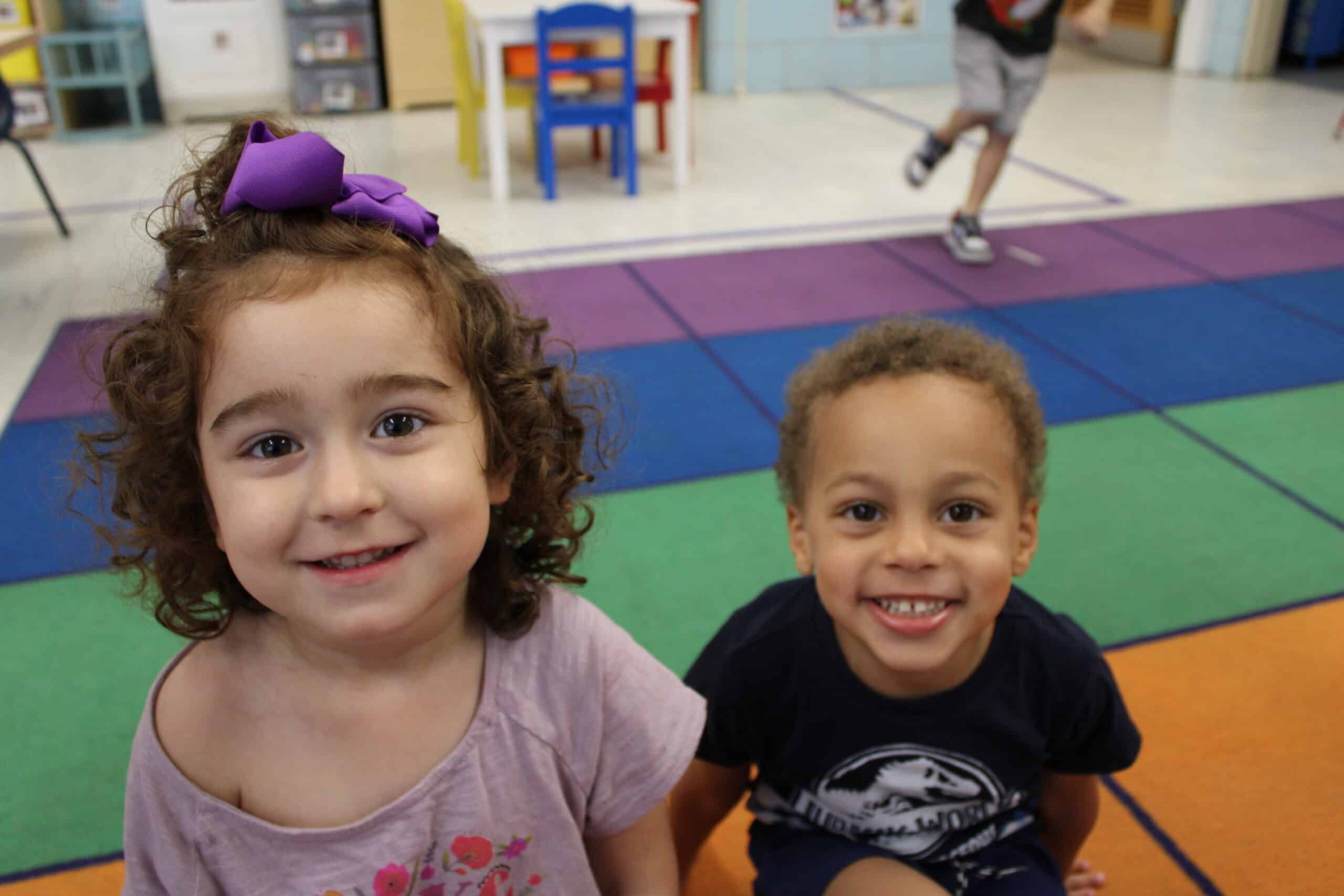
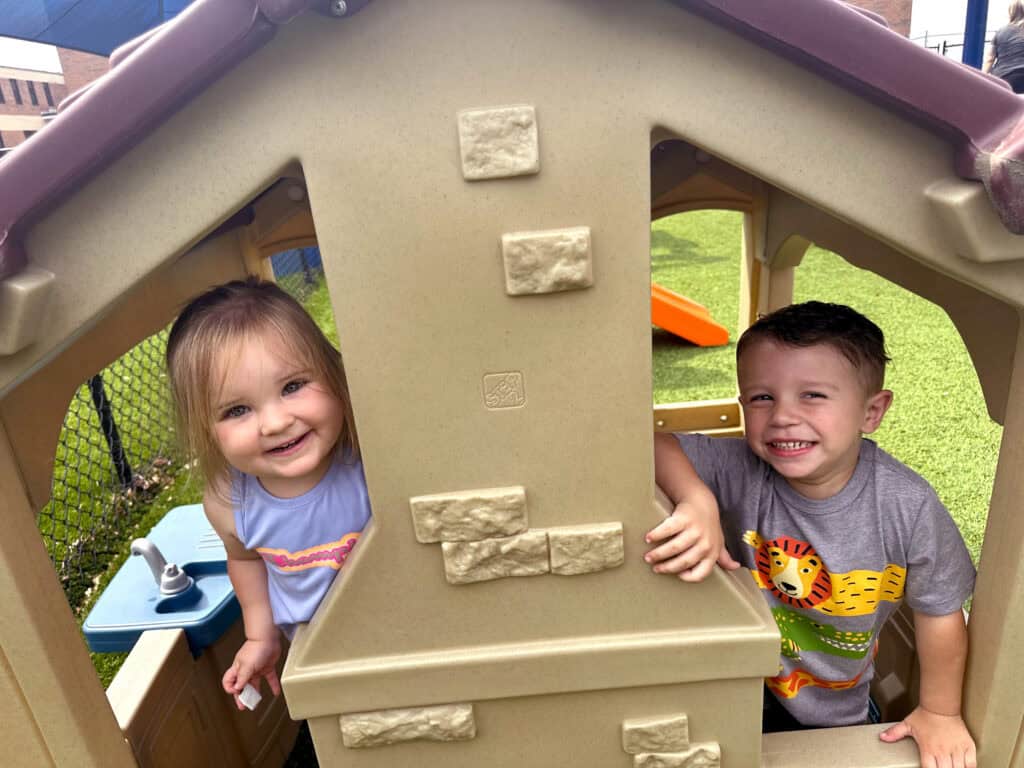
So we talked about the organization’s programming, starting with the early childhood group that does child care, preschool, and before and after-school care. Alongside care programs, Dr. Spangler explained, “We have a division that basically is focused on systems building for the Early Childhood sector, so that we do anything that might support our region’s childcare community.” This programming includes trainings like CPR certification and professional development for educators, bringing affordable resources to especially underserved communities to improve their childcare infrastructure.
A Shared Services Alliance to tackle challenges in funding
Around 2018, TLL launched the Early Childhood Alleghenies Shared Services Alliance, which has since grown to include 109 providers across 200 childcare locations. “The goal is to support childcare providers in doing their daily work,” Dr. Spanger said. “Through professional development trainings, we will assist with providing HR guidance, [and] we will assist with recruiting staff so that they’re able to increase their staffing levels, which every child care program is struggling with. We can [also] assist them with identifying funding sources and writing grants.” Here, Dr. Spangler identified that securing the financial resources necessary for an organization to thrive is a particular challenge these days.
Of course, it’s impossible to talk to the CEO of a nonprofit organization today without discussing governmental funding issues in the current political climate. The Children’s Book Fair—which has run for 17 years and is TLL’s largest event—previously received funding from the National Endowment for the Arts, and it was approved for the grant again this year. However, the funding was ultimately canceled, forcing the org to scramble for support.
Dr. Spangler reflected, “The current environment from a political standpoint, whether it’s at the Pennsylvania level or the federal level, it’s very difficult to navigate. We didn’t have a budget in Pennsylvania, and that really impacted [the] startup of programs, publicly funded preschool programs.”
Thankfully, through dedicated fundraising efforts, The Children’s Book Fair was able to happen, featuring activities for families, readings by New York Times best-selling authors and illustrators, and free books from First Book.
“Raising children with a love of reading is not something that you get everywhere, and so having this lovely festival where they’re just being exposed to different ideas and different people, it’s just so valuable.” Dr. Spangler explained, adding another benefit of the popular event. “A lot of the children and families that we serve struggle with money, and so there’s not a lot of extra resources to do things with your kids. So if we can do this and make it available at no cost, then there’s no barriers for anybody to attend.”

The Free College Degree Program and supporting public education
One of the most exciting programs we talked about actually helps recruit potential early educators: the free college degree program. It’s so common to go into debt to attain a degree, or for folks to count themselves out from the opportunity altogether due to financial constraints.
If The Learning Lamp staff or community members already know they enjoy working with kids, TLL can support them in advancing their careers through earning a Child Development Associate, or achieving an Associate’s or Bachelor’s degree in the field. In this way, childcare can become a career with increased growth opportunities for folks from any background.
TLL also has a K-12 services group that has its hands in public education. Dr. Spangler clarified, “In particular, providing assistance for children with disabilities in the classroom and also helping schools manage short staffing situations.” By staffing high-need roles and even having its own substitute teachers program, the nonprofit supports public school educators in counties across PA.
Early Childhood Mental Health Consulting
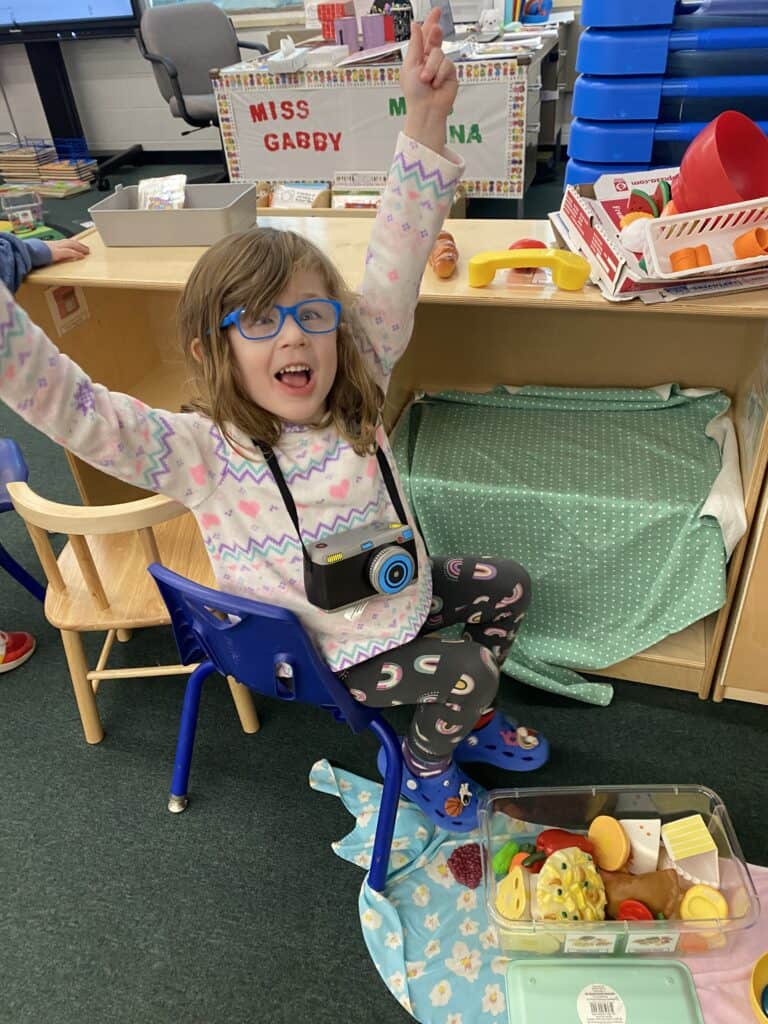
The Learning Lamp staff has also placed a premium on maintaining consistency and safety for kids struggling with their emotions in learning and care environments. Dr. Spangler explained, “I would say over the time that we have been doing this, we are seeing more and more children who are really struggling to manage themselves in the classroom, and for us, that ended up becoming an investment into a model called Early Childhood Mental Health Consulting.”
Thankfully, TLL has Master’s-level clinicians in schools and working with families. This provides children with the support they need before entering kindergarten so they have a solid foundation as they take on new challenges in elementary school.
For older students, TLL also has infrastructure in place to help them stay on track. “We have mental health crises happening among our youth in this community—if not universally, there are a lot of people struggling,” Dr. Spangler noted. “And many of the students that we have in our transition and alternative education classes are coming from very challenging home backgrounds, multiple trauma experiences, and not a lot of success in the school setting. And through a small classroom setting, highly supportive staff, and an embedded social worker or behavioral health specialist, we’re able to help these students kind of get back on track, earn credits, and graduate with their peers, which is the goal.”
Caring for students in today’s political climate
As difficult as the world is right now, educators are still working to support the next generation of students, from every kind of background. “I’m concerned because we serve children from immigrant families. I’m very concerned about that,” the CEO disclosed. “We have programs where funding is in jeopardy. We’re just trying to make sure that we can deliver quality services for the children we’re serving, and that we’re able to survive what’s currently happening.”
Seeing the negative impact of the political climate on enrollment in early childhood programs, TLL has been rewriting policies and conducting training to help protect children and families—because no one should be afraid to send their kids to daycare or school.
Ultimately, providing affordable, high-quality educational programming and childcare is more important than ever, and TLL has its students’ and families’ futures in mind every step of the way. “I think that we’re, as an organization, grateful to serve the community,” Dr. Spangler told me. “It means a lot that families entrust us with the care and education of their children. We hope to continue to be a good partner for families and schools for another 20 years.”