Across North Carolina, makers are bringing back traditional heritage crafts and sharing them with those eager to make something no computer ever could.
Our brains and inboxes are filled with artificial intelligence, computer-generated content, and automated responses designed to make our day-to-day world work faster and easier. However, some would argue that those same systems are also removing some of our creative capabilities.
ChatGPT can create a mock-up of a quilt pattern in seconds, and image generators like Midjourney can render a woven basket that no hands ever touched. Instead of turning toward AI, more and more people are stepping away from their screens, choosing to pick up hobbies that entertain their fingers and minds. Because of this desire for analog tasks in a fast-paced world, heritage crafts are trending.
North Carolina has a long history of producing heirloom-quality pieces. Some of the state’s most well-known outputs are rooted in craftsmanship. In Hickory, it’s meticulously designed wood furniture. In Seagrove, it’s earthy stoneware pottery.
What ties these traditions together is an appreciation for the human hands that worked on them. The goal is not to be perfect but rather to embrace imperfections, especially those that suggest something is handmade as opposed to mass-produced.
The antidote to screen time is time with a craftsperson. Here’s where to learn pottery, woodworking, glassblowing, and more from the North Carolinians keeping these traditions alive.
Raleigh Lace Museum
The South has a selection of quirky museums. There’s the lunchbox museum in Columbus, Georgia, and the Pocket Museum in Hattiesburg, Mississippi, but a small, unassuming museum in Raleigh offers a detailed look at one of the world’s most delicate art forms.
The Kristin S. Conrad Lace Center and Raleigh Lace Museum traces more than 400 years of lacemaking through global artifacts, from traditional European bobbin lace to more contemporary interpretations that experiment with color and dimension.
Beyond its exhibits, the museum stands out for one of the country’s most extensive lace-focused libraries—open to visitors—along with ongoing classes and demonstrations that keep the craft alive. It’s a place where history isn’t just displayed behind glass, but actively studied, practiced, and passed on, one thread at a time.
The Town of Seagrove
Seagrove, North Carolina, has fewer than 250 residents but boasts over 100 independent pottery artisans. Large deposits of natural clay led Indigenous people, and later the farmers who came after them, to realize their soil was ideal for turning pots. Since then, generations of potters have turned that soil into crocks, jugs, and churns.
Today, studios dot the countryside along NC Highway 705, known as the Pottery Highway. Potters often work on site, so a quick shopping stop can turn into a front-row seat at the wheel.
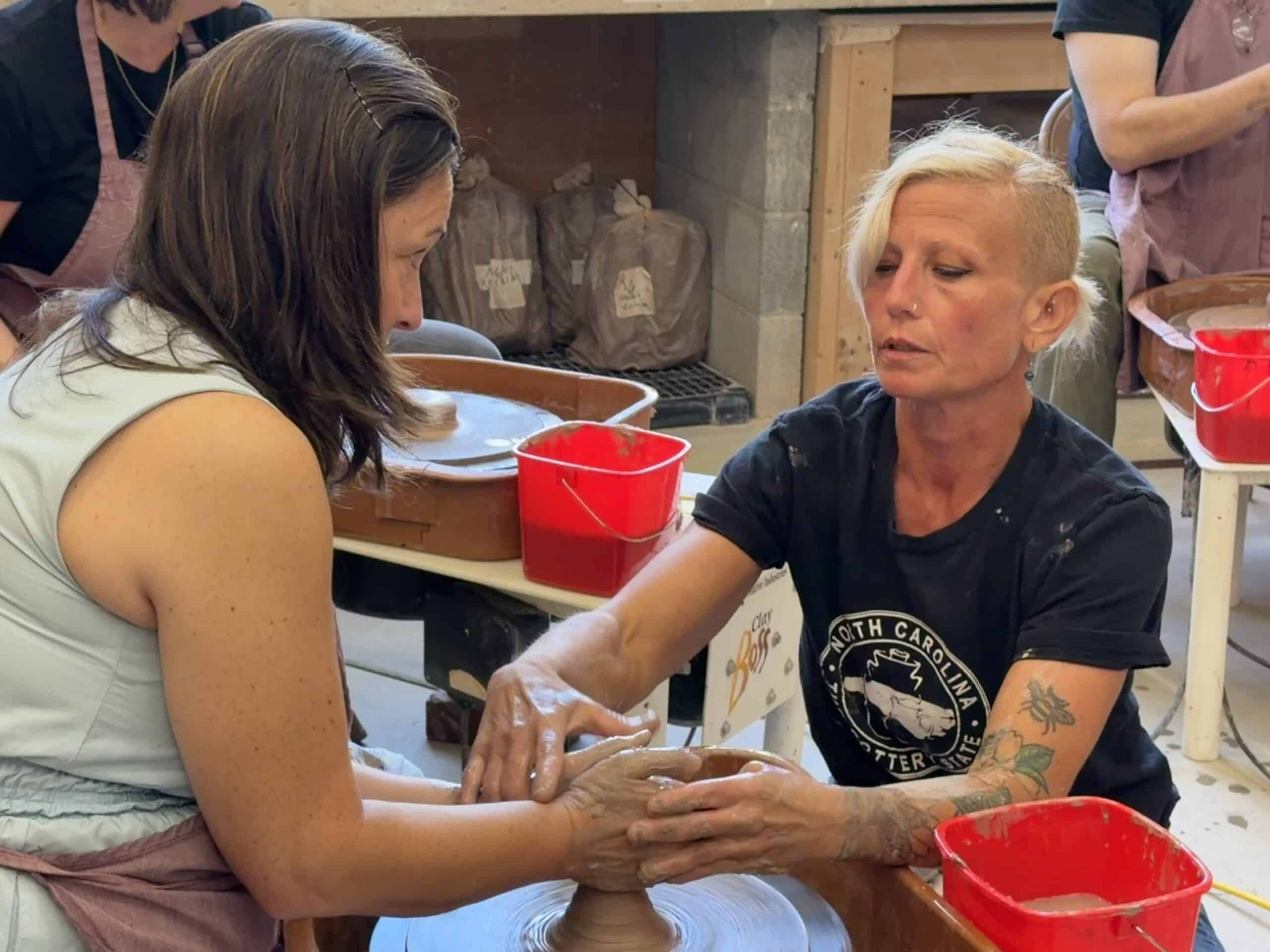
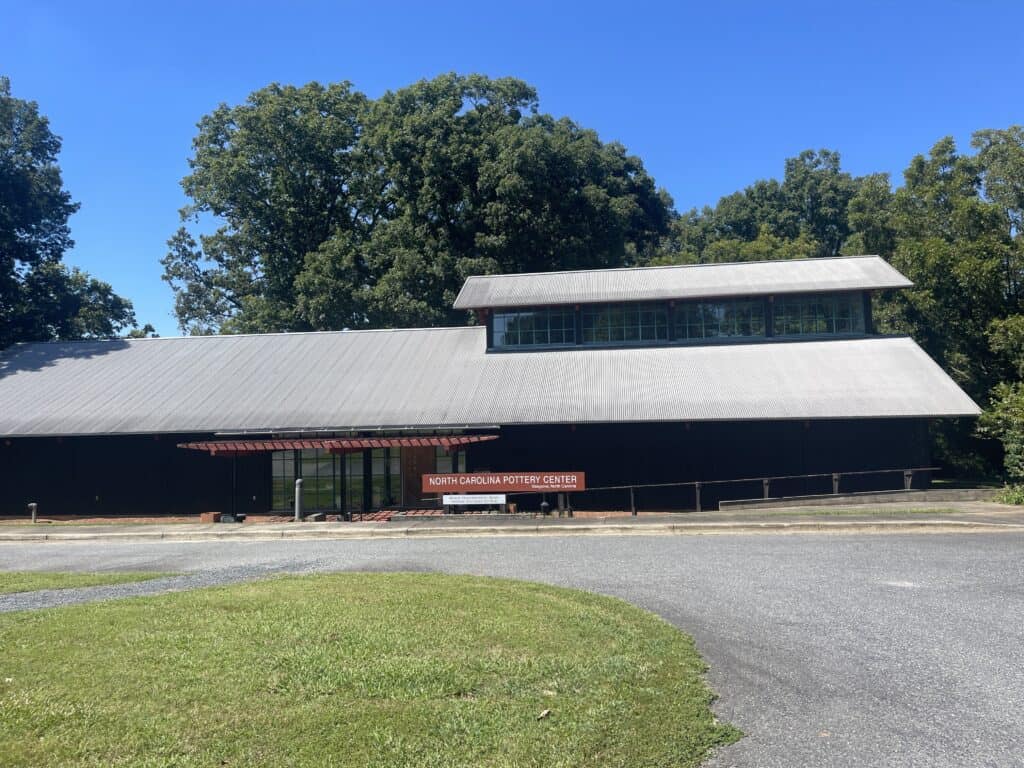
While in town, the North Carolina Pottery Center presents the history of the state’s clay culture through permanent and rotating exhibitions, interactive classes, and other educational opportunities. Visitors 16+ can take a one-time, 90-minute beginner’s class, and over the summer, there are multi-day kids’ camps available.
Hempsmith Clothing Co.
Hemp is one of the oldest fibers used for weaving into cloth and ultimately becoming wearables, and at Hempsmith Clothing Co. in Pittsboro, a new generation of designers is giving hemp garments a contemporary life.
Founder Zafer Estill wanted to see an environmental renaissance in which hemp became a widely used, everyday material. After Zafer’s death in 2016, his younger brother, Arlo, took over the business to carry on Zafer’s vision.
At Hempsmith, every garment starts as durable hemp fabric and is hand-finished in small batches. It’s tie-dyed, screen-printed, or embroidered in the company’s workshop at The Plant, a 17-acre eco-industrial park.
Visitors can shop at the studio Wednesday through Sunday, and each fall, the brand hosts the Hempsmith Runway. The event brings local designers, makers, and sustainable-fashion fans together for the common mission of keeping clothing out of landfills.
Qualla Arts & Crafts Mutual
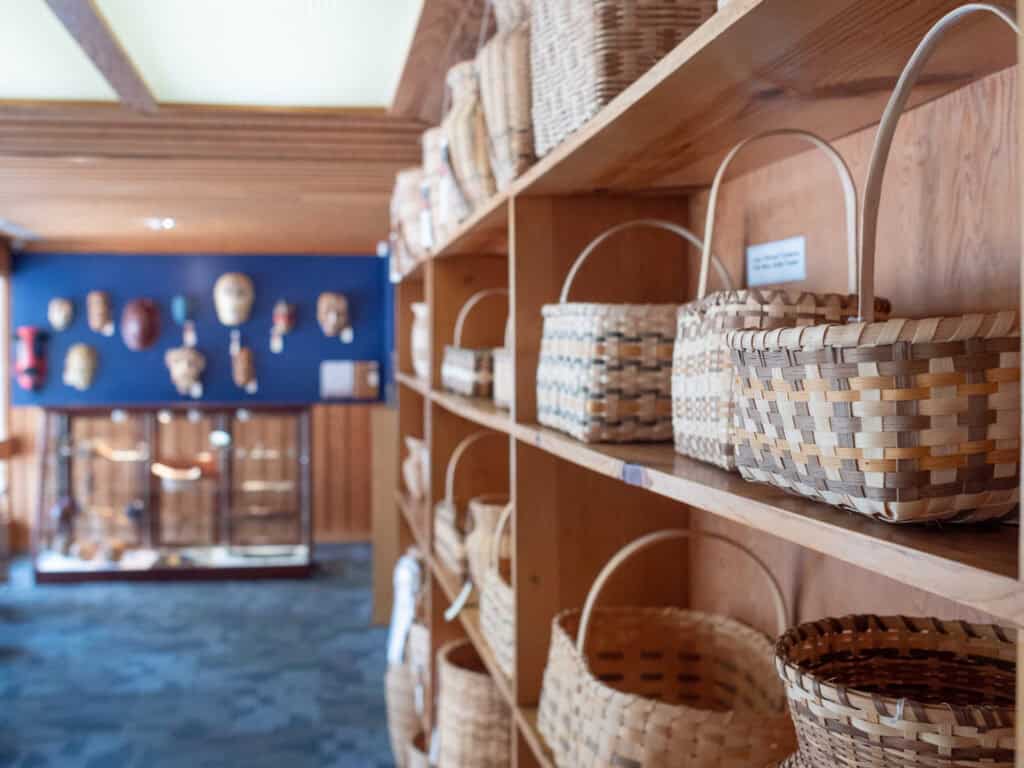
The oldest Native American cooperative in the country, Qualla Arts & Crafts Mutual, opened in 1946. Today, it represents goods made by more than 350 Cherokee artisans, ranging from river cane baskets woven from hundreds of strands to traditional unglazed pottery and carved wood.
To join, artisans must be enrolled members of the Eastern Band of Cherokee Indians and demonstrate their skills before the co-op’s board, so only the finest work makes it to the floor. Beyond the shop, the co-op maintains a permanent collection of master artisans’ work, some of it on view in its History Gallery.
North Carolina Glass Center
Western North Carolina is home to a thriving community of glass artists. At the nonprofit North Carolina Glass Center in Asheville, visitors can watch artists shape molten glass in the hot shop, or try it for themselves. Classes range from 30-minute make-your-own sessions, where beginners can craft an ornament, cup, or paperweight, to eight-week courses for those ready to go deeper.
Most classes are open to ages 13 and up, and if you’d rather watch the action than participate, you can take a spin through the retail shop.
John C. Campbell Folk School
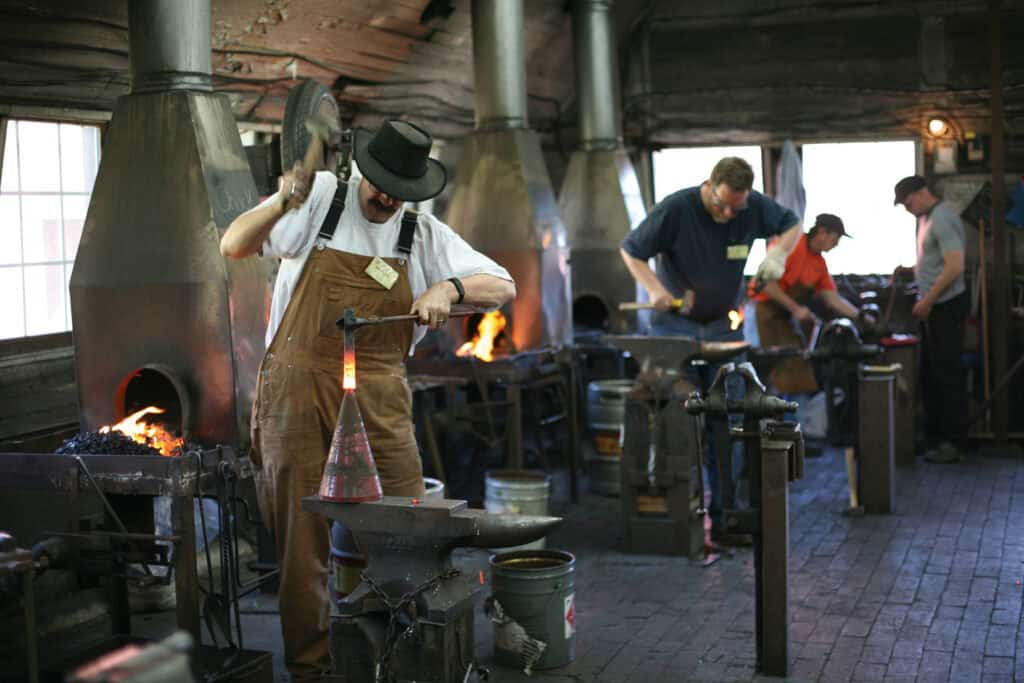
A truly unique experience, the John C. Campbell Folk School asks lifelong learners to step away from their typical world and immerse themselves in Appalachian creativity and culture. More than 850 expert-led, hands-on workshops and classes are offered annually, ranging from woodworking and blacksmithing to dulcimer-making and lasting up to a week.
Although the school welcomes over 6,500 students each year, classes on the 270-acre campus are intentionally small. There are no grades and no tests; the goal is simply to learn by doing. When the studios close for the day, the experience continues with concerts and community dances, making the Folk School feel less like a classroom and more like a creative retreat.
While most classes are geared toward adults, there are options available for preteens, teens, and even multi-generational pairs such as grandparents and grandchildren.