As New Hampshire wraps up maple season 2026, take a look at how it went—and ways you can enjoy NH maple all year round.
Spring has come once more to the Granite State, and flowers are in bloom, with the purple lilacs, New Hampshire’s state flower, soon to be sighted. But flowering plants aren’t the only things that herald the end of another cold New Hampshire winter. One of the first signs that winter is nearing its end is the start of New Hampshire’s maple season, which begins in late February and continues through April, with March being New Hampshire’s dedicated “maple month.”
So, as the 2026 maple season draws towards its end, what are some ways that people in New Hampshire made the most of it? Was it a good season? And what exactly marks a maple season as “good,” or “bad,” anyway? Let’s take a closer look and find out.
How does maple season work?
Maple trees are deciduous and lose their leaves in the winter, so why isn’t maple season in the height of summer, when they’re lush and leafy? Well, maple season isn’t about the trees’ favorite season; it’s about the best season for harvesting maple sugar. And for that, early spring is ideal, because the shifting temperatures over the course of a day, from freezing nights to warmer days, cause the maple sap to flow.
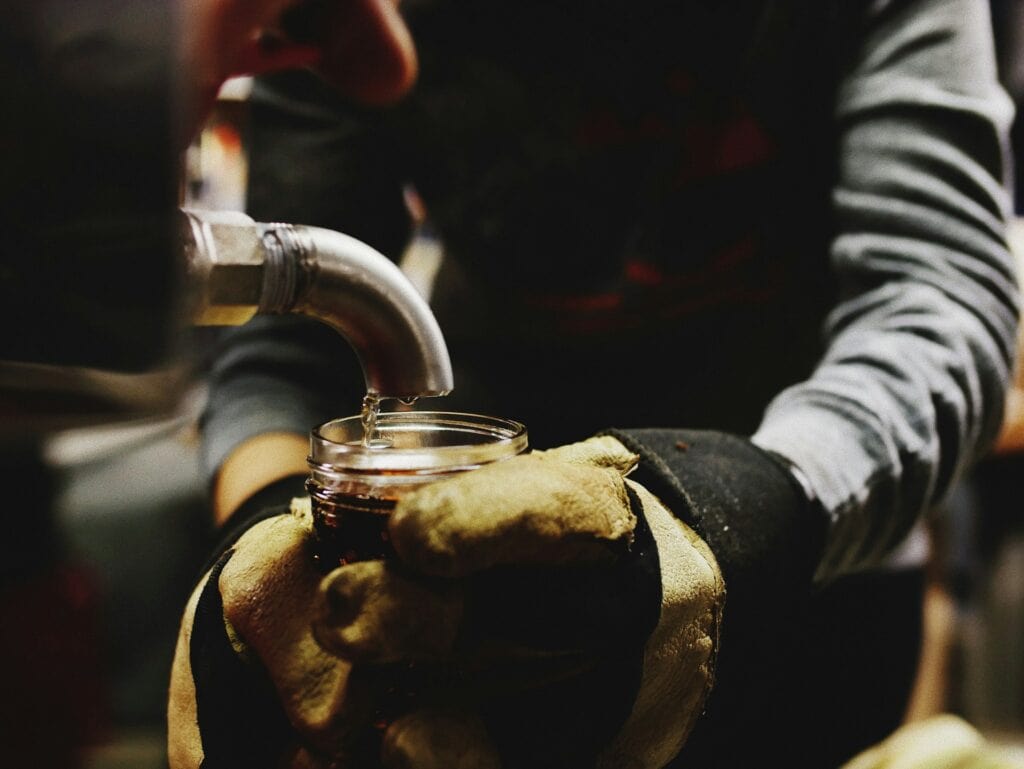
While people can theoretically collect sap from maple trees in their backyards, and often do, during maple season, farms and maple orchards across New Hampshire tap their trees and hold events for guests to enjoy. These include demonstrations of how the sap is processed, typically by boiling in a special steam-producing machine, which can be seen in action at some sugarhouses during maple season. Maple sap needs to be boiled down into a very concentrated form to become New Hampshire’s beloved maple syrup—it takes approximately 40 gallons of sap to produce a single gallon of syrup.
Was 2026 a good year for New Hampshire maple?
The 2026 New Hampshire maple season hasn’t been “good” or “bad” so much as “unpredictable, and a little behind schedule.” Maple season got off to a late start in 2026; a cold winter, with more snow than usual, meant that the warm-and-cold weather combination that gets maple sap flowing was later to arrive than usual. Speaking to New Hampshire Public Radio (NHPR), David Atwood of Wilmot’s Six Saplings Sugarhouse worried that, in the second week of March 2026, the farm found itself over 1,000 gallons of sap behind schedule.
In the same interview, Atwood worried that, if the weather gets too warm before more sap can be harvested, the maple trees will start to bud. While you can technically still harvest from budding trees, it’s an inferior product, according to Atwood. “They call it buddy sap,” he said. “It doesn’t taste as nice.”
In years to come, the tricky timing for maple season might be less of an issue if an experiment goes well. An ongoing research project led by David Moore, a doctoral candidate at the University of New Hampshire, is looking at alternative tree varieties to tap for sap. Possibilities include birch, beech, and walnut sap. As each tree is different and reacts differently to weather conditions, tapping multiple types of trees could extend the sugaring season for longer and build more resilience into the system in light of the impacts of climate change.
How can you enjoy maple season for yourself?
Even if you missed the bulk of 2026’s maple season festivities, there might still be some time to enjoy. As mentioned above, maple season got off to a late start in 2026 because of an unusually cold and snowy winter. With snowfall extending into April this year, there may still be a chance of extending the maple harvest. However, New Hampshire Maple Weekend, which ran from Mar. 21-22 this year, has already come and gone, so if you want to get in on the absolute peak of Granite State maple fun, you may want to wait for next year.
Every year during maple season, and specifically during the annual Maple Weekend, over 90 sugarhouses across the state open their doors to visitors. You can be one of them and enjoy activities like maple syrup tastings, farm tours, and a chance to see the syrup-making process first-hand. Check the map of sugarhouses online to find one near you, and explore the activities and amenities they offer.
You can even go all-out at The Rocks in Bethlehem, which, for three weekends a year, plays host to the New Hampshire Maple Experience. This two-hour tribute to all things New Hampshire maple includes riding in a horse-drawn carriage as you learn about the history of sugaring from the first Native Americans to tap maple trees to present-day techniques. You’ll discover how to identify sugar maples, take a visit to the Maple Museum, and of course, enjoy plenty of maple syrup in a tasting!
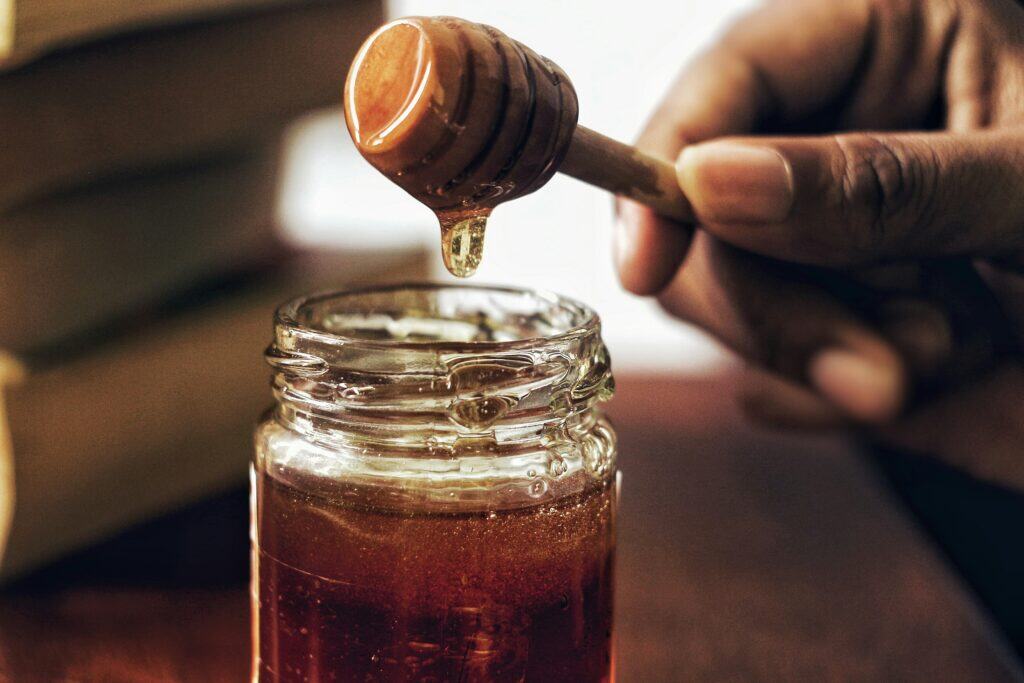
Moreover, the end of maple season doesn’t have to be the end of the fun. Unlike delicate summer fruits like strawberries and cherries, the products of maple season are self-stable, and can be enjoyed year-round! And New Hampshire’s maple sugar is both delicious and surprisingly versatile. While everyone knows how good New Hampshire maple syrup tastes on pancakes, waffles, and French toast, it isn’t just for breakfast. Maple syrup can be a surprisingly versatile ingredient, whether you’re enjoying it for breakfast, lunch, dinner, or even cocktail hour!
After you’ve picked up some sweet New Hampshire maple syrup from a shop or sugarhouse near you, it’s time to experiment. Besides pouring it on your favorite breakfast treats, you can use it to make desserts, from candies to crème brûlée, or go a more savory route with maple-infused marinades, barbecue sauces, and salad dressings. While most maple recipes are family-friendly, those over the age of 21 can also try maple-enhanced cocktails, for an adults-only New Hampshire maple treat.
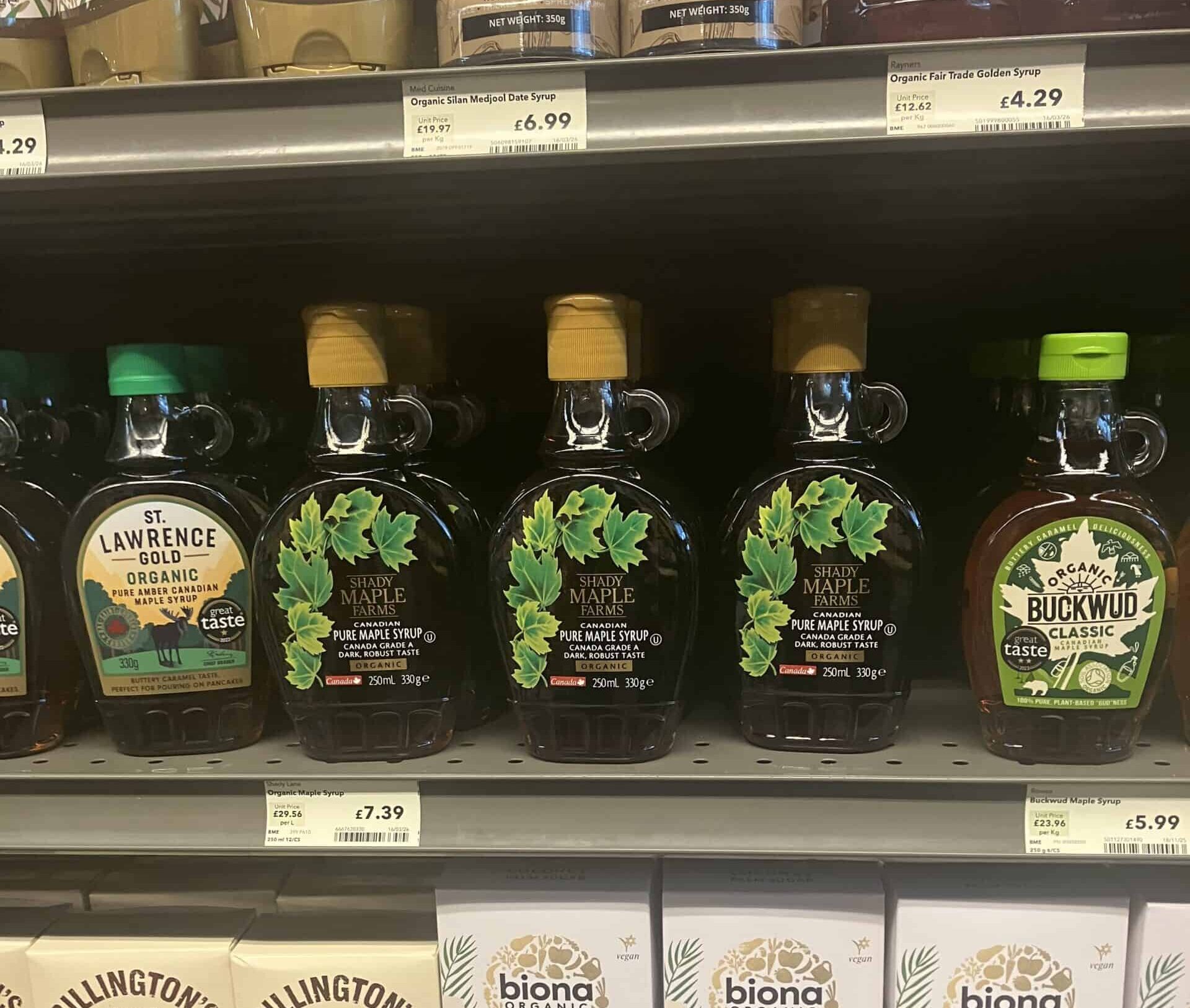
If you enjoy maple season, or just love the flavor of New Hampshire maple, remember to support local sugar houses year-round! You can find local New Hampshire maple products at shops and farmers’ markets across the state.