Crockett, CA, sits on the south shore of the Carquinez Strait. For a small, quaint area, it certainly has a sweetly haunted history.
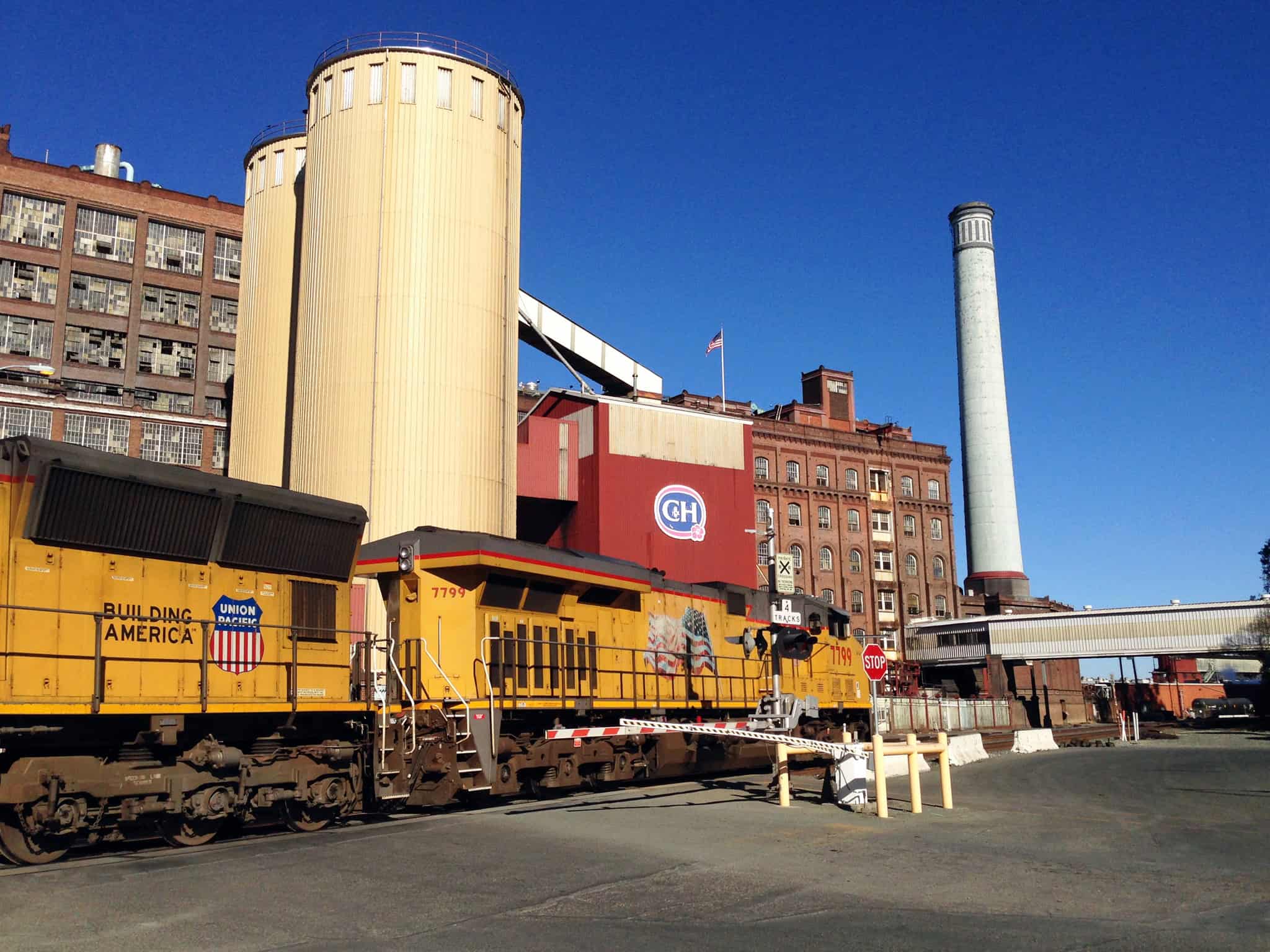
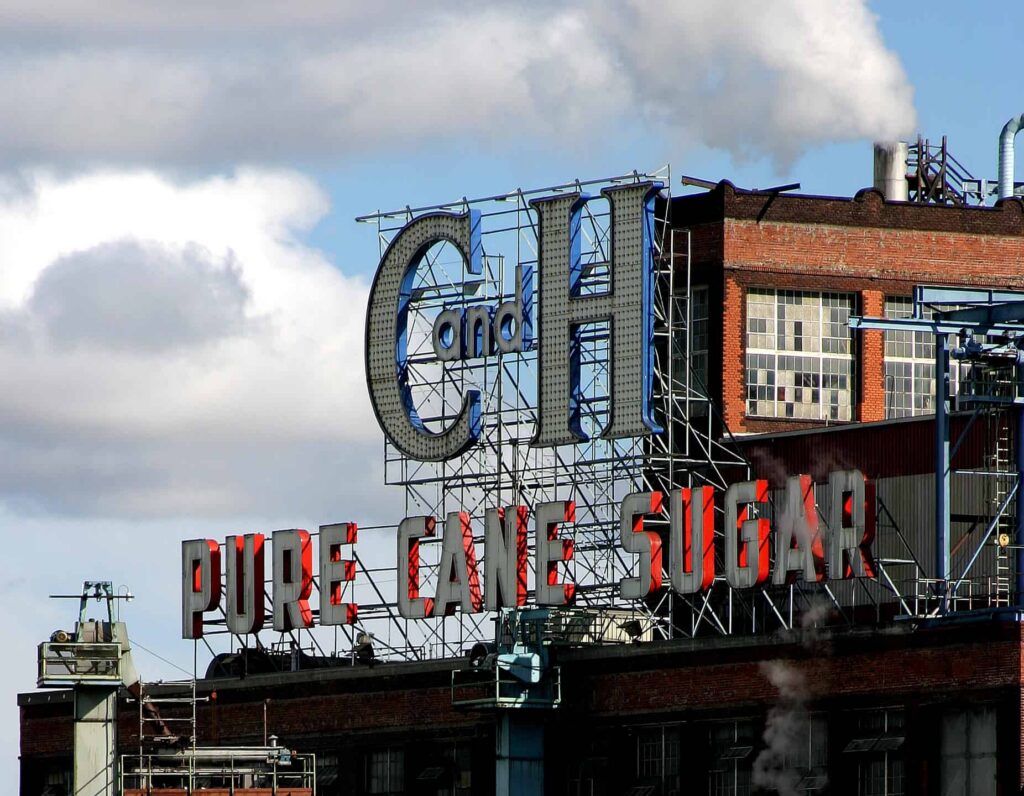
Aptly nicknamed Sugar City due to the large C&H Sugar factory in town, the tiny census-designated place known as Crockett produces roughly 14% of the nation’s cane sugar. In operation since 1906, the factory is a cornerstone of Bay Area manufacturing. Recently, a workers’ strike made headlines, with a tentative resolution reached in late summer.
Surprisingly, the sugar factory strike is nothing new. In fact, in 1938, what became known as the “Sugar Wars” ended in notoriously bloody street fighting. While no one was killed during the incident, the violence was severe enough to shut down access to Crockett and leave a lasting mark on the community.
Add in Prohibition, underground tunnels, brothels, and an abundance of waterways, and Crockett becomes a primed stage for paranormal activity. All of this happened around the same general period, too. Prohibition ran from 1920 until 1933, the Sugar Wars took place in 1938, and until the eventual shutdown in 1952, Contra Costa County was home to openly operating brothels. Sugar City has always been sweet with sin.
Sugar Wars
In 1938, the quiet town of Crockett became the setting for a remarkably brutal labor conflict. According to a Contra Costa County Historical Society account by Bill Mero, a bitter dispute between rival AFL and CIO unions over the C&H sugar refinery had already strained the close-knit community when, 27 days into the strike, more than 400 AFL members marched toward the CIO picket line.
What followed was 40 minutes of chaos in the streets. Men fought with clubs and fists, some were stabbed with ice picks, and a car crashed into the crowd as the violence surged along Loring Avenue. Tear gas hung over the street as deputies and California Highway Patrol officers struggled to break up the fighting.
By the end of the night, Crockett had been effectively sealed off. Roads were blocked, cars and trains were searched, and merchants barricaded their businesses as law enforcement worked to keep the rival factions from bringing in reinforcements. Miraculously, no one was killed.
The refinery eventually reopened under AFL control, and the CIO workers voted to accept a contract and return to work, ending the 41-day strike. But the violence left deeper scars than the picket lines: businesses lost money, workers lost wages, and a community that had once been tightly knit was left divided by resentment and personal grudges.
Prohibition, underground tunnels, and lore
Crockett had its own strange relationship with Prohibition. In 1920, when the 18th Amendment took effect, a railroad car loaded with wine arrived in town—and word spread quickly. According to modern accounts, residents rushed toward the rail yard carrying everything from garden hoses to axes, apparently determined to make the most of the unexpected windfall.
The town’s reputation for drinking did not disappear with Prohibition, either. C&H Sugar even sold “juice-making” kits, letting would-be home brewers try their hand at producing alcohol during the dry years.
For a small industrial town where alcohol had long been part of social life, Prohibition seems to have been less about making Crockett sober than forcing its drinking culture underground—quite literally. Speakeasies and homemade liquor became part of the era, while the town’s many bars would eventually return after Prohibition ended in 1933.
In the decades that followed, Crockett developed a remarkably dense collection of watering holes for such a small community—more than 45 bars operated there at various points, including Ray’s Corner, which served the town for 103 years.
Beneath Crockett, another piece of its history runs largely out of sight. The town has real underground tunnels, including one beneath Toot’s Tavern and another accessible through the library. The exact histories of the tunnels are less certain, but local lore connects them to Crockett’s Prohibition era, when alcohol continued to flow despite the law.
The town’s waterfront offered an easy route to bring goods in and out with little risk of being spotted—Crockett is pretty small, after all. Supposedly, the tunnels were used to move alcohol and supplies without attracting the attention of authorities. Toot’s itself has long been associated with a Prohibition-era tunnel, and its own historical plaque describes a basement passage used to move liquor from nearby ships to the bar.
Standing near the tunnels today, it’s easy to imagine how a town built around a sugar refinery, railroad, and waterfront might have developed a second life beneath its streets. During Prohibition, Crockett already had a reputation for drinking, with speakeasies and bars keeping the social scene alive despite the national ban.
It’s harder to say whether every story attached to its tunnels is true, but the passages remain as physical remnants of a town whose history was, at times, far more secretive than its sleepy streets suggest.
Red lights and ladies of the night
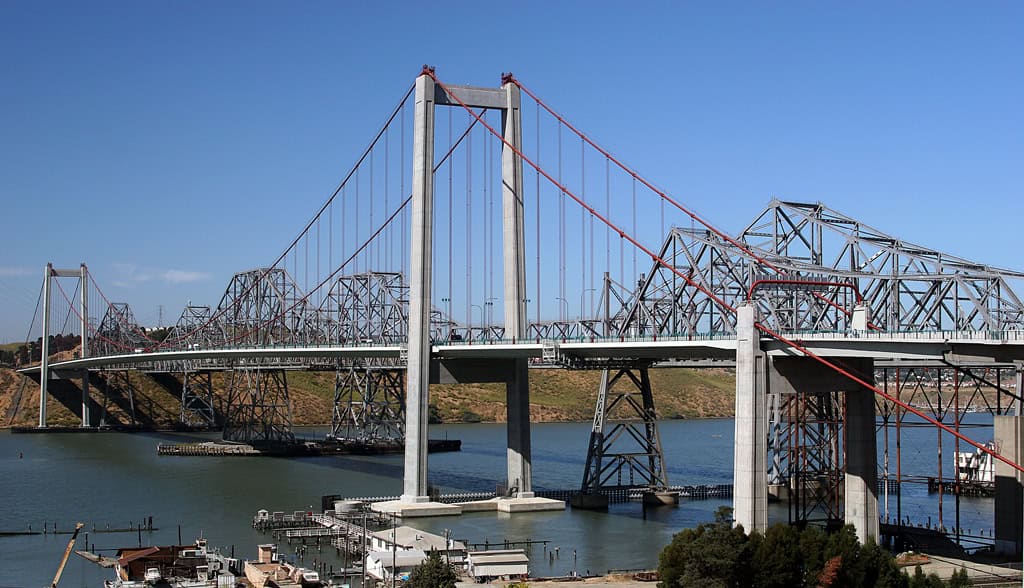
Crockett’s darker history did not end with bootleggers and underground tunnels. Beneath the Carquinez Bridge, near the old railroad tracks, sat the Golden Horseshoe—a notorious brothel that catered to the men who kept the industrial town moving.
The establishment reportedly employed about a dozen women, serving the factory workers and boat crews who passed through Crockett. In a town whose population was overwhelmingly tied to the refinery and waterfront, the line between industry, entertainment, and vice was not always particularly clear.
The Golden Horseshoe was part of a broader culture of openly tolerated prostitution that existed throughout Contra Costa County for decades. That tolerance eventually disolved, and by 1952, authorities moved to close the county’s remaining historic brothels. The Golden Horseshoe disappeared, but its location beneath the bridge adds another layer to Crockett’s hidden history.
Toot’s Tavern
At the center of it all sits Toot’s Tavern. Opened in 1901 as Pezzuto’s Bar, it later became Toot’s in 1937 (a nickname for Pezzuto’s). Recognized as the longest continuously operating bar in Contra Costa County, Toot’s has a past tied to the reality of the underground tunnels, an upstairs that was notoriously part of an unsanctioned brothel, and a longstanding modern reputation for hosting really good concerts.
While the tunnel beneath it is alleged, there is absolutely an underground room with a sealed-off door. Good luck getting in, though—coastal dampness and local laws prohibit patrons from stepping inside the underground room. With shelves, a dank musk, and plenty of feels, this in-ground wink at the Prohibition era demonstrates just how central Toot’s—Pezzuto’s—was to the town.
Though there is no documented proof of a brothel, local lore holds that the balcony overlooking the bar served a strong marketing purpose for the fancy ladies. With a view of all the patrons, the sex workers allegedly stood on the balcony, beckoning sailors, factory workers, and travelers for a paid experience.
According to bar workers, an upstairs opening let patrons drop a coin. When the coin was placed, it would “ding” into a tin can on the bar, signaling that the service was complete and that there would soon be availability for the next patron. Prostitution had long been illegal, but it wasn’t until 1952, under pressure from state Attorney General Earl Warren, that the county’s remaining brothels were shut down.
Nowadays, Toot’s has the charm of a historical epicenter; it is within prime walking distance for all residents, hosts small shows that have been known to play bigger names—such as Andre Nickatina and Green Day (fun fact: Billie Joe Armstrong attended nearby John Swett High School)—and has a well-preserved interior that screams of yesteryear. Between the well-priced happy hour specials and the ready chatter of the local lore, don’t be surprised if you hear whistling from the balcony, only to see nobody there.
My haunted rental
Crockett, though short-lived, was my favorite place to live in the Bay Area. It is less than an hour from everything, located near the water, has amazing food, offers walking access on the bridge, boasts more architectural charm than other places in the Bay, and has some fun, quirky people to interact with. It was short-lived, however, as my rental was overtaken by mold in a matter of days—an element that may have contributed to what became a very haunted living situation.
One of the original houses in the area, the single-family residence was converted into an upstairs and downstairs duplex. I lived downstairs. It was well priced, and there was a spare room where guests would stay. Only a few actually stayed through the night, though.
Instead of sleeping, guests would scream in the middle of the night—either from nightmares, visions of apparitions walking through the hallway, or orbs zooming across the room. Everyone also saw what I came to call Hat Man. He would walk through the hall, past the front door, and, very occasionally, near my bedroom window facing the backyard.
On the other end of the house was the laundry nook, connected to the kitchen. Though it was small and simple, I refused to do laundry when home alone. After a friend saw the same thing, I had no problem reporting what we saw: a black-haired woman, dripping wet, standing beside the washer at all times. I swear I felt a hand touch my arms while moving laundry into the dryer.
While the list of spooky stories from that house goes on, the most notable part is that after the first big rainstorm hit, mold took over the home in less than a weekend. But not the whole home—it specifically overtook the guest room, bathroom, and laundry room. Was it the mold, or were the creepy experiences in that adorable, historical home related to the town’s haunted history?
Between the bloody streets from factory strikes, the underground tunnels of Prohibition, the sneaky brothel scene, and the abundance of haunted-house stories, could Sugar City be truly haunted, or does it simply hold the energy remnants of a very unlawful slice of CoCo County?