Winter gardening in North Carolina can produce bountiful results with a few considerations.
Cold winds may whip, and snow may blanket the ground, but that doesn’t mean that winter is the right time to abandon your garden. North Carolina’s experts in horticulture agree that there’s much to keep you busy in your garden during the colder months.
According to Taylor Jones, M.S., an extension agent specializing in agriculture, horticulture, natural resources, and wildlife for the North Carolina Cooperative Extension in Greensboro, North Carolinians should take advantage of the Tar Heel State’s relatively mild winter weather to prepare their gardens for the eventual warmth of spring.
“Many plants prefer cooler temperatures, and winter is an excellent time to take advantage of slower growth, fewer pests, and more predictable soil moisture,” Jones said. “Winter also offers ideal conditions for tasks like planting trees and shrubs, improving soil health, mulching, and preparing garden beds for spring. With cooler weather, plants experience less transplant stress, and their root systems can establish well before the heat of summer.”
What to plant in the wintertime
Ornamentals
Jones said there are plenty of varieties of hardy annuals, perennials, trees, and shrubs that can tolerate freezing nights and bounce back easily with the next warm day. Here are some suggestions for the most cold-tolerant winter flowers that you can plant, even in the depths of winter’s icy grip:
- Pansies and violas: “They thrive in chilly temperatures and provide color all winter long,” Jones said.
- Ornamental cabbage and kale: “These are great for adding texture and color to containers and beds,” he advised.
- Lenten roses and other hellebores: This tough perennial gets its name from when it blooms: in late winter, around the season of Lent. Plant these perennials in the wintertime to enjoy bright splashes of yellow, red, pink, and purple, but note that hellebores are highly toxic to humans and pets, so wear gloves when handling.
- Camellias: Jones recommended planting the Camellia japonica and Camellia sasanqua varieties, which bloom from late fall through early spring in a variety of bold colors.
Roots, shoots, and your favorite soup ingredients
When the weather outside becomes frightful, there’s nothing more soothing in wintertime than making your favorite soup, complete with ingredients picked fresh from the garden. Ashley Troth, Ph.D., an extension agent specializing in consumer and commercial ornamental horticulture at the Durham County Center, said soup lovers are in luck, as many classic ingredients grow throughout the winter months.
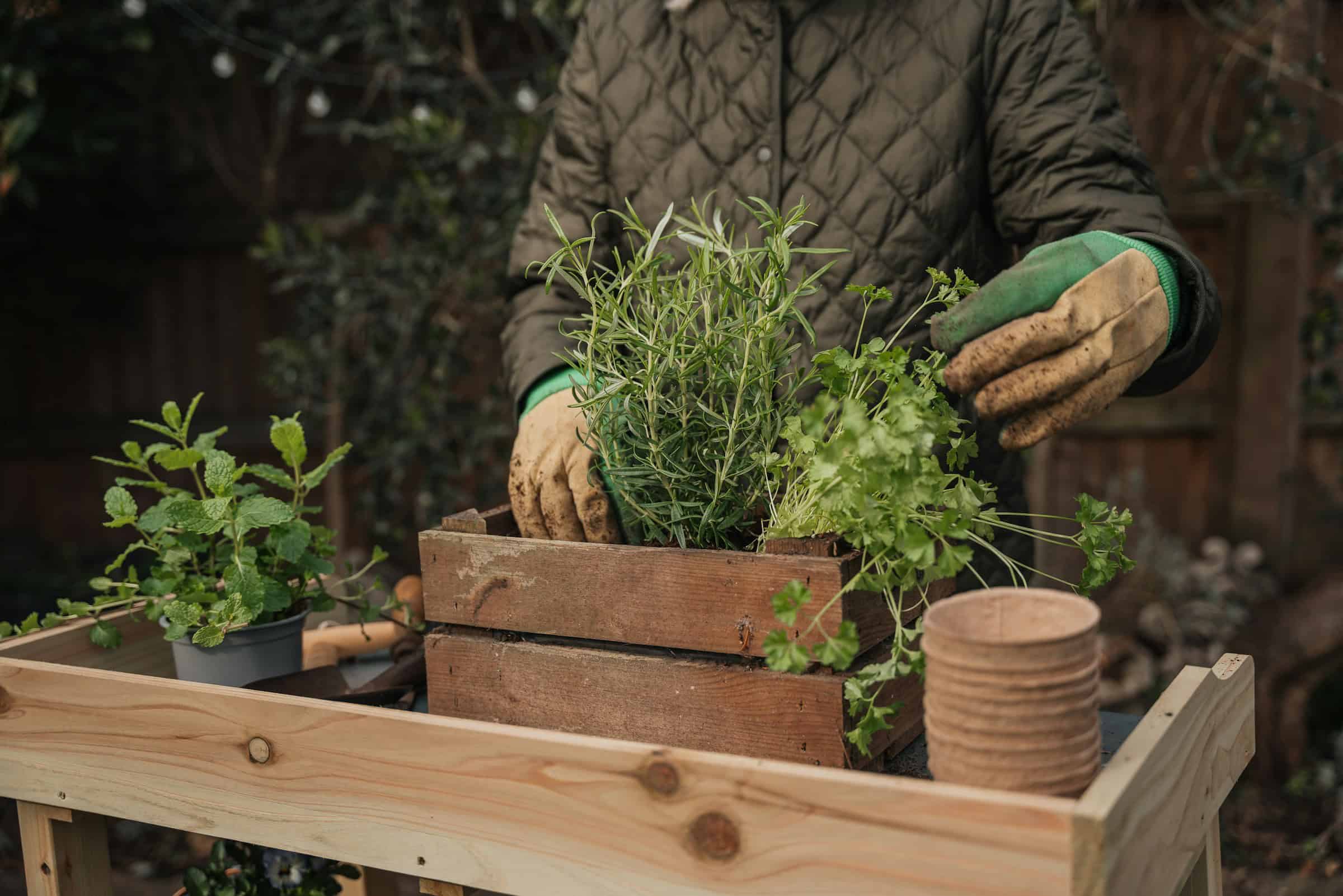
“We have an amazing planting calendar for central North Carolina that’s worth checking out, but broadly, folks can be thinking about growing roots and shoots,” she advised. “This means things like carrots, beets, collards, kale, and other hardy winter crops. Winter is a great time to focus on soup-season favorites like vegetables and fragrant herbs. Plants like rosemary and thyme are almost entirely dormant in the winter, but because they have such hardy leaves, you can still harvest them from the garden.”
Jones noted that some of the aforementioned crops may even taste sweeter in wintertime, as frost can naturally accelerate sugar production. Some winter-friendly vegetables and herbs to plant include:
- Leafy greens like kale, collard greens, Swiss chard, and spinach
- Root crops like carrots, turnips, beets, and radishes
- Brassicas like cabbage, broccoli, cauliflower, and Brussels sprouts
- Herbs like parsley, cilantro, thyme, rosemary, and chives
Winter gardening do’s and don’ts
Wintertime gardening in North Carolina requires a few considerations when it comes to preparing your soil, monitoring your watering, limiting your harvesting, and protecting against inclement weather. Before digging into your garden this winter, learn a few tricks of the trade from those who know best.
Soil preparation
Allen West, a consumer horticulture extension agent based in Fayetteville, recommended conducting a soil test before doing any wintertime planting, especially if it’s been more than two or three years since your last test.
“Soil tests take the guesswork out of important factors such as pH, nutrient deficiencies, and toxicities. These are crucial to the success of our gardens and landscapes,” West said. “I often say that the success you see above ground will not exceed the success of what you can’t see below ground. Amending soils with compost can help to improve soil structure. Mulching will help retain soil moisture, as well as regulate soil temperatures.”
Troth said those unsure of their soil’s pH levels or who would like guidance on which nutrients may help can submit a soil sample to the North Carolina Department of Agriculture and Consumer Services’ soil lab. No matter the pH level of your soil, Troth advises against compacting it.
“Soil preparation can vary widely by what you’re planting, but in general, many native, pollinator favorites like soils with low pH, which we’re lucky to have in abundance,” she said. “Veggies will like a slightly higher pH and more organic matter. Almost all plants will benefit from making sure the soil isn’t overly compacted. If this is a known problem, breaking up the soil gently with a soil fork or even shovel can help, but it’s not necessary to turn the soil or excessively till it.”
Watering
Jones said plants should be watered deeply before a freeze, so they enter a cold night totally hydrated. Yet, overwatering is a winter-specific issue to remain mindful of.
“Plants need less water in winter due to slower growth and reduced evaporation,” he said. “Soil that is overly wet can cause compaction and harm soil structure. Add organic matter such as compost, and ensure good drainage.”
Harvesting
Wait until late morning when the sun has warmed your plants before harvesting, Jones advised. “Leafy greens and herbs will be crisper and less prone to frost damage when harvested after temperatures rise above freezing,” he said.
Keep harvesting to a minimum during winter, said Troth, as plants will not be growing at the same rate as they do during other seasons. “Grab a few sprigs of thyme or rosemary here and there, but your patience will pay off in the late winter and early spring when your veggies start growing actively again and are ready for the kitchen,” she said.
Protecting against inclement weather
Jones recommended a few winter-specific rules of thumb to protect your crops from sudden drops in temperature and other inclement weather events:
- Use row covers, frost cloth, or cold frames to buffer plants from sudden temperature drops.
- Mulch around perennials and vegetables to insulate the soil.
- For containers, move pots closer to the house, or cluster them together to protect the root zone.
- Pay attention to microclimates—south-facing walls and sheltered areas can stay several degrees warmer. Keep an eye on extended forecasts so you can cover tender crops during cold snaps.
A happy gardener creates a bountiful garden
West said there’s one important aspect of wintertime gardening in North Carolina that’s often overlooked: the health and well-being of the gardener themselves.
“Even though it’s cold, dry air can cause you to lose lots of water while working, so stay hydrated and wear warm clothing,” West advised. “The more comfortable you are, the more likely you will be to visit your garden often and give it the care it needs.”
What are you waiting for? Strap on those gardening gloves, fill up a canteen of water, and enjoy the resplendent charm that is North Carolina in wintertime.
“Year-round gardening is one of the best things about North Carolina,” Troth said. “While it’s true that many plants slow down considerably or go dormant in the winter, there’s beauty in the garden all year long.” She added, “If you want to get your hands dirty, winter is a great time to start planning your garden for the following year and start seeds indoors, whether they’re perennials or veggies.”