We narrowed down the best state parks in Arizona with categories for hiking, fishing, and cave exploration.
Arizona is home to 33 state parks, and while they all have their own attributes and features, sometimes you just want to know which one is the best. The Grand Canyon might top the list as the most well-known park in the state, but it doesn’t make the cut because it’s a national park, not a state park.
Fortunately, if grand adventures, hikes with diverse elevation, and expansive views of the Arizona landscape are what you’re looking for, there are plenty of state parks in the area to explore. We narrowed down the best state parks in Arizona for hiking, fishing, cave exploration, and more.
1. The best park for underground cave exploring: Kartchner Caverns State Park
2980 AZ-90, Benso
Kartchner Caverns State Park, as the name suggests, is a park full of underground caverns just waiting to be explored. The park offers cave tours, guided bat tours, and bat walks (the caves are famous for a large population of the creepy, cool creatures!), camping, and hiking.
The park holds many ancient formations, created over tens of thousands of years. They have even set several world records, including:
- The longest soda straw stalactites in the entire world
- The largest collection of brushite moonmilk in the world
- The tallest column in the state, at 58 feet
- The world’s first reported incidence of “turnip” shield
For those interested in state park acquisition lore, the state park has a rather interesting history, full of pledges to secrecy, blindfolded visits, and daring forays deep into the narrowest parts of the cave. Current visitors can expect to pay to get into the park, with ticket prices ranging from $5 per person to $10-$20 for vehicle entrance. Cave tour tickets can also be purchased separately from park entrance.
2. The best park for stargazing: Oracle State Park
3820 Wildlife Drive, Oracle
Oracle State Park is lauded as one of the best Arizona state parks for both bird and night sky viewing. The state park doubles as an official wildlife refuge and is a designated International Dark Sky Park, so you know it’s going to have some nice night sky views. The park’s website explains that because the state ground is located far away from typical light pollution, celestial objects and light from our very own Milky Way galaxy are visible.
You can check out the night sky views for yourself on one of the many gazing trails, join a sky party, or call the park at 520-896-2425 to reserve a spot on one of the trails outside of normal gazing hours. Daylight visitors can also enjoy the park’s 40,000 acres, 15 miles of trails, picnicking spots, and the ranch house museum filled with art and memorabilia.
3. The best park for fishing: Patagonia Lake State Park
400 Patagonia Lake Rd, Nogales
Not to be confused with the Patagonia of South America that the clothing brand is named after, Arizona’s Patagonia Lake State Park is still known for its rugged, outdoor vibes and overall natural beauty.
The state park is popular for leisurely recreation, thanks to an expansive manmade lake, beach, marina, playground, hiking trails, and more, but it’s also a destination for serious fishing enthusiasts. The Patagonia area has a long (and sometimes troubled) history as a mining and railroad town, but it’ became a state park’s lake was formed after Sonoita Creek was dammed in 1968. The dam caused the water to spill over the then-abandoned railroad tracks, which can still be seen at the bottom of the lake to this day.
Fishing is one of the most popular activities at Patagonia because the lake teems with catfish, crappie, bass, and sunfish. The lake is also stocked seasonally with rainbow trout, and the marina offers boat and kayak rentals, along with an easy-to-access shoreline and boat-in campsites for easy and fun fishing. The park also has a free community “tackle” box, where you can borrow gear you forgot or donate an item you’re not using.
4. The best park to take in desert mountain views: Lost Dutchman State Park
6109 N Apache Trail, Apache Junction
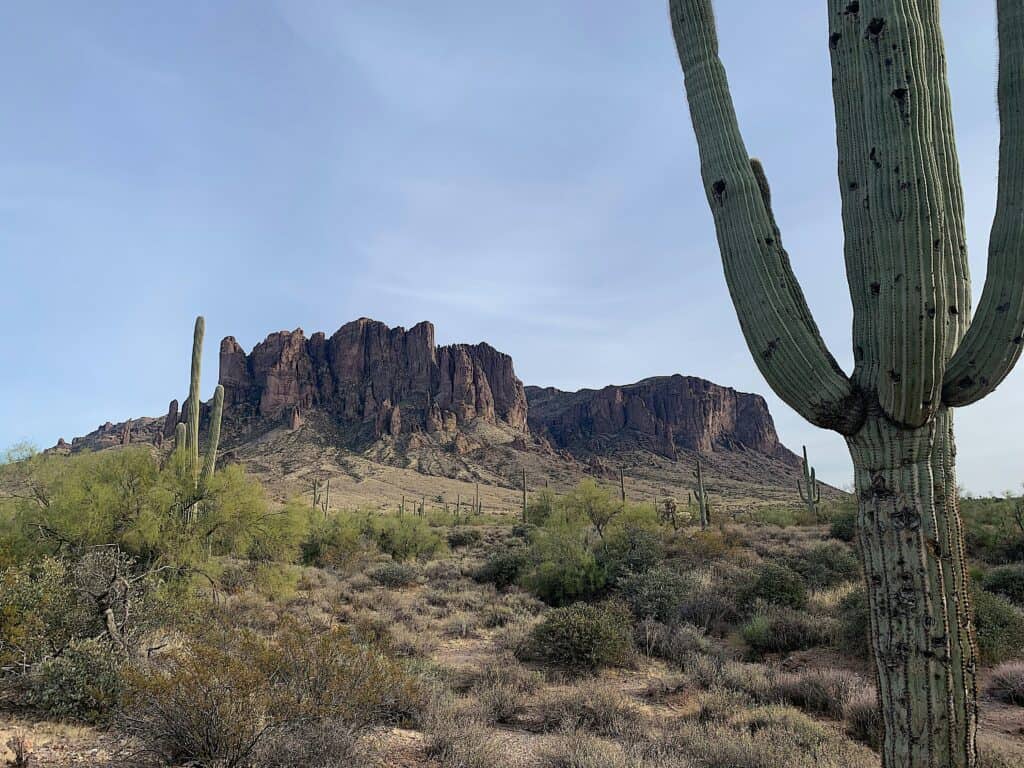
Arizona is full of desert views, but the Lost Dutchman State Park offers some of the best in the state, with access to trails leading to higher elevations for boosted views. The trails also connect to Tonto National Forest and Superstition Mountain Wilderness, so you can explore even more wildlife and nature. Choose the hike that works best for you, from a four-hour, more intense trek up the mountain to the shorter Native Plant trail, which is much more family-friendly.
Whichever hike you take, be sure to take plenty of rest and hydration breaks—temperatures can soar above the 100s very quickly in the Arizona desert, and even experienced hikers can quickly tire or become dehydrated.
5. The best park for splashing and sliding: Slide Rock State Park
6871 AZ-89A, Sedona
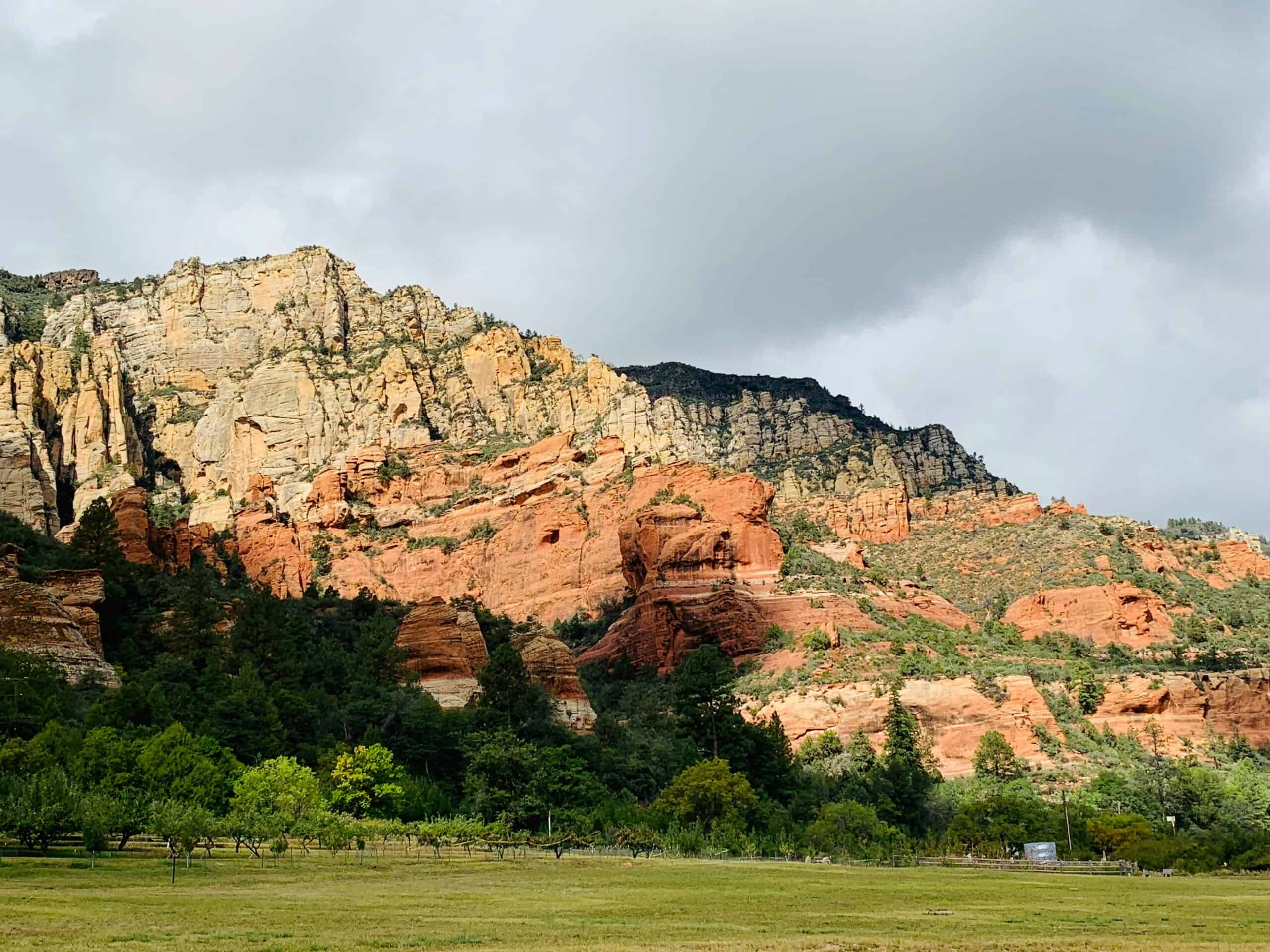
Speaking of that Arizona heat, one way to beat it is at Slide Rock State Park, which is famous for its natural rock “slides.” Visitors come to wade or submerge themselves in the waters that cascade down and through natural sandstone formations, forming natural pools and wading areas. Some of the rocks even function as “slides” for visitors to slide down for extra fun in the sun.
Along with year-round swimming and sliding, the park has other visit-worthy attractions nearby, like a crater from a volcano that erupted almost 1,000 years ago, or the Montezuma Well, which sees 1.5 million gallons of freshwater flowing it through every single day.
6. The best park for a beach day: Lake Havasu State Park
699 London Bridge Rd, Lake Havasu City
You might think of Arizona as the state of the dry and the deserts, but beautiful beaches abound in some of the state parks, including Lake Havasu State Park. Bust out the sand toys, the spikeball net, and the coolers for a day at the beach, or join the many boaters who enjoy access to the Colorado River from the park.
The park even offers boat and kayak rentals for anyone looking for water fun for just the day. Or, if you want to extend your fun, book a beachside cabin or one of the 54 campsites in the park for a longer stay.
7. The best park for unique scenery: Tonto Natural Bridge State Park
Nf-583A, Pine
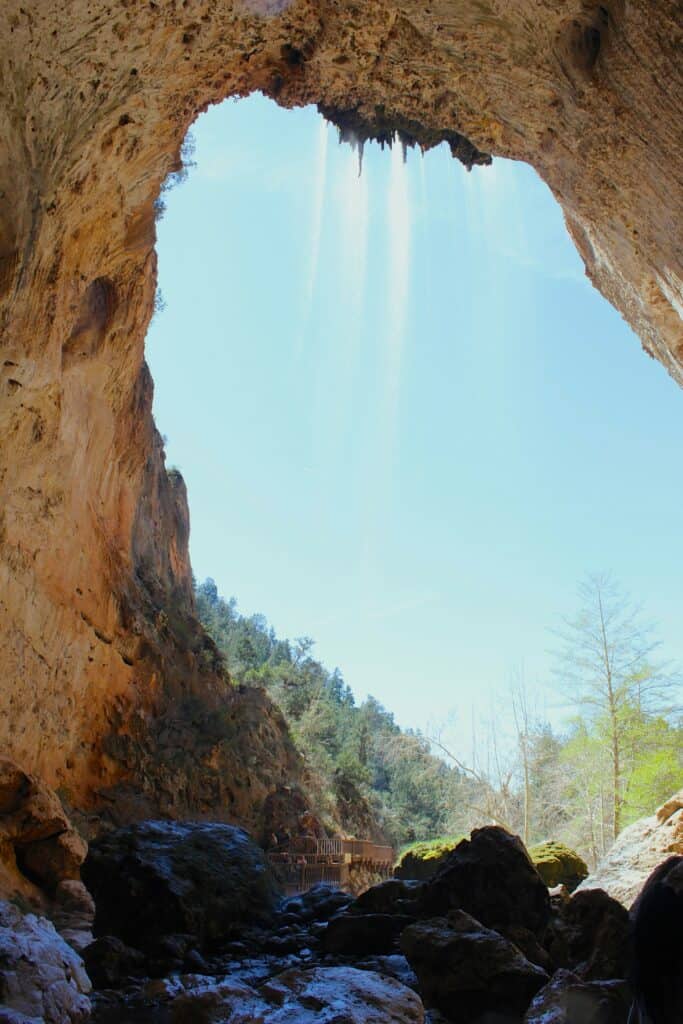
No state park trek through Arizona would be complete without a stop at the Tonto Natural Bridge State Park, home of what is considered to be the largest natural travertine (a type of mineral buildup) bridge in the entire world.
The bridge is a stunning spectacle on its own, standing over 183 feet tall, but it also features a massive 400-foot-long tunnel that visitors can climb through. A short hike takes you down to the creek, where you can pass through the arch of the “bridge” and enter the tunnel directly. Along with the hike through the tunnel, there are three other hiking trails to explore, picnic spots, and historical and interpretive exhibits throughout the park. If you prefer a zoomed-out view of the bridge, fear not—there are plenty of viewing spots to take in the entire natural wonder, too.
8. The best park for a leisurely hike: Red Rock State Park
4050 Red Rock Loop Rd, Sedona
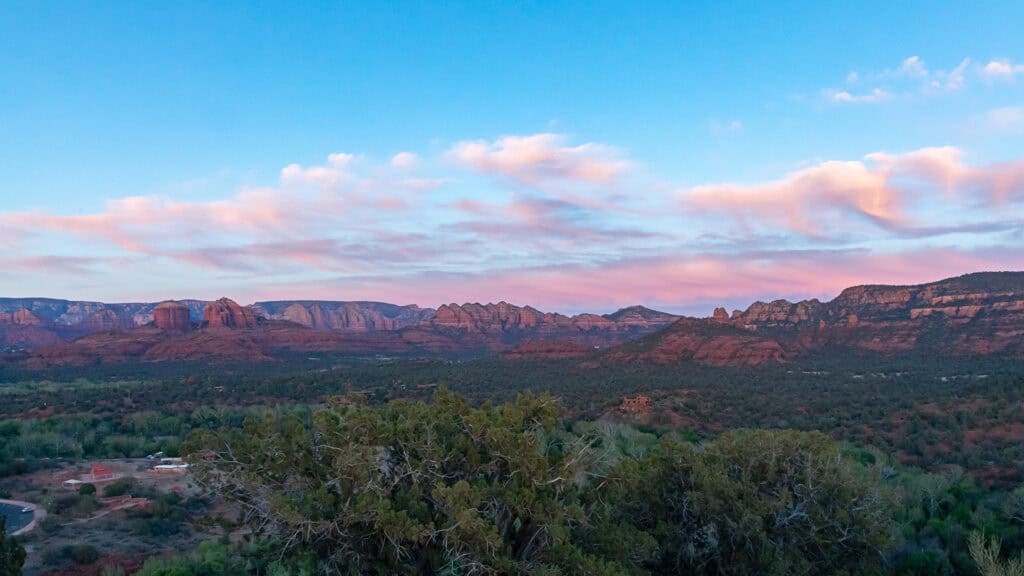
Known for its gorgeous scenery, Red Rock State Park is the Arizona park to visit if you are looking for a hike that lets you take in the views without too much strenuous activity. You’ll find lots of looping trails that let you build a day of hiking that’s more about the scenery than physical stress. The park’s website describes the hiking at Red Rock as “family-oriented,” and the five-mile interconnected trails are clearly marked to help you navigate and choose a route best for you.
One of the hallmark views on any hike you take is the stunning red rocks—the rocks get their color because the sandstone they are made from contains iron that has oxidized over millions of years.
9. The best park for a serious hike: Picacho Peak State Park
15520 Picacho Peak Road, Picacho
On the opposite end of the hiking spectrum, if you are up for a challenge on the trail, you will find one at Picacho Peak State Park. The park does feature more leisurely hikes, but serious trekkers will want to check out the Hunter Trail, which includes sections so steep that hikers will need to grip the areas of exposed steel cable to keep their balance.
Beyond serious hiking, the park also holds historical significance in the area—the distinct (and literal) Picacho Peak was often used as a landmark for travelers, dating back as far as the 1700s during the Anza Expedition. Visitors with little ones in tow may also find the park a great stop to let the kids burn off some energy on the playground or earn their Junior Ranger badge.
10. The best park for camping: Dead Horse Ranch State Park
675 Dead Horse Ranch Rd, Cottonwood
I was a little hesitant to learn exactly how Dead Horse Ranch State Park got its name, but fortunately, it’s not as dire as I imagined. The name comes from the park’s original private owners, whose kids had noticed a dead horse lying on the ground near the park. Today, the park is owned by the state, and while you will not find dead horses anymore, you will find a lot more family-friendly recreation, including camping.
The park has an impressive 100 RV-friendly campsites, where campers can enjoy RV or tent camping. Most sites have full electric hook-ups, but there are 17 non-electric tent sites for a more rustic feel. Camping at Dead Horse State Park gives you access to gorgeous scenery, outdoor recreation like fishing and hiking, and a forest feel in the middle of the state.