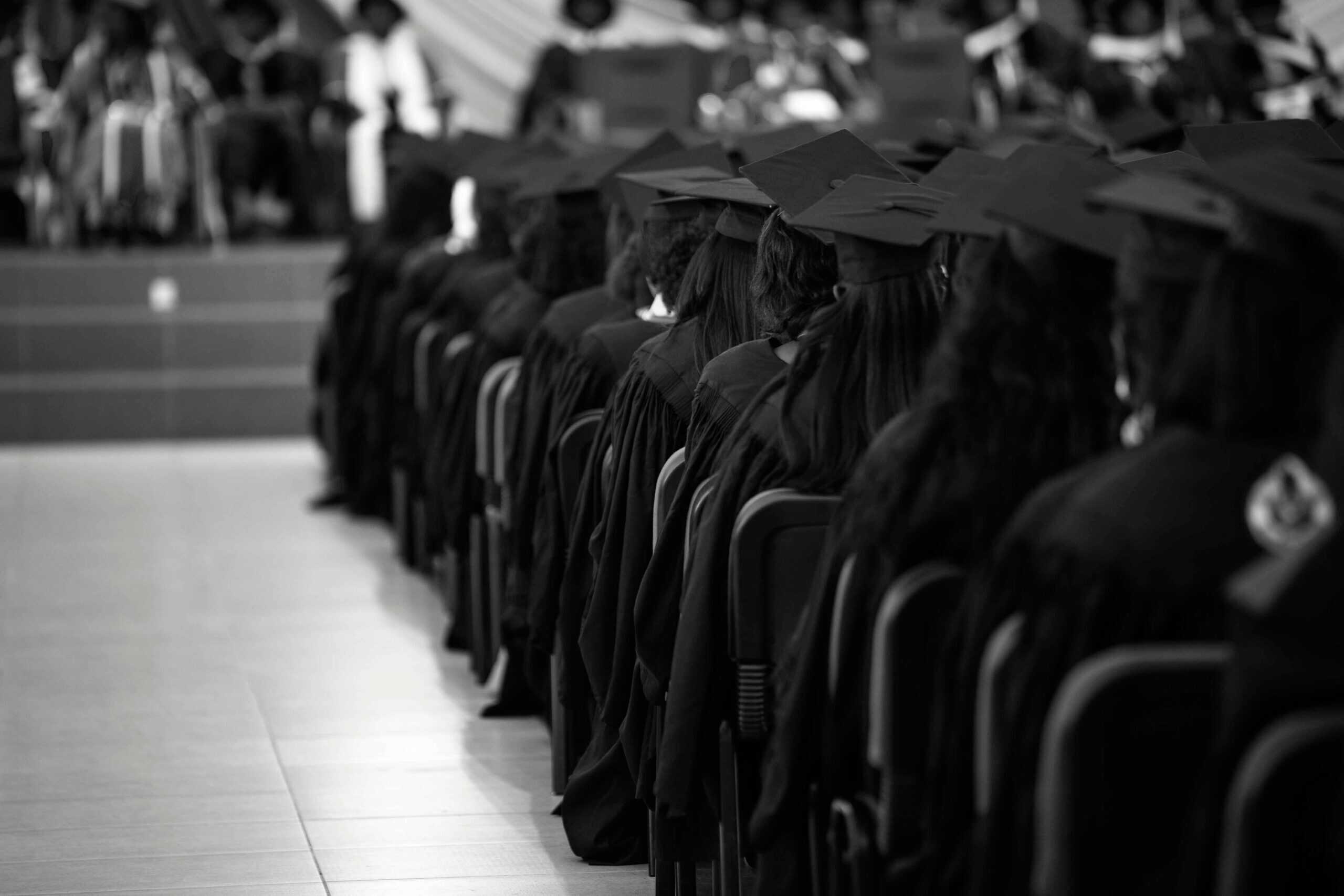
Plano ISD said it will use an AI-powered tool to announce student names at upcoming graduations. Not everyone is happy with the decision.
The debate over artificial intelligence and how to use it ethically and sustainably has ramped up in recent years. Though the idea of using “computers and machines to mimic the problem-solving and decision-making capabilities of the human mind,” has been around for centuries, it wasn’t until the recent introduction of platforms like ChatGPT that we’ve collectively had to figure out when to use AI and when something should just be done by humans. For Plano ISD students, this debate became even more personal when the district emailed parents to say that it plans to use an artificial intelligence program to announce student’s names at upcoming high school graduations.
The email stated, in part, “Names matter, and we want your big moment to feel personal and accurate.” With this idea in mind, Plano ISD chose the NameCheck pronunciation tool to read each individual graduate’s name at ceremonies held throughout the district this spring. The hope is to make things more seamless and leave less room for error, as students will record the correct pronunciation of their names for the AI platform in advance. In theory, it sounds like a good idea. Some students beg to differ though.
Avery Cousins is against the decision to have artificial intelligence-powered announcements at her Plano Senior High graduation next month. As Cousins put it to WFAA, “There is such a distinct human factor to having somebody who knows you and contributed to your education say your name while you walk.” Yes, there might be some slip-ups, which everyone wants to avoid, but training AI on correct name pronunciations instead of helping a real human person learn those same things themselves feels like a “wild” decision, according to Cousins.
The decision has students divided
Holden Schmidt, another high school senior in the district, said of the decision to use AI-powered announcements at graduation, “I think it’s very cool how the technology is coming along.” Bridgette Cruz similarly agreed, saying “I’d rather have my name said correctly at graduation — especially since it’s such a big day for me.” Watt Lesley Black Jr., who is a professor at SMU, is more supportive of Avery Cousins’s point of view. “It’s a question of efficiency versus tradition or accuracy versus authenticity. To me — the juice is not worth the squeeze. Graduation ceremonies are one of the most change-resistant and tradition-laden things that we do in education,” Black said.
Cousins decided to start a petition requesting that the district use human announcers at every Class of 2026 graduation. “There is something distinctly valuable about having a human experience even when it’s imperfect,” she said. Cousins will need to work quickly to persuade the Plano ISD to go down a different route, as ceremonies are scheduled to take place in a little over a month. It’s unclear as of writing which way the district will lean. Chron requested a comment from the ISD but did not hear back prior to running its story on April 16.