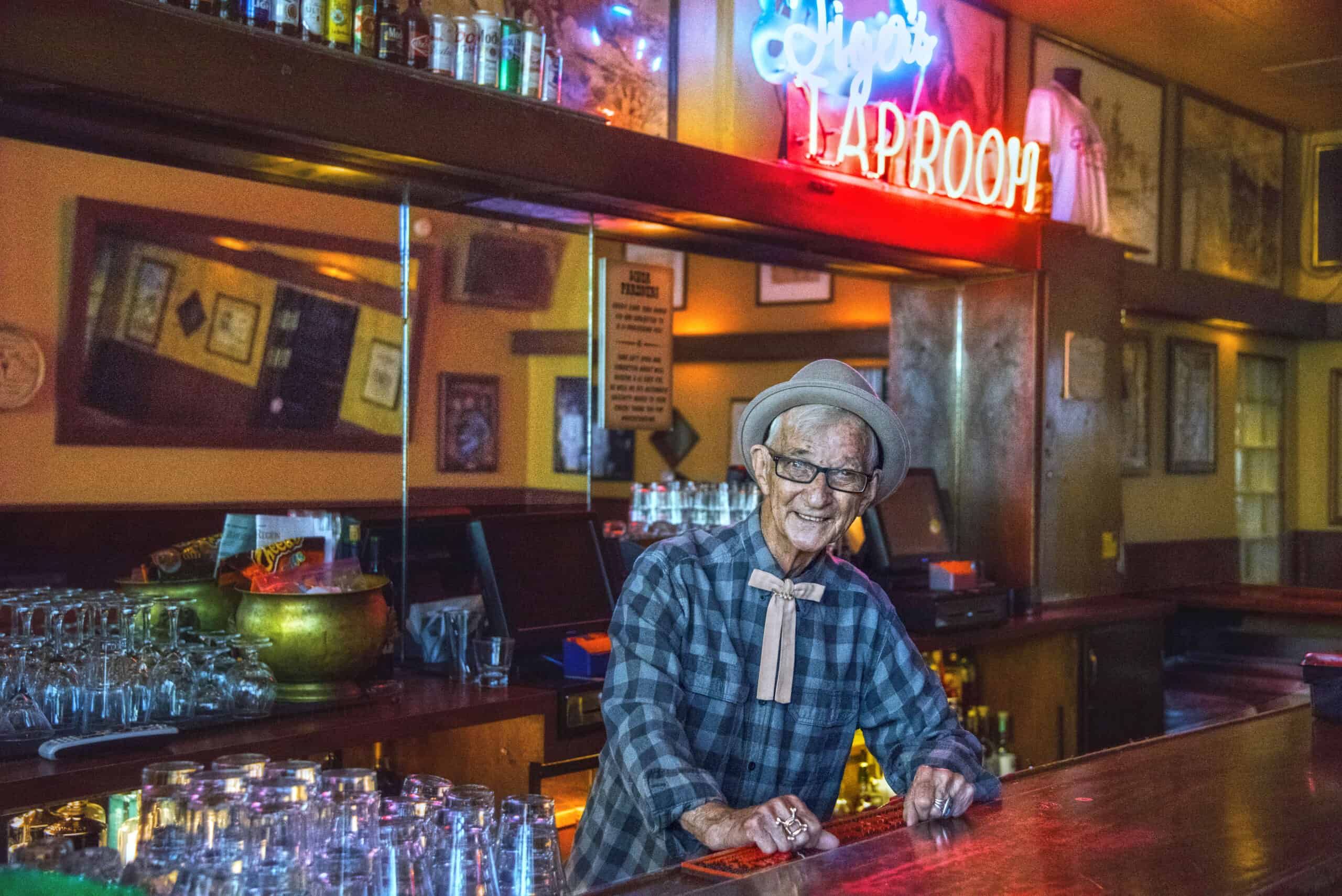
From Old West saloons to historic hotel bars, these Arizona watering holes have been pouring drinks—and stories—for generations.
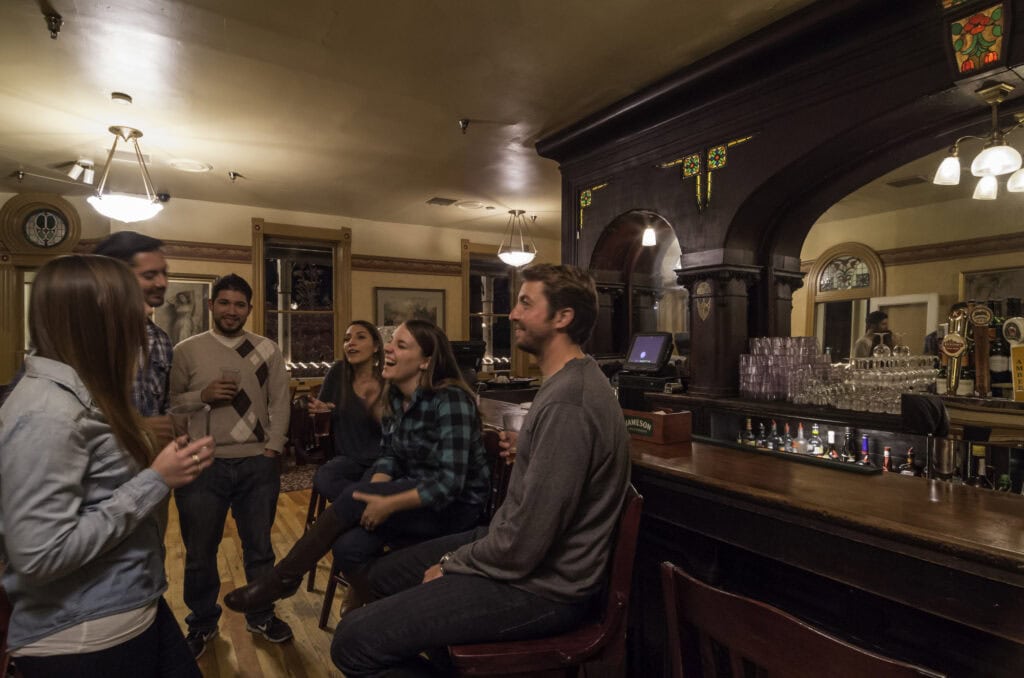
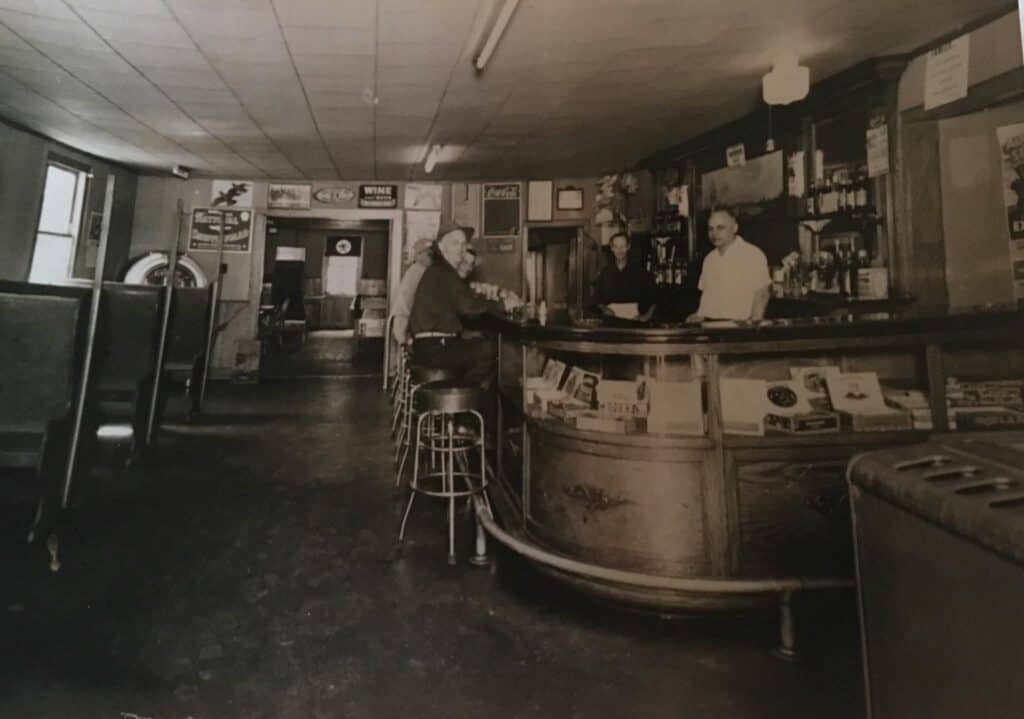
Arizona may be famous for its modern cocktail lounges and buzzy craft breweries, but some of the state’s best drinking establishments have been pouring pints for more than a century. Long before Scottsdale’s nightlife scene and Phoenix’s rooftop bars took off, rugged saloons were the social hubs of Arizona’s mining towns, cattle routes, and railroad stops. These watering holes served everyone from prospectors and cowboys to traveling salesmen and local politicians—and many of them are still standing today.
Across the state, these historic bars have survived Prohibition, economic downturns, fires, and more than a few legendary bar fights. What they offer now isn’t just a drink—it’s a step back in time. From dusty Old West saloons with creaky wooden floors to storied taverns where generations of locals have pulled up a barstool, these are some of the oldest bars in Arizona that are still serving customers today.
The Palace Restaurant & Saloon — Prescott
Located on Prescott’s historic Whiskey Row, The Palace Restaurant & Saloon lays claim to being Arizona’s oldest bar. It first opened in 1877 and quickly became a staple of the territory’s early days, serving miners, cowboys, and even the occasional outlaw passing through town.
The saloon has endured more than a century of history—including a devastating fire in 1900, when patrons famously carried the bar and its whiskey out to safety before the building burned. Today, it’s been fully restored with period details, swinging doors, and Old West décor that lean into its roots. Pull up a stool, order a drink, and you’re not just visiting a bar—you’re stepping into one of Arizona’s most storied pieces of living history.
St. Elmo Bar — Bisbee
Tucked into the hills of Bisbee, St. Elmo Bar holds the title of the longest continuously operating bar in Arizona. First opened in 1902, this no-frills saloon has been pouring drinks for more than a century—surviving Prohibition, economic swings, and the boom-and-bust cycles of Bisbee’s mining days.
Today, St. Elmo leans into its gritty, come-as-you-are charm. There’s no kitchen, no gimmicks—just strong drinks, a jukebox, and a mix of locals and curious visitors passing through. Recent online reviews point to live music, quick service, and a packed dance floor.
Rusty Spur Saloon — Scottsdale
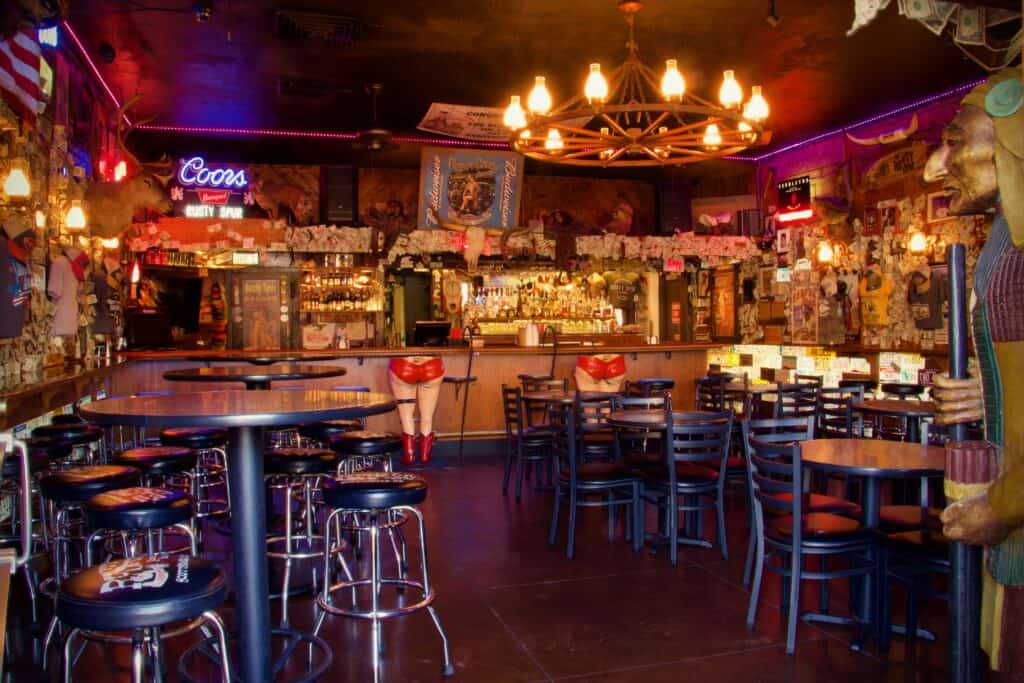
Walk through a pair of swinging cowboy doors, and you’ll find yourself inside one of Arizona’s most iconic watering holes. Located in the heart of Old Town, Rusty Spur Saloon holds the title of Scottsdale’s oldest bar, serving locals and visitors since 1951. But the building’s history goes back even further: It first opened in 1921 as the Farmer’s State Bank of Scottsdale. After the bank closed in 1933, the space later housed the city’s first Chamber of Commerce office and a real-estate firm before being transformed into the saloon locals know today.
The bar still carries pieces of that history—most notably the original bank vault, which now functions as a refrigerated storage unit for beer and liquor. Inside, the vibe is pure country-western: live music fills the room seven days a week, bartenders pour cold beer and prickly pear margaritas, and the barstools are practically a photo-op tradition for visitors. Look closely at the walls, and you’ll spot signed dollar bills taped up by past guests. Each year, the Rusty Spur team collects the bills and donates the money to Phoenix Children’s Foundation, turning a quirky tradition into something meaningful for the community.
LON’s Last Drop — Paradise Valley
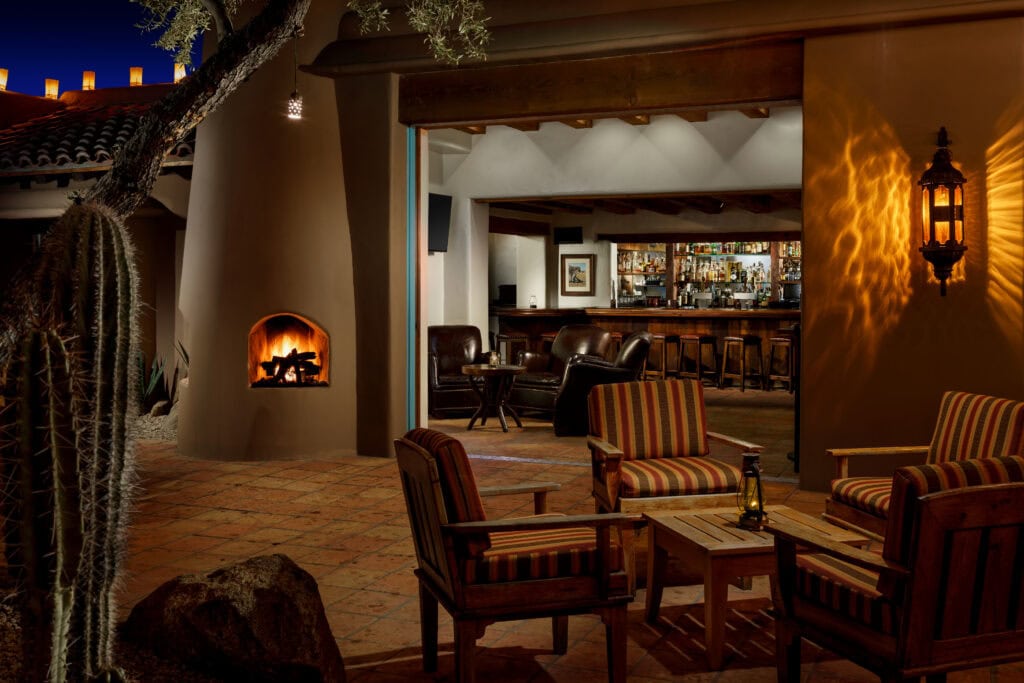
Tucked inside the historic Hermosa Inn, LON’s Last Drop offers a different kind of Arizona bar experience—one rooted in art, Old West storytelling, and nearly a century of local history. The space was originally the art studio of cowboy artist Lon Megargee, who built the adobe home by hand in the 1930s and named it Casa Hermosa. Over time, the property became a guest ranch where artists, intellectuals, and Hollywood visitors gathered to experience the quiet beauty of the Sonoran Desert.
Today, that same creative spirit carries through in the bar’s rustic beams, thick adobe walls, and Western furnishings. The name itself references Megargee’s famous painting “The Last Drop From His Stetson,” commissioned in 1923 and still associated with the heritage of cowboy culture. Guests can sip craft cocktails inspired by the Sonoran landscape on the picturesque patio—surrounded by desert plants, flowerbeds, fountains, and fireplaces—or inside the cozy bar where Megargee once worked.
The historic setting recently earned national recognition when Chowhound named LON’s Last Drop one of the country’s historic hotel bars worth visiting, placing this Paradise Valley hideaway alongside some of America’s most storied watering holes.
The Buffet Bar — Tucson
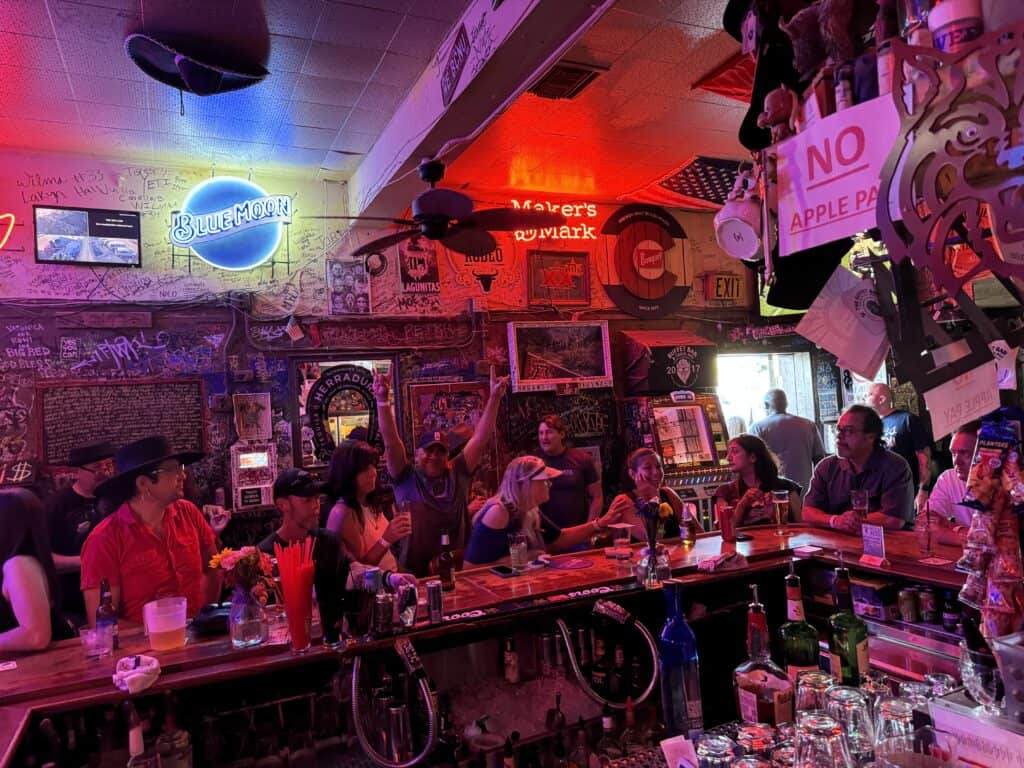
Claiming the title of the oldest bar in Tucson, The Buffet Bar has been serving drinks at the same address since 1934. Originally called the Lantern Buffet, the neighborhood watering hole opened at 538 E. Ninth Street during the Great Depression and has never moved—a distinction that makes it the longest-operating bar in Tucson at its original location.
Today, the cozy dive still embraces its vintage charm. The space is known for its relaxed neighborhood vibe, strong drinks (with names like Trash Can, which U of A students use as a right of passage, and Big Juicy Booty, an “evil” combination of melon liquor and rum), and eclectic décor that reflects decades of Tucson history. While many bars have come and gone across the city, The Buffet Bar has remained a constant gathering spot for locals looking for a laid-back place to grab a drink and swap stories.
The Shanty —Tucson
Another Tucson classic, The Shanty holds the distinction of being the city’s oldest continuously licensed bar. It first opened in 1937, founded by Owen Nugent, and has bounced around a bit over the years before landing at its current home on the corner of Fourth Avenue and Ninth Street in 1953.
Despite the moves, The Shanty has maintained the same neighborhood bar spirit for decades. Known for its welcoming atmosphere and loyal regulars, the bar has long been a favorite stop along Tucson’s lively Fourth Avenue corridor. Step inside and you’ll find a place where the drinks are straightforward, the bartenders know their customers, and the vibe feels refreshingly old-school.
Tiger’s Tap Room — Tucson
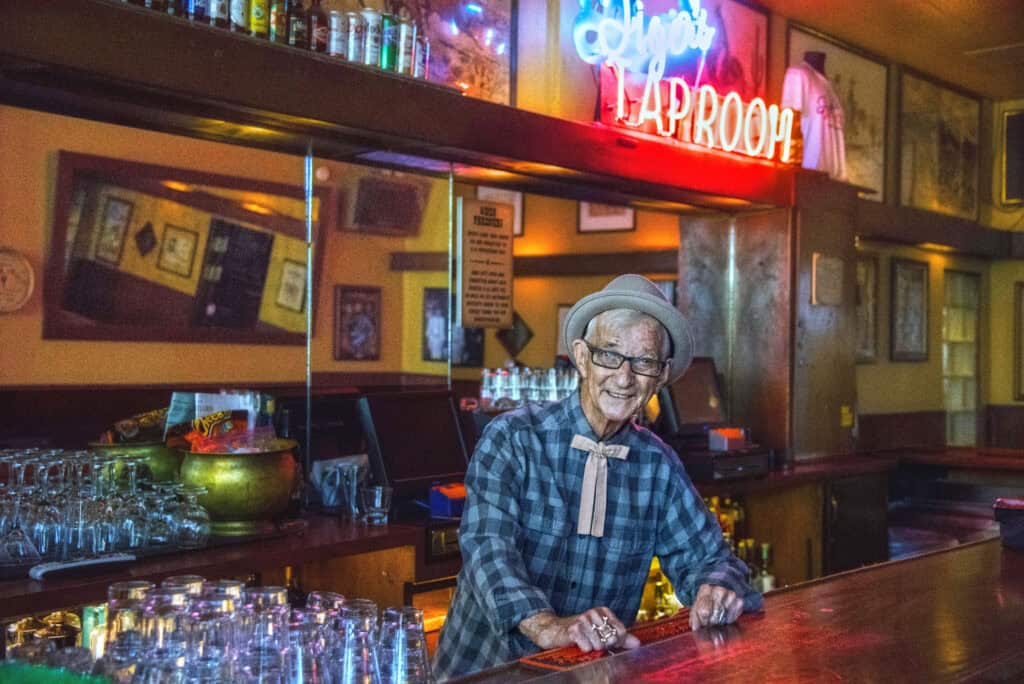
Inside Tucson’s historic Hotel Congress, Tiger’s Tap Room traces its roots back more than a century. The bar first opened in 1919 as part of the hotel, briefly shutting its doors during Prohibition before reopening in 1933 when alcohol became legal again. Since then, it has hosted the likes of Fiona Apple, Billy Gibbons of ZZ Top, Chris Novoselic of Nirvana, and Lemmy from Motorhead.
In 2017, the bar was renamed Tiger’s Tap Room in honor of legendary bartender Thomas “Tiger” Zeigler, who worked behind the bar for more than six decades—from 1959 until his passing in 2024. Today, the bar remains a cornerstone of the downtown Tucson nightlife scene, blending historic character with live music, craft cocktails, and the unmistakable energy that has long defined Hotel Congress.
Zane Grey Ballroom at The Weatherford Hotel — Flagstaff
Perched on the third floor of the historic Weatherford Hotel, the Zane Grey Ballroom blends Arizona literary history with a lively modern bar scene. The hotel itself opened on New Year’s Day in 1900 and quickly became one of northern Arizona’s most important gathering places. The ballroom bar didn’t take its current form until the 1990s, but the space is deeply tied to the hotel’s long history—and to one of the most famous Western authors of the early 20th century.
The ballroom is named after Zane Grey, who stayed at the hotel while writing several of his stories set in Arizona, including the classic novel “Riders of the Purple Sage.” Today’s bar includes a piece of Arizona saloon history of its own: The wooden bar was salvaged and refurbished from a historic bar in Tombstone. Step outside and you’ll find another unique feature—the wraparound third-floor balcony overlooking downtown Flagstaff. The original balcony burned down in 1929, and the hotel’s current owners didn’t even know it had existed until they discovered old photographs after purchasing the property in the 1970s. They rebuilt it during major renovations in the 1990s, and today it’s one of the most coveted spots in town—especially on New Year’s Eve, when crowds gather below for Flagstaff’s famous Pinecone Drop, and VIPs line the balcony for one of the state’s most distinctive holiday celebrations.