Never been to Big Bend? You’re in for a treat, as it’s one of the most stunning national parks in the country. Here’s how to make the most of your visit.
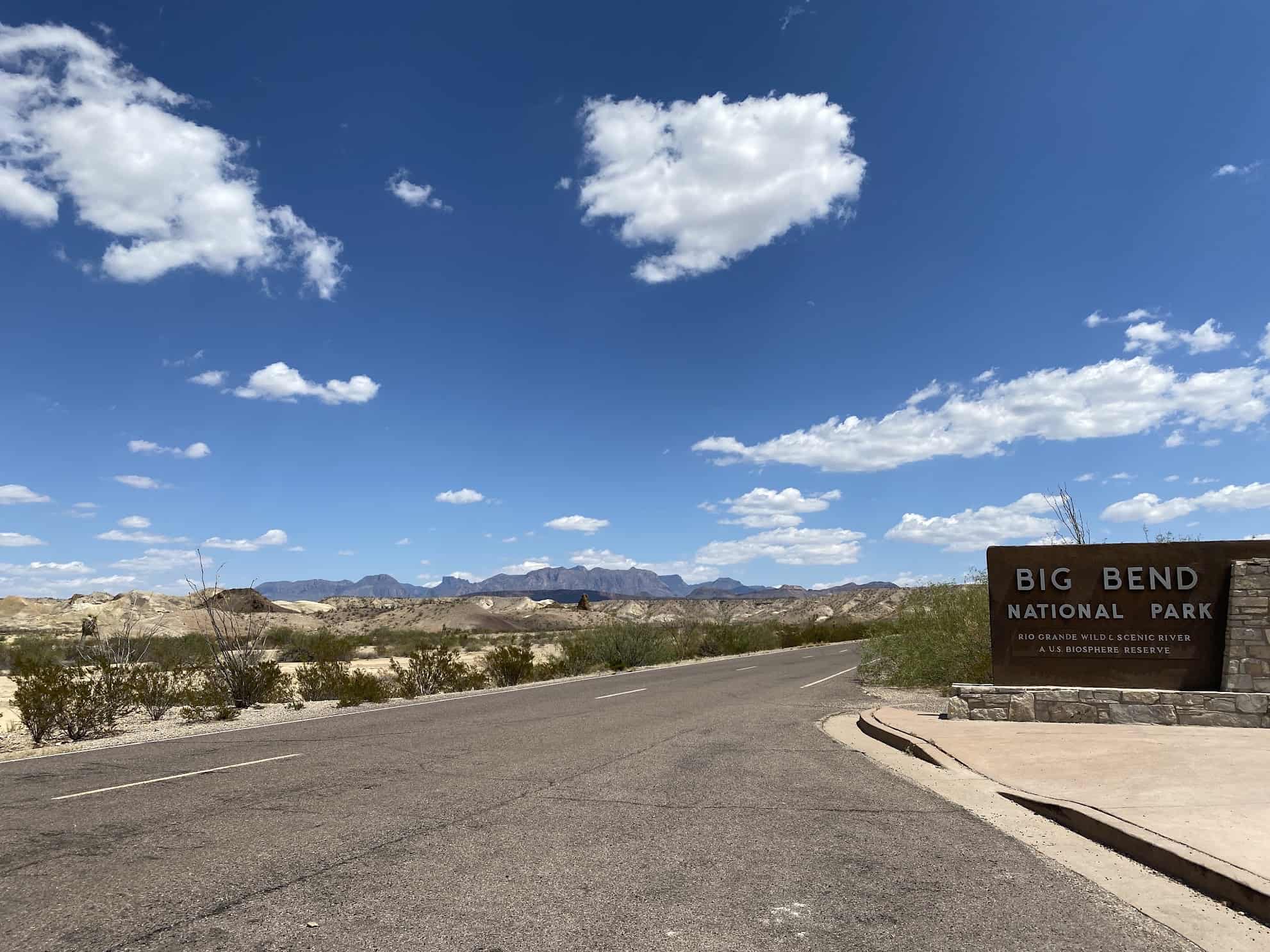
Spanning more than 800,000 acres across West Texas in the Chihuahuan Desert, Big Bend National Park lives up to its name. The massive park is the 15th largest in the national park system, and it’s bigger than the entire state of Rhode Island.
Understandably, that can feel somewhat overwhelming. 1,252 square miles is extensive ground to cover, and you realistically won’t be able to see everything on a given trip.
Yet the majestic, peaceful beauty is an incredible experience that’s unique to Texas. Use our guide to have a great first visit to Big Bend.
Planning ahead for Big Bend National Park
There are three big things to plan before a Big Bend visit: your lodging, your transportation, and directions for your itinerary.
Big Bend lodging
The official Big Bend website from the National Park Service offers guidance and tips for visiting, particularly around camping. If you plan to visit from November through April, all developed park campgrounds will be full. You can reserve up to six months in advance, so it’s advantageous to be an early bird if you want to camp in the park itself. For roadside and backcamping sites, you’ll need a permit costing $10 per night.
The park has four developed campgrounds: Chisos Basin is the most central, while Cottonwood, the most remote, is on the far west side of the park. Rio Grande Village Campground and Rio Grande Village RV Park are the options for the east side. Outside of camping, the Chisos Mountains Lodge is the only lodge within Big Bend National Park.
Not able to snag a reservation? Or maybe you’d prefer not to camp at all. There are plenty of other options for lodging outside the park, from ghost town hotels to casitas to glamping. There are even resorts! The closest option is Terlingua, a ghost town that’s immediately adjacent to the park. Marathon and Lajitas are a bit further away but manageable. If you don’t mind a longer drive, Alpine and Marfa have multiple places to stay and some cool sights. Alpine is home to the Museum of the Big Bend, and Marfa is full of quirky artwork (and probably aliens, too).
Wherever you decide to stay, make reservations in advance. Lodging is the most complicated part of a Big Bend visit. Take care of it early to avoid a nervous situation later.

Driving to Big Bend
Big Bend is enormous and remote, so it requires a car to navigate. El Paso and San Antonio are both about 4.5 hours away, while Austin is around a 5.5-hour ride. You can either drive from your city or fly into the El Paso or Midland/Odessa airports and rent a car.
While there are private car tour options, there’s a special joy in driving yourself to points of interest. You can admire scenery along the way, stop whenever you’d like, and control the pace of your visit. I’ve visited Big Bend in my own car and in a rental car, and I’ve always been glad I had a vehicle. If you drove through the park without stopping, it would take between 75 and 105 minutes. However, that would be missing lots of what Big Bend has on display.
Though the park has convenience stores and gas stations, it’s better to refuel and stock up outside of the park. Alpine and Fort Stockton are your best bets for that. Having a full tank of gas when entering Big Bend is the best strategy. Make sure your oil and tires are in good shape, too.
Big Bend itineraries
Big Bend has many stretches with limited or no cell service. There are some signs to help you get around various parts of the park, though if you’re planning a visit, mapping out your directions and top sights to see is always a good idea. It also helps to have backup options available. During peak visiting times, park rangers operate on a “one in, one out” policy for attractions. You simply might not be able to visit a particular site due to congested traffic.
Entry into Big Bend costs $30 per vehicle, and the pass is valid for seven days. You can also purchase an Annual National Parks Pass for $80 to gain access to every national park in the country for a year.
As is the case with any national or state park, rules are there for a reason. Follow them, and you’ll already be ahead of the curve.
What to bring to Big Bend
Showing up to Big Bend National Park empty-handed would be a rookie mistake. Here’s a handy checklist of what to bring:
- Water and snacks: Hydrating is important at all times, but especially so in the desert. Bring plenty of water—more than you think you need—for the drive to Big Bend and while in the park. Reusable water bottles allow you to refill easily. Energizing snacks, such as protein bars, trail mix, or nuts, can offer a boost during more strenuous hikes. There’s only one restaurant in the entire park, so have a way to handle hunger pangs.
- Multiple layers of clothing: You know how you can walk into a store or restaurant in Texas, and you’re immediately blasted with cold AC because it’s so hot outside? Big Bend’s weather patterns are similar. The days can be brutally hot, while the nights get outright chilly, particularly in the Chisos Basin. It can also rain cats and dogs, seemingly out of nowhere. Bring multiple layers, including hats or beanies, sweatshirts and jackets (including a rain jacket), long pants, and gloves. And then be prepared to shed those layers throughout the day.
- Sunscreen and chapstick: The sun is intense, especially in summer months. Wear sunscreen to keep your skin safe, and bring chapstick to help your lips combat the dry air. In addition to sunscreen, consider a sun hoodie. They’re made from special fabrics that offer a high ultraviolet protection factor (UPF) against the sun’s rays.
- Sturdy, closed-toed shoes: I am constantly flummoxed by seeing travelers on hikes in flip-flops. Did you not know you were going hiking? Is that your only pair of footwear? Don’t be like those people. Hiking shoes are ideal for rough terrain, though some types of sneakers can work, especially if they have better ankle stability. Break in new shoes before your visit.
- Hiking poles: These are essential if you’re unsure of your footing. Many trails have marked paths, yet there can still be some uneven ground. Hiking poles are also helpful for uphill climbs.
- Tent, stakes, and guy lines (if camping): First-time campers at Big Bend should aim to stay in the official park campgrounds instead of the backcountry roadside areas, which often require long drives and 4×4 off-road vehicles to access. The campsites can get very windy, and waking up to your tent blowing away with you inside of it is not a good time. Bring more stakes and guy lines than you think you need to keep everything anchored down.
- Passport and cash: You can cross the Rio Grande River to visit Boquillas, a small Mexican town with excellent local handcrafted items and a pair of tasty restaurants. You can enter the town via rowboat for a $5 fee. Check the NPS website to see when the crossing is open. During summer months, it’s typically Friday through Monday from 9 a.m. to 4 p.m.
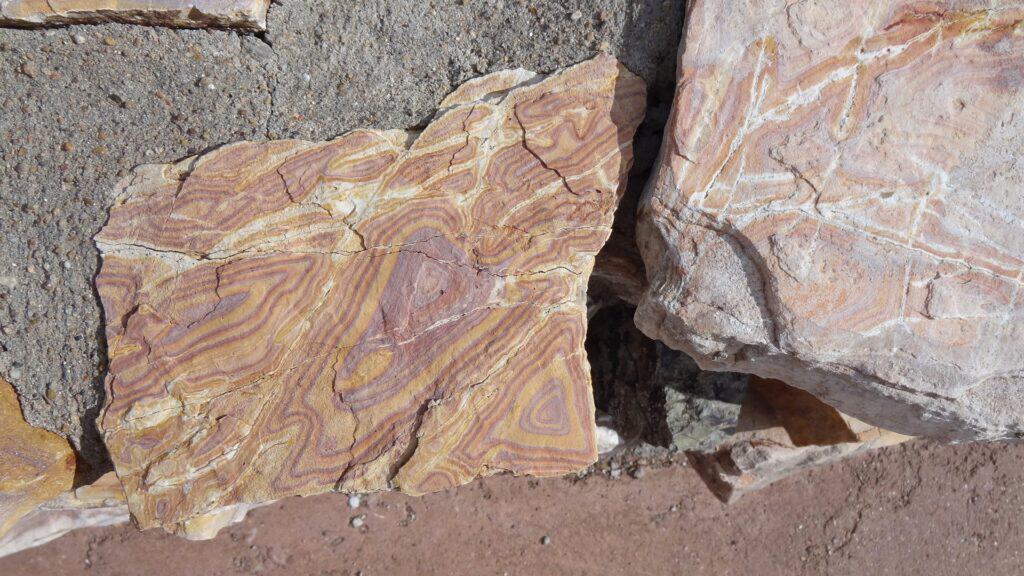
- Nothing from the park: Follow Leave No Trace principles to keep the pristine beauty of Big Bend intact. Don’t try to bring a piece of rock or other souvenir home, never leave food or drinks unattended, and avoid feeding wildlife.

What to see at Big Bend
One of the coolest elements of Big Bend National Park is that you can go through it multiple times and have completely different experiences. Maybe you only have a day to visit and spend the bulk of your trip on a scenic drive, or you’ll speed to the fossil area to admire relics from millions of years ago. Of course, if you’ve got more time to spare, you can experience more that the park has to offer.
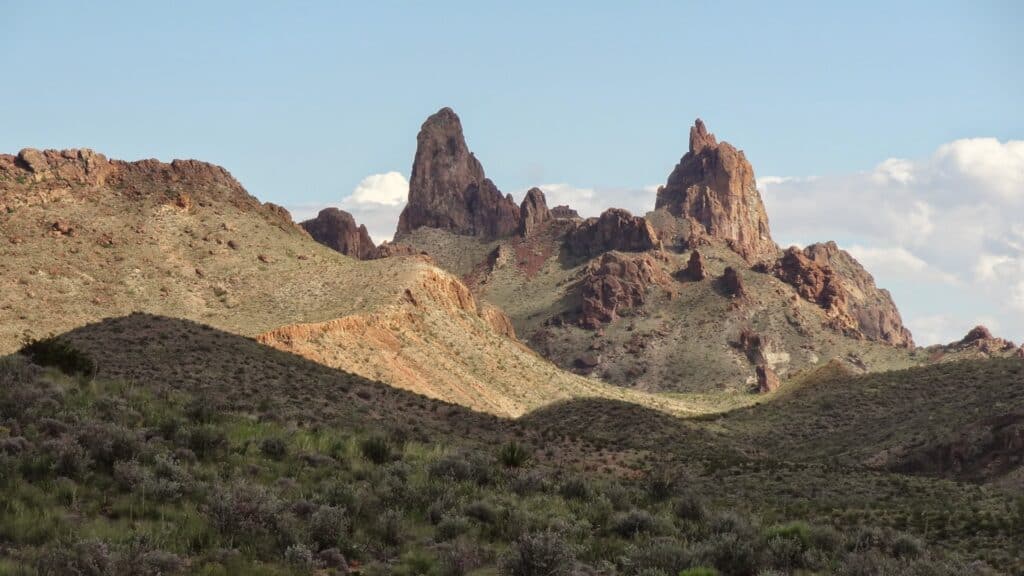
Big Bend is divided into three regions: Santa Elena Canyon in the west, Chisos Basin in the center, and Boquillas Canyon in the east.
Here are a few of our favorite highlights, so you can pick and choose the ones that speak to you. Always check the National Park Service website—here’s an example page for Santa Elena Canyon—to see current weather conditions, which could lead to events like flooding and mudslides. Stay safe in your travels!
Ross Maxwell Scenic Drive
The Ross Maxwell Scenic Drive winds through 30 miles of the park, with steady sights of the Chisos Mountains, Chihuahuan Desert, and native animals hanging out near the road.
There are several outlooks along this drive where you can get out to stretch your legs or take a quick hike. And you’re almost always surrounded by 360-degree views of beauty.
Santa Elena Canyon
If you’re on the Ross Maxwell Scenic Drive, you’ll come across Santa Elena Canyon on the southernmost portion of the route. You’ll know you’ve arrived when you hit the parking lot and trailhead. The hike is relatively easy and about 1.6 miles long. You’ll cross the Terlingua Creek and climb up some ramps and stairs, with a gorgeous setting 1,500 feet above the canyon as your reward.
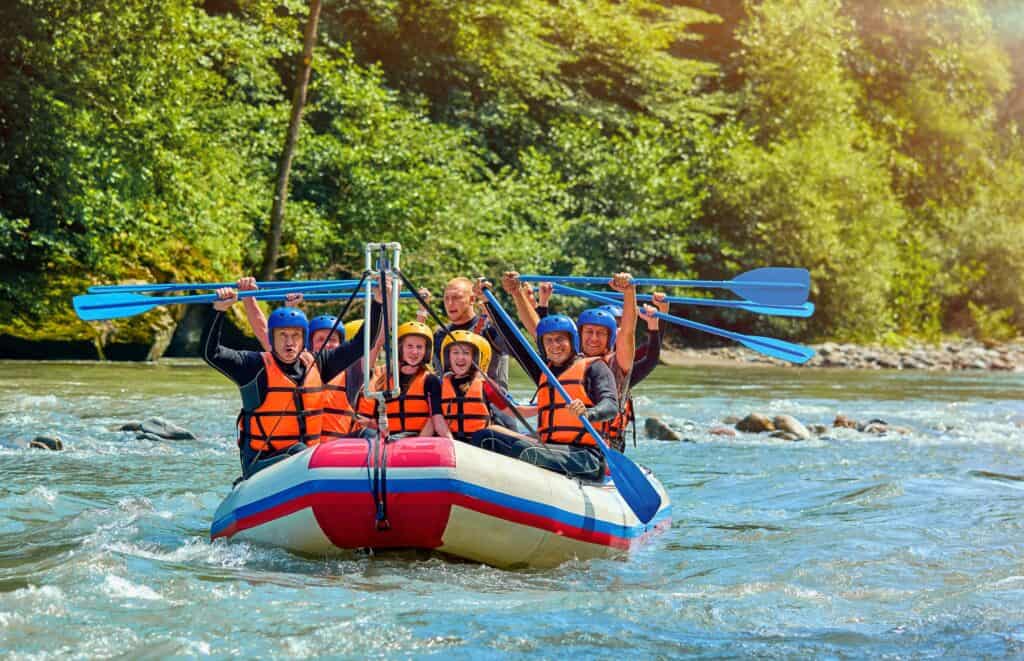
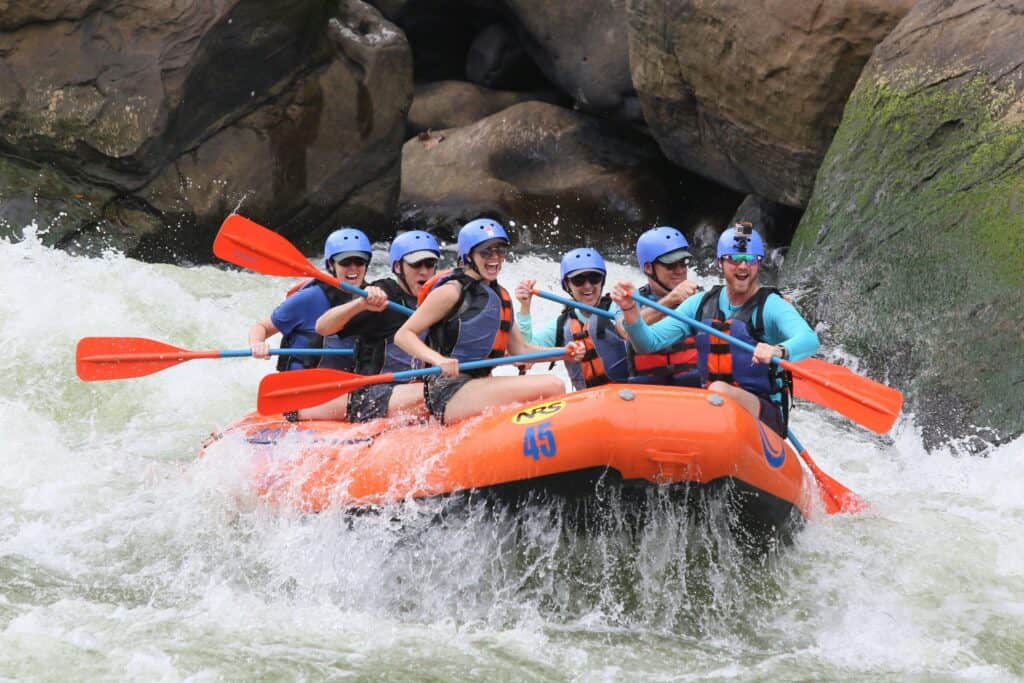
Raft and canoe tours are available and provide a different view of the canyon. If you’ve got ample time to spare, it could be a unique addition to your trip.
Chisos Basin Trails
You’ll get plenty of stunning views throughout the Chisos Basin. The best of the best is the South Rim/Emory Peak, with perhaps the most picture-perfect scenery in the entire park.
The Window Trail (about six miles) or Lost Mine Trail (about five miles) are also worth checking out. Doing all of them in one day could feel ambitious. If you have a multi-day trip, they’re manageable.
Rio Grande Village Nature Trail
Do you appreciate a scenic sunset? It’s hard to top the sights from the Rio Grande Village Nature Trail. The trail ends at a bluff overlooking the Rio Grande River, with dazzling colors bouncing off the water.
Rio Grande Village has several other worthwhile stops, too. The Chihuahuan Desert Nature Trail is a good hike, and birders can find several species chirping around the area. About four miles away, you’ll find the Boquillas Canyon Trail, with breathtaking views of the canyon and entrance across the border into Boquillas del Carmen, Mexico.
Fossil Discovery Exhibit
Located eight miles north of Panther Junction on the Persimmon Gap Entrance Road (Highway 385), the Fossil Discovery Exhibit takes visitors back 130 million years. The park has been home to an extensive array of animals and plants over time, and you’ll learn about all of them. There’s a panoramic view of geological sediments, as well.
Beyond having fossil structures for kids to climb, the exhibit is wheelchair-accessible and has tactile displays for people with impaired vision. You’ll also find a toilet and get cell phone service here, so it can be a good place to regroup before heading out on your next adventure.
Stargazing at night
The clear air of Big Bend provides some of the most profound stargazing experiences in the entire state. Check a site like Clear Dark Sky to see the clearest viewing dates. The McDonald Observatory in Fort Davis can also give you some magnificent, jaw-dropping views. It’s not every day you get to use one of the largest telescopes in the world. What a wonderful reminder to look up now and again.
Take a horseback ride with Big Bend & Lajitas Stables
Going through Big Bend requires a significant amount of time behind a steering wheel. You might want to grab a different kind of ride. It’s hard to get more Texan than saddling up on a horse and clomping through the Chihuahuan Desert.
Big Bend & Lajitas Stables host guided rides for all kinds of riders. Big Bend Stables leads relaxed, family-friendly rides, while Lajitas Stables will take you on more rugged wilderness excursions. You can even pair a ride with kayaks in the “Saddle/Paddle Combo.” These combo treks have about eight hours of athletic outdoor activity, so only try them if you’re in good athletic shape and up for a long-lasting adventure.
Go on a guided park ranger tour
If you’re not as much of a planner, why not let a park ranger lead the way? The “Join a Ranger” programs host guided hikes, patio talks, activities, and “stories behind the scenery” adventures to learn more about the park. Check out the events calendar to see what’s happening during your visit.
When to go to Big Bend National Park
Big Bend National Park is open and beautiful at all times of year, though you’ll have slightly different vibes depending on when you visit.
Spring and fall are the most ideal from a temperature perspective. They’re still varied, but you have a bit more coolness during the day. In the spring, you’ll see wildflowers blooming, while the fall has lush greenery after a rainy summer.
The summertime brings some brutal desert heat, with temperatures climbing above 100 degrees on the desert floor. Higher elevations in the Chisos Mountains can provide a bit of respite. The rainy season is also from May to September, which may limit some of what you can do.
Winter brings colder temperatures that dip below freezing at night and the very occasional snowstorm. Snow can make the mountainous terrain look even more impressive, though there usually isn’t enough to make you think you’re suddenly in the Swiss Alps. Winter crowds are also less substantial than other seasons.
Big Bend offers a magical experience unlike just about anything else in Texas. We’ve got one more video to leave you with for additional preparation, and hope you have a wonderful time on your first visit. Cheers to many more!