Embrace the weird, wild, and downright extraordinary side of Minnesota with these facts and figures.
What comes to mind when you ponder the state of Minnesota? Perhaps your first thought is about the Minnesota Vikings, or maybe you jump straight to imagining those 10,000 beautiful lakes. But some of Minnesota’s most fascinating facts and attractions tend to fly under the radar. Whether you’re a lifelong Minnesotan, an occasional visitor, or a total newcomer, our list of intriguing facts about Minnesota will help you gain a new appreciation for the North Star State.
1. Some of the world’s oldest exposed rock is in Minnesota
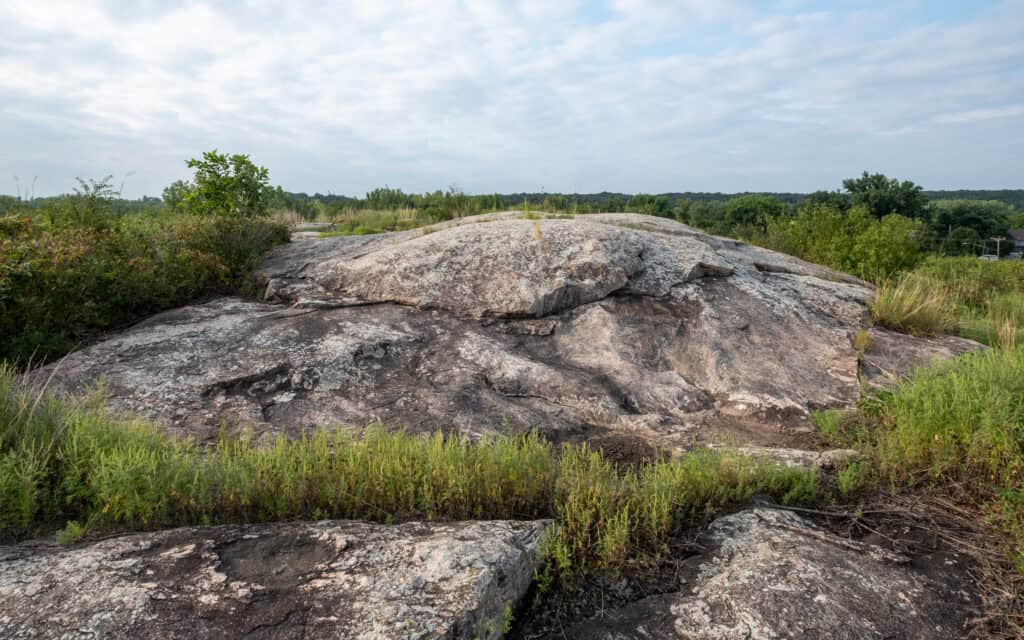
It’s hard to conceptualize a timespan of 3.5 billion years, but one look at a piece of Minnesota-based Morton gneiss will bring it closer to reality. That’s because the gneiss—a type of metamorphic rock known for its distinctive striped pattern—is believed to be one of the oldest stone types on the entire planet, dating back billions of years. The ultra-strong gneiss is found in the southwestern portion of the state and is used to construct everything from buildings to gravestones across the region.
2. Minnesota has a world record-setting love for turkeys
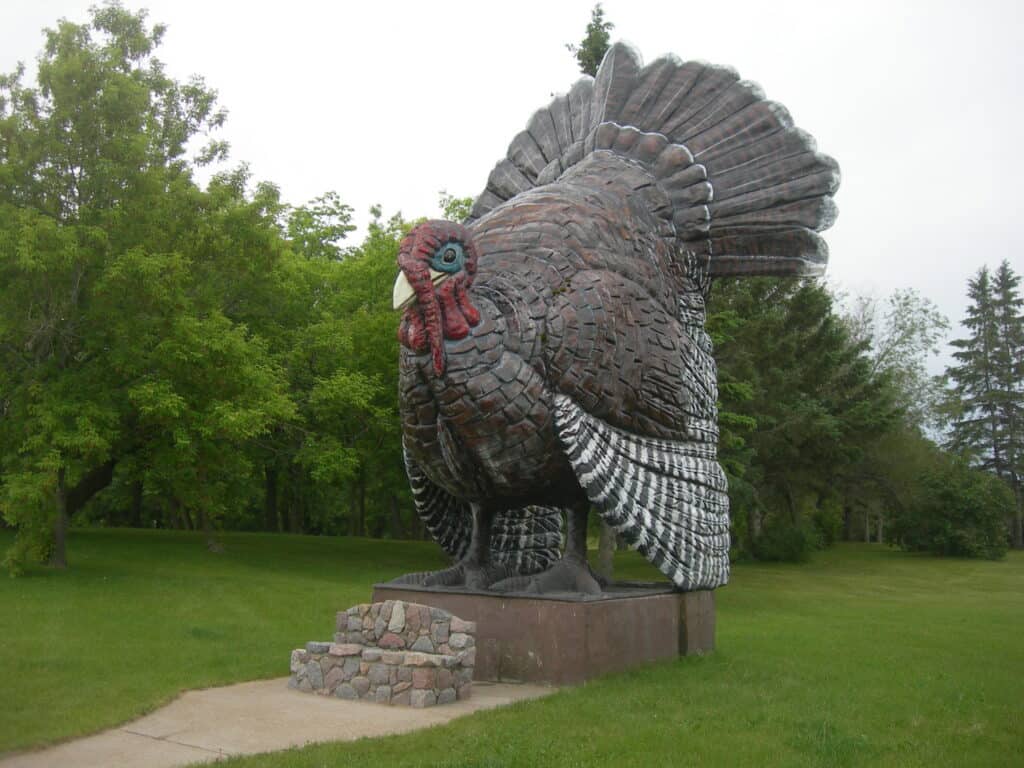
Have the Vikings ever thought about changing their name to the Minnesota Turkeys? Because the gobbling creatures are pretty darn beloved across the Land of 10,000 Lakes. From an abundance of family turkey farms to a successful restoration of turkey populations in the wild, there has been plenty of attention paid to these birds in Minnesota—and this attention is reflected in Becker County, home of the world’s largest turkey (statue, that is). At 22 feet tall, “Big Tom” catches the eye of tourists and Minnesotans alike.
3. Minnesota is home to a triple continental divide
Have you ever heard of the Hill of Three Waters? It’s the name for one of Minnesota’s most fascinating facets: its rare triple continental divide, where multiple waterways converge, and water flows away in three separate directions (north, east, and south). While the divide itself is located on private property, there are plenty of opportunities to learn about this fascinating geological phenomenon at a commemorative site on the grounds of Minnesota North College.
4. The Mall of America runs on a unique heating system

Maybe you’ve ridden a roller coaster or shopped ‘til you dropped at the Mall of America, but did you know that this sprawling, world-famous mall runs without a central heating system? Instead, climate control is maintained using a combination of unique lighting fixtures, solar energy from large windows, and—most incredibly—the sheer body heat of visitors. The interior of the mall hovers at around 70 degrees Fahrenheit year-round, making it a comfortable space to explore.
5. The largest-ever pillow fight happened in Minnesota
We don’t care how old you are—there’s still fun to be had in a good pillow fight. After all, who doesn’t enjoy using soft and safe “weapons” to mercilessly attack their closest loved ones? Minnesotans know the value of a pillow fight, so much so that they set the record for the largest pillow fight ever recorded. In 2018, more than 7,800 participants gathered at U.S. Bank Stadium in Minneapolis to set a new world record as they pulled out their pillows and had a blast. Sounds like the most wholesome way imaginable to blow off some steam!
6. Minnesota’s streams and rivers are downright sprawling
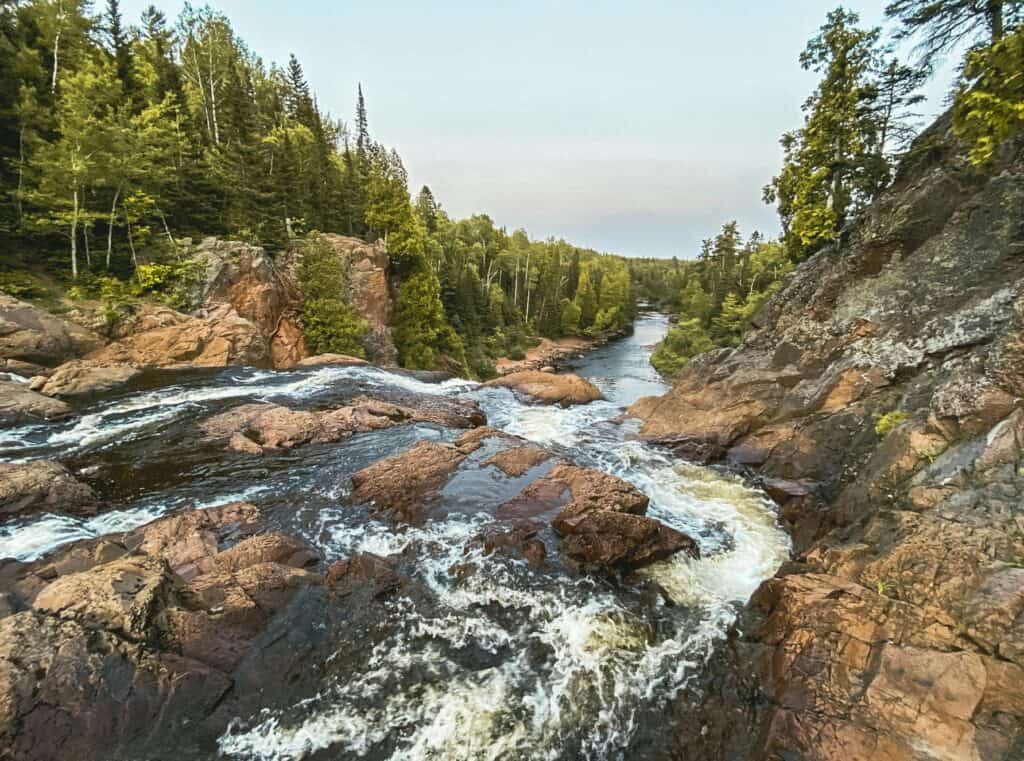
We know you’re familiar with Minnesota’s lakes, but did you know that the state’s other bodies of water are equally impressive? Naturally occurring streams and rivers in Minnesota make up more than 69,000 miles of shoreline—which calculations show is enough to circle the entirety of the equator 2 ¾ times. We promise you’ll never get bored when you set out to find a new Minnesota stream or river to experience, whether you’re sitting on the shores or heading out for a day of canoeing.
7. “Land of 10,000 Lakes” is an understatement
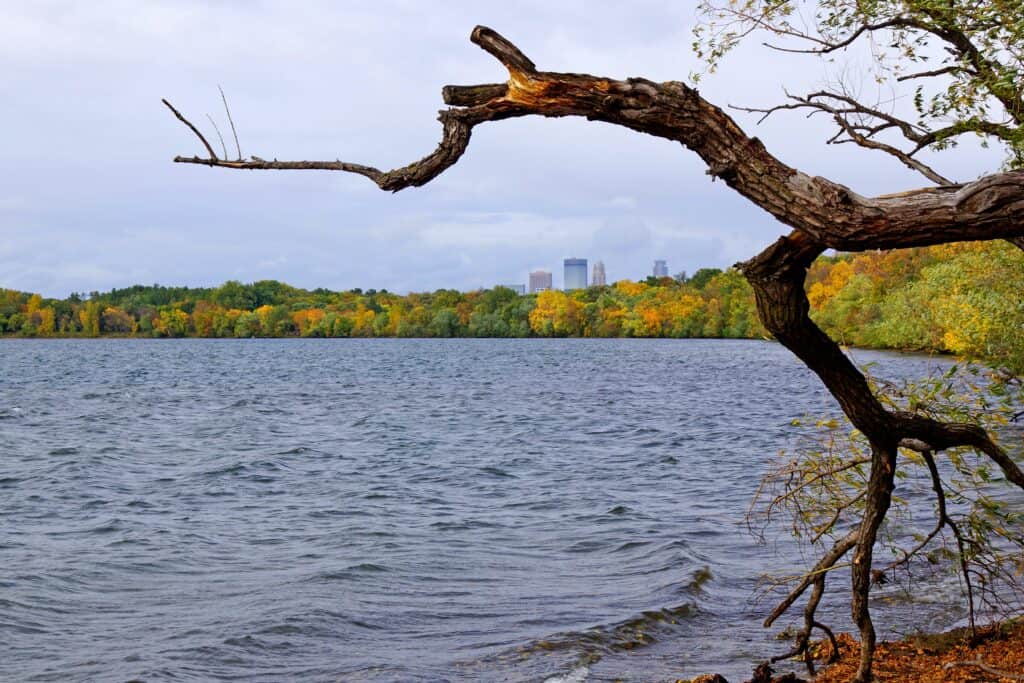
There aren’t 10,000 lakes in Minnesota, despite what the famous moniker might have you believe. There are actually 11,842, but “Land of 11,842 Lakes” doesn’t roll off the tongue quite as easily! Regardless of technicalities, one thing is certain: There’s no shortage of waterfront beauty to experience throughout the state. The best part? Minnesota’s lakes are worth exploring in every season, so you’ll never run out of ways to appreciate them.
8. Minnesota was the first state to send soldiers to the Civil War
When the Civil War broke out, Minnesota’s military community stepped up quickly. In fact, the state was the first to send groups of volunteer troops to fight on behalf of the Union—to the tune of more than 22,000 soldiers in 1861. The subsequent statistic is somber: According to the Minnesota Historical Society, over 2,500 Minnesotans lost their lives as a result of the war.
9. The world’s “quietest room” is in Minnesota
Need a little break from the overwhelm of everyday life? Minnesota has you covered with its Orfield Laboratories in Minneapolis, home of the “quietest place on earth” according to the Guinness Book of World Records. Inside the facility sits an anechoic chamber, where an incredible 99.9 percent of sound is absorbed—leaving visitors able to hear only the sounds of their own bodies (including heartbeats and rushing blood). How long do you think you could stay inside the chamber?
10. St. Paul originally had a far less pleasant name
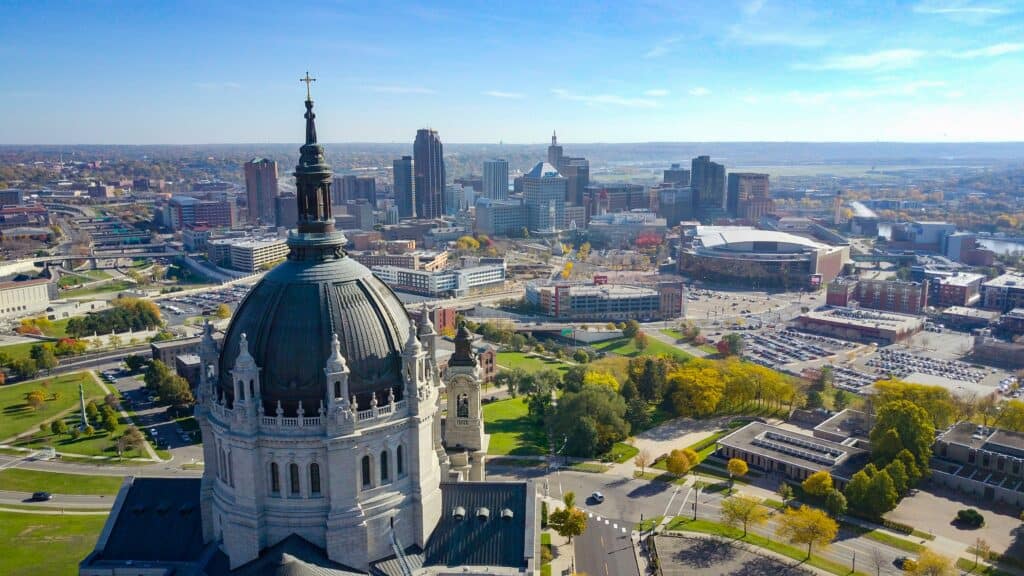
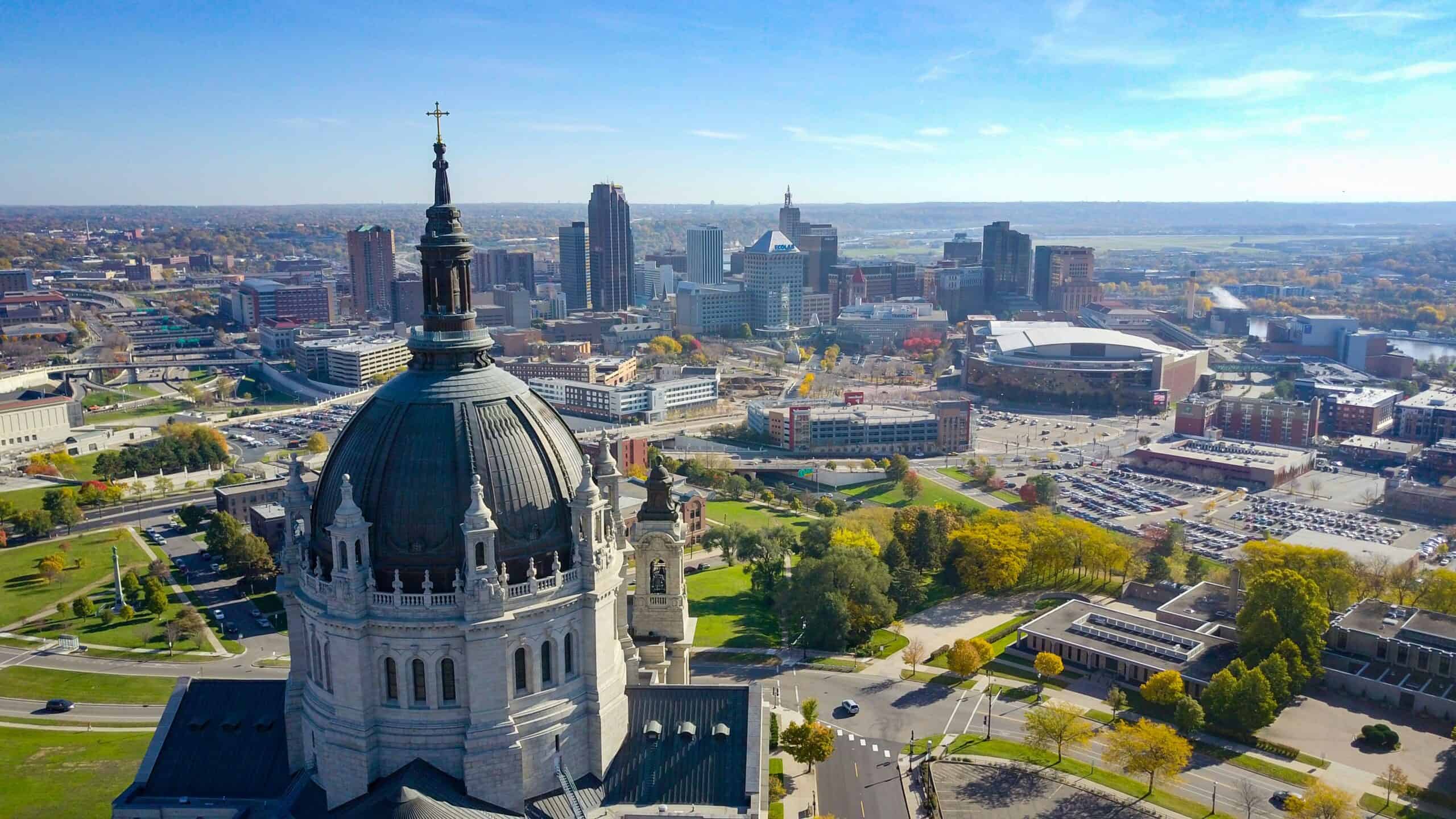
St. Paul received its current moniker in 1841, but its original European name was slightly less pleasing: Pig’s Eye. This name was established in 1838 after the arrival of a fur trapper-turned-bootlegger named Pierre Parrant, whose nickname was—you guessed it—Pig’s Eye. When a Catholic chapel was installed on the site of the Pig’s Eye settlement a few years later, its name was changed to the much-tamer “Saint Paul.”