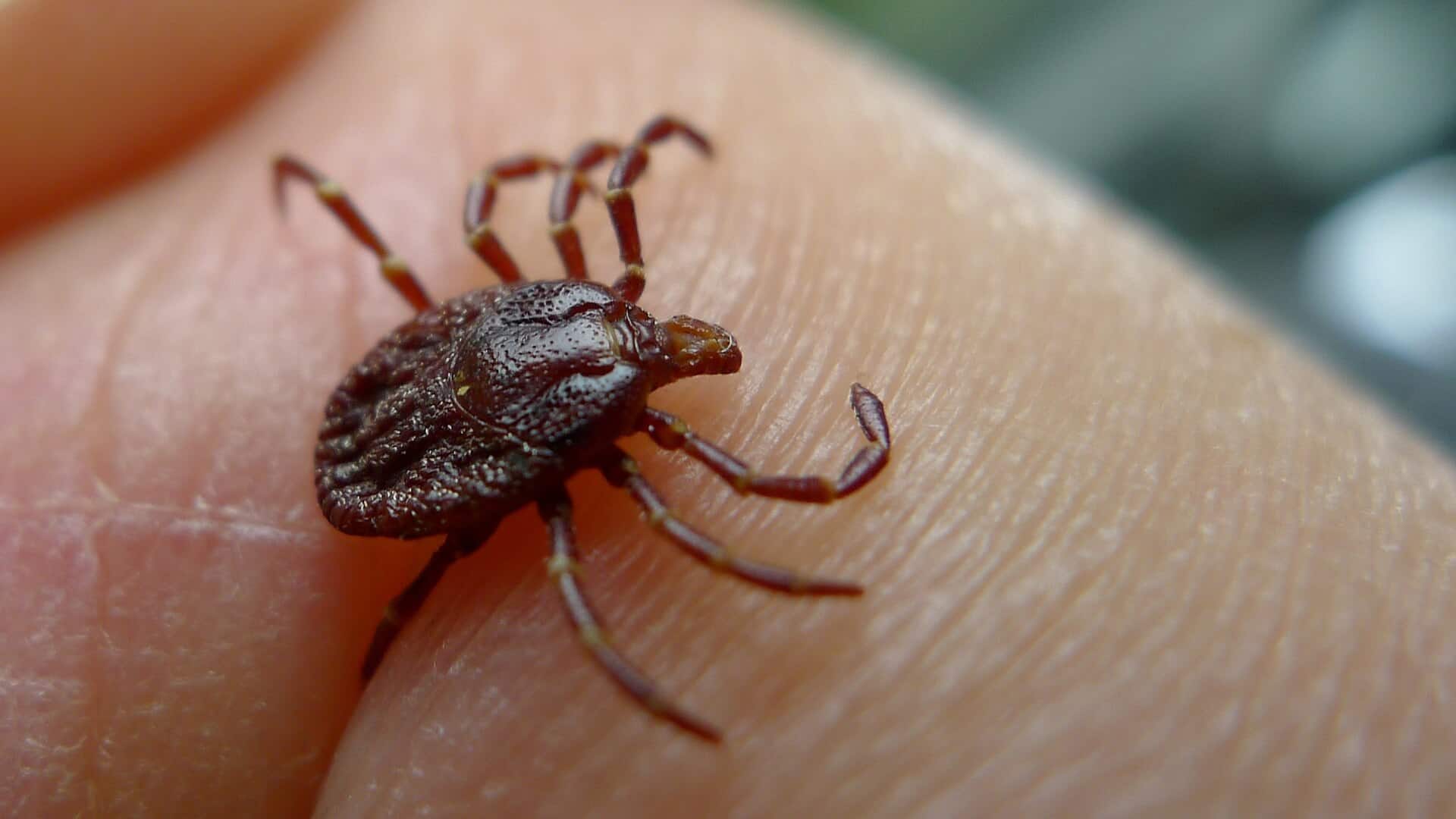
Tick bites can cause several illnesses, some of them serious. Here’s how to protect yourself from ticks this summer.
One of the worst things about the spring and summer months is the amount of ticks that come with them. Most of the time ticks are an annoying hassle you can deal with pretty quickly, but that isn’t always the case, especially this year. In 2026, tick bites have caused an increasing number of emergency room visits. Because of this, the Centers for Disease Control and Prevention (CDC) wants to get the word out about how serious tick bites can be and how you can prevent them from happening.
Dr. Jennifer Caudle serves as an associate professor at Rowan University and is also a family physician. Speaking about the issue directly, Dr. Caudle said, “I just don’t know that we take tick bites and tick bite prevention as seriously as I would like to see it. It really is important.” Ticks carry several parasites, viruses, and bacteria, each of which can cause people and pets to develop various illnesses. Some of these are extremely serious, like Rocky Mountain spotted fever and ehrlichiosis.
The most common illness caused by tick bites is Lyme disease—roughly 476,000 people in the US are treated for it every year, and Dr. Caudle explained that it isn’t always easy to tell when you have it. “The symptoms of Lyme disease often overlap the symptoms of other conditions. Often, the symptoms can start out very vague, whether it’s just joint pains or fatigue. There is a characteristic bull’s eye rash, but we don’t always see that,” she said.
Oftentimes, people who are experiencing Lyme disease symptoms may think they have the flu because they have a headache, fever, tiredness, aches, and pains. It can also be difficult to diagnose, making the matter even more complicated. That’s why learning how to protect yourself, your family, and your pets from getting bitten by a tick in the first place is the best thing you can do to keep everyone safe and healthy.
How to protect yourself from tick bites
People most often pick up ticks in grassy, wooded, or heavily brush-filled areas. If you’re heading out on a hike or working in your yard, the key things you can do to protect your skin are to wear long pants and a long sleeved shirt. Hats can also be helpful in managing tick bites. Some other recommendations from the CDC include:
- If you’re walking on a trail, stick to the center of it to avoid high grasses and thick vegetation where ticks are most commonly found
- Use insect repellent that’s been approved by the Environmental Protection Agency (here’s a list of good options)
- Apply your sunscreen first and then the insect repellent to ensure the spray’s effectiveness
- For added safety, treat your gear and clothing with a product that contains 0.5% permethrin, as this repels ticks
After you’ve gotten inside, make sure to give your entire body a once over to check for ticks and then shower immediately. Wash the clothes you were wearing when you were outside and dry them on a high heat setting, as this will kill any ticks lingering on the fabric. Dr. Caudle says, “We need to be checking ourselves and check each other in the hair and the crevices — places where ticks may like to hide,” which includes armpits, behind the knees, groins, behind the ears, and hairlines. Oftentimes ticks are small when they first crawl or latch onto people and pets, and they’re easiest to pick off at this stage.
Also, removing ticks that have become embedded in the skin within 24 hours of that happening helps prevent Lyme disease from spreading, so it’s important to catch them right away. Now, let’s dive into the best, and safest, ways to remove ticks.
How to remove ticks on yourself and others
If you come across a tick, the easiest and quickest way to remove it is by using your fingers or a pair of tweezers to firmly grasp the tick as close to the surface of the skin as you possibly can. Once you’ve gotten ahold of it, pull upward with firm and steady pressure. It’s important to do this in one swift movement because jerking or twisting can cause the tick’s mouth to break apart from the rest of its body. This is a problem because that still leaves you prone to infection. The entire tick needs to be pulled out completely to avoid issues.
After the tick has been safely pulled from the skin, flush it down the toilet. From there, you’re basically just going to be monitoring yourself, the other person, or your pet for any illness symptoms. If a fever or rash starts up after you’ve removed a tick, contact your doctor directly to discuss potential treatment options before conditions worsen.
Tips to keep your pets safe
Pets can just as easily pick up ticks and suffer from tickborne illnesses as people can, so it’s important to keep any outdoor animals safe as well. Doing a daily check to see if any ticks are crawling on your pet or have bitten into their skin is essential. To do this, run your fingers through your pet’s fur to check for any slight bumps that indicate a tick has burrowed into them. Here’s a handy visual guide to help you find the most vulnerable areas.
If you find a tick on them, you’re going to remove it the exact same way you remove ticks from yourself and others. Just grasp the tick close to their skin, pull firmly and steadily upward, and then dispose of the tick by flushing it down the toilet. You’ll also need to monitor your pets for any changes in how they’re eating or behaving to see if they’re getting sick from a tick bite. If they aren’t eating as often, are experiencing diarrhea or vomiting, or seem more lethargic than normal, take them to the vet to make sure everything is okay.
You can use tick preventative products and tick collars for dogs, and some are suitable for cats, but it’s best to ask your vet for recommendations to get the right ones for each of your animals. This is the easiest and only way really to help them avoid being bitten in the first place.