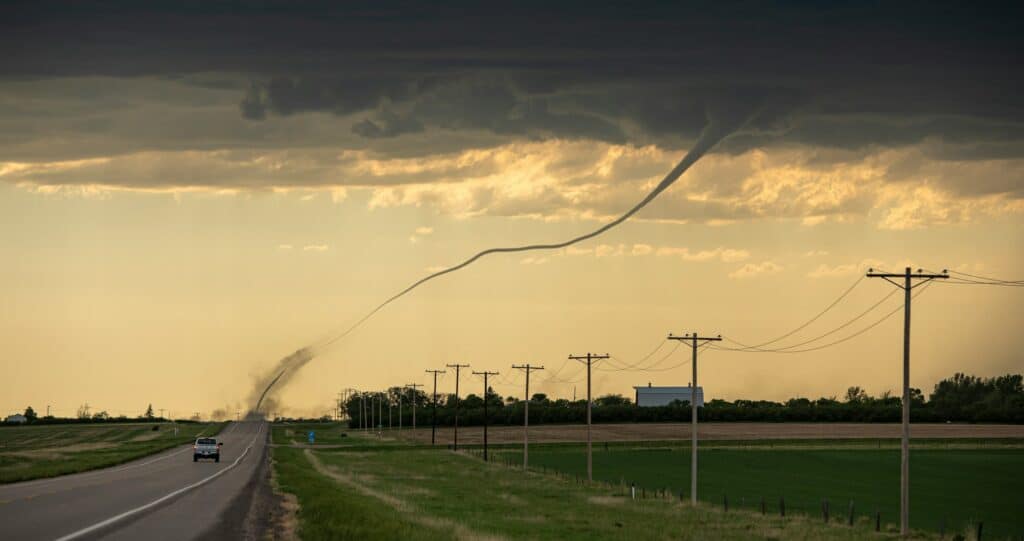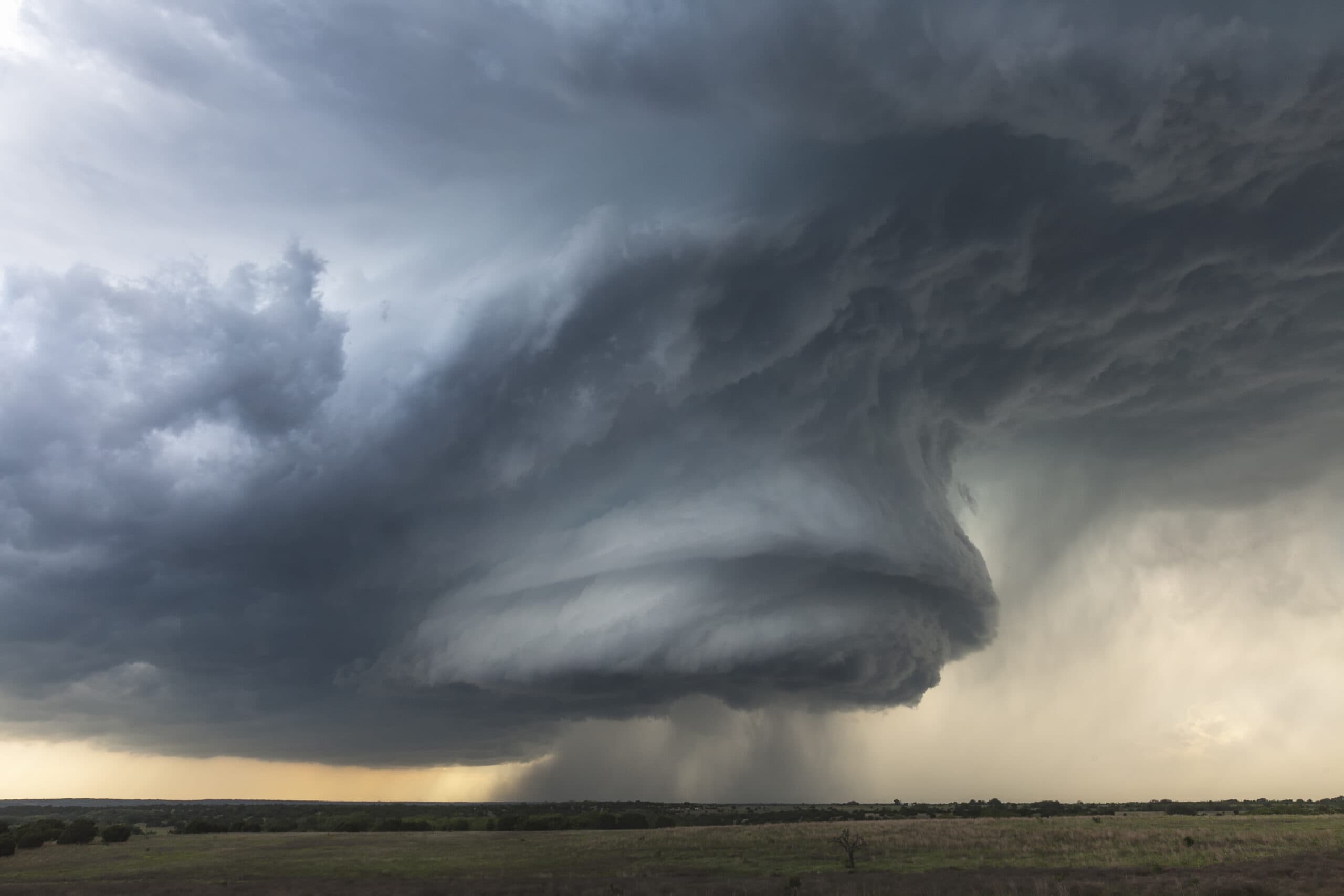
In Texas, tornadoes most frequently strike from March through the end of May. Here are some preparation and safety tips.
Tornadoes can occur any time throughout the year, but tornado season (AKA when the highest number of outbreaks occur) in Texas typically stretches from March until the end of May. They also strike more often here than they do in other states, and sometimes there isn’t much warning between when they’re forming and when they’re touching down. Learning how to prepare for tornadoes and keep yourself safe when they hit could be the thing that saves your life.
The main thing to remember is that finding shelter is essential. Basements and underground areas are the best options, but if these aren’t available, an interior room built to withstand the winds caused by a tornado is a close second. Closing all the doors inside your home, as well as your garage door, also gives you a better chance of safely withstanding the storm.
Rick Smith works for the National Weather Service at its Norman, Oklahoma forecast office. As its warning coordination meteorologist, he’s well-versed in the best methods for survival. He said if you’re unable to get below ground into a basement or similar room, “your goal is to put as many walls and barriers between you and the outside as you possibly can” when you’re above ground.
This includes using couch cushions, mattresses, and anything sturdy to protect you and your family from debris. Smith also recommended putting on bicycle helmets to keep your heads safe and to make sure you keep them accessible so you know exactly where they are when the tornado strikes. Car seats can serve as protection for younger children, and Smith said to keep those inside too in case of an emergency.
For those living in mobile homes, staying inside isn’t an option due to the structural nature of the home. If you’re able to seek shelter nearby at a larger, sturdier building, do that. If you don’t have that option, lying flat in a ravine or ditch will be safer than trying to hunker down inside your house.
If you’re given enough warning before the tornado strikes, Smith said it’s important to make sure you’re prepared for the aftermath, too. Wear long pants and reliable, sturdy shoes because this will help you better navigate the terrain when there’s debris, downed power lines and trees, and other destruction in your path.
Emergency kits should be packed in advance and include things like nonperishable food items (canned goods are great), drinking water, and a first aid kit.
What’s the difference between a tornado watch, warning, or emergency?
Another essential in tornado preparation is investing in a weather radio, and signing up to receive alerts from community warning systems through your cell phone. The National Oceanic and Atmospheric Administration (NOAA) Weather Radio and the Emergency Alert System (EAS) both issue emergency alerts in the event of a tornado. Learn what the warning siren tone sounds like for your area of Dallas-Fort Worth, and keep an eye on weather reports to see what might be forming and when.
Rick Smith said having a weather radio in Texas is particularly valuable since tornadoes commonly strike at night. The radio “can wake you up in the middle of the night with the alarm,” which allows you to get up and shelter before the storm touches down. Having more than one alert system is preferable, so your cellphone and a radio will do the trick.
In terms of what each alert means, there’s a difference between a tornado watch, emergency, and warning. A tornado watch means that weather conditions could lead to the formation of a tornado, so stay alert and make sure you can receive warnings on a phone or radio in case things take a turn for the worse. This is also a good time to prep your home, grab your helmets and car seats, and get your emergency kits ready.
A tornado warning means that a tornado is either showing up on the weather radar or it’s already been sighted in your area. When this happens, you must take shelter right away to stay safe. Tornado emergency means there is an immediate threat to human life and property that has been confirmed by multiple sources. It’s the rarest of these alerts but the most significant.
The weather radio, NOAA, and EAS systems will indicate whether it’s a watch, warning, or emergency so you know what to expect in advance.
How to stay safe if you’re in a vehicle when a tornado is approaching
As a last bit of advice, if you’re stuck in a vehicle when a tornado strikes, your best option is to try to find any building nearby you can shelter in when the storm passes. Do not stay inside your car if a tornado is approaching. Rick Smith said you unfortunately “don’t have a lot of good options at that point,” but your priority is to “try not to get caught in that situation.”
If there isn’t a building in sight, get out of your car and lie flat in a ravine or ditch and cover your head. NOAA says the goal is to “safely get noticeably lower than the level of the roadway,” so places like overpasses seem good in theory but actually put you at equally high risk.
During situations where you simply do not have enough time to get out of the car and seek safer options before the tornado hits, here’s what you need to do:
- Park the car immediately
- Keep your seatbelt on
- Try to get as low as you can/at least lower your head so it’s further away from the windows
- Cover yourself with whatever you have handy, like a jacket or a blanket
Keeping an emergency kit in your vehicle is also a good idea. That way you have access to what you need if you’re caught in your vehicle during a tornado.