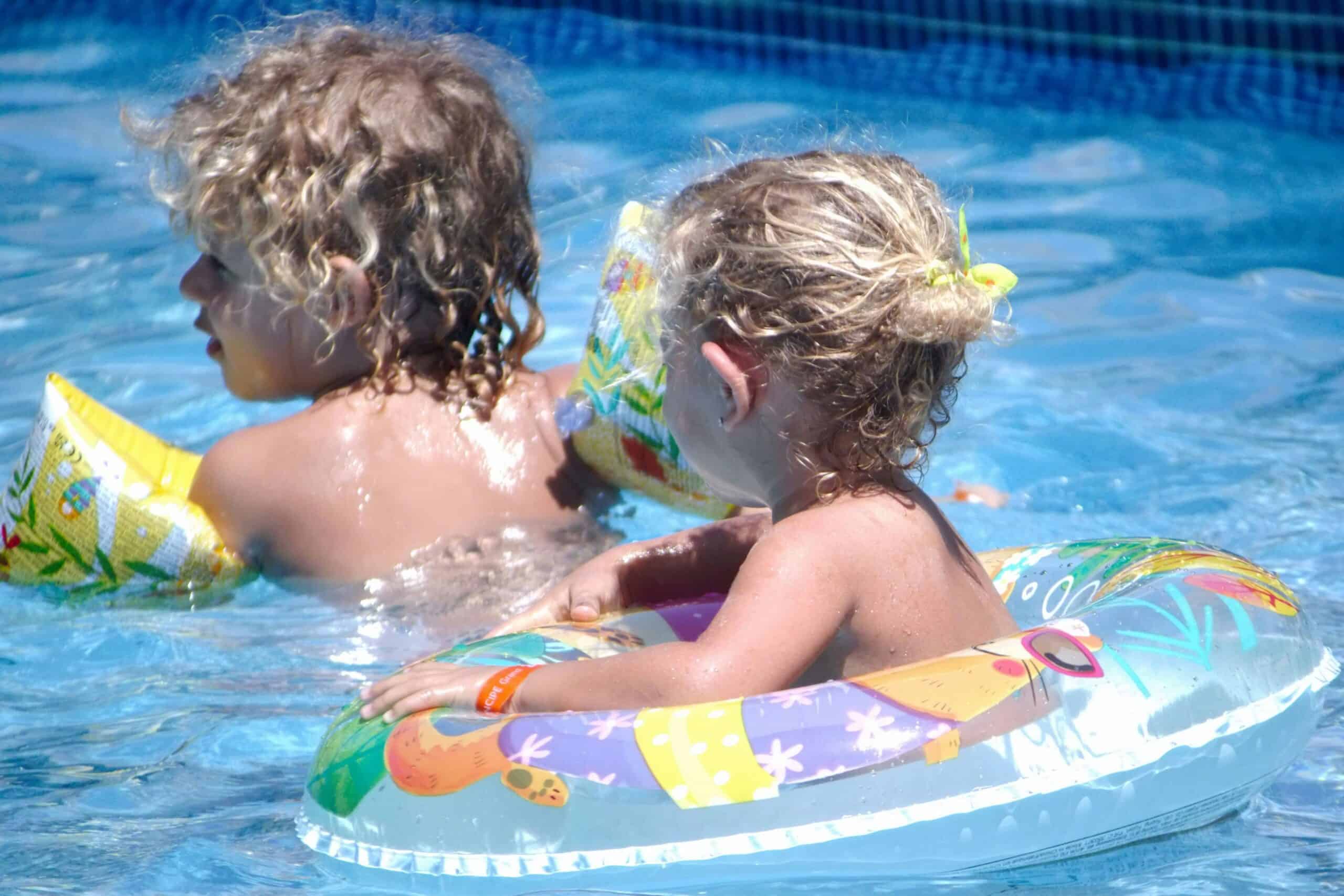
Learning water safety techniques in advance can prevent child drownings. Here’s everything you need to know.
Thirty eight children have drowned in Texas in 2026. Of those, seven were from Fort Bend and Harris County. According to information gathered by the Texas Department of Family and Protective Services, those two counties recorded 18 child drownings combined in 2025. Now, the YMCA is advocating for more water safety awareness as summer outings ramp up across the state.
Jeff Ives is a swim instructor who recently led lessons at the outdoor pool located at the Fort Bend Family YMCA. He emphasized the importance of teaching kids how to swim early so they have the knowledge needed to protect themselves in water. “We want that adaptation to the water to where they can save themselves if they are in trouble,” Ives told Houston Public Media.
He’s been participating in a string of events, The World’s Largest Swimming Lesson, held at YMCAs throughout the greater Houston area. Geared toward children of all ages, these lessons teach parents and kids valuable skills they need to know, like how to lie on your back while keeping your chin elevated to maintain the steady stream of oxygen needed to achieve natural buoyancy. Ives also teaches kids how to gradually become comfortable with putting their faces in the water.
For those unable to make it out to one of the upcoming World’s Largest Swimming Lesson dates, Ives has some general pointers to follow at home. “My advice to all parents is to teach their kids in the bathtub before they put any soap in the water, allow them to play in the water.” He added, “Get their eyes wet, wash the water away from their face, and then they’ll be more acceptable to the water.”
Ives believes one of the best and easiest ways to avoid putting children in life-threatening circumstances is by teaching them how to swim properly, even if parents themselves don’t know how. “What is really surprising is how many adults don’t know how to swim, so they don’t end up teaching their kids. So we want to bring that to the community, to learn how to adapt to the water,” Ives said.
Water safety tips for pools and beaches
Water safety takes many forms, from keeping your kids safe in the bathtub to making sure they know the right rules when it comes to swimming in pools, lakes, and the ocean. The American Red Cross has numerous video lessons available for parents to watch with their children—each is labeled for the appropriate age level, such as Grades K-2 or Grades 3-5. Click here to access those free videos.
For general rules to teach your children to follow at the swimming pool, SafeSplash Swim School recommends the following:
- Always tell an adult you’re going to the pool
- Refrain from running near the pool
- Wear flotation devices and/or safety equipment as needed
- Immediately tell an adult if one of your friends falls into the pool or is struggling to swim — don’t attempt to save your friend yourself
- Don’t jump on your friends while in the water
- Make sure you look before you dive in
- Don’t push anyone into the water
- Don’t try to reach for anything that has fallen into the pool — ask for help if you want to retrieve a ball or toy
In terms of beach safety, it’s important to remind kids to stay close to lifeguards and to swim between lifeguard flagged areas only. Additional tips include:
- Waves can knock you over if you turn your back to them, so be sure to face them at all times
- Make sure you frequently check in with an adult by waving to them from where you are in the water
- Stay in the shallow water/don’t go any deeper than you’re supposed to
Parents are equally responsible in these situations, which means you either need to always keep an eye on the kids yourself or have a designated adult who can do so. Stay alert and refrain from scrolling on your phone or engaging in any other distracting behavior. It might not seem like a big deal to take your eyes off the children for a few seconds or minutes at a time, but those few seconds can make all the difference.
If you don’t know CPR, now would be the time to learn. This link has a step-by-step breakdown of how to perform it properly on babies and children. For additional water safety tips to incorporate both at home and out in the world, click here.