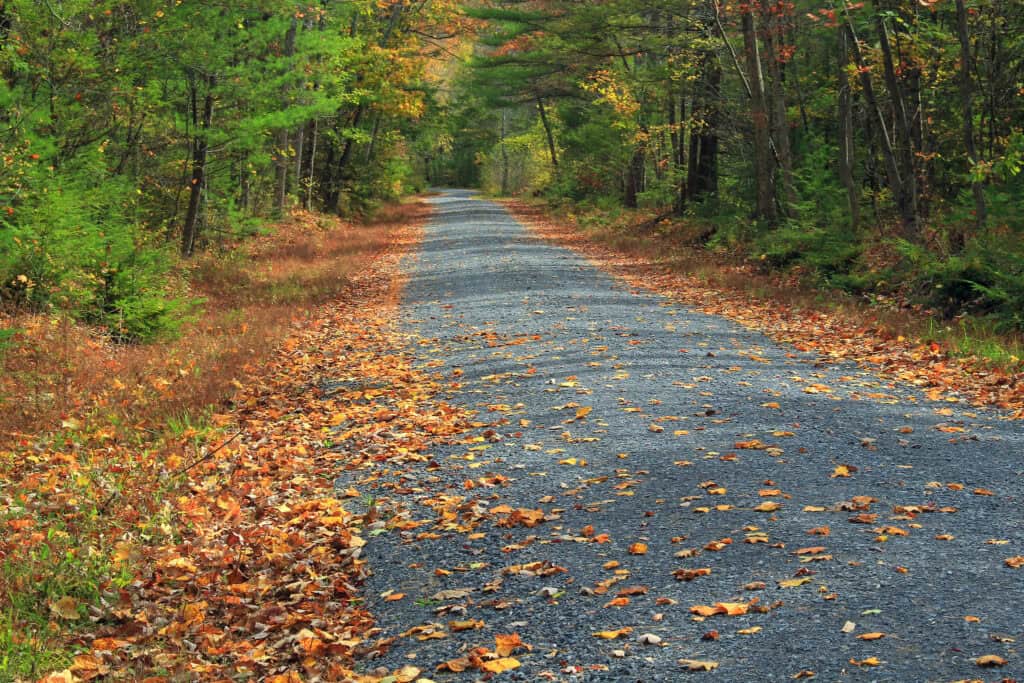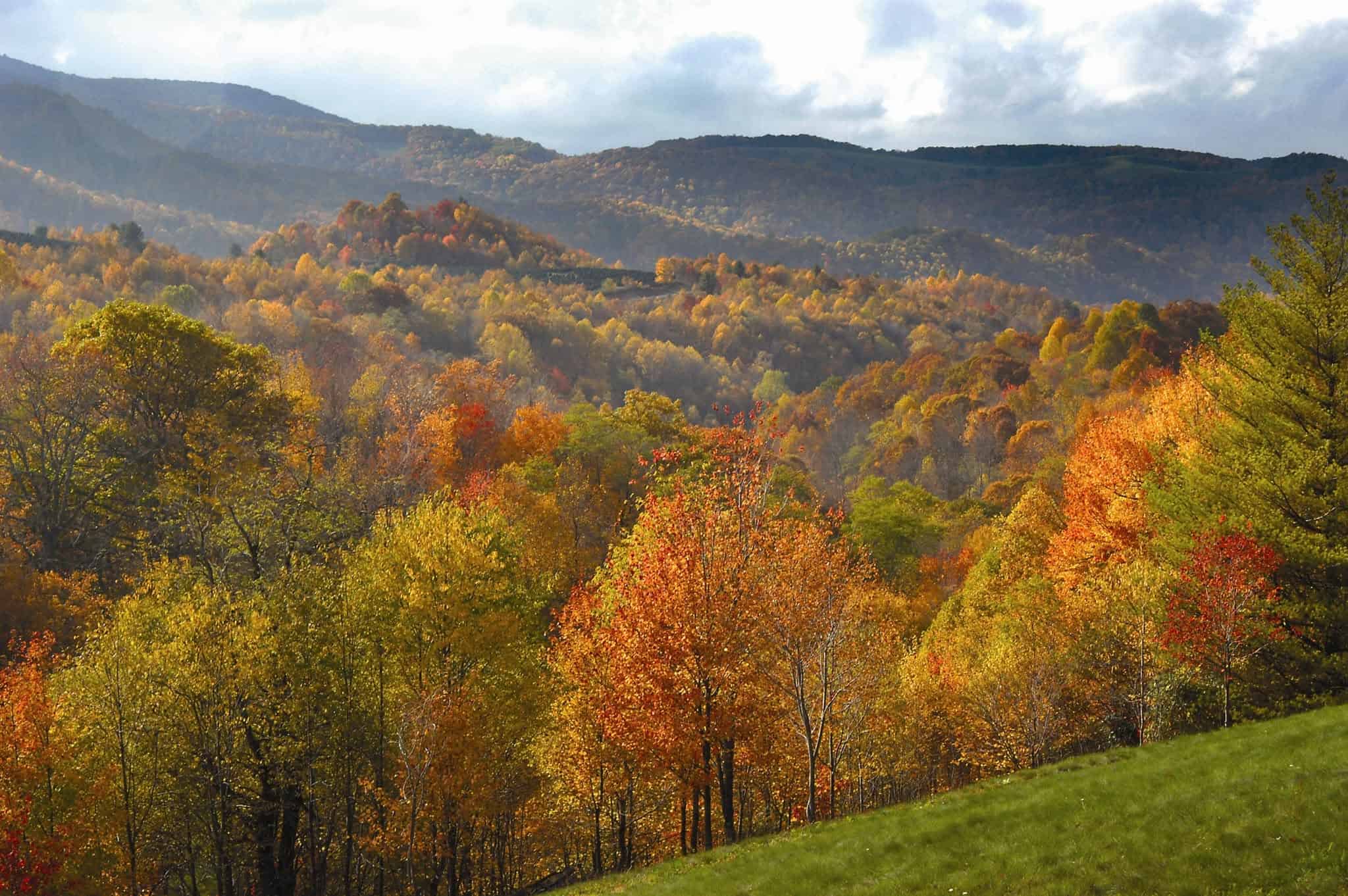
Enjoy dispersed camping at these scenic sites in Virginia.
In the modern world, there are few opportunities to truly unplug and relax, with camping being one of them. However, camping at established sites doesn’t always give you the opportunity to experience all that nature has to offer, like wide-open spaces, natural sounds, and breathtaking views.
This is where dispersed camping comes in. It allows you to set up camp in undeveloped areas where you’re surrounded by nothing but nature.
Luckily, Virginia has its fair share of dispersed camping sites. Here’s where you need to head for the most scenic places to pitch your tent.
National Park Service
The National Park Service offers wilderness and backcountry camping at several sites in Virginia, including the George Washington and Jefferson National Forests, Shenandoah National Park, and Prince William Forest, where you can hike deep into nature and set up camp wherever you’d like.
George Washington and Jefferson National Forests
Location: Alleghany, Amherst, Augusta, Bath, Bedford, Bland, Botetourt, Carroll, Craig, Dickinson, Frederick, Giles, Grayson, Highland, Lee, Nelson, Page, Pulaski, Roanoke, Rockbridge, Rockingham, Scott, Shenandoah, Smyth, Tazewell, Warren, Washington, Wise & Wythe counties
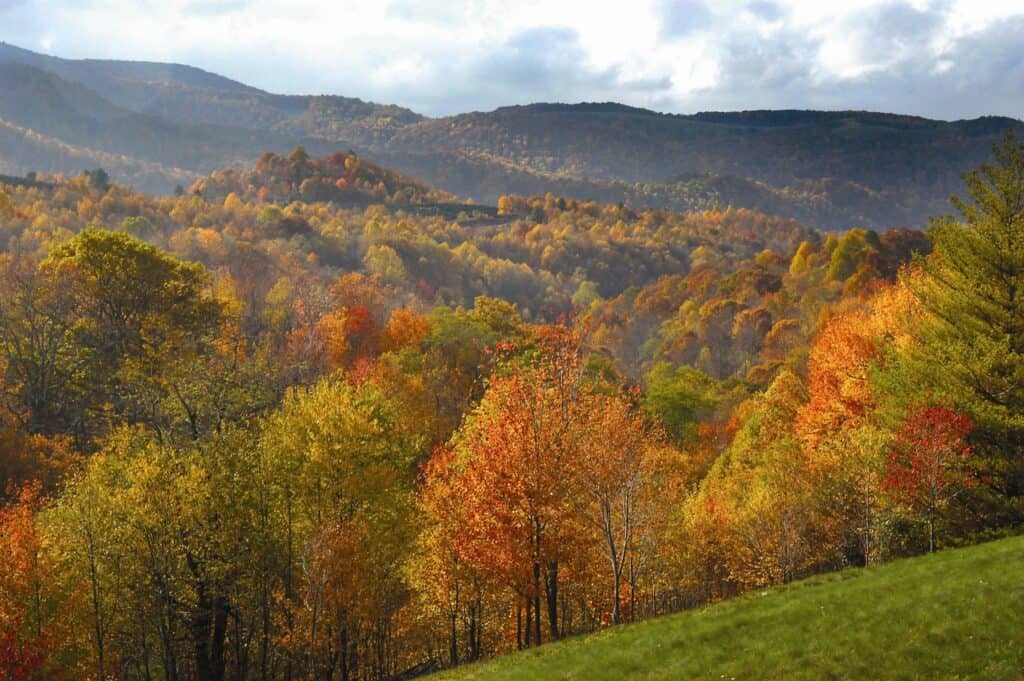
With 1,664,110 acres in Virginia, George Washington and Jefferson National Forests offer tons of opportunities for dispersed camping. Camp near a peaceful stream or on the edge of a sprawling meadow.
Dispersed camping is allowed for up to 14 days in one location.
Keep in mind that dispersed camping isn’t allowed near recreation areas like campgrounds and trailheads. The sites with clearings suitable for camping can be found along Forest Service roads.
The Forest Service encourages campers to look for previously used sites to avoid impacting plants and wildlife. Camper impact can also be minimized by setting up tents on bare soil. If you want to start a fire, start your own in an existing fire ring.
Shenandoah National Park
Locations: Warren, Page, Rockingham, August, Rappahannock, Madison, Greene & Albemarle counties
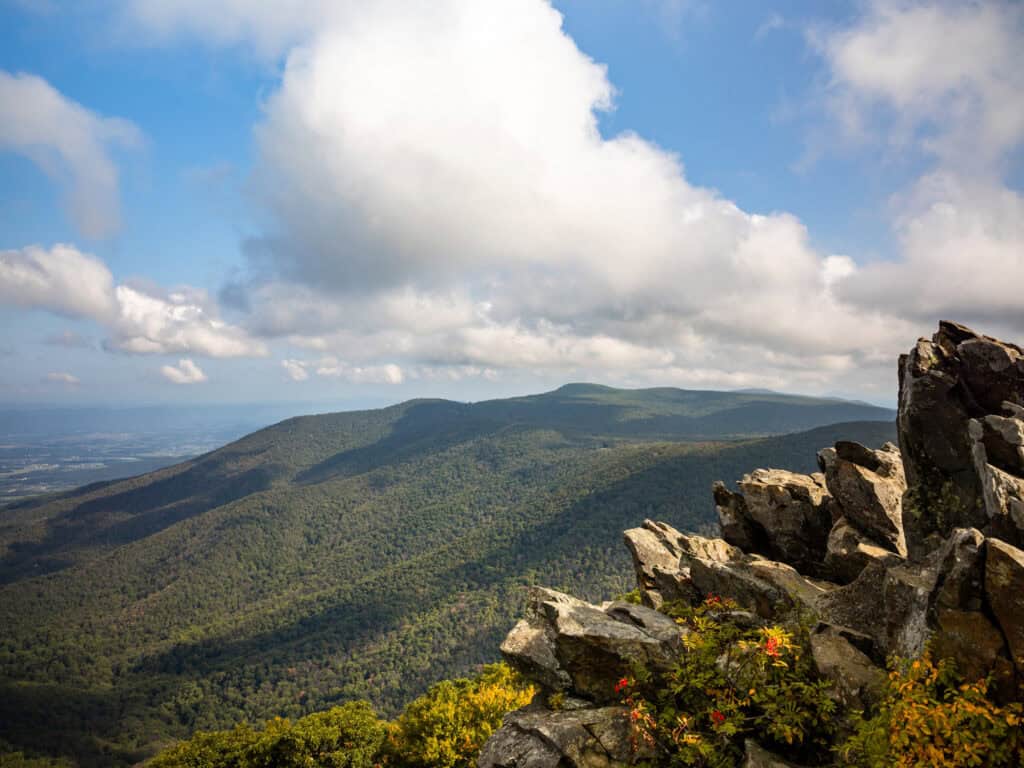
Backcountry camping is permitted on Shenandoah National Park’s more than 196,000 acres. Explore more than 500 miles of trails to find a camping spot that suits you. The park offers tons of scenic spots to camp, including near waterfalls, vistas, fields, and hollows.
The park encourages campers to look for pre-existing campsites established by prior visitors. While not posted or signed, they’re more likely to offer a comfortable place for the night than trying to make your own campsite.
When picking your site, ensure it’s 10 yards from water sources, 20 yards from a trail, and 0.25 miles from paved roads. Additionally, campfires are not permitted in the backcountry.
Make sure you purchase an overnight permit through recreation.gov. Remember that you aren’t allowed to spend more than two nights at the same campsite or more than 14 consecutive nights in the backcountry.
Prince William Forest
Location: Prince William County
Prince William Forest is a great camping destination for those in Northern Virginia looking to escape the quick pace of modern life for a day or two.
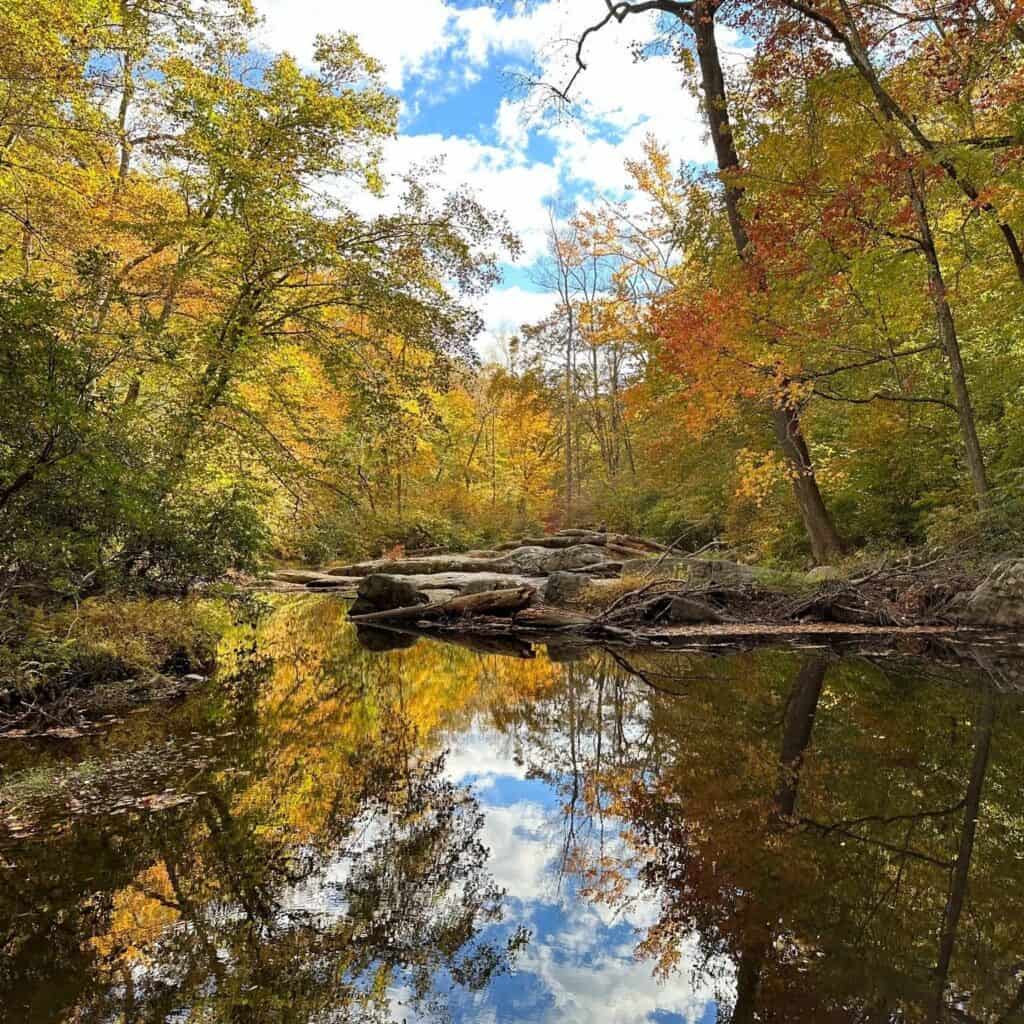
While the forest doesn’t specifically offer dispersed camping, it does have the Chopawamsic Backcountry Area for those looking for a more immersive experience. The area consists of eight primitive camping sites with a two-tent limit, so it won’t be too crowded. Views of Chopawamsic Creek are available in the area.
Permits can be obtained at recreation.gov.
Wildlife Management Areas
Primitive camping in non-established sites is offered at select Virginia Department of Wildlife Resources Wildlife Management Areas ranging from the coasts of the Eastern Shore to the peaks of the Blue Ridge Mountains.
Camping in most areas is allowed year-round, but keep in mind that fires are only allowed from 4 p.m. to 12 a.m. from Feb. 15 to April 30. Make sure you sign up for the free camping authorization.
Amelia Wildlife Management Area
Location: Amelia County
Find a place to camp along the beaver swamps of the Appomattox River or among bottomland hardwoods within the 2,217 acres that make up the Amelia Wildlife Management Area.
After setting up camp, go fishing for dinner in the 100-acre Amelia Lake. With a high largemouth bass density, you’re likely to have a hearty meal.
Briery Creek Wildlife Management Area
Location: Prince Edward County
Camp in the rolling terrain that is characteristic of the Briery Creek Wildlife Management Area, where the Briery and Little Briery creeks form an 845-acre lake. The area is quite wooded with a diverse mix of hardwoods and pines.
The area is the ideal campsite for birdwatchers given a variety of birds, like ospreys, bald eagles, and waterfowl, flock to the lake.
Cavalier Wildlife Management Area
Location: Chesapeake
Explore the southeastern corner of the commonwealth by camping at the Cavalier Wildlife Management Area. Spanning 3,800 acres along the North Carolina state line, the area was once part of the Great Dismal Swamp.
With both coastal and forested habitats, it offers a diverse scenic backdrop for a camping trip.
Clinch Mountain Wildlife Management Area
Location: Smyth, Russell, Washington & Tazewell counties
With a massive footprint of 25,477 acres in the highlands of Southwest Virginia, the Clinch Mountain Wildlife Management Area is the most biologically diverse of the commonwealth’s wildlife management areas. The diversity is caused by the area’s extreme differences in elevation, ranging from low-lying narrow valleys to high mountain peaks. There’s also a 330-acre man-made lake.
Those camping in the area have a range of scenic options to choose from.
Gathright Wildlife Management Area
Location: Bath County
Hike through the Allegheny Mountains where Virginia and West Virginia meet to find a remote place to set up camp in Gathright Wildlife Management Area where all you can hear are birds and the steady trickling of streams.
Keep an eye out for wild turkey, as the turkeys from the area were used to spark wild turkey restoration efforts in North America. Depending on where you position yourself, you may get a glimpse of Lake Moomaw, which divides the area into two separate tracts.
Havens Wildlife Management Area
Location: Roanoke County
Relax in the solitude of the Appalachian high country by camping in Havens Wildlife Management Area. Surprisingly, 95 percent of the 7,190-acre area is forested. The area is situated on part of Fort Lewis Mountain, so the terrain is rugged, going from 1,500 up to 3,200 feet in elevation.
Horsepen Lake Wildlife Management Area
Location: Buckingham County
Located in the middle of the commonwealth, Horsepen Lake Wildlife Management Area’s 2,910 acres offer plenty of scenic campsite options, ranging from rolling hills along streams and beaver ponds to lakeside forests and clearings that are wildlife magnets.
The area’s trails are well-established and maintained, making hiking in and out easy.
White Oak Mountain Wildlife Management Area
Location: Pittsylvania County
Situated on a plateau, White Oak Mountain Wildlife Management Area offers 2,748 acres of mostly forested land that is ideal for a camper looking for a peaceful place to spend a night or two. The area is dotted with small ponds, which offer plenty of opportunities for campers looking to enjoy a largemouth bass or bluegill dinner.
Virginia State Parks
While most Virginia State Parks offer traditional campsites, some also allow primitive camping, so you’re able to hike in and pitch your tent surrounded by nothing but nature. False Cape, Caledon, and James River state parks are ideal primitive camping destinations if you’re looking for scenic backdrops.
False Cape State Park
Location: Virginia Beach
One of the few remaining undeveloped stretches of land along the Atlantic coastline, False Cape State Park offers plenty of opportunities for beachfront camping. The 4,321-acre park includes 5.9 miles of beachfront.
Although very scenic, the primitive camping areas require a 3 to 6-mile hike, so plan to get an early start.
Caledon State Park
Location: King George
Birdwatchers will enjoy camping at Caledon State Park, where its old-growth forest is home to large populations of American bald eagles. The Potomac River also offers a scenic backdrop, especially at sunrise and sunset.
Those camping should be prepared to hike, bike, kayak, or canoe 3 miles to reach the primitive sites.
James River State Park
Location: Buckingham County
Nestled in the foothills of the Blue Ridge Mountains, James River State Park offers primitive camping with plenty of privacy along 3 miles of the James River.
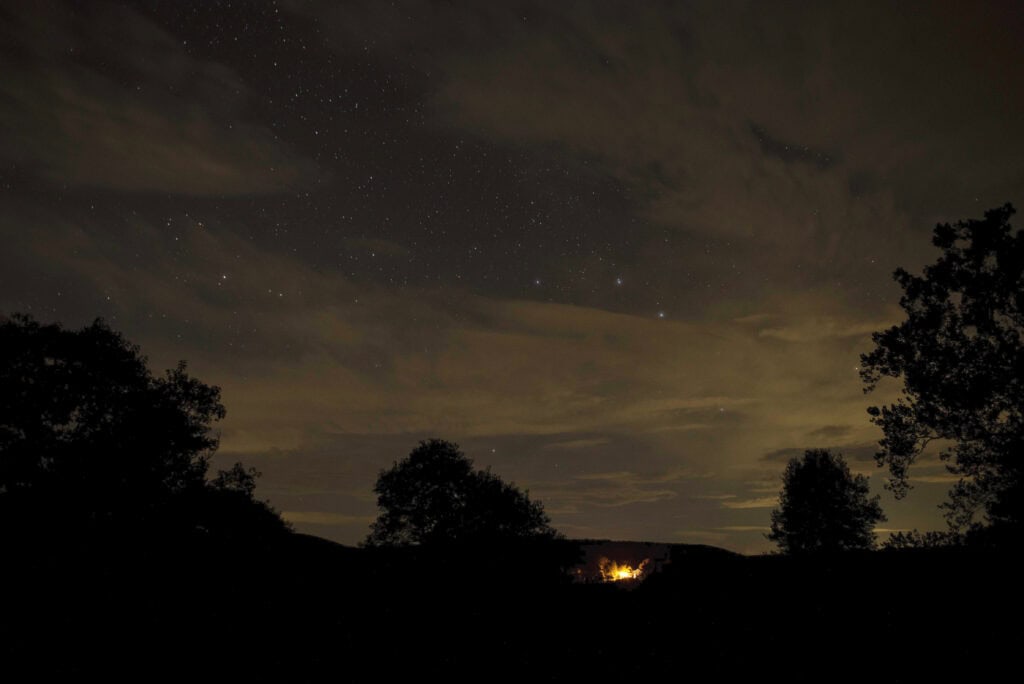
Given there’s enough room to spread out in the 1,561 acres and a lack of light pollution, the park is ideal for stargazing. In fact, it’s been an International Dark Sky Park since 2019.