Bluebonnet season may be a little more “varied” this year in Texas. Here’s what you need to know.
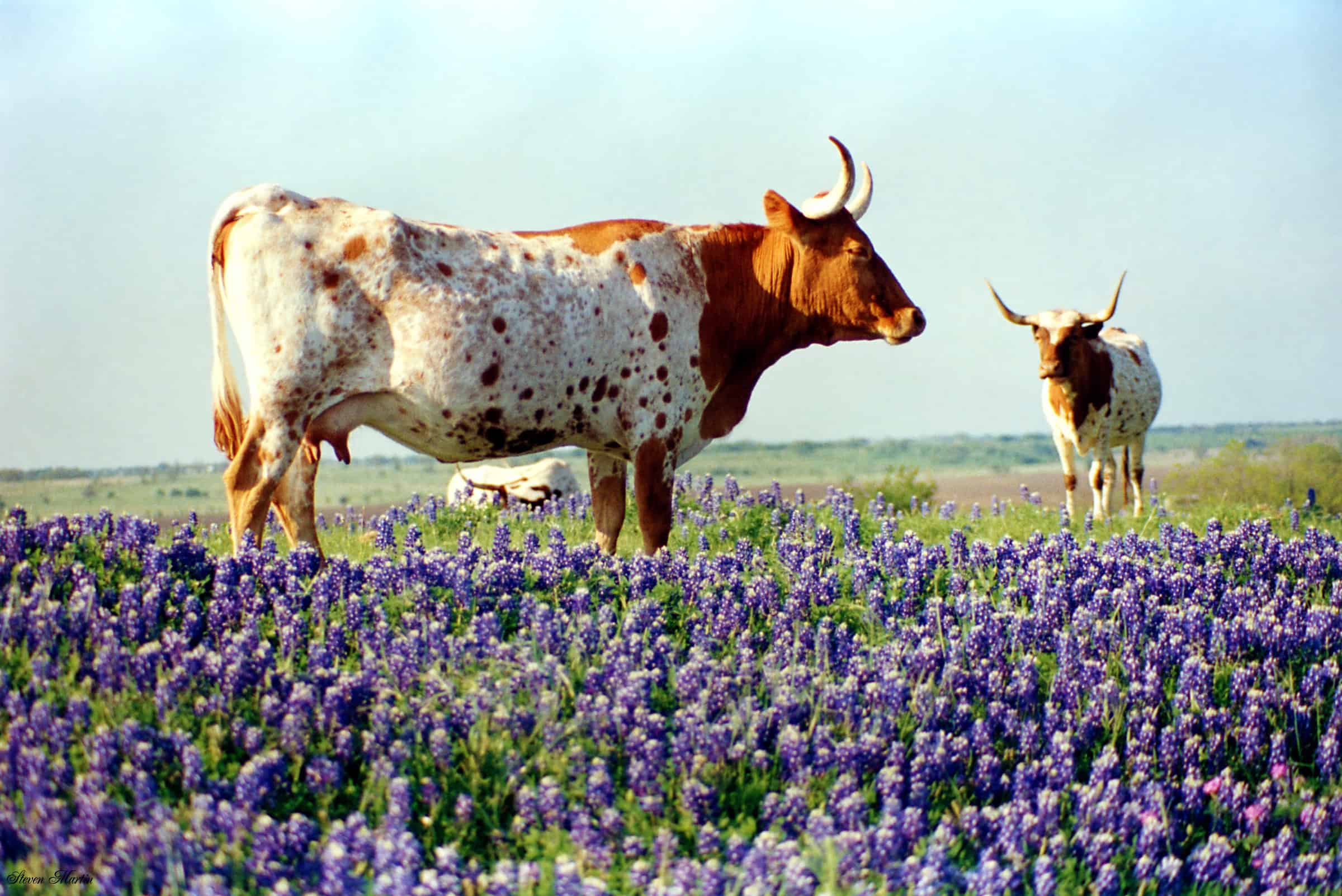
The 2026 bluebonnet season may be a little more sparse this year than others, according to a recent report from Austin’s Lady Bird Johnson Wildflower Center. Its wildflower forecast stated that Texans can expect a “varied season for blooms,” with some areas struggling to see prosperous buds due to an unseasonably dry fall and winter in places like Hill Country that typically see an abundance of flowers. Bluebonnets, like other wildflowers, are influenced by microclimates. Given that the state is seeing a continued drought and uneven rain, these things impact how seeds are germinated (i.e. how they’re spread).
You see, bluebonnets are pretty dependent on the moisture accumulated from autumn rainfall to spread and sprout throughout the winter before erupting into full bloom during the spring. Since it’s been really dry, these tiny seedlings haven’t had as much of an opportunity to travel and nestle into the side of the road as they have in previous years. Despite this varied upcoming season, though, it looks like the early part of spring will be the most heavily impacted, with bluebonnets still holding onto the potential for late spring/early summer blooming. Or, as the Lady Bird Johnson Wildflower Center put it, they’ll “have more room to flourish” then, making for some striking displays a little later than usual.
You’ll still be able to see bluebonnets across the state
Lady Bird Johnson Wildflower Center’s horticulture educator, Andrea DeLong-Amaya, reassured Texans that they’ll still be able to see bluebonnet fields across the state this year despite ongoing droughts. “We may just have to look a little harder for bluebonnets on the side of the road this year in many locales. We’re hopeful for more spring rain to bring out the later-blooming flowers. Bluebonnets are great, but the show gets even better as the spring season progresses,” she said. DeLong-Amaya added, “I’ve never seen a year where nothing is blooming. That just doesn’t happen. We can always expect some spring wildflowers.”
Apparently bluebonnets tend to retreat after making their initial appearance in early spring, but the state’s wildflower isn’t the only one expected to bloom around here. Once rainfall picks back up, an array of black-eyed Susans, purple horsemint, and firewheel will start to sprout up, too. And if you want to make sure you see bluebonnets, they’ll be on display at the Wildflower Center. Horticulturists and volunteers carefully tend to these delicate flowers and nurse them into being each year, and they’re committed to doing it again in 2026.