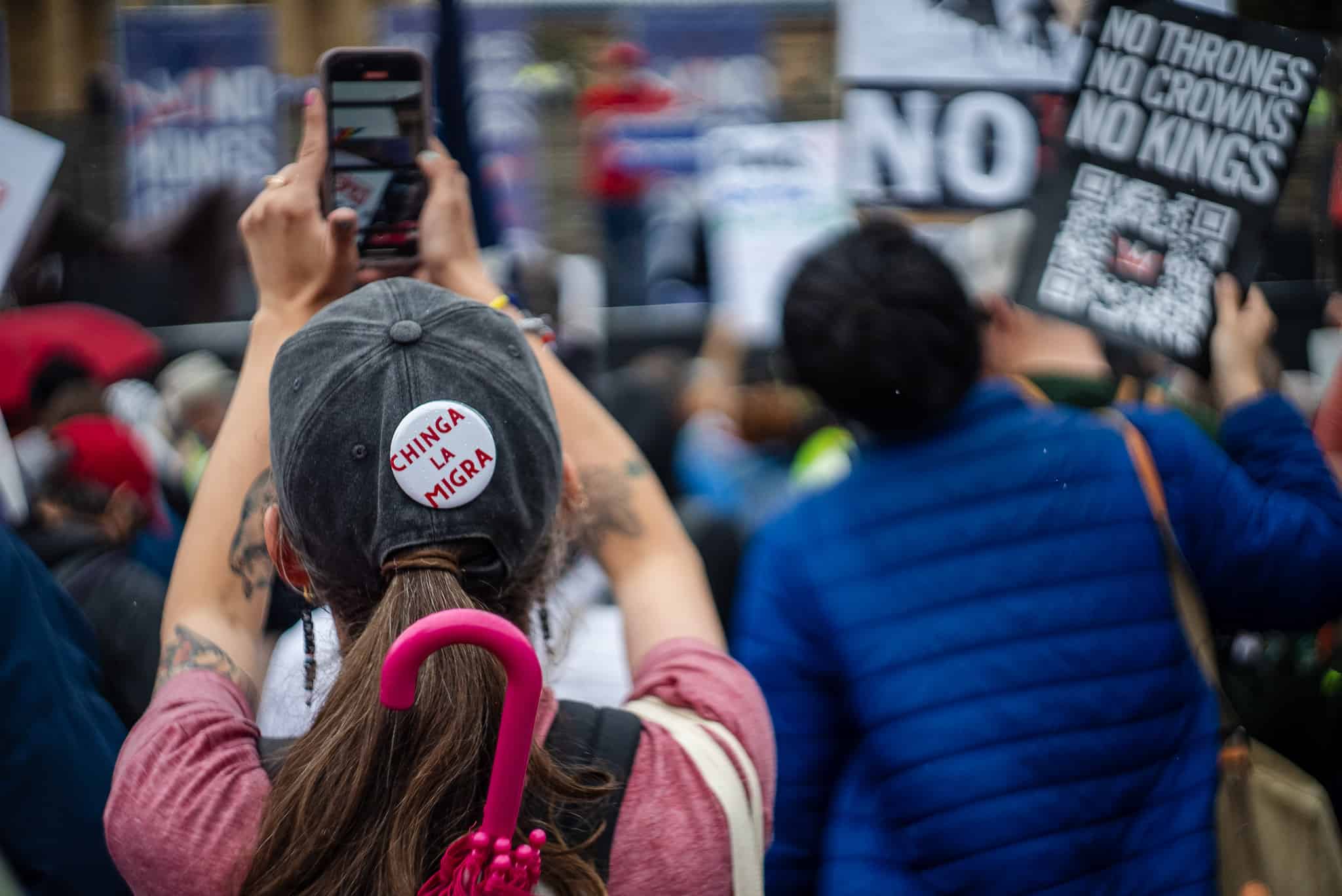
Here’s what to know about keeping yourself safe while making your voice heard by protesting in Pennsylvania.
Protesting is a time-honored tradition with a long history of challenging established power structures and pushing for change. Public protest can shift social norms, influence public opinion, and pressure decision-makers to change policies. From labor strikes to civil rights marches, demonstrations have played a role in movements for racial justice, voting rights, shorter workdays, and even American independence.
Pennsylvania itself has a long legacy of protest, from labor organizing in the coal mines of the past (as well as the streets of today) to civil rights actions and the movement for women’s rights. And that legacy continues: Over just the past few years, tens of thousands of people have protested in Pennsylvania’s cities and small towns alike.
Joining a protest is one of the most powerful ways you can take action about an issue you care about. But if you’re planning to join a protest, it’s important to understand your rights and how to keep yourself and your community safe.
Here’s what to know about protesting in Pennsylvania.

Know your rights
The First Amendment protects peaceful protest as a form of political expression. But the government can (and does) place certain content-neutral restrictions on demonstrations to promote public safety.
The American Civil Liberties Union has published extensive resources on protesters’ rights that can help you understand what you are allowed to do, especially if you interact with the police.
While you have a right to free speech, there are limits. For example, speech that encourages imminent violence or harm to people or property is not protected. You can also be arrested for blocking access to businesses or obstructing public roads.
Local governments often require permits for protests that block access to sidewalks or streets, though permit rules and requirements vary by municipality.
What should I bring with me to a protest?
Make sure you are prepared when you attend a protest.
Here’s a list of items you may want to bring with you, especially to be safe if anything goes wrong:
- A friend! Bring a “buddy” so you can keep each other safe. Make sure you have a plan for where to meet in case you’re separated.
- A full water bottle to stay hydrated. Water is also helpful in case you need to flush your eyes or someone else’s from contact with tear gas.
- Snacks to keep yourself energized.
- Wear contact lenses? Don’t wear your contacts to a protest—glasses are much better if there’s a chance you’ll encounter tear gas.
- Comfortable shoes for walking, marching, or standing for long periods.
- Sunscreen or other sun protection.
- Any medications you will need.
- A phone number for an emergency contact. You may also want to bring a marker to write the number on your skin if you are detained.
- A fully charged cell phone and a backup power bank. However, know that your cell phone could be taken if you are detained by police—but there are steps you can take to protect your data.
- A sign! You don’t need a sign to join a protest, but you can make a simple protest sign with cardboard and basic markers, or a more durable one with plastic and paint markers.
Avoid bringing weapons, illegal substances, alcohol, valuables, or anything you wouldn’t want confiscated.
Ensure digital safety on your devices
Before attending a protest, ensure your phone is protected with a passcode. Disable face or fingerprint unlock features—this way, police won’t be able to force you to unlock your phone with your face or finger.
You may also want to make sure that message notifications do not show previews on your phone.
What should I do if I want to plan a protest?
If you’re interested in organizing a protest, it can be helpful to connect with people in your community who already have experience planning demonstrations, whether that’s small rallies or marches requiring permit approval from the local government. Local advocacy groups, labor unions, student groups, and other community organizations often have experience coordinating these kinds of public actions.
Experienced organizers can help you understand what’s required to protest in your local community, including whether your municipality requires permits for marches or protests that may block sidewalks or roads, and how to apply for them. They can also offer guidance on choosing the best location, communicating with attendees, and keeping everyone safe. After all, besides messaging, organizers have to consider logistical factors such as turnout, how participants will get to (and leave) the action, who will speak and audio requirements, what signs and banners to use, whether the event will involve a march or stay in one location, and how to get the word out about it.
If you’re new to organizing, you may want to get involved in a local group first to get direct experience and learn how protests are planned and coordinated. In other words, the best way to organize? Join an organization.

What to know about interacting with police
Can you record police in Pennsylvania?
Yes. You can record police when they are performing their duties in public.
Pennsylvania law generally prohibits recording people when they have “a reasonable expectation of privacy,” but that policy does not apply to police officers on duty in public.
What if police order a protest to disperse?
Police may only order a protest to disperse if they believe there is a clear danger of violence, property damage, or otherwise disorderly conduct. Even if your group is being peaceful, ignoring a dispersal order can lead to arrest for unlawful assembly.
Officers must give protesters clear instructions on how to leave and a reasonable amount of time to comply with a dispersal order. In most cases, it’s in your best interest to leave the area.
What should I do if I’m stopped by police?
Stay calm!
The first thing you should do is ask if you are free to leave, immediately clarifying whether you are being legally detained. If the officer says, “Yes,” you are not being detained, and you can walk away.
If the officer says you are not free to leave, you are being legally detained, which police can only do if they have a “reasonable suspicion” of a crime. In this case, you can ask why you are being detained or what crime they suspect you of committing.
Police do not have the authority to search your devices without a warrant. If police ask to pat you down, you can tell them you do not consent. However, do not physically resist and do not argue. Even if you know your rights, it is still possible that they may be violated.
What should I do if I’m arrested?
Remember—you have the right to remain silent and to ask for a lawyer. Don’t discuss your case or sign anything without first talking to a lawyer.
How can I protect myself if my rights have been violated?
According to the ACLU of Pennsylvania, police misconduct should only be addressed after the fact, when you are away from the people with guns.
Try to remember officer names, badge numbers, or patrol car numbers. Write them down immediately if you are able. If others have witnessed your encounter with police, get their names and contact information.