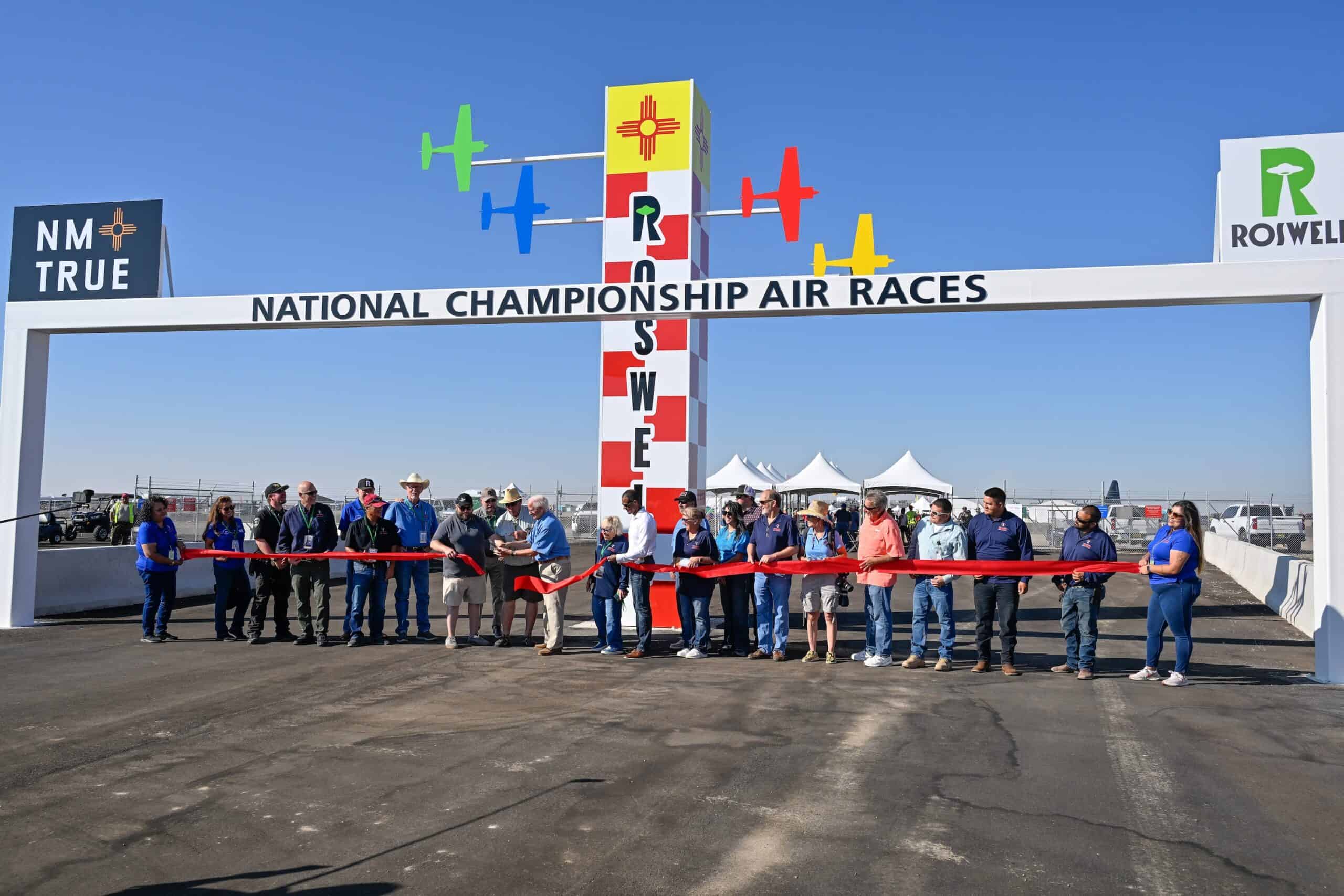
For 59 years, the National Championship Air Races called Reno home. Now, Roswell is welcoming the event for a second year—here’s why it moved and what to expect.
The National Championship Air Races return to Roswell for the 61st annual event September 16 through 20. For 59 years, the races took over the skies above Reno before making the move to Roswell for the first time in 2025. The move was sudden, but ultimately strategic, bringing one of the nation’s most iconic air racing events to a city already famous for looking toward the skies.
The inaugural Roswell event came with some growing pains, including fewer races and lower attendance than previous years, but 2026 is already shaping up to be bigger, with two additional races joining the lineup. So when you look skyward this September, don’t look for the UFOs—look for even more aircraft racing across it.
We spoke with Fred Telling, CEO and Chairman of the National Championship Air Races, about the event’s history, the decision to move to Roswell, the hiccups of the inaugural year, and what visitors can expect in 2026.
Who’s Fred?
Fred Telling began his journey with the air races as a racing pilot. In fact, he is the first CEO of the races to have been a racer—making him especially qualified to lead the fleet. From 2002 to 2012, Telling raced in the T6 class, where he was ultimately elected president in 2008. Though he stopped racing personally in 2012, he is still president of the class, and has had family and friends race his plane in the years since. One day, he hopes his daughter will race, too.
In 2017, Telling joined the board and became chairman, increasing his involvement with the races beyond his role as T6 class president. Less than a year later, in early 2018, he was announced as CEO, a position he has held for the past eight years through hurdles, successes, and all of the change that came whirring by—pun intended.
A history of pushing the limits
Air racing is nearly as old as the planes flying through the sky. As soon as people began figuring out how to build planes, they began asking what those planes could do—and who could do it fastest.
Early air races took place in Europe in the years before World War I, as aviation rapidly developed from an experimental curiosity into a viable form of transportation. The Wright brothers themselves traveled to Europe, helping spread interest in the new technology. World War I also accelerated aviation development dramatically. By the end of the war, planes were faster, more capable, and far more sophisticated than the fragile machines that had taken flight only a few years earlier.
The flighty fascination only increased through the 1920s and 1930s. Charles Lindbergh’s 1927 transatlantic flight became one of aviation’s defining moments, and air racing gave pilots, engineers, and spectators another way to see how far the technology could be pushed.
World War II pushed development even further. Aircraft became increasingly faster and more powerful, and the technology developed for military aviation eventually found its way into the racing world. But air racing has also had to reckon with the risks inherent in pushing planes past perceived limits.
In 1949, Unlimited racer Bill Odom’s P-51 lost its engine during a race and crashed into a home at the field, killing Odom and others on the ground. Following the crash, the FAA suspended Unlimited air racing. The class eventually returned in 1964, with proper precautions put in place. The races continued evolving, eventually settling at Stead Airport near Reno in 1966, becoming the event’s home for nearly six decades.
Telling, who has been attending the races as a spectator since the 80s, said organizers knew for years that the event would eventually have to leave Stead. “We knew because of the economic development that we would eventually lose our home,” he said.
Over the years, the races themselves continued to evolve.
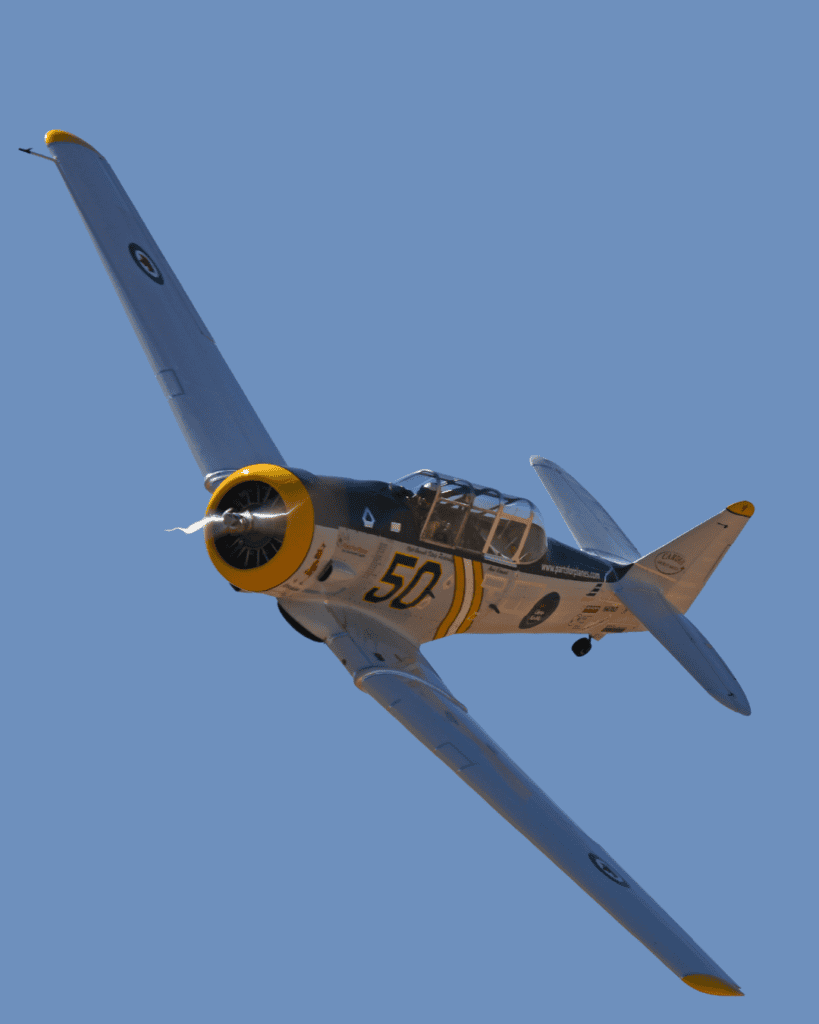
- The T6 class, which Telling raced, was added in 1968. T6 aircraft are advanced military trainers, and while they are the slowest class at the races, they are also famously loud and exciting, reaching speeds of roughly 140 mph.
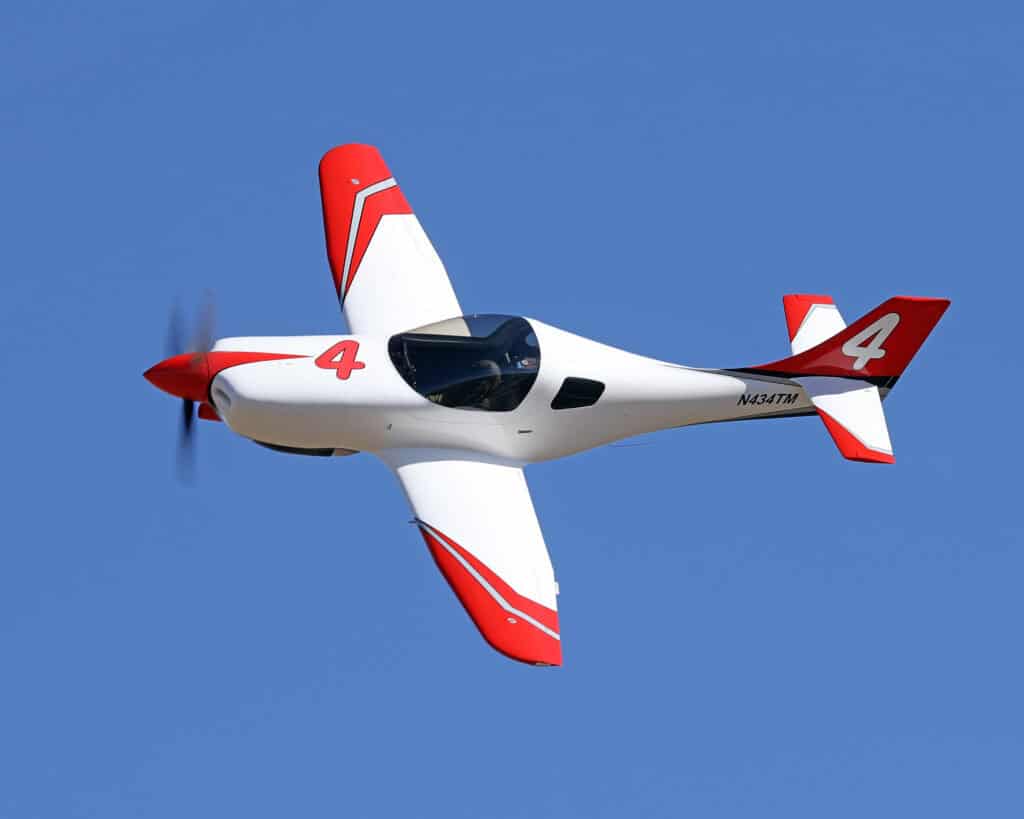
- Sport Class was added in 1998. The class features experimental aircraft, including homebuilt and kit-built planes, generally powered by 300- to 400-horsepower engines capable of speeds past 400 mph.
- Jets joined the event in 2000 (officially in 2002), and STOL—short takeoff and landing—racing was added in 2019 (officially in 2021).
Today, seven classes create an excitingly diverse spectacle. Not every class races in quite the same way. Traditional racing is about turning tightly, maintaining speed, and staying ahead of the competition. Telling puts it simply: “turn fast, turn left, don’t crash.”
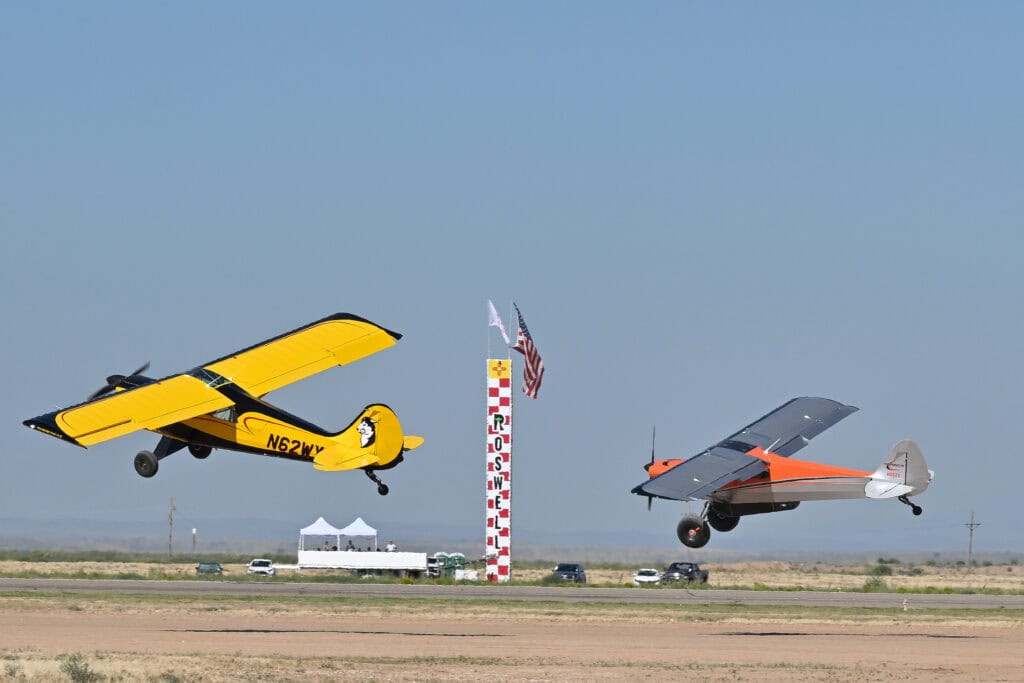
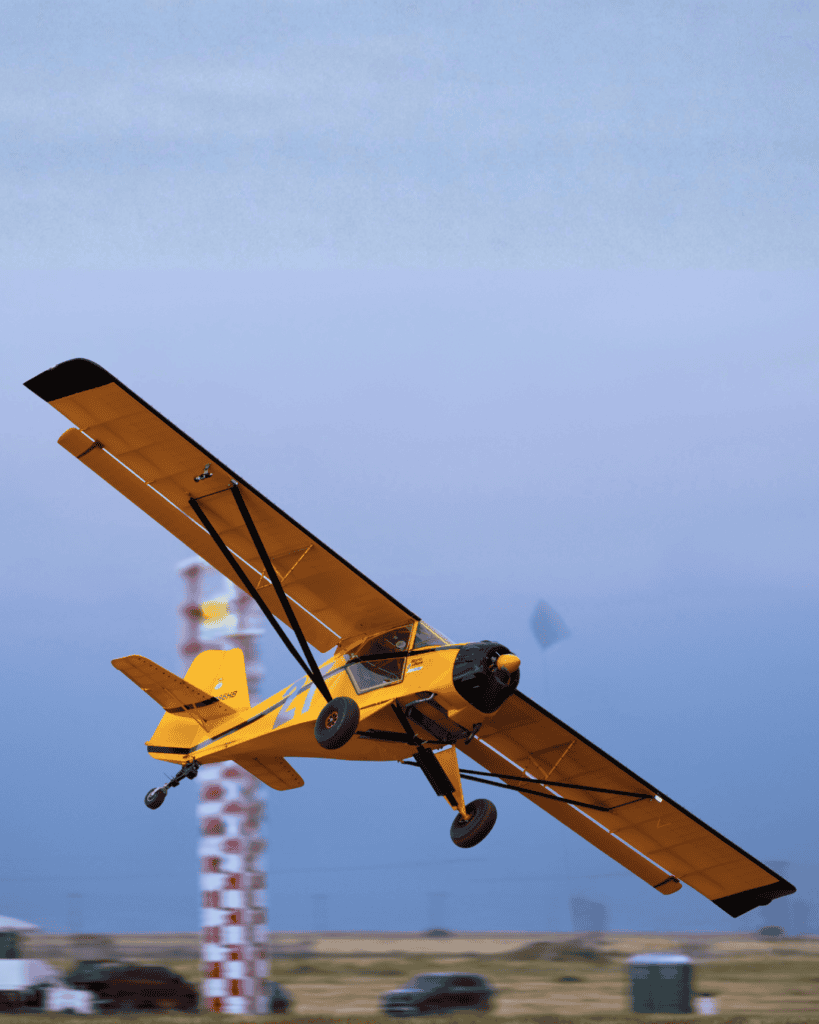
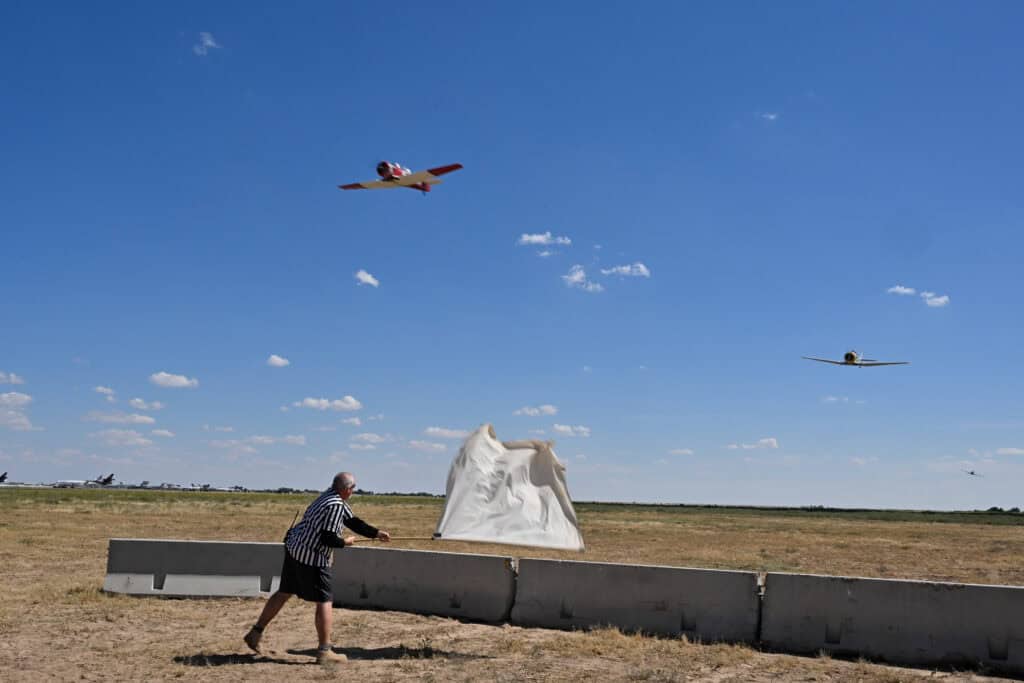
STOL is an entirely different challenge. Rather than simply racing around a course at high speed, Telling explains that he admires it because competitors must “take off, accelerate, slow down, land, turn around, repeat, all within three minutes.” The format is closer to a drag race in the sky, with aircraft competing directly against one another rather than simply against the clock.
The pilots behind the planes
There are roughly 600,000 pilots in the United States, but only about 150 FAA-certified racers are permitted to compete in the National Championship Air Races. Those racers are volunteers, and many pay for their own participation. Racing a plane can cost roughly $40,000 a year.
Sponsors help many teams, but the prize money is modest compared with the expense of competing. First-place prizes can be around $10,000, with packages varying by class. The top three receive trophies, fourth through seventh receive plaques, and prize money is distributed throughout the field.
The economics make the motivation pretty clear. “We’re not in it for the money,” explains Telling, “we’re in it for the fun.”
Why Roswell?
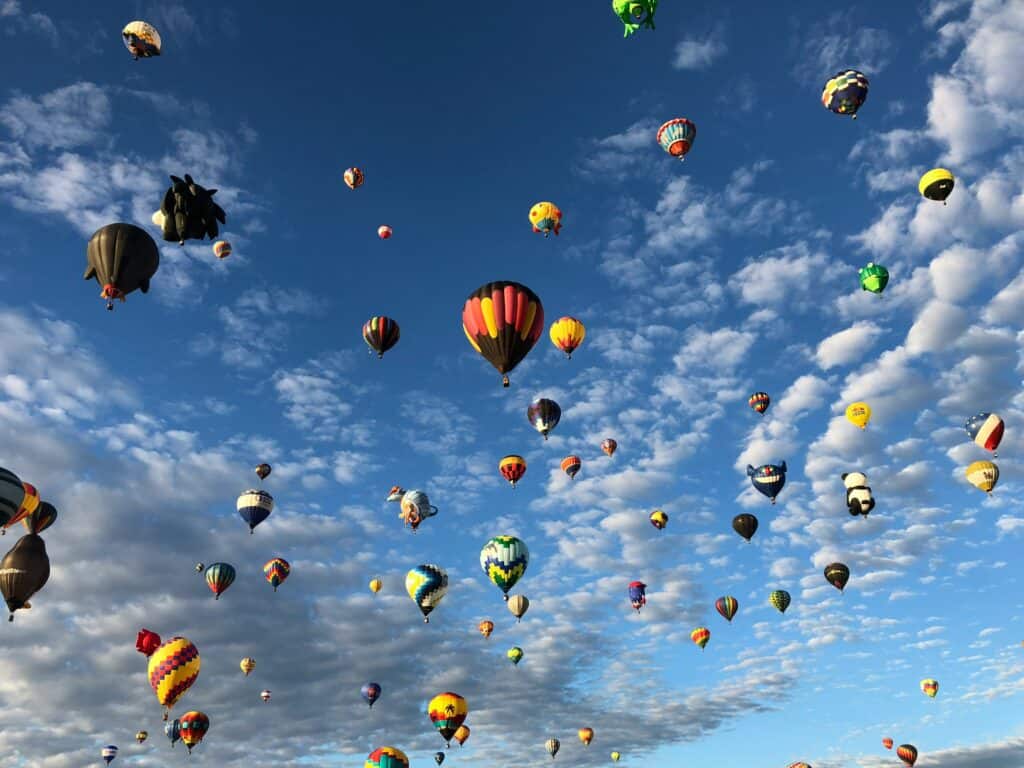
New Mexico already features the International Balloon Fiesta in October, creating a fun contrast that Telling summarizes as the “slowest races in aviation and fastest races in aviation.” The reason for moving to Roswell, though, goes much deeper than that.
In 2023, Reno officials told the air races that it was time to find a new home. The following year, the event returned to Reno as a show rather than a race, giving organizers time to make the transition. The search for a new location began immediately.
Thirty-eight cities expressed interest. Eleven participated in bidder conferences, and six ultimately submitted full responses and became finalists. Telling and other officials traveled to each location, meeting with the people who would host the event while carefully examining each location in person. The challenge was finding somewhere that could meet two standout needs.
First, the races needed a place where they could operate safely. Aircraft traveling hundreds of miles per hour cannot share airspace crowded with commercial traffic, and the surrounding terrain matters. Second, the event needed to accommodate tens of thousands of spectators. The races typically attracted around 70,000 to 85,000 people, and the 2023 event in Reno drew a record of roughly 115,000.
Unfortunately, Roswell does not have enough hotel rooms to accommodate the expected crowds. While there are some nearby campgrounds and RV parks, the nearest additional communities are more than 30 minutes away, creating a logistical challenge for visitors. However, Roswell had something the organization considered even more important: a safe place to race. Its airport, surrounding topography, lack of problematic commercial air traffic, and vast available land made it the safest finalist from a racing standpoint.
The surrounding ranchland became an important part of that equation, too. Roughly two-thirds of the racecourse crosses Brown Brothers Ranch, a generational ranch that has existed for more than a century. The ranch is held in trust, and its owners agreed to allow the races to use their property. Since the races moved to Roswell, Brown Brothers Ranch—specifically the Hollifield family—has allowed organizers to construct an emergency landing strip. That addition is particularly important in 2026 because it allows the Sport and Unlimited classes to race the full course again.
Because of its safety, willingness, and creative accommodation solutions, Roswell was officially announced as the new home of the National Championship Air Races in May 2024.
“New Mexico is an underappreciated state,” Telling shared. “We hope to change that.”
The first year in Roswell
Moving an event after 59 years in one location is challenging to say the least. In 2025, approximately 56,000 people attended the inaugural Roswell event. That was a significant drop from Reno’s record year—and even the average years—but organizers anticipated lower attendance. “We are able to sustain that,” explained Telling.
The biggest challenge was simple: There are fewer hotel rooms in the Roswell area than there were around Reno. RV parks, campgrounds, and other accommodations help fill the gap, but bringing tens of thousands of visitors to a new location takes time. The event also arrived without a national sponsor as it had in years past. As a result, the races lost money during their first year in Roswell.
For Telling, however, that loss was part of the cost of establishing a new home rather than a sign that the event could not succeed. The organization operates on roughly $6.5 million annually, with funding coming from ticket sales, sponsorships, racer fees, and public donations. The goal is to continue building attendance and sponsorship support while making the event financially sustainable in its new home.
“We’re committed to keeping this iconic racing growing,” Telling shares. “We’re hoping this will be our new home for decades in the future.”
What to expect in 2026
The second year brings some important changes. All seven race classes are scheduled to return, including Sport and Unlimited, which can once again race with the additional safety provided by the emergency landing strip at Brown Brothers Ranch—if you know them, be sure to say thanks, as these race classes are exciting! The skies above Roswell will also host some familiar military aircraft and demonstrations.
The U.S. Air Force Thunderbirds are scheduled to perform Friday, Saturday, and Sunday. A B-52 bomber is also scheduled to participate, while the Commemorative Air Force will bring FiFi, the world’s only flying B-29 Superfortress.
The event will have a particularly strong military focus on Friday. Not only will new cadets be sworn in, but active-duty and retired military members with valid military identification can also attend free that day. Veterans will also receive hats honoring their military service, provided through a personal donation.
Food vendors will be on site, and an aviation carnival will give visitors plenty to explore between races. The event’s STEM program also provides an educational component aimed at introducing young people to aviation and the careers surrounding it. Approximately 6,000 people have participated in the STEM program, which remains led by a Nevada-based program director. The organization also supports scholarships, including packages for flight training as well as aircraft and powerplant, or A&P, training.
That educational work reflects another part of what has kept the air races relevant for more than half a century. The event is rooted in aviation history, but it is also about encouraging the next generation of people who will build, maintain, fly, and improve aircraft.
Pricing
Single-day tickets for 2026 start at $17 for youth and adults to attend on Wednesday, increasing daily up to $45 for General Admission.
Full weekend passes start at $108 for youth ages 3 through 12, and $144 for attendees 13 and over.
There are also onsite RV stay options for accommodations AND races that start at $349 for the weekend.
A new home for an old tradition
The National Championship Air Races have spent most of their existence proving that aviation is never really finished evolving. The planes that race today bear little resemblance to the machines that competed in the earliest air races.
There are the T6 aircraft, lumbering along at roughly 140 mph but making enough noise to remind everyone they are there to stay. There are Sport and Unlimited aircraft capable of several hundred miles per hour. There are jets. There are STOL aircraft that turn the act of landing into part of the race itself. And behind every one of the planes are pilots, mechanics, crews, sponsors, and volunteers willing to spend enormous amounts of time and personal money simply to see how much more they can get out of the machine.
That, Telling believes, is what makes the races worth preserving. “I hope these races continue because they reflect a great deal of inventiveness.”
See you at the races!