At New Mexico’s Bottomless Lakes State Park, desert lakes go hand in hand with outdoor adventure and longstanding lore.
How old were you when you first heard that scuba divers disappeared in Bottomless Lakes only to wash up 200 miles away in an Albuquerque Canal? Since they were discovered, these lakes have kept the local rumor mill turning for generations. From underground labyrinths to powerful currents and even water monsters lurking below the surface, locals keep the folklore alive, adjusting the tales ever so slightly to match the times.
While many may be familiar with the legends surrounding the Bottomless Lakes, not everyone knows their history or the long list of activities to enjoy there. Perfect for a day by the water, a relaxed date, a leisurely hike, a challenging bike ride, a chance to learn new skills, an excuse to fish, or simply to play tourist, these legendary lakes offer so much to do that the list almost goes as deep as the water does (which is a lot—90 feet to be exact).
The history
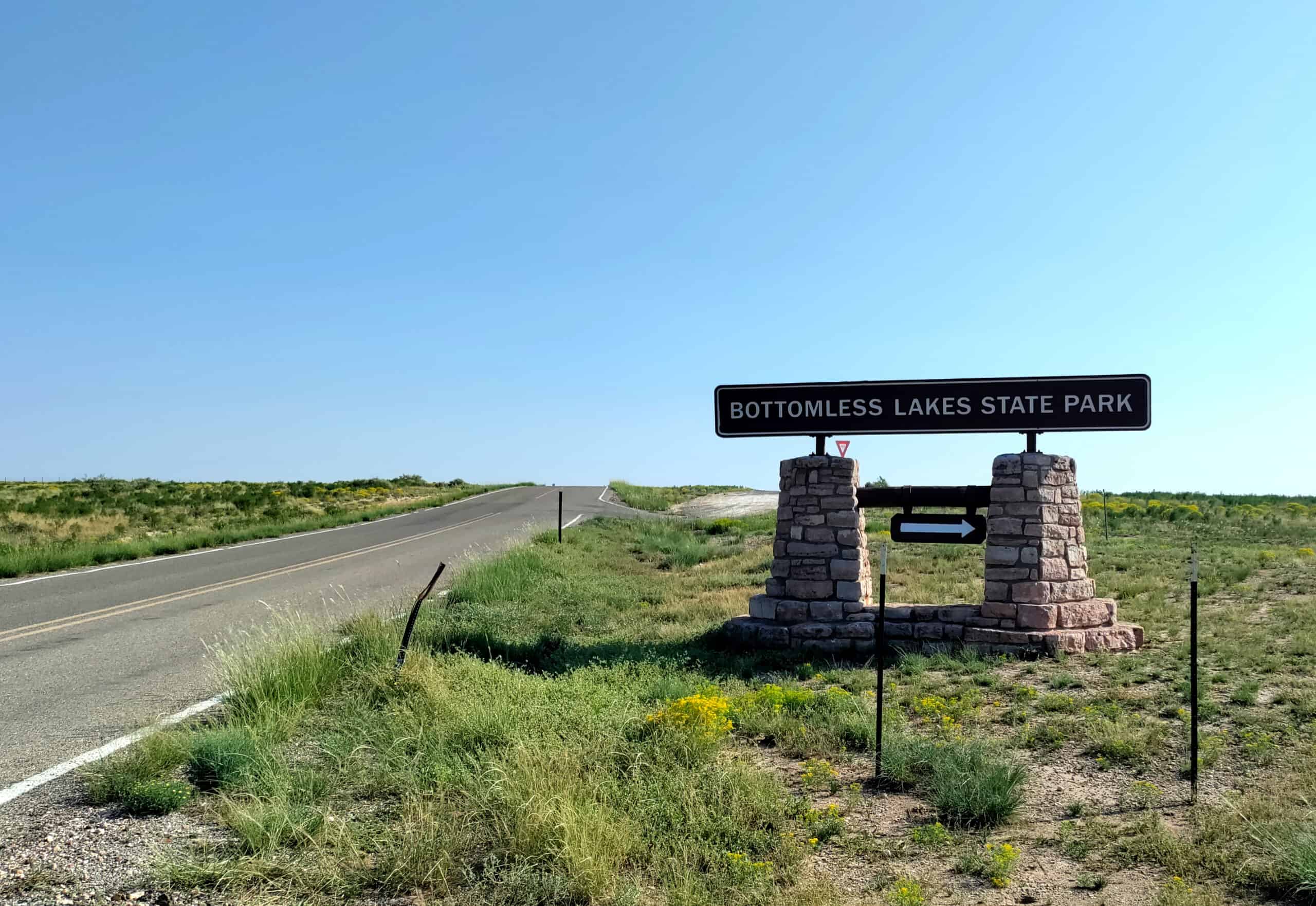
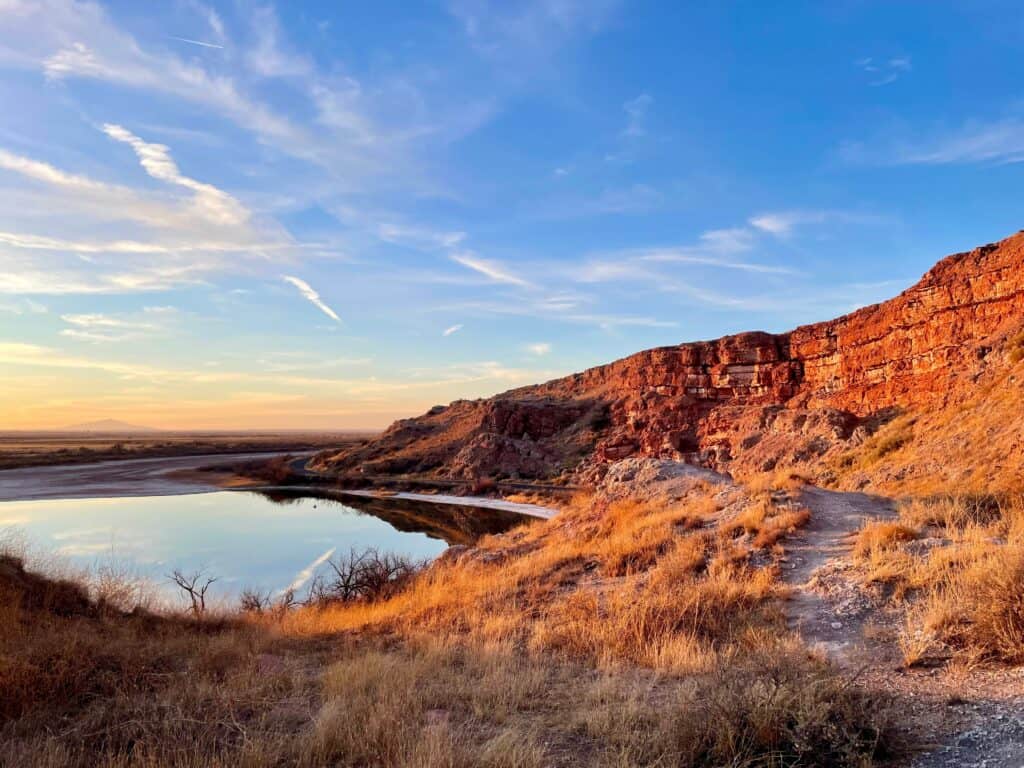
Just 15 miles southeast of Roswell, Bottomless Lakes State Park has a fascinating story of its own. It became the first established state park in New Mexico on November 18, 1933. But the water goes deeper than that—literally and figuratively.
As ranching expanded across southeastern New Mexico, cowboys encountered the lakes while driving cattle. Curious about the depth, they tied together various ropes and lariats, never quite finding the bottom, instead believing the waterways to be—you guessed it—bottomless. In reality, the chain of nine lakes is actually a series of cenotes or collapsed sinkholes that formed when underground water dissolved the ancient gypsum and limestone bedrock. As the rock dissolved over thousands of years, the ground collapsed, forming the pools seen today—some running as deep as 90 feet.
In 1933, Governor Arthur Seligman saw an opportunity and championed the effort to designate the area as a state park. The designation effectively preserved the unique geological sinkholes, created outdoor recreation, and even provided civic development and job creation—a particularly attractive appeal during the Great Depression. The infrastructure surrounding the state park was ultimately developed by the Civilian Conservation Corps, or CCC.
Workers from the CCC collaborated to make the otherwise remote desert oasis accessible and enjoyable for the public. They built roads, picnic areas, rock cottages, bathhouses, and even a water tower. Not only did this provide jobs and recreation, but it also opened the door for tourism down the road that stands strong today. And for anyone who has been to Roswell, Ruidoso, or any area within an hour’s drive, they can tell you that the reputation of Bottomless Lakes State Park precedes itself. Sometimes for the lore, but nearly always for the recreation.
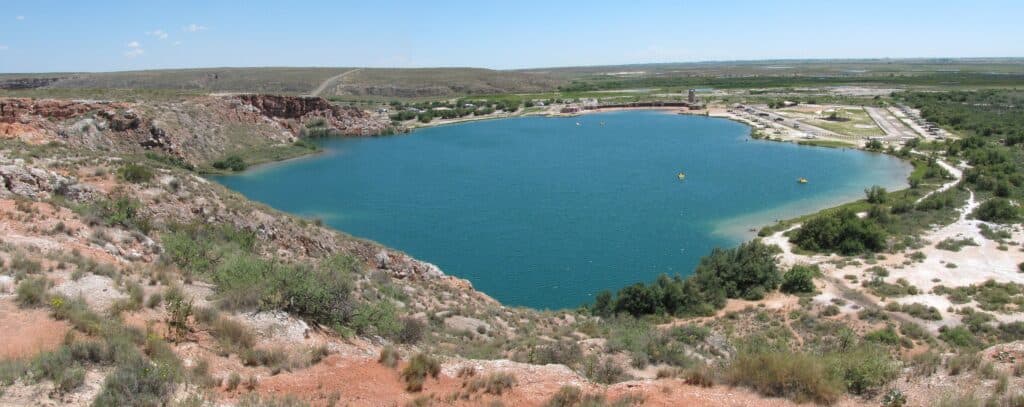
While the infrastructure made the park accessible, the sinkholes—referred to as lakes—make it enduring. There are nine lakes total, each offering a unique aesthetic and its own set of activities. Although the names were formalized when the area officially gained state park status, each lake’s moniker can be traced back to the early ranching of the area.
- Lazy Lagoon is the largest of the lakes by surface area, but also the most tranquil. The crater walls have worn away, allowing the lake to appear remarkably still, making it ideal for a lazy day lounging near the water.
- Lea Lake, the only lake with a designated swimming beach, was named after Captain Joseph C. Lea. He was an early settler of the nearby city of Roswell, a rancher, and was a friend of Billy the Kid.
- Cottonwood Lake used to have cottonwood trees growing around the perimeter in the crater, a nod to typical Southwestern scenery.
- Devil’s Inkwell has incredibly dark water due to deep cratered walls and dense algae growth, earning the well-suited name.
- Mirror Lake North is part of a set of two perfectly circular sinkholes, mirrored by the other half of the set.
- Mirror Lake South is part of a set of two perfectly circular sinkholes, mirrored by the other half of the set. Did the descriptions just mirror each other? Good, that’s what these lakes do.
- Figure Eight Lake North is part of a two-lake whole, separated by a thin strip of land, that appears to be a figure eight when it floods.
- Figure Eight Lake South is part of the set that earns Figure Eight Lake North its name.
- Pasture Lake is a shallower lake that was historically used by ranchers for livestock pasture.
Technically, there’s a tenth lake nearby, but it’s privately owned and isn’t part of the state park. Some might call it the estranged sibling. Others simply don’t count it.
What to do
According to the park’s website, “Bottomless Lakes State Park is your place for bottomless fun!” It’s frankly quite accurate. Depending on the season, there are many activities to explore. In the summer, the park offers paddleboard and pedal boat rentals. Year-round, there are covered picnic shelters, hiking trails, even a campground with a bathhouse and camping amenities.
Since it is a state park, entry fees apply. During peak season, residents pay $5 per vehicle while nonresidents pay $10 per vehicle for day passes (during the off-season, entry to New Mexico state parks is free for residents). Camping ranges between $10 and $18, depending on utility hookups. There is also the option of purchasing an annual New Mexico State Parks pass, which ranges between $75 and $600 depending on residency, day use, and camping selections. After just a few visits, these passes pay for themselves. There is so much to do!
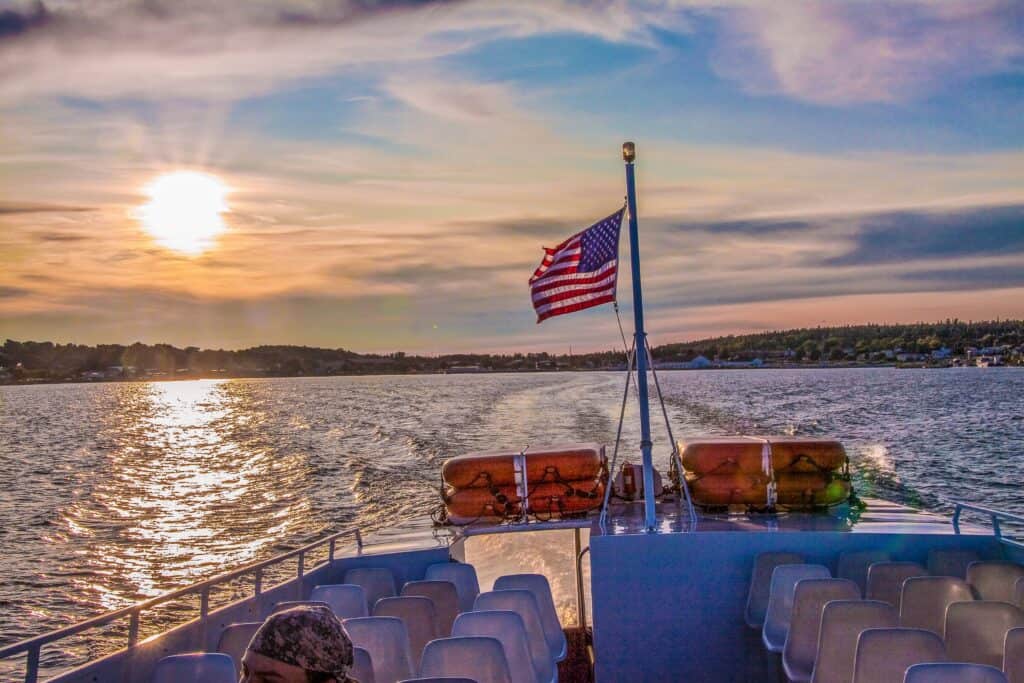
- Boat using your canoe, kayak, or paddleboard. Just leave the motors at home.
- Camp in a tent or camper and wake up in the great outdoors. Bonus: Since it is in close proximity to Roswell, be sure to bring that telescope and keep your eyes peeled for those UFOs.
- Fish for food, but maybe add to the lore by saying you caught a five-foot trout.
Note: While Devil’s Inkwell and Pasture Lake are stocked with trout and other fish between March and November, fishing is not permitted at Lea Lake, Figure Eight Lake, and portions of lakes that surround swim zones. All NM Game and Fish rules and laws apply. These protocols protect swimming areas, sensitive features, and native species found in the area, such as the Pecos pupfish in Lea Lake. - Pack a picnic and wow your date with a shaded picnic shelter near the blue water that is perfect for a quick dip in the midafternoon sun.
- Learn to scuba dive by booking instruction with a local scuba lesson school or even get certified. Experienced? Go for it—the labyrinth isn’t really real.
- Hiking around the lakes is great in cooler weather. There are four and a half miles of hiking trails where you can enjoy views while getting in some exercise.
- Bring the mountain bike for over three miles of trails. This exhilarating activity near the water might just have you understand the legend of the phantom horse.
- Watch wildlife and go birding—there is a great deal more than just hawks and turkey vultures to spot here. Maybe you’ll spot a brightly colored Vermilion flycatcher, an iconic American white pelican, or one of the other more than 300 species that have been recorded in the area.
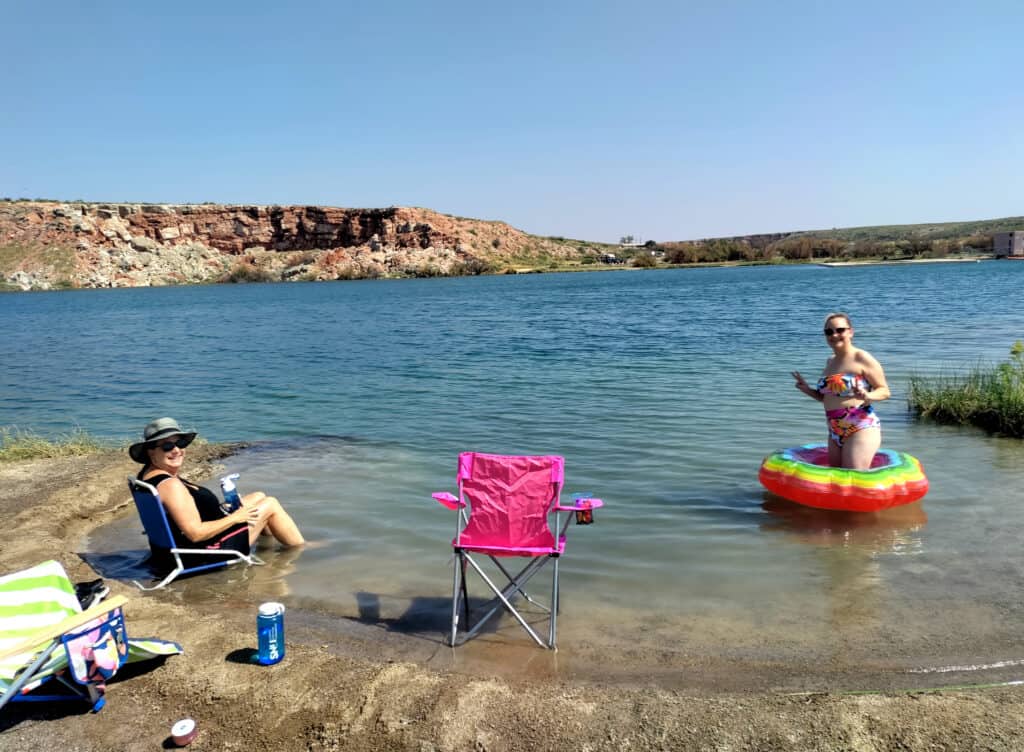
- When all else fails, swim. There is nothing wrong with the tried-and-true joy of bringing a floatie, a pool noodle, and your favorite swimsuit to play in the water and give in to the inner child.
The lore
Locals and tourists alike have been warned not to go too deep into the Bottomless Lakes, as local legend traces back to their founding days. It has evolved, though, well beyond the days of cowboys tying together every rope and lariat they could find. Not only are the lakes said to be bottomless, but they’re also said to house an underground labyrinth system that stretches well beyond the Roswell radius. Items—and people—that venture too deep into the lakes are said to either disappear forever or wash up in places as far away as Carlsbad Caverns, Albuquerque, and even the Gulf of Mexico.
While the modern adaptation involves scuba divers, swimmers, and various items, the tale is rooted in Wild West folklore. One early story, called “the Phantom Horse,” involves a cowboy and his trusty steed. As the tale goes, the cowboy and horse took a misstep and fell into a lake on the eastern side of Figure Eight, sinking deep into the dark waters where the horse met an untimely end. The man was able to climb out and walk the miles back west, where he saw his horse wash up in a different lake. While this could have been a completely different horse or a grieving man’s tall tale, this is the start of the labyrinth legend. Over the years, the tale has come to include accounts of spotting a phantom horse along the shore of Figure Eight Lake.
My first time visiting Bottomless Lake about a decade ago came with a warning from a longtime local that scuba diving posed a real threat. Although people do it all the time, I’d best stay away from the depths, where the currents run strong, the labyrinth lurks, and unknown creatures may be swimming through the channels.
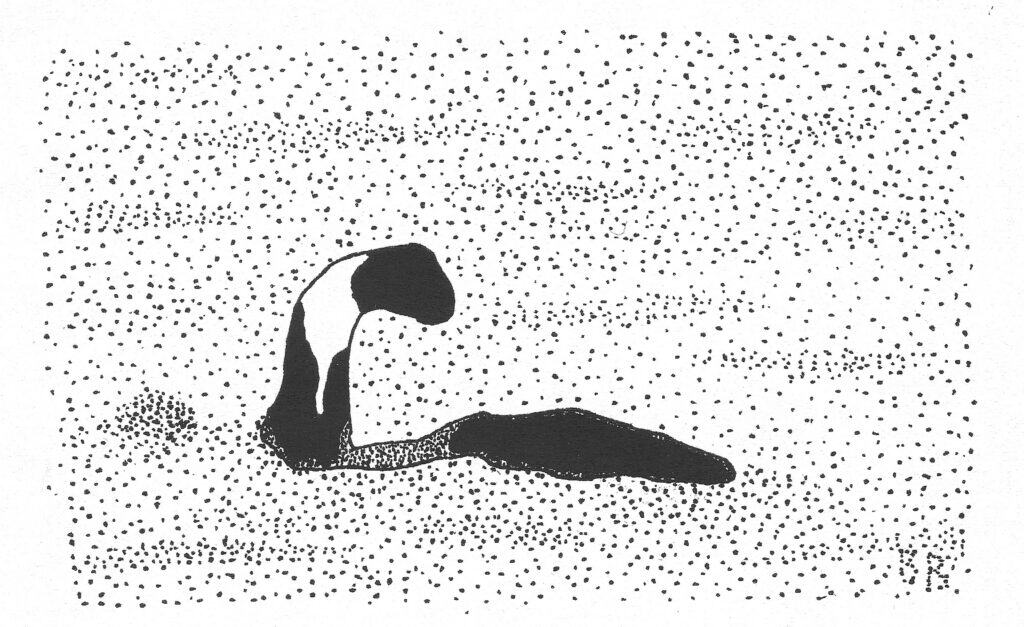
As with any famous deep body of water, folklore includes tales of resident monsters. Not to be confused with Nessie of Loch Ness, Bottomless Lakes is said to have a large-shelled turtle monster lurking below the murky blue waters. In the 1980s, a boater described seeing a massive brown shell piercing the surface, stalking his boat until he turned around to shore. Unsurprisingly, the sighting was right around the same time the Teenage Mutant Ninja Turtles comic first debuted. A coincidence? You decide.
Others have reported seeing an octopus man, a phantom scuba diver, and naturally, a monster not unlike Nessie.
While the legends have certainly evolved with the times, one thing is certain—Bottomless Lakes State Park is an excellent way to spend the day at leisure, allowing the mind to run wild with inspiration, creativity, and a general sense of joy. Just remember not to trust everything you see.