From Malibu to Lake Tahoe, these 12 California places carry names from the state’s Indigenous languages.
Evidence indicates that California was settled by Asian hunter-gatherers who may have crossed a land bridge into North America and ventured south. (Yes, that land bridge is now gone, and yes, it is fascinating to think about.) Those original Indigenous people largely remained in the area, primarily staying on the western side and not crossing the mountains that divided the state (before it was a state, of course) from the rest of the country.
California’s estimated 300,000 Indigenous people didn’t necessarily share cultural ties with tribes elsewhere, or even with each other. The land’s Indigenous tribes were so different that the area is considered one of the most culturally and linguistically diverse in the world.
It’s thought that Indigenous California people lived for at least 15,000 years before European explorers ever ventured close. And while the arrival of Europeans changed and eliminated much of Indigenous life, many names given to the area’s landmarks, beaches, and lakes were kept or adapted from the original Indigenous monikers.
Here are 12 names that hail from the languages of California’s Native peoples, including the Chumash, Tongva, Luiseño, Pomo, Coast Miwok, and Washoe.
1. Ojai
- Where: Ventura County
- Language: Chumash
- Meaning: “Moon“
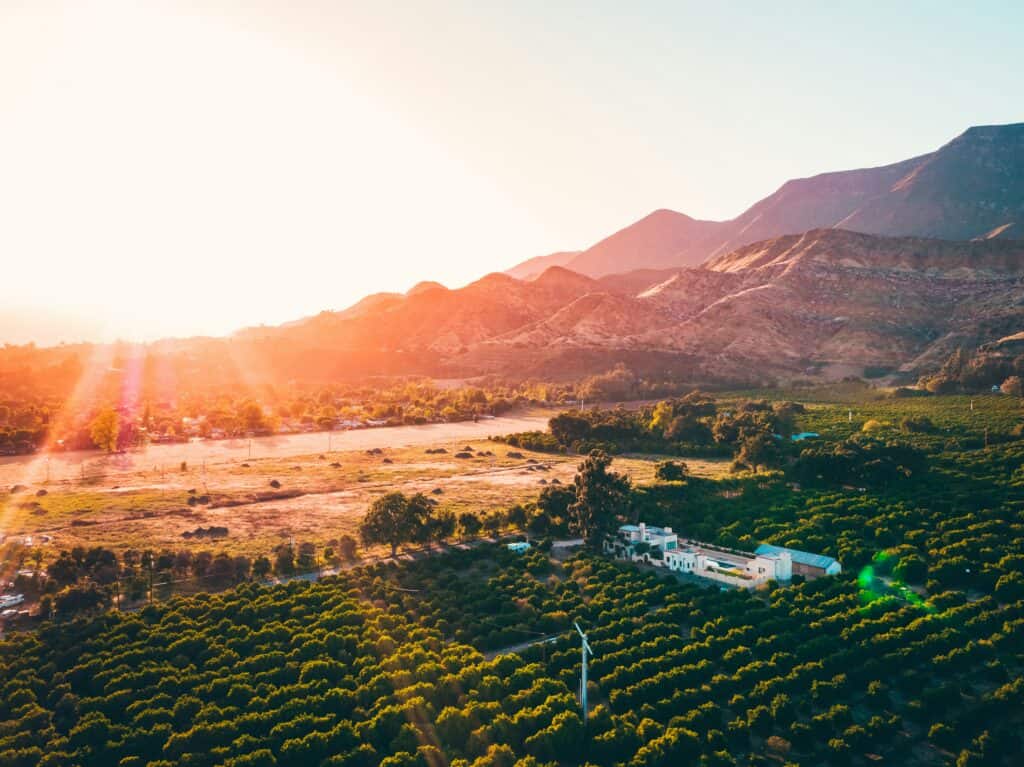
Located northwest of Los Angeles in Southern California, Ojai was inhabited by the Indigenous Chumash tribe as far back as 1,000 A.D. The Chumash people stayed in the area for thousands of years, mastering their trademark crafts of basket weaving and building boats. In fact, many Chumash people still live here.
The Chumash word ‘awhay’a translates to “moon,” and it comes from the name the Chumash people gave a village in the Upper Ojai Valley where they lived and worked. The village was most likely named for a valley the people admired in the moonlight.
Ojai passed through many European hands and reinventions—going from a cattle town to a failed oil prospect town to a resort town—before businessman Edward Drummond Libbey oversaw the town’s development in a Spanish Revival style. The makeover was successful, and Libbey restored the land’s name to Ojai.
2. Malibu
- Where: Los Angeles County
- Language: Chumash
- Meaning: Largely accepted as “where the surf sounds” or “where the surf sounds loudly”
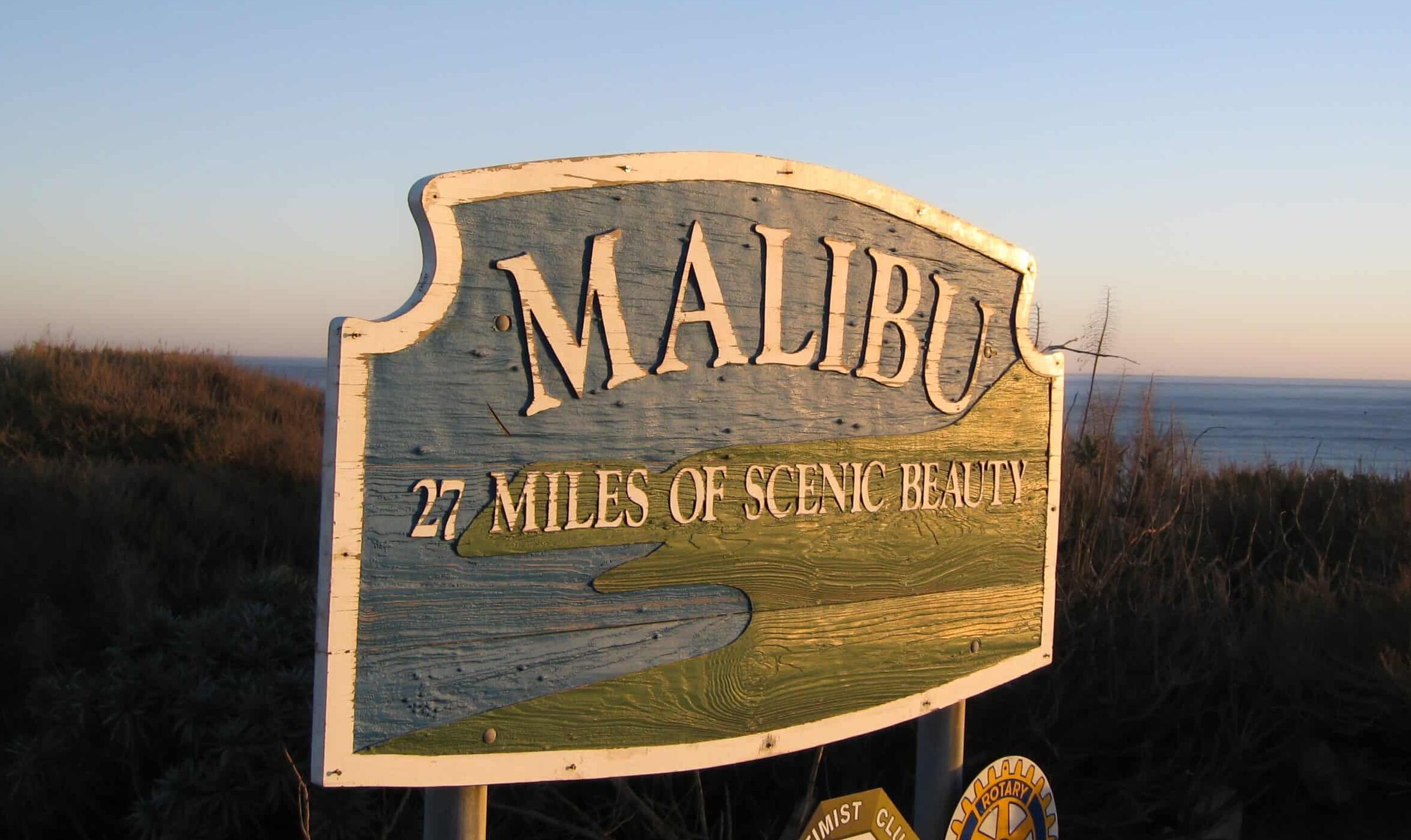
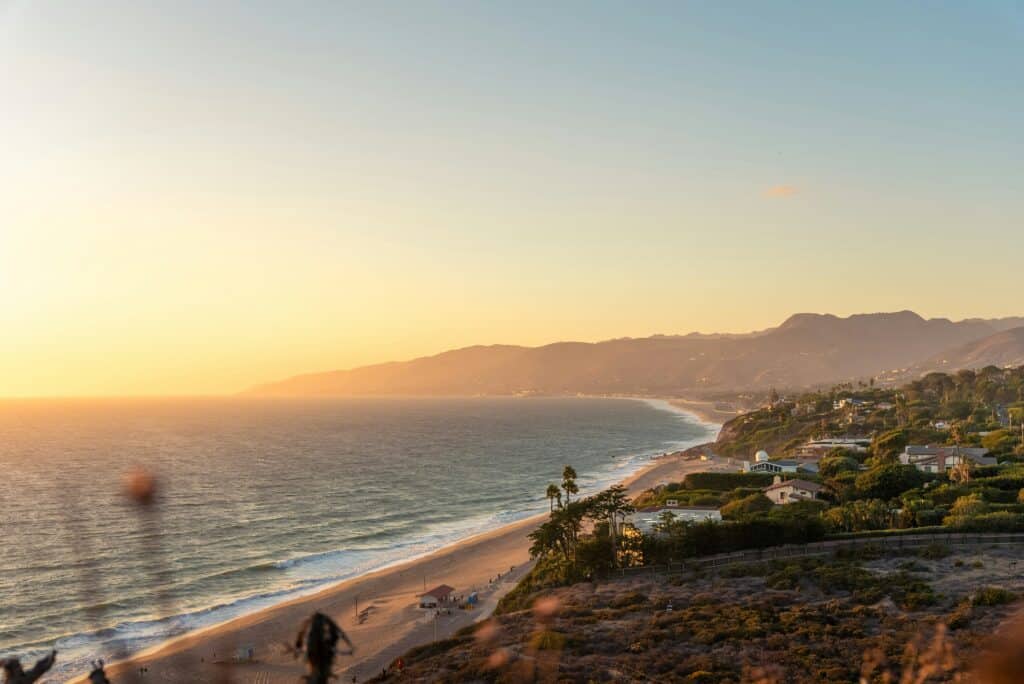
That’s right—the famous hallmark city of Malibu, California, traces its name back to the first people of the area. There is not one clear origin story for how Malibu got its name, but according to Pepperdine University, anthropologists attribute it to a blending of the words “mali” and “wu,” meaning “where the mountains meet the sea,” as well as the Chumash word Humaliwo, which means “the surf sounds loudly.”
The actual name is thought to be a shortened version of attempts by Spanish, Mexican, and Anglo settlers to spell the original Chumash name, as the simplified name “Malibu” did not appear in historical documents until 1805. Also, a not-so-fun fact to ponder: A portion of the original Humaliwo village now lies buried forever under Pacific Coast Highway.
3. Topanga
- Where: Los Angeles County
- Language: Tongva
- Meaning: “Where the mountain meets the sea”
If you are reading this and solely thinking of Topanga from “Boy Meets World,” you are definitely not alone. And as it turns out, Topanga from the show is named after California’s Topanga, which was located near where the show was filmed and is known for being a free-spirited area; hence, the character’s name.
Topanga, the incorporated community, is thought to have derived its name from the Tongva tribe, who named the area after the phrase for “the place above” or, similar to Malibu, “where the mountains meet the sea.”
A local Topanga news outlet also noted that Topanga may have gotten its name from the topa, wild cane grass that once grew in the area before it was destroyed to build a highway.
4. Azusa
- Where: Los Angeles County
- Language: Tongva/Gabrielino
- Meaning: “Place of his grandmother” or “skunk hill”
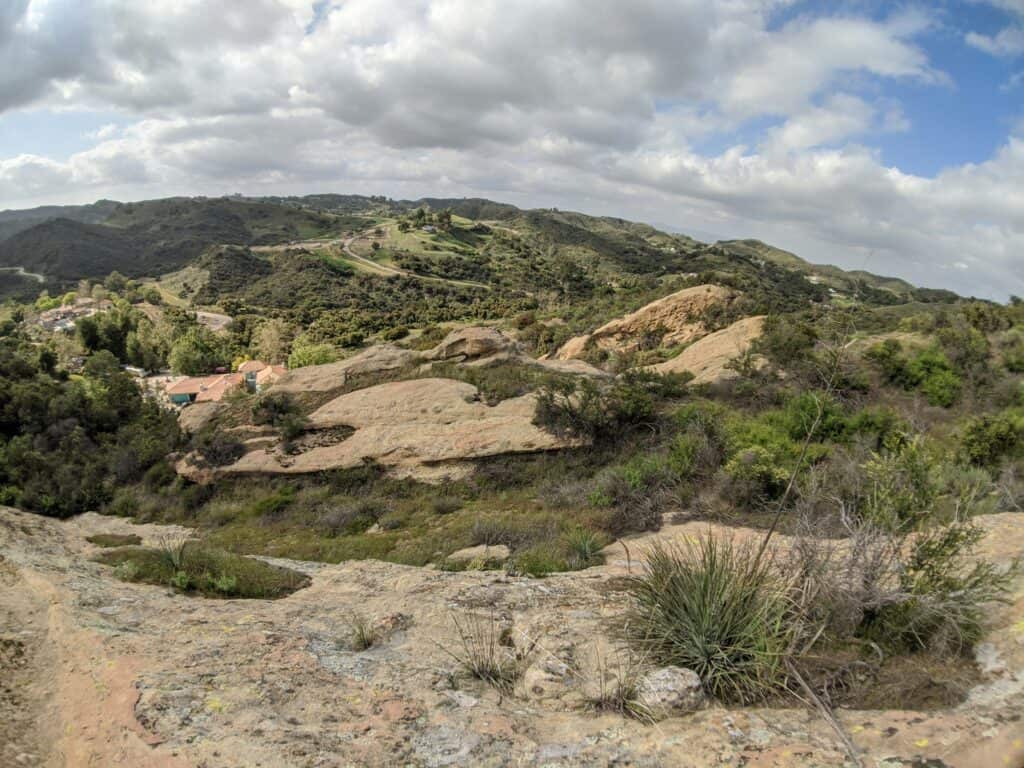
Azusa is the modern name for the Indigenous community of Asuksangna, which was located at the mouth of San Gabriel Canyon. The people there stayed primarily in the canyons during the winter, then traveled up into the mountains when the weather was warm to stay cool.
The Indigenous name for Azusa was Asuksavit, which some sources say translates to the “place of his grandmother,” while others translate it as “skunk hill.”
5. Rancho Cucamonga
- Where: San Bernardino County
- Language: Tongva
- Meaning: “Sandy place”
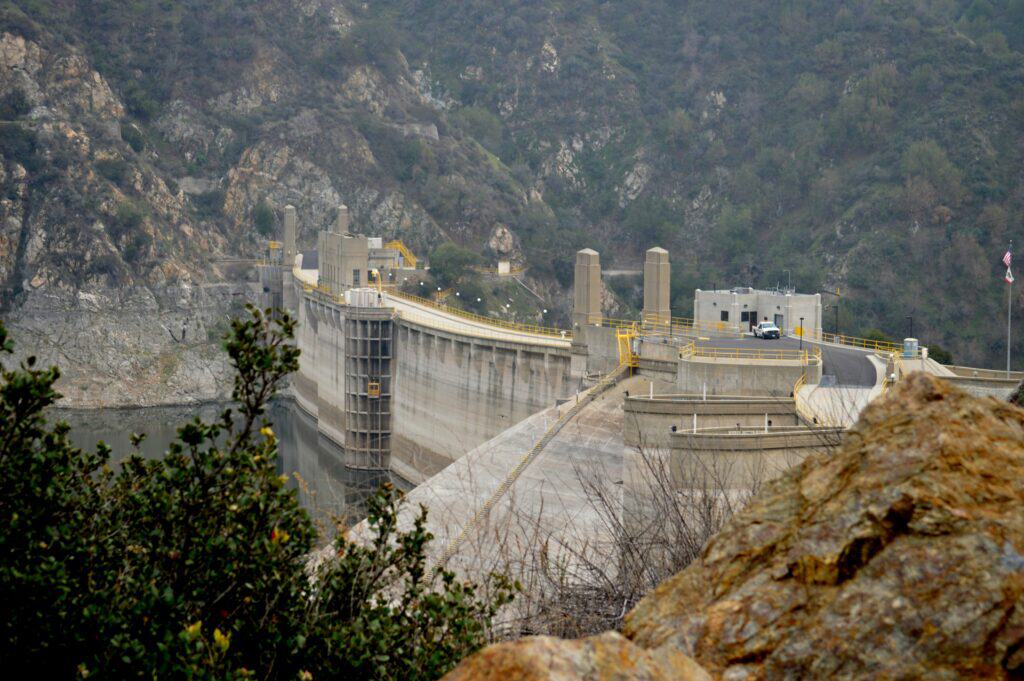
Rancho Cucamonga is located about 40 miles from Los Angeles on an alluvial plain, a type of terrain that contains sand, gravel, and silt down-flow from the nearby mountains. The sandy texture of the soil is most likely what led the Tongva, also called Gabrielino, people to name it Kukamonga, which means “sandy place.”
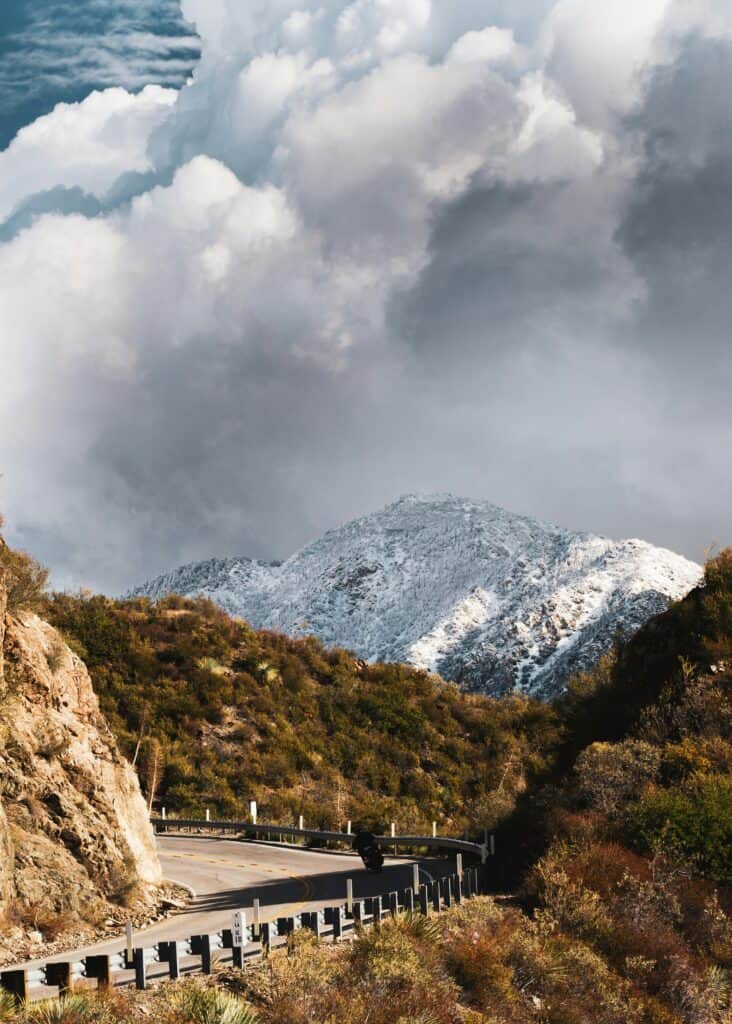
6. Tujunga
- Where: Los Angeles
- Language: Likely Tongva
- Meaning: “Place of the old woman” or “place of the grandmother”
While some translations referring to elderly women may be unclear, Tujunga gets its name from tuhuunga, which means “earth mother.” The word roughly translates to “place of the old woman or grandmother” in the Tongva language, according to UCLA.
Its heritage as a place devoted to the earth has carried on—LA Magazine noted that the town was once called the healthiest place in the world because of its clean, fresh air.
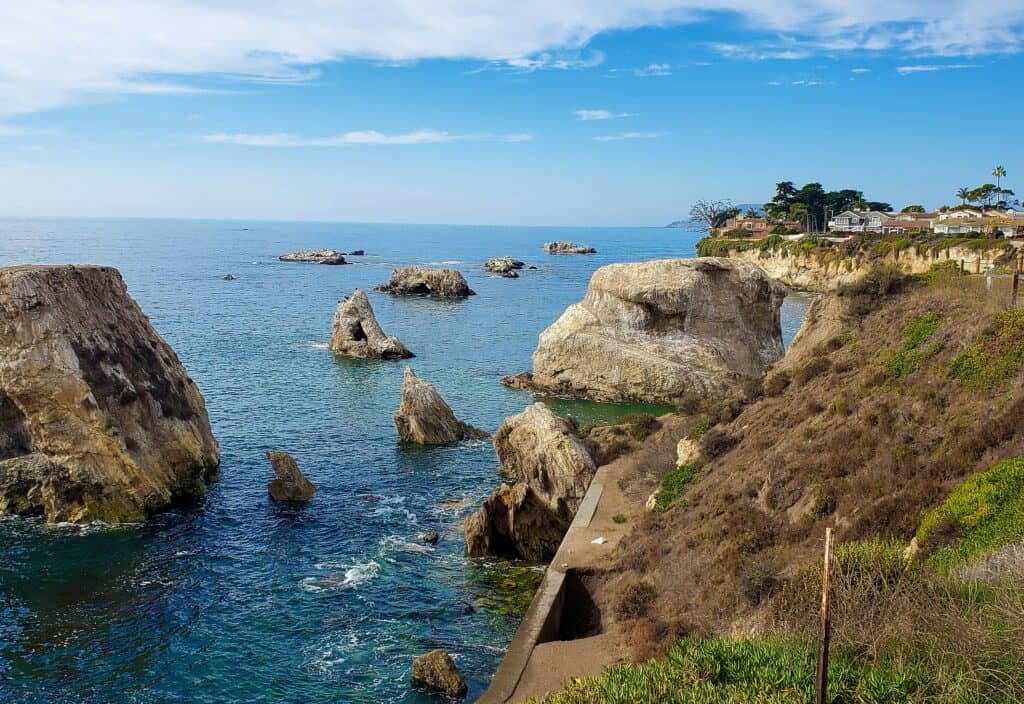
7. Pismo Beach
- Where: San Luis Obispo County
- Language: Chumash
- Meaning: “Tar”
The South County Historical Society explains that Pismo Beach gets its name from the Chumash word for tar, “pismu.” The Indigenous people gathered tar that rose up naturally from seep areas to seal and caulk their canoes.
8. Temecula
- Where: Riverside County
- Language: Luiseño
- Meaning: “Sun place” and “place of sand”
Temecula is inhabited by the Pechanga tribe, part of the Luiseño people, who have a legend that the entire world actually began in Temecula. The original and only being in existence was Kíwvish ‘atáxvish, who then created Túukumit (the Sky) and Tamáayawut (the Earth).
Tamáayawut, as the mother of all things, then gave birth to the world’s first people, the Káamalam. The Káamalam people settled in Éxva Teméeku, which eventually became pronounced Temecula. Exva translates to “place of sand,” while Teméeku means “sun place,” both of which aptly describe the open, sunny climate with sandy alluvial soil in lower benchmark regions. In fact, the “sun place” is now a popular area for growing vineyard grapes for that reason.
9. Ukiah
- Where: Mendocino County
- Language: Pomo
- Meaning: “People of the south valley”
Ukiah Valley is home to the Pomo people, who once had more than 70 distinctly different village communities, including the Yokaia. The Yokaia people lived at the south end of the valley, so Yokaia quite literally means “people of the south valley.”
Ukiah is a modern version of an Indigenous name for the area from the Yokaia people, who had no written language. When non-Indigenous speakers heard the name for the region, they wrote down the word as they heard it. Eventually, over the years, the words from both Spanish and English speakers evolved into the name Ukiah.
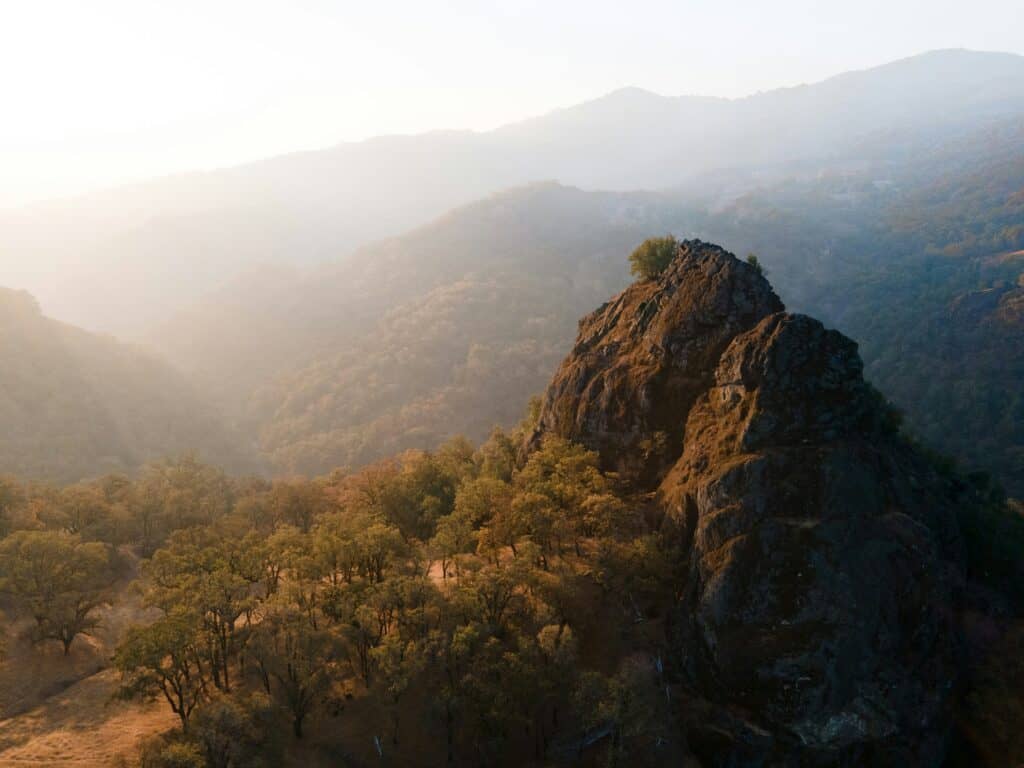
10. Petaluma
- Where: Sonoma County
- Language: Coast Miwok
- Meaning: “Sloping ridge”
The way Petaluma got its name is pretty straightforward—the Coast Miwok people named the area Petaluma, which translates to “sloping ridge,” an almost direct description of the area’s landscape.
The Coast Miwok people lived and worked in a village on a hill near the Petaluma River. They utilized tule reeds to build and strengthen their homes, boats, and other products for daily life. Eventually, many of the Coast Miwok people were enslaved and killed, and it is said that only 14 Coast Miwok and Southern Pomo survivors led to the last remaining 1,458 enrolled citizens of The Federated Indians of Graton Rancheria.
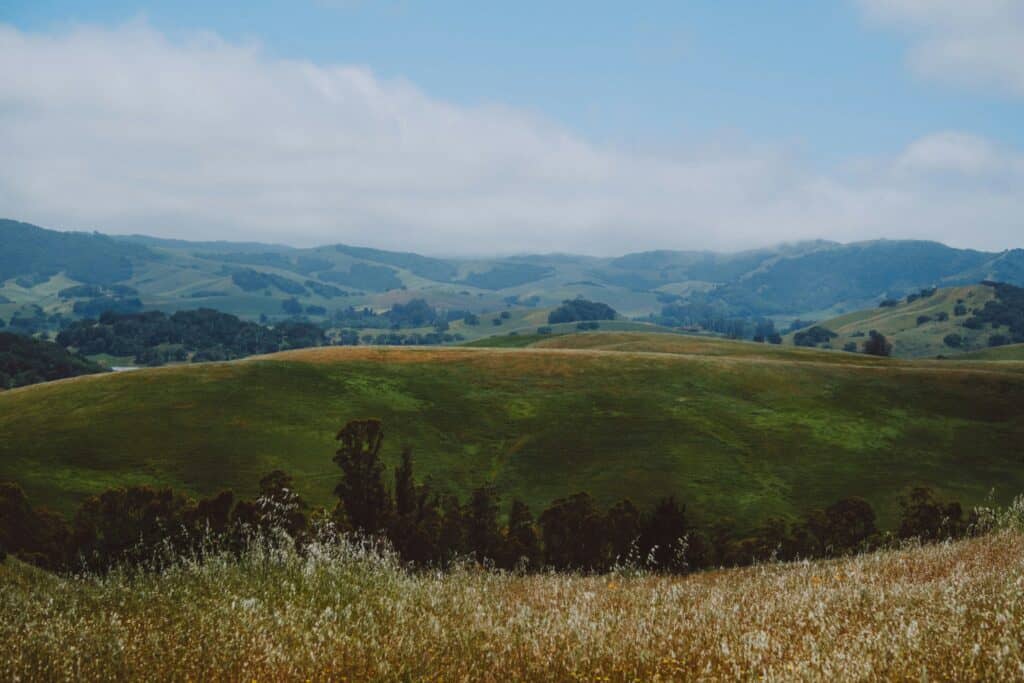
11. Tehachapi
- Where: Kern County
- Language: Possibly Kawaiisu
- Meaning: Possibly “hard climb”
Like Petaluma, the name Tehachapi has a more literal meaning, coming from the Kawaiisu word “tihachipia” for “hard climb.” The Kawaiisu people most likely were referring to what is now known as the Tehachapi Mountains, where they lived intermittently, hunting and gathering and moving with the seasons. With high mountains come low valleys, however, and the people also named the Tehachapi Valley and Tehachapi River after the mountains—both of which were an important part of their lives.
For instance, Kawaiisu men collected salt from the local lakes when the Tehachapi River levels were low; they used it to flavor and preserve meat (primarily deer) that the people hunted. As of October 2025, fewer than five native Kawaiisu speakers were left in the entire world, which means that the language that brought us Tehachapi is on the brink of being lost forever.
12. Lake Tahoe
- Where: El Dorado and Placer counties (and Nevada)
- Language: Washoe
- Meaning: “The edge of the lake”
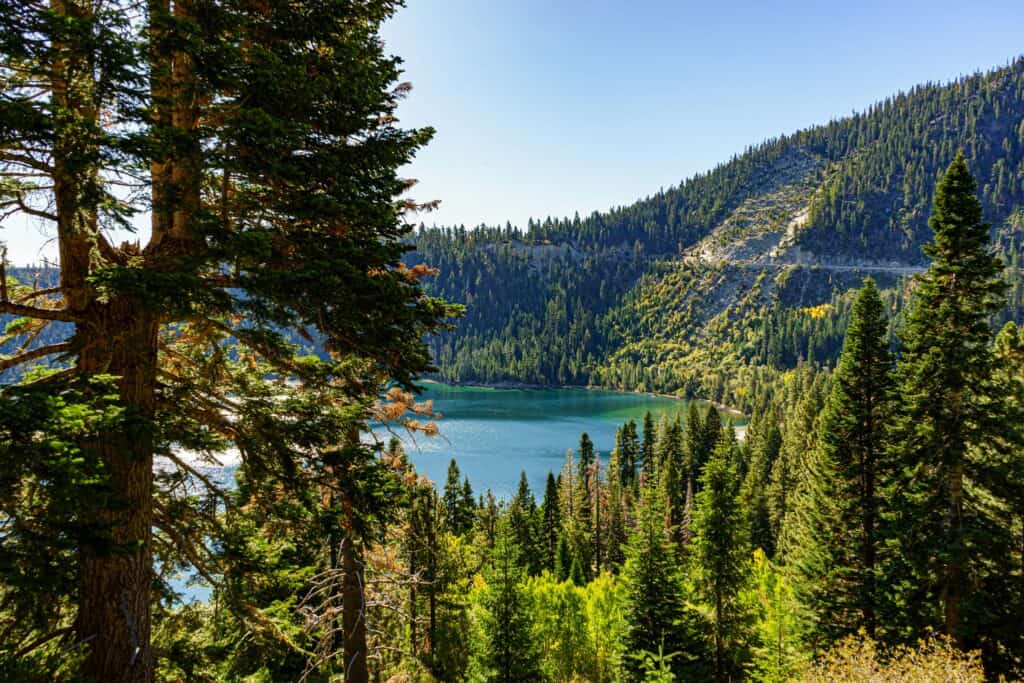
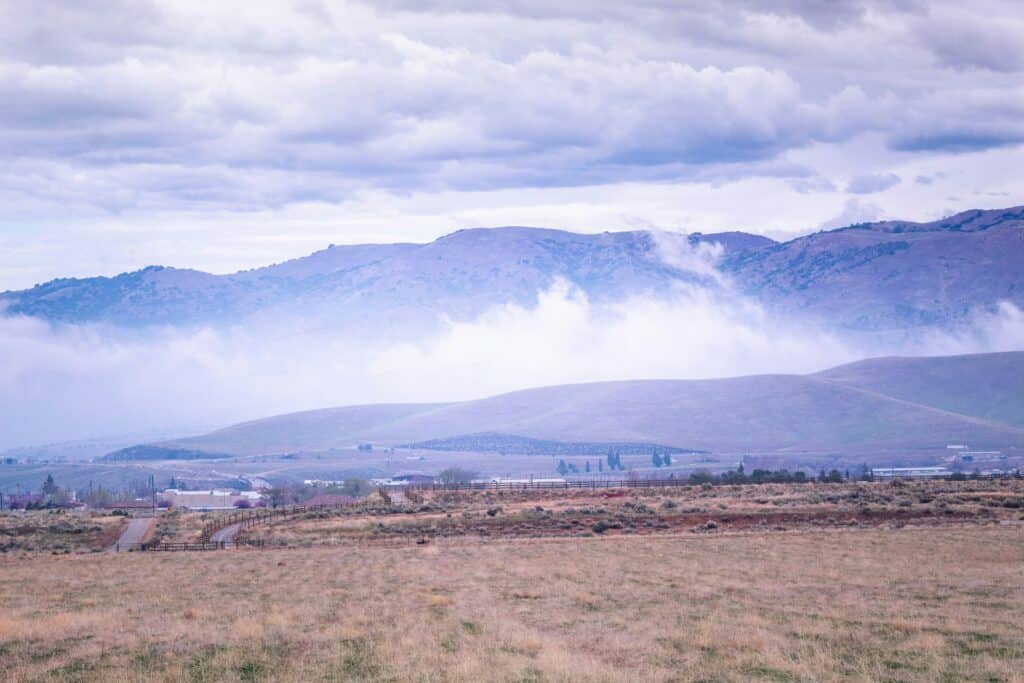
What is known as Lake Tahoe today was once the center of life for the Indigenous Washoe (Wá∙šiw) tribe. The tribe lived by, fished in, and honored the dáɂaw waters that brought them nourishment, protection, and joy.
According to the Great Basin Institute, the reason we call the waters that remain central to Washoe life Lake Tahoe is actually because of a mispronunciation. Later explorers mispronounced the Wá∙šiw word “dáɁaw,” which means “edge of the lake,” as Tahoe. So, technically speaking, that means that the name “Lake Tahoe” we use now roughly translates to “Edge of the Lake Lake.”