Arizona has faced long-term drought conditions for decades. Here are 13 easy ways to do your part and help conserve water.
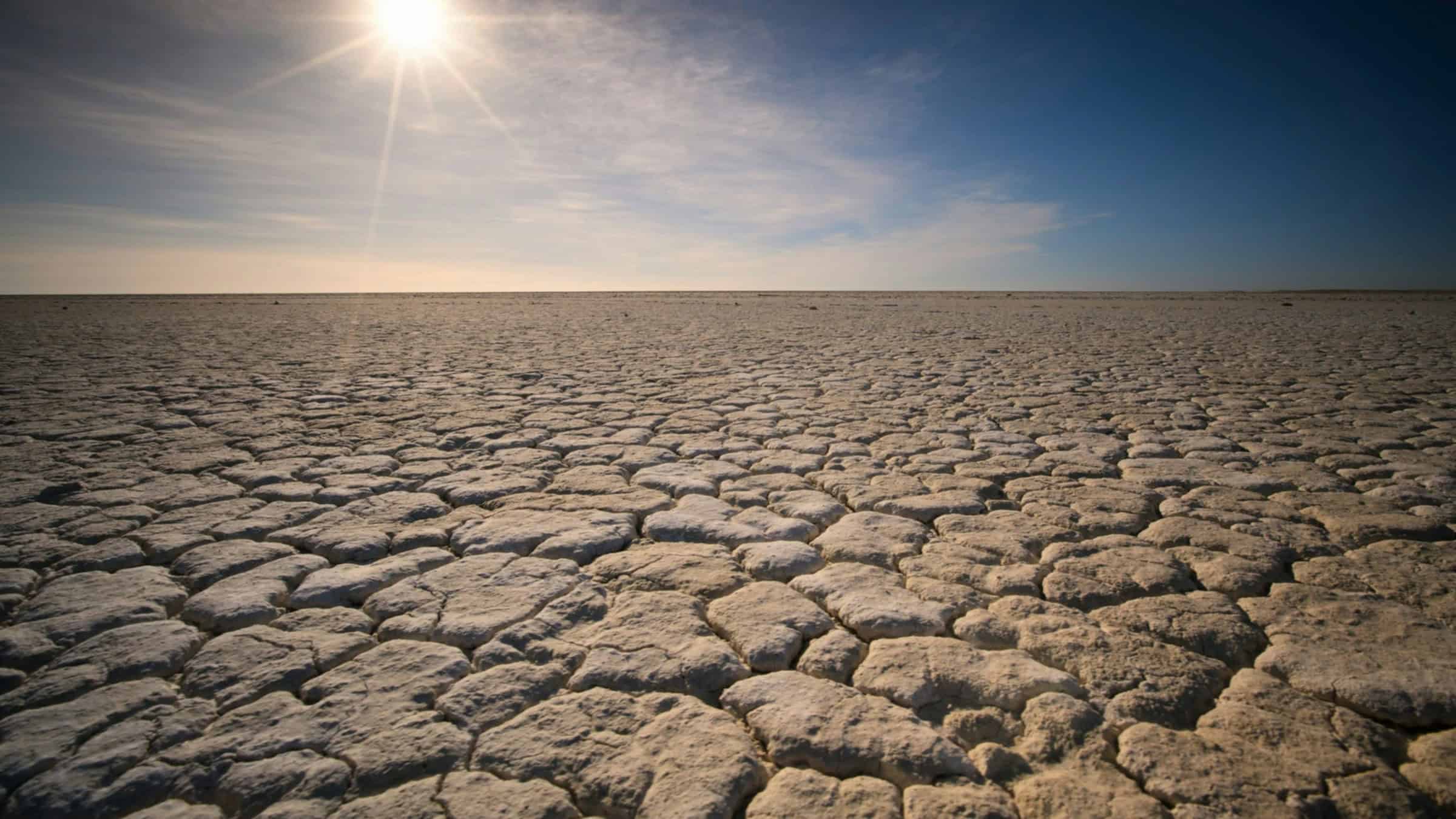
Arizona has been in a decades-long drought. While wet years, monsoons, and strong winter storms can bring temporary relief, they do not erase the state’s larger water concerns. Organizations like the Salt River Project are working to manage and preserve Arizona’s water supplies, but conservation is not a job reserved (pun intended) for water managers alone.
Fortunately, there are 13 easy practices to add to everyday living that can help reduce water use. The best part is that none of them require you to stop doing what you’re already doing—only to make a few adjustments.
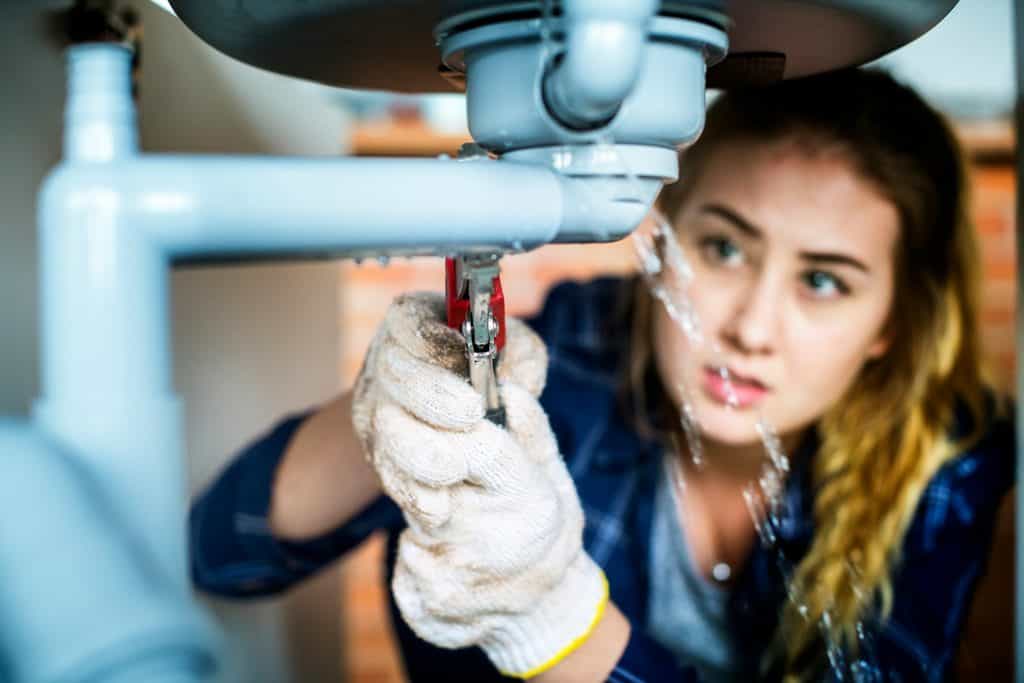
Home maintenance
Maintaining your home not only helps with resale value, but it can also make a huge impact on water usage. Even if you’re renting, paying attention to basic home maintenance can save you money on the water bill and help catch small catastrophes before they become expensive ones.
Water-conserving appliances
Although they can be pricey upfront, installing WaterSense or ENERGY STAR appliances can result in significant savings over time. These appliances are often referred to as high-efficiency, low-flow, or eco-friendly, and can include washing machines, dishwashers, toilets, showerheads, and faucets.
They do not necessarily alter water pressure either; instead, they use less water to achieve the same results as their less-efficient counterparts. Basically, pay one time upfront and have the hardware cut back on usage for you. It’s a relatively easy fix with a potentially big payoff.
Fix running toilets and leaks
Did you know a running toilet or lightly leaking faucet can waste anywhere from 30 to 4,000 gallons of water daily? Simply busting out the wrench to tighten a valve or calling in a plumber to repair a pipe or toilet can make an immense difference. It’s better for the house, the environment, and your wallet. This is an easy task with a big impact.
Use a pool cover to decrease evaporation
We’re in Arizona. Chances are, you or someone you know has a pool. One of the easiest ways to reduce water loss is to use a pool cover when it is not in use. This helps decrease evaporation—and the need to constantly top it off—while also keeping the pool cleaner. Fewer leaves, less evaporation, and less water use? That sounds like a win-win for pool maintenance and water conservation—or water cleanliness and friendliness!
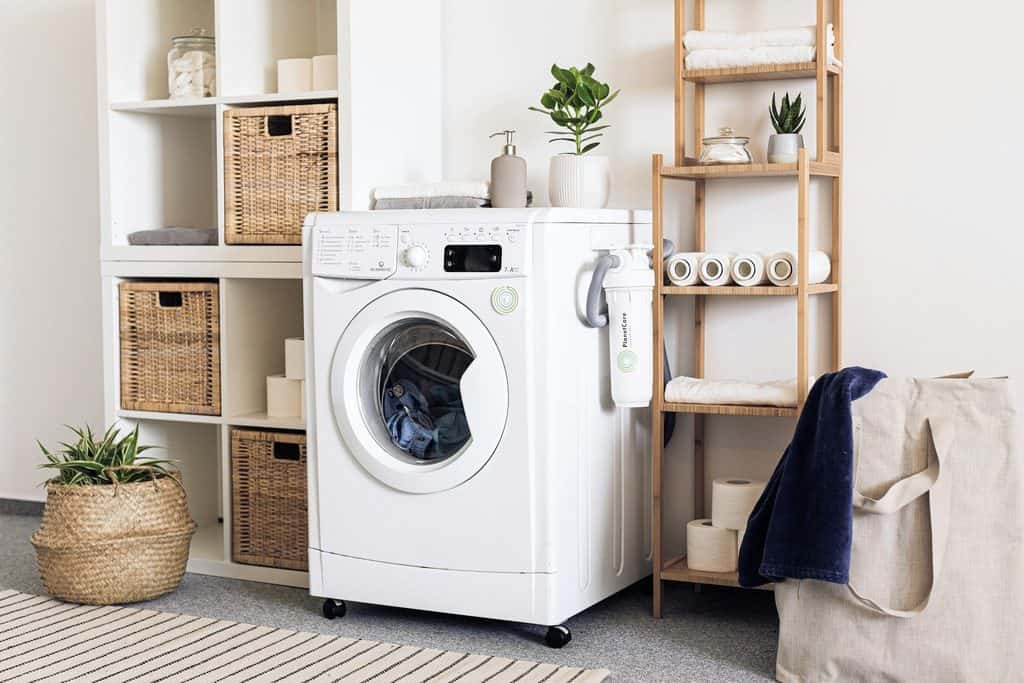
Cooking and cleaning
Realistically, it doesn’t matter if we’re in a drought—who is going to stop cooking and cleaning? Clean dishes and clothes are basic needs, after all. Fortunately, there are ways to keep water usage low while still keeping the house shining.
Reuse towels and clothes an extra time
The last time you stayed at a hotel, did you see a tag explaining that sheets are changed every other day or a sign saying that hanging towels would not be washed? Hotels and other businesses are already doing something you can easily do at home. Use your towel an extra time before washing it, and maybe wear those unsoiled clothes again, too. The less laundry you have to do, the less water you use. Just make sure you’re laundering full loads—small loads can use nearly as much water as full ones.
Wash dishes in full loads or with a water basin
Are you old enough to have experienced home ec class, or was I part of the last Millennial generation to have a teacher yell at us to fill a dish basin with water and a little soap?
This old-school method is highly effective at cleaning dishes while cutting back on water running down the sink. Simply fill a small basin with water and a little dish soap, wash your dishes, and set them aside to rinse together all at once. Alternatively, if you have a dishwasher, be sure to run full loads. Fun fact: dishwashers, on average, can use less water than washing dishes by hand.
Reuse cooking water when it makes sense
Maaaybe this sounds like a stretch, but reusing some cooking water can actually be a brilliant way to add depth of flavor. That pasta water you used for spaghetti night? Save some of it. Starchy pasta water can be used in sauces and other dishes, adding flavor while using water that might otherwise go down the drain. Or maybe use steamed broccoli water in tomorrow’s soup stock. Or some extra soup stock to cook your rice. If it makes sense and sounds good, it’s worth a try!
Hygiene
Arizona heat may be dry, but that doesn’t mean you are—dry heat still makes people sweat. Hygiene is important everywhere, but in the desert, it can feel especially crucial. Fortunately, a few small adjustments can save hundreds of gallons of water each month.
Turn water off while brushing teeth
This kindergarten rule never ceases to amaze me—many people allow the faucet to run while scrubbing their pearly whites for two whole minutes! Water is really only needed to dampen the bristles and rinse away the foamy paste when you’re done. The faucet doesn’t need to run the entire time. So, when you brush your teeth tonight, remember that turning off the water while brushing can save nearly 100 gallons of water each month. If you’ve been letting it run, now you know better!
Shorten showers by two minutes
Showers are a necessary part of hygiene, especially during peak summer heat. The average 10-minute shower, though, uses roughly 21 gallons of water. Cutting your shower by just 2 minutes can have a big impact, potentially saving up to 150 gallons of water each month.
Turn off water while washing hair
There’s an old-school trick: wet your hair and body, turn off the water while you soap and suds up, then turn it back on to rinse. While it may sound silly, it could actually become a fun practice or even a game for the kiddos.
This can cut several minutes of water use without actually requiring you to spend less time in the shower—a more realistic approach for some than simply shortening the entire experience. If you have an older home like me, though, get used to the temperature changing every time you turn the water on or off.
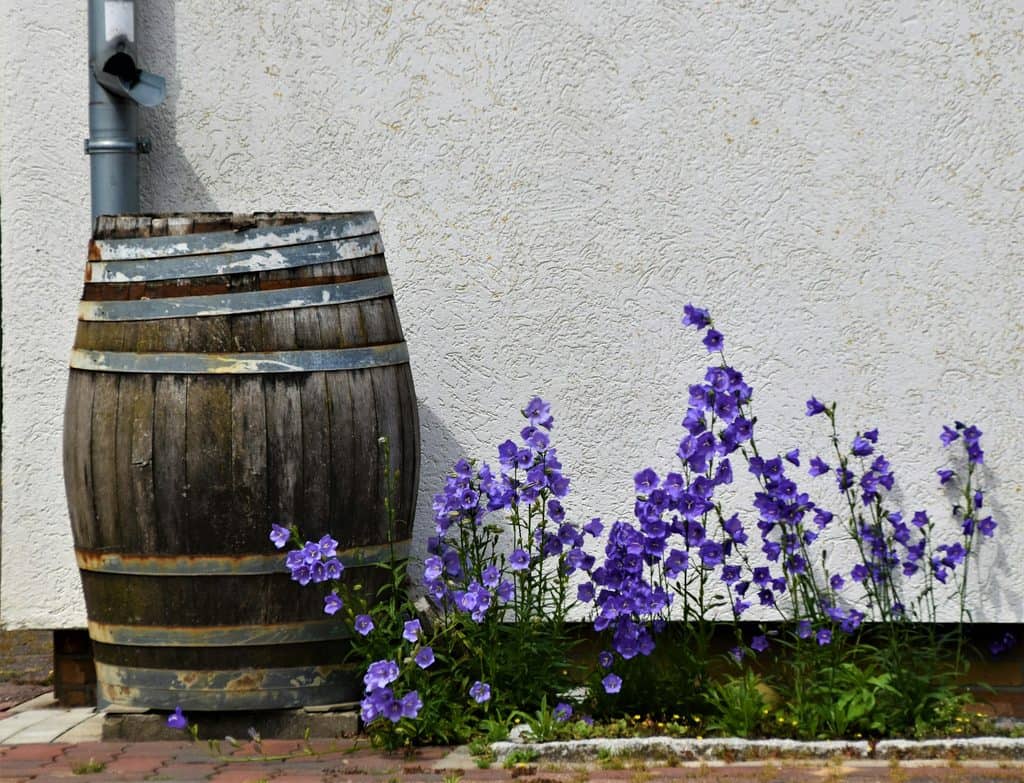
Gardeners
We recently published a Sonoran Desert gardening guide, so how hypocritical would it be to say, “Don’t garden?!” Very. It would be unrealistic, too. Fortunately, there are several ways to keep a garden green—in every sense of the word—while using less water.
Use a bucket to catch shower runoff for plants
While we’re still thinking about shower temperatures, keep a bucket in your shower. The next time you turn on the water and wait for it to heat up, catch that otherwise unused water in the bucket and use it to water your garden.
Catch rainfall or EVAP cooler runoff
If you have a swampbox or live in an area that sees the monsoons, consider placing a large 50-gallon barrel beneath your gutter runoff. You can collect rainwater and EVAP cooler runoff to use in the garden. Many large water barrels even come with a spigot for easy hose attachment. From experience, I can tell you that my water bill sees almost no increase in the summer because I utilize this runoff method. It may not work for every home, but if you already have access to that water, why let it go to waste?
Route gray water to plants
If you’re willing to spend a bit more, or you’re in the building stage of your home, consider having a plumber route graywater to the garden rather than directly into the sewer system. Depending on the setup, it can be diverted using a three-way valve into an irrigation system, creating a watering method you don’t have to think about every day.
It works, too. When drought conditions first became a serious concern, my friend’s grandfather watched the lawns around him wither and die. He took pride in his curb appeal, so he rerouted the water from his washing machine to his lawn and used an eco-friendly detergent. He had the greenest lawn on the block and didn’t use any more water than his neighbors with dead, golden landscaping.
Plant native succulent species instead of lawn, or consider rock fill
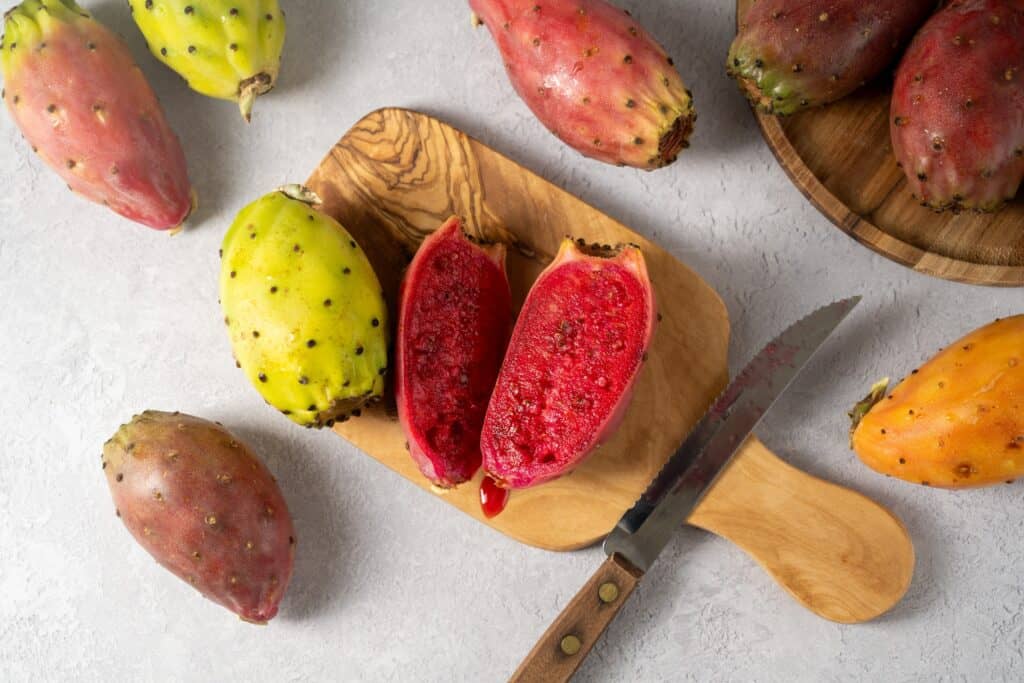
Don’t care about grass? Honestly, it’s becoming less of a status symbol and more of a nuisance with increasing allergies and water usage, anyway. Instead of maintaining a lawn, consider native succulents for a desert garden, or use rock fill for a landscape that adds whimsy, requires little maintenance, and needs minimal irrigation.
There’s probably a nearby park, anyway, if you need some lawn to picnic or run on. Take the maintenance, price tag, and water usage off your plate. Pro tip: head over to the East Valley and you’ll see rock filler loaded with chrysocolla, azurite, and malachite—its definitely whimsical and very Arizona.
Water conservation as a shared effort
The Salt River Project, or SRP, is also working to protect Arizona’s water future. Through reservoir management, groundwater resources, and other long-term planning efforts, SRP works to maintain reliable water supplies for the communities it serves. Learn more about SRP’s water resources
It’s reassuring to know that Arizonans aren’t the only ones making adjustments. While individual changes may seem small, water conservation is a shared effort—and those small changes can add up.