Some areas of the North Carolina drought have eased, but many counties are still experiencing severe water shortages. Here’s what you can do to help.
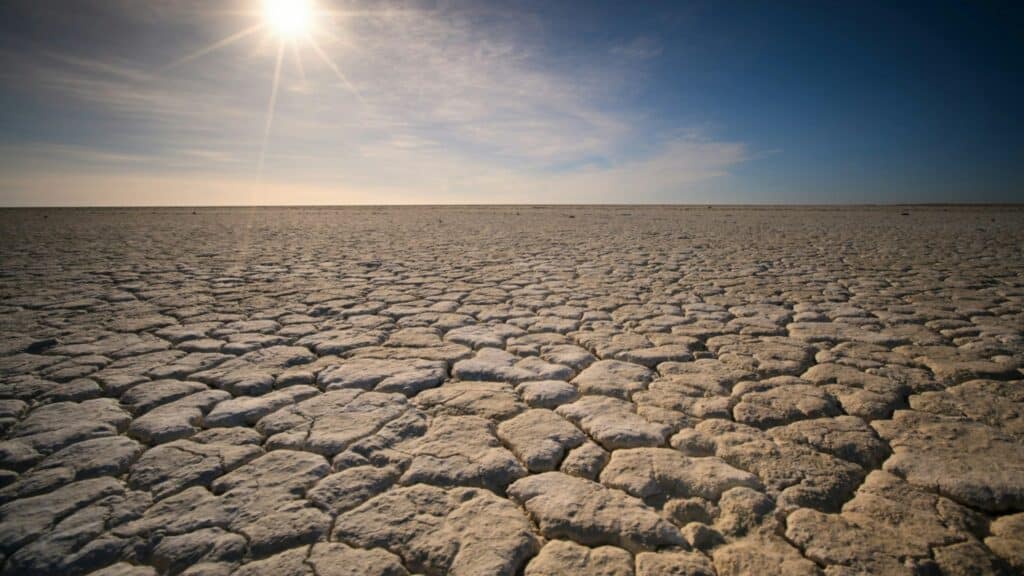
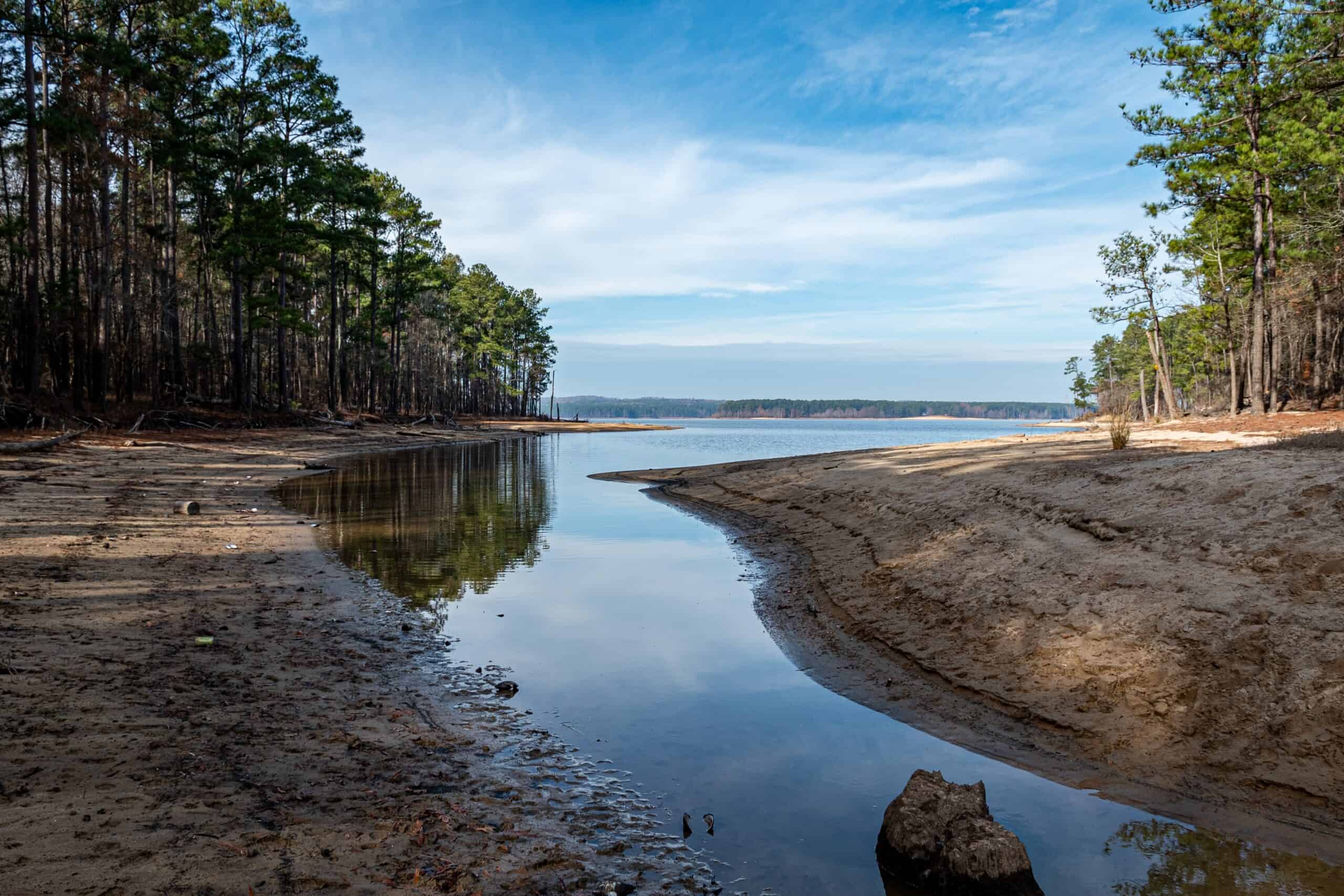
For much of August, North Carolina has been dealing with severe and, in some areas, unprecedented drought. The North Carolina Climate State Office explains that high-pressure weather systems in the area, along with decreased precipitation, have led to drought conditions in the area. When air pressure remains high, it increases evaporation from bodies of water without replenishment from rain, quickly drying out soil and lowering water levels in streams and lakes.
At the time of writing, North Carolina has a dozen counties with areas classified as “extreme” drought, one with “exceptional” drought, and a large majority of the state ranging from moderate to severe drought status. While spotty rain brought some relief, the state is still suffering from low water levels, and the North Carolina Department of Environmental Quality has urged all residents to conserve water.
Dealing with a drought can be overwhelming, but some steps can be taken, both from a personal perspective at home and from a public preservation stance.
How to help the North Carolina drought at home
First of all, if you’re in North Carolina and wondering how “serious” you should take the drought, note that North Carolina is one of the best states in the country for drought monitoring. That means if experts say it’s time to conserve water, you should definitely pay attention, because they won’t cry wolf.
That being said, the North Carolina Department of Environmental Quality recommends a few basic steps anyone can take to conserve water on an individual level:
- Do not water your outdoor areas after 10 a.m. because it will cut down on water evaporation (the cooler, the better!)
- Do not run dishwashers or washers until they are full (bonus: this step can also save you money!)
- Fix any leaks you may have at home, such as leaky faucets or toilets.
- Do not wash dishes by hand—dishwashers actually conserve water, not the other way around!
- Avoid washing your car, and if you absolutely must, use a commercial car wash that recycles water.
- Get in the habit of saving water and never, ever wasting it—if you’re about to dump it out, find another use for it!
- Harkening back to our school days with the swimming fish cartoons, take shorter showers and don’t let the water run while you’re brushing your teeth.
- “Cushion” outdoor plants with mulch or even cardboard to help them retain moisture.
- Try not to flush the toilet unnecessarily. (That spider you squished in toilet paper—toss him outside instead!)
- Add bowls or buckets anywhere water can collect—you can even collect water that would get wasted as you wait for your shower to heat up. Sounds like it would be perfect to water a plant or brush your teeth with, right?
How to help out the North Carolina drought on a larger scale
While you work on your water conservation efforts at home, if you are looking for larger ways to get involved and help against the droughts, here are some ideas:
- Donate to a food bank. Droughts can affect food production and food availability, so donating to a local food bank can always help. Or, you can always give financially to the Food Bank of Central & Eastern North Carolina, which can provide 30 meals for every $10 donated.
- Donate food directly. If you’re a farmer or someone who works with food or food supplies, the United States Department of Agriculture (USDA) encourages you to find a place to donate excess or desired food. In many cases, donations are also tax-deductible.
- Donate to disaster relief programs. Programs such as WNC Communities coordinate disaster relief efforts, donations, and training for disaster personnel and responders. They accept ongoing and as-needed donations for specific project initiatives. For instance, they are currently accepting donations to train more disaster relief responders.
- Donate livestock supplies. Farmers who grow or harvest hay or other livestock products are encouraged to donate any supplies they feel they can offer directly to livestock owners. The USDA may also have local resources you can connect to for direct donation.
- Sell your hay to farmers in need. HayFinder connects local N.C. farmers with hay to sell with farmers who are in need of hay. You can search for hay if you are in need, or list your hay products on the website.
- Support Farmer Foodshare. Farmer Foodshare is an N.C.-based organization that connects farmers directly to disaster relief food programs, and it’s always in need of donations and support. The organization helps families and individuals experiencing food insecurity regularly, as well as those in need from disasters in the state.
- Check federal and state relief. Farmers and other livestock producers or growers may have access to federal or state relief programs. Check with the North Carolina Department of Agriculture for disaster relief programs.
How to check drought conditions near you
The best way to monitor drought conditions is to check Drought.gov for your state or your local governing agency. At the time of writing, Drought.gov notes that nearly 6 million people in North Carolina are living in drought conditions, a number that has thankfully decreased over the past week.
The federal site also lists local advisories from the National Weather Service for specific cities and areas in the state. For instance, the site currently has advisories for Raleigh and Wilmington in North Carolina, as well as neighboring West Virginia.
Last but not least, if you’re unsure whether a drought is affecting your area, talk to your neighbors and community. If you have a need or a way to help, talking about it can help everyone get through tough conditions together.