As massive builds such as the $165 billion Project Jupiter move forward, New Mexico residents are taking a stand against data centers entering the state.
In a late-August 2026 poll of New Mexico residents, the Albuquerque Journal found that most residents (65% of respondents) oppose large-scale data center development, and 75% support a statewide pause on development. Only 20% of respondents support these buildouts, but that hasn’t stopped developers from turning to areas across New Mexico for data center construction sites.
Cleanview tracks 4,486 data centers across 1,509 U.S. campuses. As of Nov. 2, 2026, 1,413 data centers are operational, 547 are under construction, and 2,526 more are planned. The Data Center Map lists even more projects, including the 29 data centers operating, under construction, or planned to be built in New Mexico.
Meta’s Los Lunas data center, in operation since 2019, is the largest in the state. And last year, ground broke on a 1,400-acre campus of four data centers in Santa Teresa. This development, codenamed Project Jupiter, will serve operations for major tech companies including Oracle and OpenAI.
A quick primer on data centers
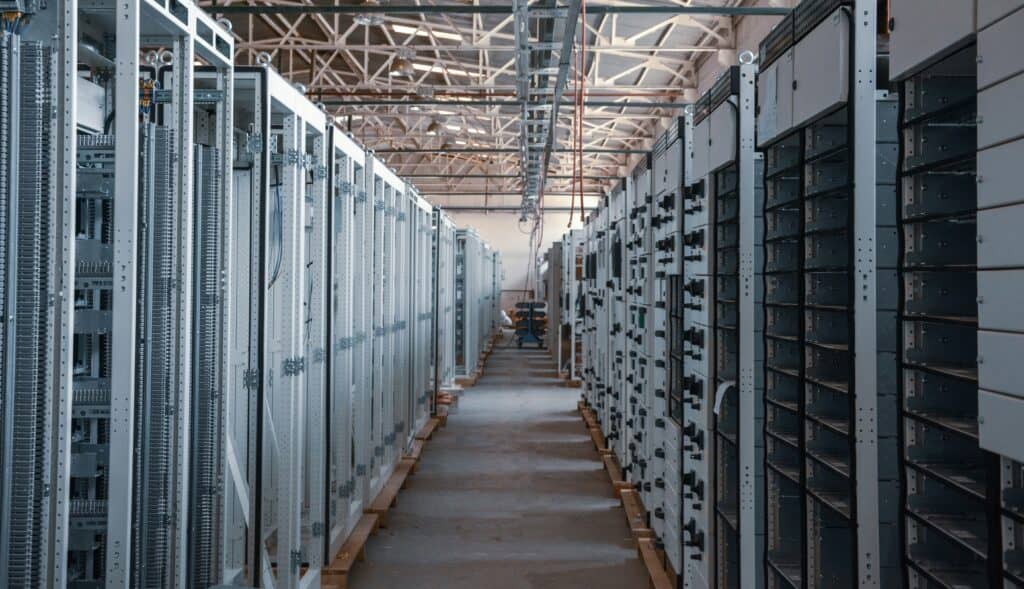
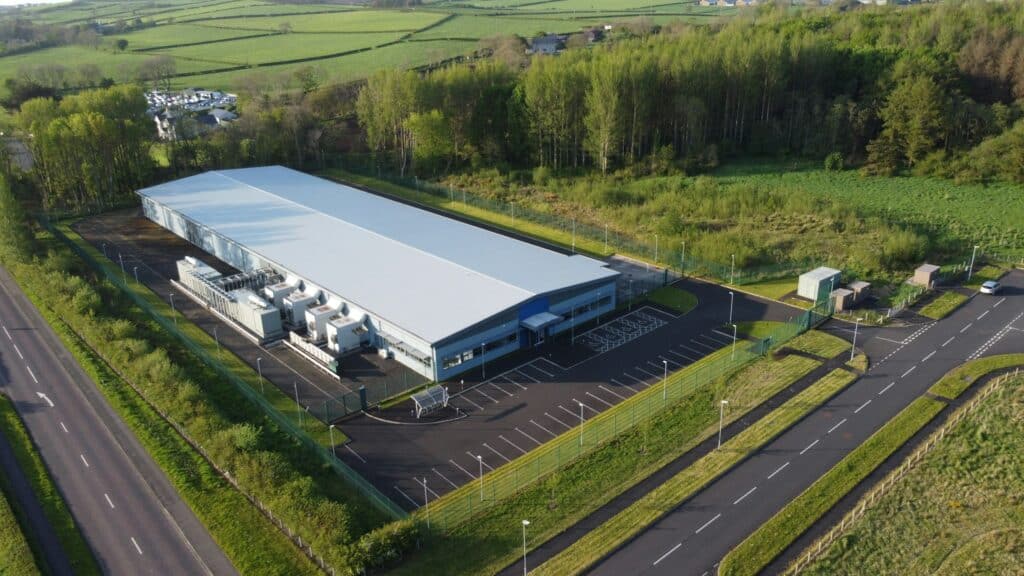
Data centers are large buildings housing servers and other types of computers, with special air-cooling requirements to ensure everything runs optimally. The argument for them is fairly simple: The level of compute resources needed to keep up with modern technology, namely AI and cloud demand, requires a tremendous amount of infrastructure.
Data centers have existed for decades, but this new wave needs a larger footprint to house the power that today’s world and economy needs for things like Internet usage, healthcare, financing, and cybersecurity. Rapid growth of generative AI and large language models (LLMs) has only accelerated that demand.
However, plenty of adverse side effects are raising concerns for residents across the country. The Coalition for Responsible Data Center Development monitors community organizations across the country. New Mexico has two notable organized groups against the growth of data centers, including Say NO to data centers in San Juan County NM and Socorro County Residents Against the Data Center. Between those groups and other protestors, here’s what New Mexico residents are most concerned about.
1. New Mexico is already prone to droughts, and data centers use a ton of water
If you’ve ever had your laptop on your lap and felt it suddenly get hot, you likely moved it to a place where more air could circulate and the laptop could cool down. The servers and computers in data centers are that same scenario multiplied by tens of thousands, or even millions for exceptionally large campuses. These servers are running every second of the day, and they require special cooling to stay operational. A large data center can gulp up millions of gallons of drinking water daily.
New Mexico currently has 1.1 million residents in drought-affected areas. In smaller cities, such as those in Doña Ana County (the site of Project Jupiter), clean drinking water is not a given. In recent years, residents have faced water issues at home, including discoloration, sediment, and taps that barely run.
These issues are occurring even as water bills rise. And despite some data centers promising to operate with closed-loop cooling systems, where water is recycled, community members aren’t convinced. Project Jupiter developers previously said filling its water system would require 10 million gallons and would use about 7.2 million gallons annually. Developers say the revised plan uses a “negligible” amount, but haven’t released figures.
Some community members feel like data center developers may be overlooking their concerns and aren’t being fully transparent. Former director of Empowerment Congress of Doña Ana County Daisy Maldonado said, “I don’t want a PowerPoint presentation that just says, ‘Don’t worry, we’re not going to use that much water.’ And I think the community deserves to know.”
In October, almost 200 students at New Mexico School for the Arts marched to the state Capitol to protest Project Jupiter. A common topic of contention was that the project would take water away from people who need it to survive. Signs included statements such as “you can’t drink data” and “every bad sci-fi movie starts like this.”
2. Powering data centers could damage the air, land, and animals
Project Jupiter carries an anticipated $165 billion price tag, and powering it is one of residents’ biggest concerns.
Under the original plan, which relied on natural gas turbines, the campus was projected to emit 12.7 million metric tons of greenhouse gases a year. Environmental attorney David Baake told the Albuquerque Journal that New Mexico had cut its emissions by 13.5 million metric tons between 2005 and 2024, so the project would put the state “back at square one.”
“If this power plant moves forward, it would essentially wipe out 20 years of progress in reducing emissions in New Mexico,” he said.
Developers revised the power plan this spring, switching to natural gas-powered fuel cells they say will cut nitrogen oxide emissions by about 92%. The revised plan still projects roughly 10 million tons of greenhouse gases a year, more than Albuquerque and Las Cruces combined.
Beyond reduced air quality, which can negatively impact people’s respiratory systems, residents worry about what massive data centers and the gas plants used to power them will do to the state’s land and animals.
“You cannot replant the desert. It’s not an ecosystem that works like that. Once it’s gone, it’s gone,” said Cari Powell, who’s running for Socorro County Commissioner. U.S. Rep. Gabe Vasquez added that the Socorro data center proposal would “permanently alter” the area’s night sky and damage its wildlife corridor.
There’s also the question of building on native tribal land. New Mexico is home to 23 federally recognized Indian tribes, nations, and pueblos. Data center developers are supposed to consult with tribes before any kind of building begins, but that hasn’t always been the case.
3. It’s not clear who will foot the bill for powering data centers
The International Energy Agency found that electricity demand from data centers increased by 17% in 2025, with AI-focused data centers soaring even higher. By comparison, global electricity demand grew by 3%. IEA doesn’t expect this trend to slow down, either. By 2030, it projects electricity consumption from data centers will virtually double from 485 Terrawatt-hours (TWh) to 950 TWh. In New Mexico alone, the Public Service Company of New Mexico reported that data center grid requests leaped from 15% in 2021 to 47% in 2025.
While some tech companies have pledged to provide their own power or are considering other solutions such as renewable energy sources, there’s not much legislation around who pays for all that power. In some cases, that means the bill falls to the community. New Mexico residents are worried that could happen to them.
The pushback extends to New Mexico government leaders. State Rep. Micaela Lara Cadena said she was concerned about a lack of protections and regulations around data centers being planned in the state. “Without protections first, are we supposed to trust the industry first to do it themselves?” she said.
U.S. Rep. Vasquez has publicly announced his support of two federal data center bills that would add more accountability to data center development. He said, “New Mexico should absolutely compete for the jobs and technology of the future, but we are not going to sell out our water, our clean air, or our way of life to do it. If you want to do business here, you need to be transparent, listen to local residents, and most importantly, prove to New Mexicans that projects will serve, not steal from, our communities.”
4. The influx of jobs is largely temporary
One common argument for data centers is that they bring jobs to the local economy. That’s true: Data centers typically require hundreds or sometimes thousands of construction workers to build them. And perhaps there’s an argument that additional computing power could attract more companies or empower new startups that support local jobseekers.
However, the long-term job outlook is a lot murkier. Most data centers only require about 50 to 150 people to run them. Even massive ones see a steep drop-off between construction and regular operations. Project Jupiter says it will provide 7,000 construction jobs and 1,500 “good-paying ongoing jobs.” That’s a decline of about 78.5% once the building is actually complete. Oracle, which will be a tenant of Project Jupiter, has different estimates. They initially projected 2,500 construction jobs and 750 ongoing ones; they’ve now increased those numbers to about 4,000 construction jobs and “up to” 1,500 ongoing roles.
A 2024 report from PwC highlighted a much lower number. By their measure, the average data center build only resulted in about 111 jobs once construction ended. All these projections show that measuring the real impact and number of jobs is much easier said than done. New Mexico residents aren’t sure which estimates to believe, or they doubt the total number won’t be nearly as high as developers predict.
5. Local communities are still feeling left in the dark
Throughout the building of these new data centers for AI and hyperscalers, community residents feel like they’re not being brought along on the journey. Tech companies are making decisions without considering the broader sentiment, and they’re not transparent about what they’re doing. Many people in New Mexico and across the U.S. have little to no experience with AI tools, especially generative AI. It seems like they’re being pressured to “keep up” with something they never asked for.
At protests, New Mexico residents have donned shirts and held signs with slogans such as “big data big lie” and “NMT = No More Transparency,” a play on New Mexico Tech, which was considering a partnership with a data center.
Over the summer, multiple school districts opted out of using Amira, an AI-powered reading testing program. Data and privacy concerns, including the idea that the platform would use voice recordings of students and parents to train its software, were among the biggest objections. An influx of data centers introduces similar worries.
Additionally, dozens of New Mexico tourism organizations have joined forces in a “Keep it True” campaign. The movement pledges to not incorporate generative AI into marketing materials and other promotional content.
“The spirit of authenticity has been, and will remain, foundational to the New Mexico True brand,” said Acting Tourism Secretary Lancing Adams. “Relying on people and landscapes fabricated through the use of generative AI violates that spirit of authenticity, so we’re proud to take a position in defense of truth and reality in destination advertising.”
One thing is for certain: Communities do still have a voice. In Socorro, a company called Green Data was planning to partner with New Mexico Tech on a data center campus of over 10,000 acres. After pushback, the partnership was canceled, and Socorro County adopted a yearlong data center moratorium. Other local governments have passed or are considering legislation, including Santa Fe County and Grant County, which enacted 18-month and 12-month moratoriums on data centers (of 1 megawatt or more, in Santa Fe’s Case), respectively.