Here are 6 celestial events Virginians should keep an eye out for this summer.
Virginia has its fair share of celestial events happening across its skies this summer. From full moons to meteor showers, there’s certainly enough to keep amateur astronomers busy.
Even if you aren’t a budding astronomer, there are plenty of ways to enjoy the summer’s celestial events, like visiting a local observatory for a night viewing or going on a night hike through a state park.
Here’s your guide to making the most of celestial events in Virginia during summer 2026.
Celestial events
From full moons to meteor showers, here are the celestial events to look out for this summer.
Blue Moon
Date: May 31
The Blue Moon on Sunday, May 31, is the second full moon of May. Moons are referred to as being “blue” if they are the second full moon within one calendar month, according to Almanac.
The peak illumination time for the moon in Virginia will be 4:35 a.m.
Strawberry Moon
Date: Jun. 29
The Strawberry Moon normally serves as the final full moon of spring or the first full moon of summer. Don’t be fooled by the name of the moon since it won’t appear to be red—rather, it gets its name from Algonquian Native American tribes, according to Almanac.
Virginians should keep an eye out for peak illumination at 7:56 p.m. on Monday, Jun. 29.
Delta Aquarids Meteor Shower
Date: Jul. 12-Aug. 23
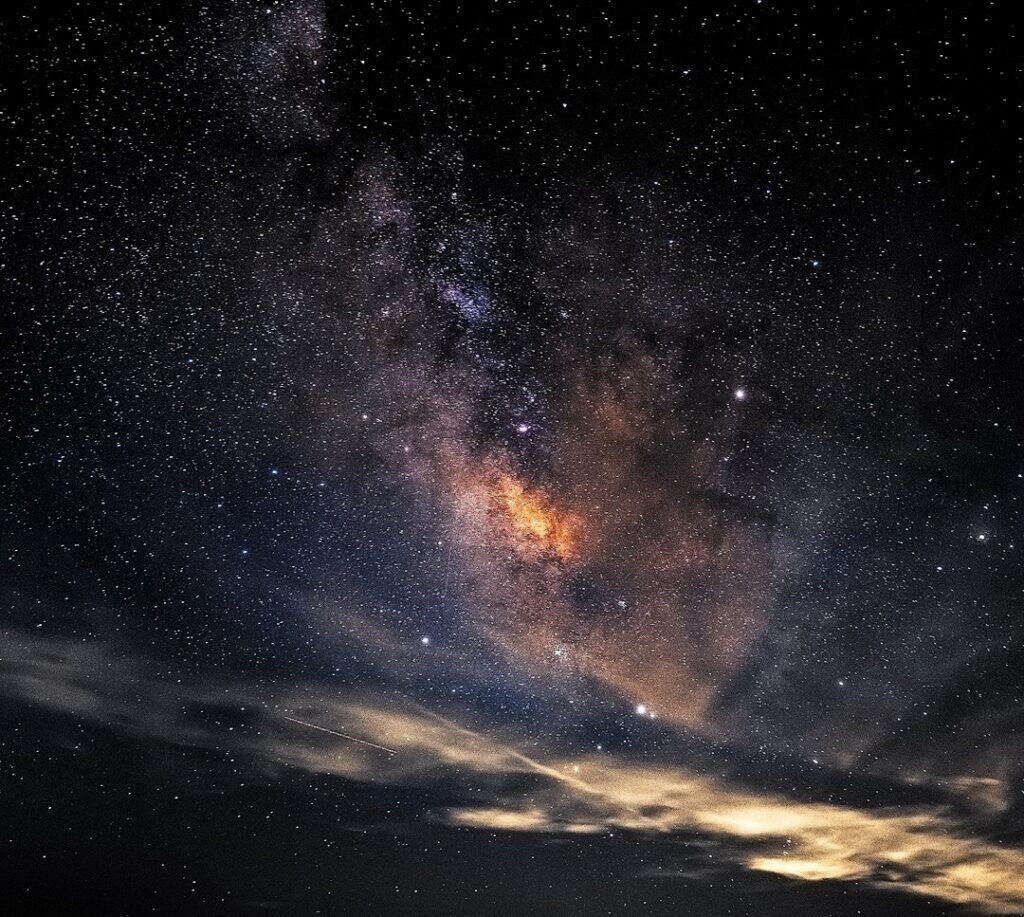
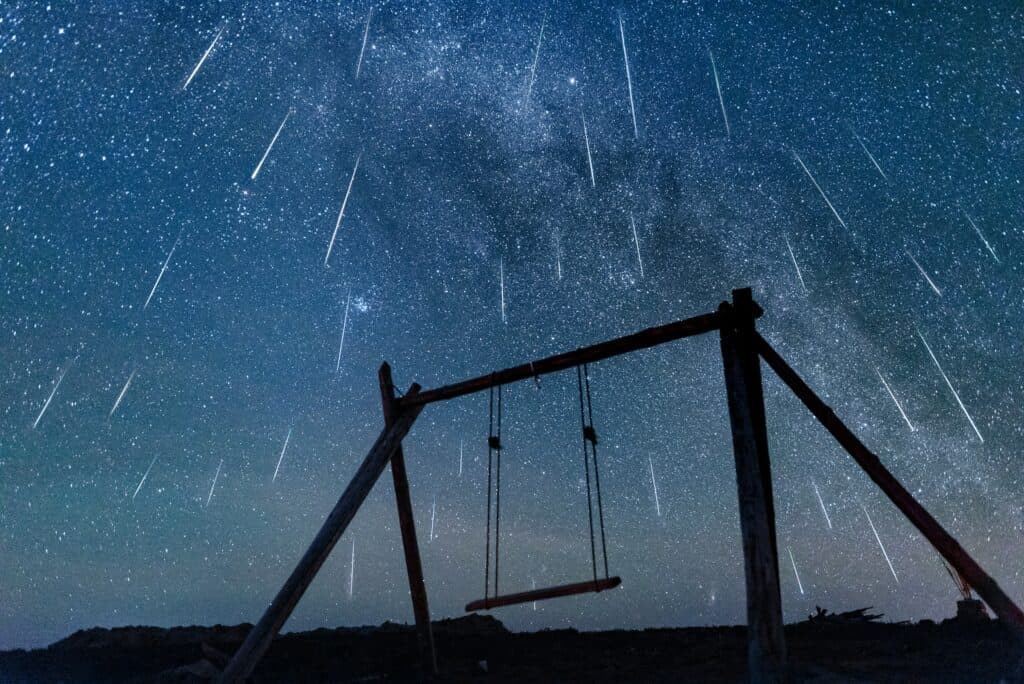
The Delta Aquarids meteor shower is caused by debris from the Marden and Kracht comments. The shower can produce up to 20 meteors per hour.
Full Buck Moon
Date: Jul. 29
The Full Buck Moon, known as such because it’s the time of year male deer antlers grow the most, will rise on Wednesday, Jul. 29, according to the Almanac.
It will reach maximum illumination at 10:36 a.m. in Virginia. Those looking for it are encouraged to look southeast after sunset to watch it climb its way into the sky.
Perseids Meteor Shower
Dates: Jul. 17-Aug. 24
The Perseids meteor shower is an annual shower that runs from Jul. 17 to Aug. 24. Produced by the Swift-Tuttle comet, which was discovered in 1862, the shower can produce up to 60 meteors per hour. Look for a Virginia State Park event further down to find out how to watch it.
Full Sturgeon Moon
Date: Aug. 28
Keep an eye out for the Full Sturgeon Moon on Thursday, Aug. 27, at 12:18 a.m., when it will reach peak illumination, according to Almanac.
The full moon gets its name from the large sturgeon known to call the Great Lakes and Lake Champlain home. The moon would occur when fish were the easiest prey to catch and most relied upon by the Native Americans of the region.
Virginia State Park events
Virginia State Parks hold regular events throughout the summer that are aimed at getting you in touch with the night sky, including the moon, stars, and meteor showers. Best of all, these events are free and only require a minimal parking fee.
While not all 44 parks are holding these events, here are some standout ones worth considering.
New Moon Astronomy Viewing
Date: May 23
Location: 104 Green Hill Dr., Gladstone
View the new moon at James River State Park, an International Dark Sky designated park, where light pollution is minimal.
During the New Moon Astronomy Viewing, volunteer astronomers will help attendees get up-close views of plants, moons, and galaxies with their telescopes. In the event of clouds, a presentation will be given.
Guided Fall Moon Hike
Date: May 30
Location: 101 Widewater State Rd., Stafford
Visit Widewater State Park from 7:30 to 9 p.m. for an evening hike with a park ranger through the Holly Marsh Trail to view the full moon as it rises over the Potomac River. Wildlife, like owls, bats, and foxes, is likely to be encountered.
Preregistration for the Guided Fall Moon Hike is required. Hikers are encouraged to bring a flashlight.
Urban Astronomy at Widewater State Park
Date: Jun. 12
Location: 101 Widewater State Park Rd., Stafford
The theme for the Urban Astronomy at Widewater State Park’s Jun. 12 event is “Fireflies in the Sky.”
From 9 to 10:30 p.m., visitors at the park will learn how to use a Celestron telescope and learn about the history of the stars. Be sure to bring your smartphone, because there will be tutorials about how to take night sky photos.
Preregistration is required on Eventbrite.
Dark Sky Night: New Moon
Date: Jun. 13
Location: 6477 South Lee Hwy., Natural Bridge
Check out the new moon with the help of park rangers at Natural Bridge State Park from 9 to 11 p.m. during Dark Sky Night: New Moon.
Attendees will learn how to identify constellations and view the moon through a telescope.
The parking fee is $5. Be sure to bring a chair and a red-light flashlight.
Full Moon Walk
Date: Jun. 29
Location: 116 Orphanage Dr., Max Meadows
Take in the Strawberry Moon during a guided hike at New River Trail State Park from 8 to 9 p.m. Rangers will guide hikers through the moonlit Foster Falls, a historic village.
The one-mile Full Moon Walk will be on grassy terrain and moderate-to-easy trails.
Saturday Under the Stars
Date: Jul. 11
Location: 4616 Powhatan State Park Rd., Powhatan
Spend the evening with the Richmond Astronomical Society to learn about telescopes and the various stars, planets, and constellations that can be seen in the night sky.
Attendees of Saturday Under the Stars are encouraged to bring chairs or blankets. The Powhatan State Park event runs from 8:30 to 11:30 p.m.
Delta Aquarids Meteor Shower
Date: Jul. 12-Aug. 23
Location: 1170 Staunton Trl., Scottsburg
Staunton River State Park is inviting the public to view the Delta Aquarids meteor shower, which is caused by debris from the Marden and Kracht comets, from July through August. The shower can produce up to 20 meteors per hour.
Although the full moon this year will make viewing a bit more difficult, peak viewing time will be from Jul. 28 to 29. The Observation Field is the best place in the park for viewing the shower.
Perseids Meteor Shower
Date: Jul. 17-Aug. 24
Location: 1170 Staunton Trl., Scottsburg
Visit Staunton River State Park to view the Perseids meteor shower, an annual shower that runs from Jul. 17 to Aug. 24. Produced by the Swift-Tuttle comet, which was discovered in 1862, the shower can produce up to 60 meteors per hour.
This year’s shower is said to be a good one for viewing since moonlight won’t be around to interfere. The park cautions that the shower will peak on Aug. 12 to 13. Optimal viewing is from a dark location, such as the Observation Field in the park, after midnight.
RAC Star Party
Date: Aug. 15
Location: 11617 Caledon Rd., King George
The Rappahannock Astronomy Club is inviting the public to attend the RAC Star Party at Caledon State Park for a night of deep-space viewing from 8 to 11 p.m. Attendees can either bring their own telescopes or use one belonging to a club member. Be sure to look for galaxies, stars, plants, and various other celestial objects.
There is a $5 parking fee.
Dark Sky Night: Perseid Meteor Shower Watch
Date: Aug. 15
Location: 6477 South Lee Hwy., Natural Bridge
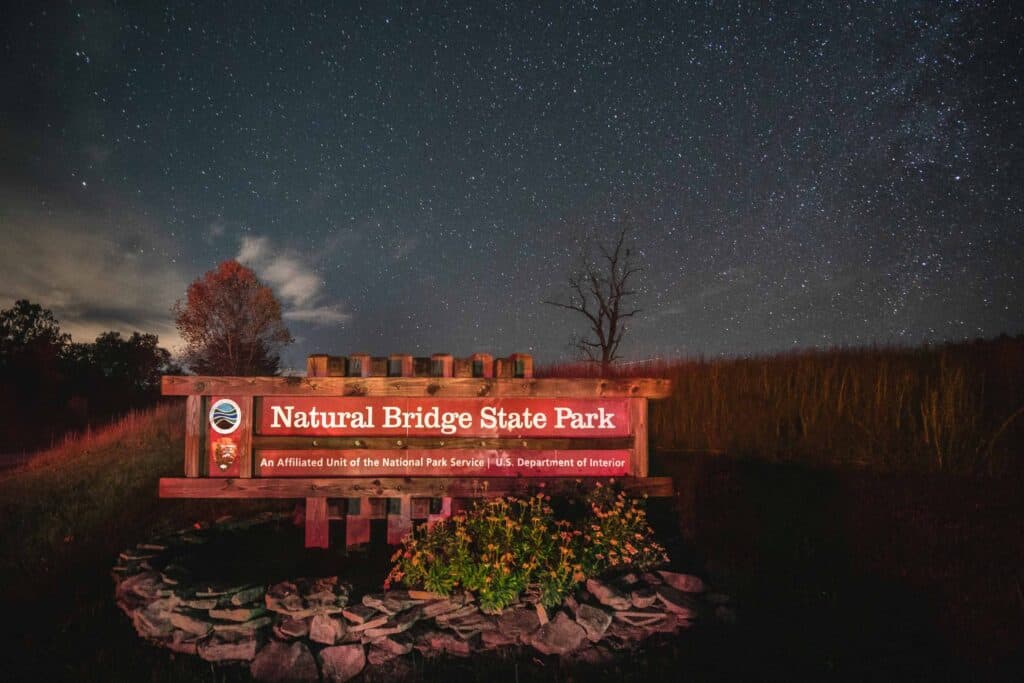
Attend the Dark Sky Night: Perseid Meteor Shower Watch event from 9 to 11 p.m. to see the biggest meteor shower of the summer. Park rangers from Natural Bridge State Park, an International Dark Sky Park, will help attendees identify constellations and observe plants and nebulae through a telescope.
Attendees are encouraged to bring a comfortable chair and a red-light flashlight. There will be a 10-minute hike up a hill to the viewing area. Parking costs $5 per car.
Other celestial viewing events
Visit a local observatory or museum to learn about the skies and test out various viewing equipment.
Public Nights at McCormick Observatory
Dates: May 16, Jun. 6, Jun. 20, Jul. 18, Aug. 1, Aug. 15
Location: 530 McCormick Rd., Charlottesville
Public Nights at McCormick Observatory, held on the first and third Fridays of every month, offer the public a chance to explore the work being done at the observatory. From 7 to 9 p.m., visitors can view celestial objects through the historic 26-inch McCormick Refractor and various other telescopes, tour the observatory, hear presentations from astronomers, and see various exhibits.
It’s best to attend more than once because faculty, postdoctoral, and graduate students participate through a rotating schedule, so you’re likely to hear something different each time you attend.
While the University of Virginia events are free, registration is required.
Exploring the Skies
Dates: May 20, Jun. 17, Jul. 15, Aug. 13
Location: Mile 51, Skyline Dr., Stanley

Exploring the Skies through Shenandoah National Park is offered by amateur astronomer Frank Perfetti. He will start by sharing his love of the universe before explaining what one sees when they look up at the night sky, including where our solar system is located within the Milky Way.
The Big Meadows Lodge presentations start with a solar viewing in the meadow from 2 to 4 p.m. before moving into the Massanutten Room for the night skies presentation from 8 to 9 p.m.
Second Saturday Sun-Viewing
Dates: Jun. 13, Jul. 11, Aug. 8
Location: 14390 Air and Space Museum Pkwy., Chantilly
On the second Saturday of each month, the Steven F. Udvar-Hazy Center welcomes the public to try their hand at astronomy by safely observing the sun through a filtered telescope. Center staff will guide viewing and answer attendee questions.
While the Second Saturday Sun-Viewing events from 11 a.m. to 2 p.m. are free, there is a $15 parking fee.