7 celestial events will be visible in New Hampshire this summer. Here’s what to know and where to look for them.
One of the best simple pleasures life has to offer is looking up at the night sky and actively observing the wonder it contains. Stargazing on an ordinary evening and naming the constellations you see is an engaging experience in and of itself. Now, think about how much more thrilling it would be to look up and see seven different celestial events this summer.
That term, “celestial event,” basically refers to anything in the night sky that is predicted and can be observed with the naked eye (or enhanced with a telescope). Sometimes they are referred to as “astronomical events,” but it’s the same thing regardless of which term is used to describe it.
A few events are happening throughout May and June, and then things will really start to ramp up in July and August. Let’s go over all the details for each, as well as some great viewing spots in New Hampshire you can visit to observe them by yourself or with your loved ones.
Celestial events in May & June
Noctilucent clouds
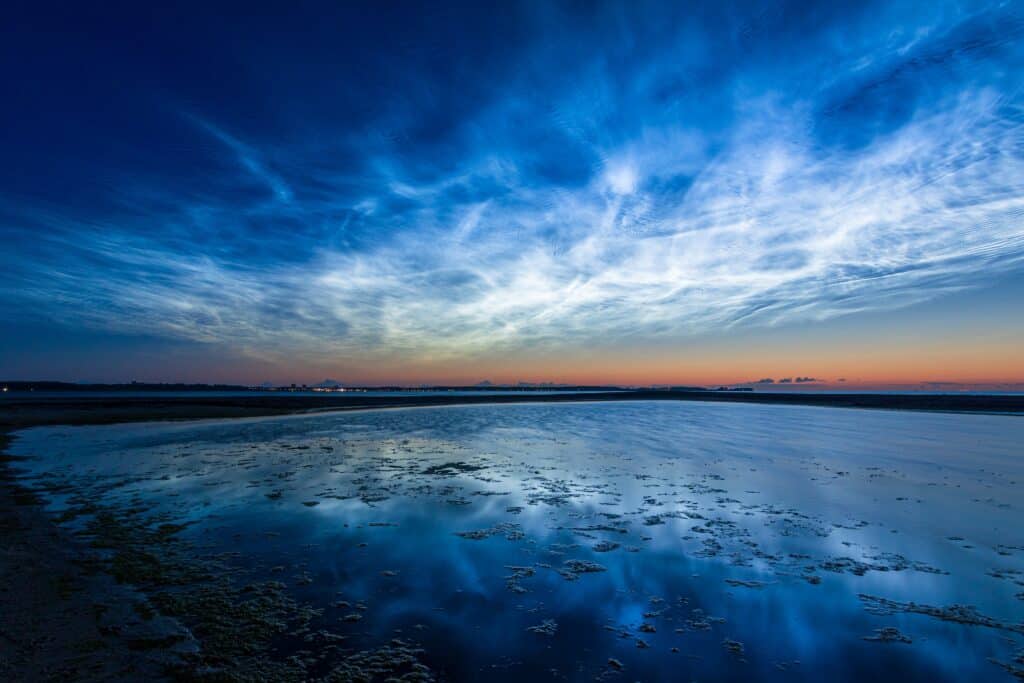
Okay, I didn’t even know noctilucent clouds were a thing before I started researching this article, so we’re both learning something new today. “Noctilucent” is a Latin term that translates to “night-shining,” and that’s a good way of describing how these clouds look.
They are only visible during the summer, particularly in June and July, though they start to appear toward the end of May and stick around through August. TL;DR: You’ll have numerous chances to spot them.
Basically, noctilucent clouds are created by meteor dust and are, essentially, meteor smoke that has turned to ice crystals in the sky. Because of this, the clouds look like shining blue and silver ripples. You’ll have the best chance at seeing them about an hour or two after the sun goes down.
June Solstice
The June Solstice, or Summer Solstice, takes place on Jun. 21 and is officially regarded as the “longest” day of the year because we experience the longest stretch of daylight then. During the solstice, the Sun reaches the Tropic of Cancer, AKA the northernmost position on its path. It lingers there for the day before moving southward again, toward the Equator.
This isn’t technically observable at night, but you can noticeably see the sun moving in a curved arc overhead throughout the day as it completes the last stages of the solstice. Sunset on Jun. 21 will be right around 8:26 p.m., so if you’d like to celebrate in a tangible way, I’d suggest finding a quiet place to watch the sun go down, and the stars begin to pop up in the sky overhead, little by little.
Full Strawberry Moon, June 30
The first full moon of summer occurs on June 30 and is known as the Strawberry Moon. You can learn more about its name here, but the most important thing to know right now is that it reaches its peak around 7:56 p.m., meaning it’ll shine the brightest at that time.
Note: The moon will unfortunately not look red despite the strawberry nickname; however, it’ll still look glowing and beautiful and will be worth observing all the same.
Celestial events in July & August
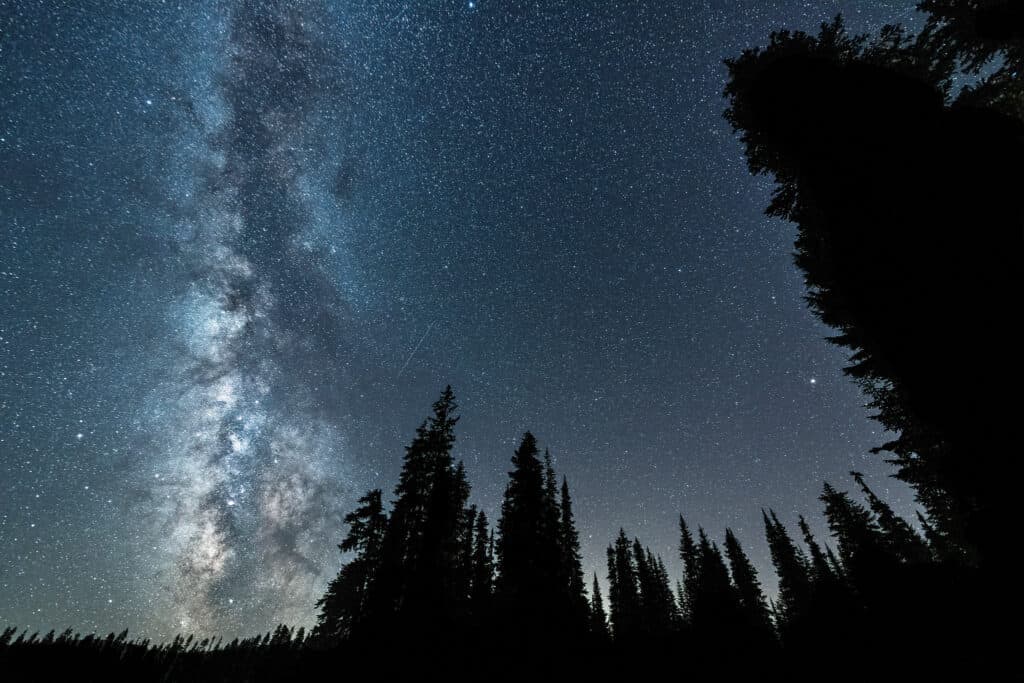
Delta Aquariid Meteor Shower
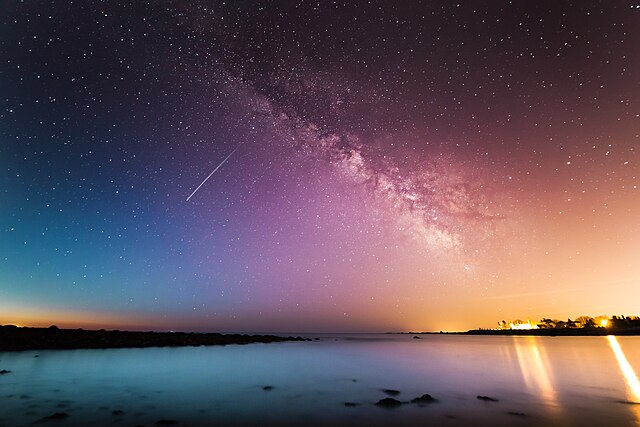
The Delta Aquariid Meteor Shower is viewable between Jul. 18 and Aug. 21, and reaches a more noticeable peak around Jul. 30. During this time, you’ll be able to see anywhere between 15 and 20 meteors arcing through the sky, though you’ll have to be somewhere dark for them to really be visible. We’ll go over some suggestions shortly to make sure you enjoy this celestial event as best you can.
Full Buck Moon, July 29
One of the reasons why viewing the Delta Aquariid Meteor Shower at its peak is a little tricky this year is that it coincides with the Full Buck Moon on Jul. 29. So, on the one hand, you have less of a chance to catch every meteor passing overhead, but on the other hand, you get to observe another gorgeous full moon. Sounds like a win either way to me.
Peak illumination occurs at 10:36 a.m., but don’t worry, it’ll still look amazing after sunset when you can actually see it hanging out in the night sky. To learn more about the Full Buck Moon and how it got its name, follow this link.
Perseid Meteor Shower
Two meteor showers in one summer? Now’s the time to buy that telescope you’ve been eyeing for the last few months. The Perseid Meteor Shower happens between Aug. 12 and 13, during which time about 100 meteors will be produced per hour! On the plus side, this shower is happening during a New Moon, which will make the sky veryyy dark, so it’ll be easier to see the meteors in August than it will be in July.
Full Sturgeon Moon, August 28
Rounding out the list of celestial events is Aug. 28’s Full Sturgeon Moon. It’ll reach its peak at 12:18 a.m., so planning a camping trip for the night of Aug. 27 would actually be a great idea, because then you’d be able to make marshmallows and stare longingly at the moon at the same time. Oh, is that just my fantasy? Either way, you can observe the Full Sturgeon Moon from anywhere in New Hampshire and still have the same spectacular view.
Where to view celestial events in New Hampshire
Viewing these seven celestial events in New Hampshire is easy to do if you’re somewhere with less light pollution, AKA artificial lights (like street lights and neon signs). Being in a suburban area gives you more of an advantage than living in a city, but you’ll still experience some interference unless you head somewhere off the beaten path, like the White Mountain National Forest.
The White Mountain National Forest, and any forest or state park for that matter—like Sunapee or Dixville Notch—are some of the best places to go to observe celestial events. You won’t experience as much artificial light there and will have clearer, direct access to the sky overhead. It’ll be so much easier to see the stars, you won’t have to bring a telescope or binoculars with you if you don’t want to. And you don’t have to camp either if you’d rather just pop in to see what the sky’s doing before you head back home.
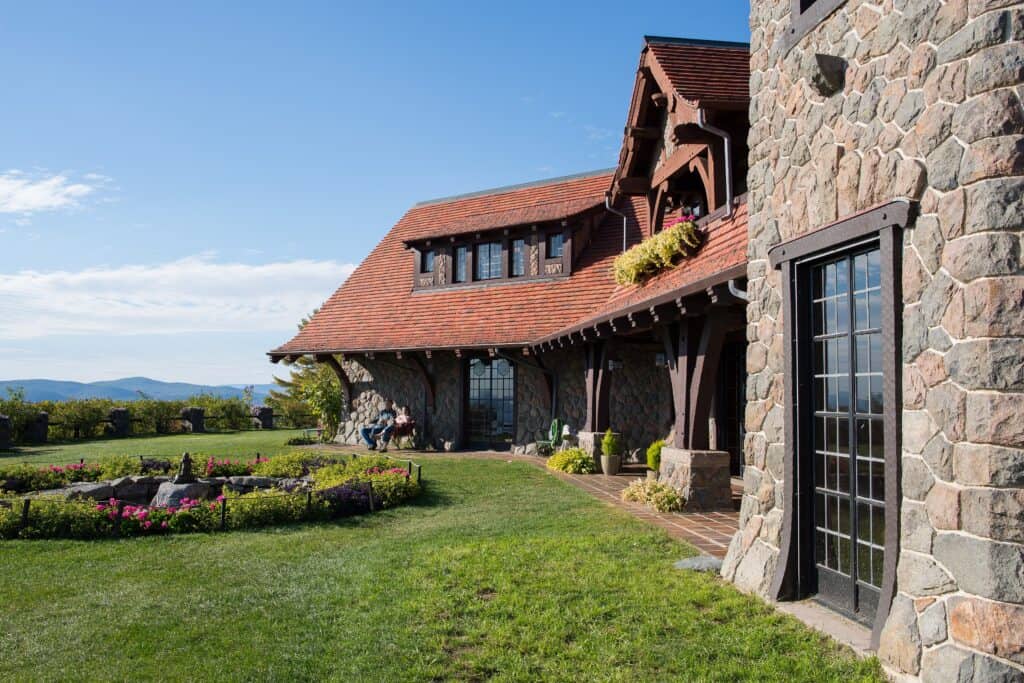
As a bonus suggestion, Castle in the Clouds in Moultonborough hosts “Constellations at the Castle” on specific Thursdays during the summer. Those are: Jun. 18, Jul. 23, and Aug. 13.
From 8 p.m. to 10 p.m. on those nights, the New Hampshire Astronomical Society holds stargazing events for free. They’ll point out stars, planets, and constellations, along with any other interesting things happening at the time.